
Dark City: Vienna (2019)
I continued with the Dark City hidden-object game series by playing its third instalment, Dark City: Vienna, released in 2019. The Vienna Opera House has gained a ghost of its own, one that leaves threatening messages and its fiery emblem wherever it goes. The ghost clearly seems to have a serious grudge. Our detective is called in to investigate the case, which ultimately leads to the dark secrets of a toxic workplace. The premise is intriguing, but the story has its gaps. In terms of both audiovisual presentation and gameplay, the third entry is very similar to the first two games in the series.
Dark City: Munich (2018)
I played the second instalment of the Dark City series immediately after finishing the first one. The Munich-set sequel was released at the end of 2018 and centres on the hunt for a werewolf during Oktoberfest. The similarities to the first game are obvious. However, the case itself is new and distinct, and it actually takes an unexpected turn when our otherwise realistic detective witnesses something unbelievable. Compared to the more grounded drama of the first game, this pushes the series much further towards fantasy. The storytelling is also more experimental, and the villain is more convincing. In terms of gameplay, the foundations remain the same, the graphics feel cut from the same cloth, and the soundtrack is so similar that I even wondered whether parts of it had been recycled. Nevertheless, the differences were enough to make the sequel well worth playing.
Dark City: London (2017)
I returned to hidden object adventures with the Dark City series, which visits famous cities while drawing on local history and legends. Dark City: London, released in 2017, is the first instalment in the series. It is a promising beginning visually, atmospherically and mechanically, but its detective story painfully leaves some important questions unanswered. The game represents an early form of modern HOPA design (Hidden Object Puzzle Adventure), combining an adventure-game style narrative and inventory-based progression with hidden object scenes and mini-games. Compared to newer entries, it is fairly straightforward and contains less content.
Sam & Max Hit the Road (1993)
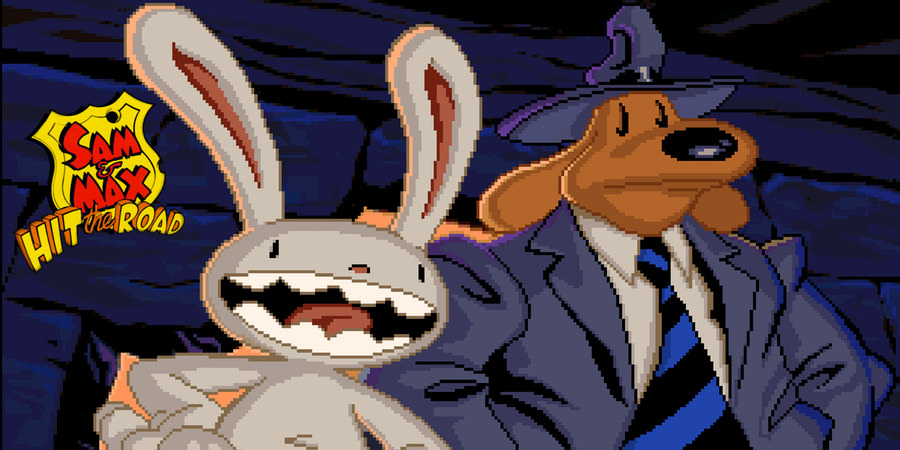
Following Leisure Suit Larry, I was reminded of another classic — the adventure game Sam & Max Hit the Road, based on Steve Purcell’s comic. Released in 1993, it belongs to the golden era of LucasArts, standing alongside The Secret of Monkey Island and Indiana Jones and the Fate of Atlantis. The anthropomorphic dog and rabbit duo, Sam and Max, work as freelance police, solving bizarre cases. The game overflows with witty dialogue, eccentric characters and absurd twists. Like Leisure Suit Larry, it requires a solid grasp of American pop culture for all its jokes to land. It also references earlier LucasArts titles. Even if not every pun hits home, the humour still works — Max’s inappropriate remarks are easy enough to grasp, and the puzzles are wildly imaginative. The game offers gorgeous pixel art, superb voice acting and animation that clearly received great care.
Adam Wolfe Complete Edition (2016)
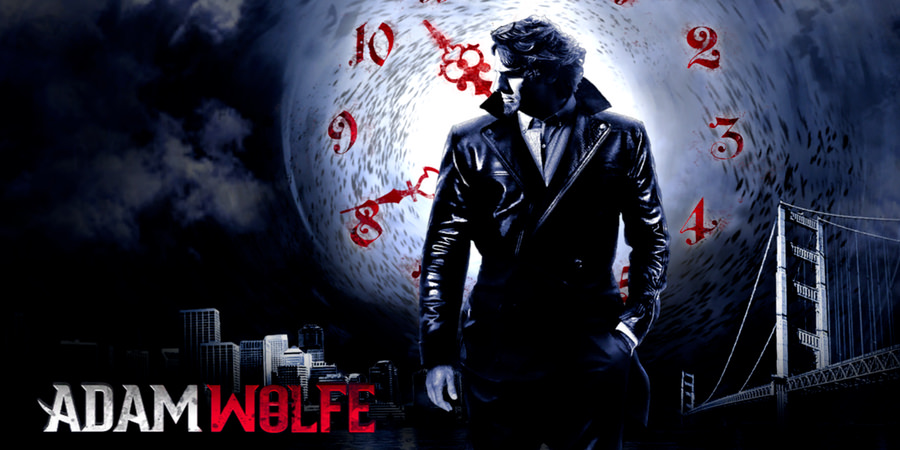
The 2016 hidden-object adventure Adam Wolfe separates itself from the mainstream of the genre in a convincing way. The title character, Adam Wolfe, is a private detective clad in a black leather jacket, specialising in paranormal cases. His attitude, however, is grounded and level-headed — not exactly sceptical, as he considers demons real enough to shoot. Adam is a striking, conflicted character, and his four-episode story is fairly complex — and far from happy. The game succeeds in welding hidden-object tasks into the storyline exceptionally well. It is both radical and mature.
Victorian Mysteries: The Yellow Room (2012)
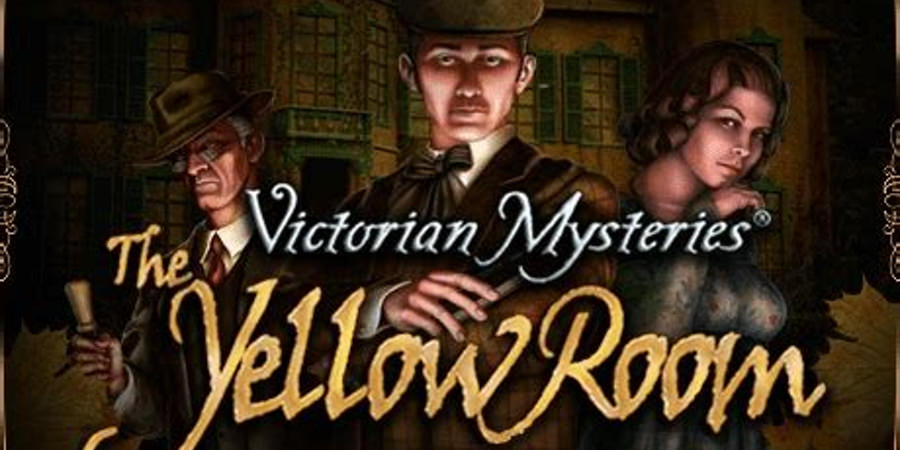
The third and final entry in the Victorian Mysteries trilogy, The Yellow Room, was released in 2012. It already resembles modern hidden object games quite closely: traditional search scenes give way to adventure-game-like inventory tasks and puzzle-oriented mini-games. The game is based on Gaston Leroux’s 1907 locked-room mystery Le mystère de la chambre jaune (The Mystery of the Yellow Room). Compared to its predecessors, The Yellow Room succeeds better at conveying the original story. The player acts as the assistant to master detective Rouletabille, Sainclair, who also serves as the narrator in the novel.
Mystery Masterpiece: The Moonstone (2009)
The Victorian Mysteries trilogy, released between 2009 and 2012, follows in the footsteps of the long-running hidden object staple Mystery Case Files. Instead of original backstories, however, The Moonstone, Woman in White, and The Yellow Room draw directly from literature — specifically from pioneering detective classics by Wilkie Collins and Gaston Leroux. I was interested in these games precisely as literary adaptations. As hidden object, puzzle, or adventure games, there is nothing particularly distinctive about their mechanics. I hesitate to call them good, but they are certainly playable and easy enough, and the historical character of both the games and their stories appealed to me. In this blog post I focus on the first game and will return to the other two later in their own articles.
Chinatown Detective Agency (2022)
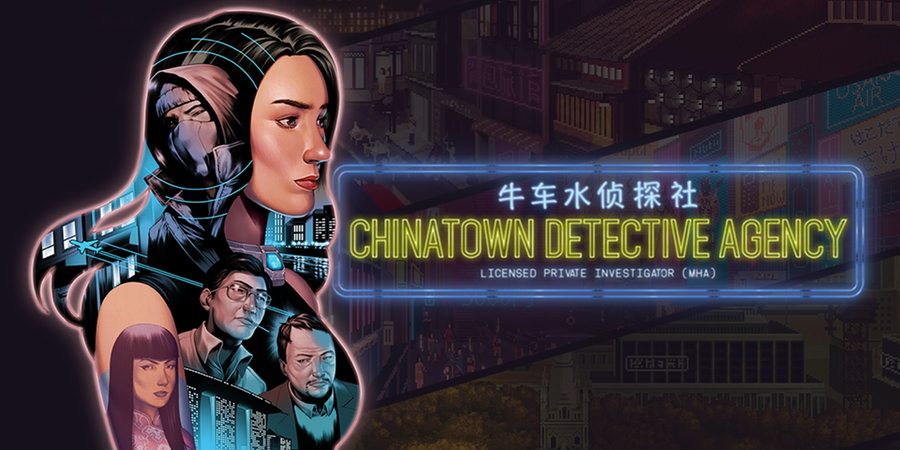
Released in April this year, Chinatown Detective Agency is a puzzle adventure set in near-future Singapore. You zip around the city by metro and occasionally fly abroad. The player character, the young Amira Dharma, is a former Interpol officer turned private detective. Her work consists largely of research and various puzzles that extend beyond the game into the internet. Even though Amira’s reality and the cases she solves, ranging from murders to corruption, tell a bleak story, the game is still warm-hearted, as Amira finds her own support group. Chinatown Detective Agency has its weaknesses and imperfections, but my play experience was smooth, and I liked the core idea a great deal.
Mystery Case Files: Shadow Lake (2012)
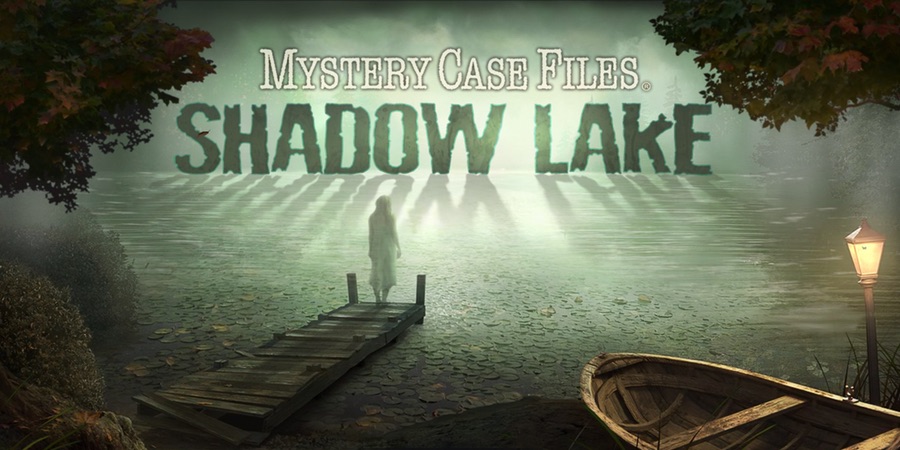
Released in 2012, Shadow Lake is the final entry in the Mystery Case Files series developed by Adrian Woods and Big Fish Games’ in-house studio. Subsequent instalments have been produced by other studios, although the brand has remained with Big Fish Games, which continues to publish the series. I started playing Shadow Lake almost immediately after Escape from Ravenhurst, and my first reaction was that it looked ugly and rather bleak. Stylistically, Shadow Lake is realistic and structurally quite simple. After the fantastical Escape from Ravenhurst, it feels like a return to earth, even though the story itself is supernatural, with mediums and cursed horns. It felt as if they’d squeezed the last drops out of Adrian Woods and then simply slipped through the fence instead of climbing it. Still, it is a perfectly decent game, very casual in nature, and my experience was by no means miserable.
Mystery Case Files: Escape from Ravenhurst Collector's Edition (2011)
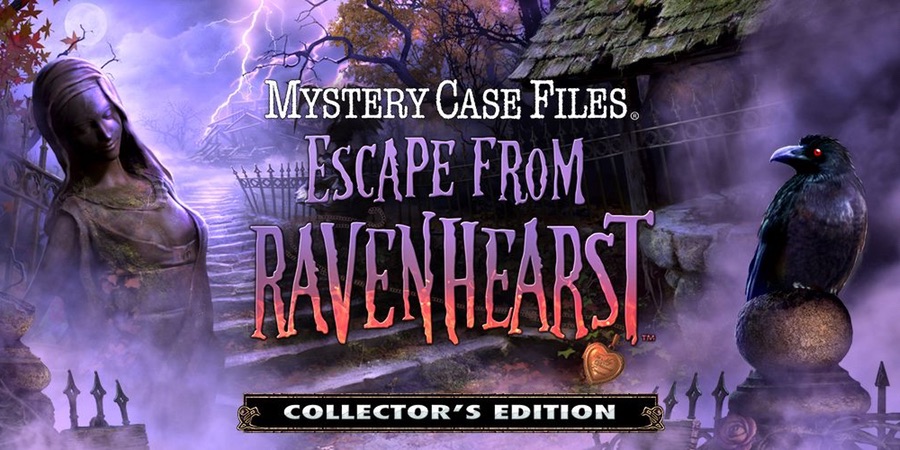
The eighth instalment in the Mystery Case Files series — and the third chapter in the Ravenhurst arc — Escape from Ravenhurst sends your agent back to the Ravenhurst Manor, even though it has already burned to the ground. Its master, the vampiric psychopath Charles Dalimar, is still very much alive. Emma, Rose and her twin daughters from the late 1800s remain imprisoned by him, and Dalimar is now draining paranormal energy from other villagers as well. This entry embraces the full extremity of Charles Dalimar’s madness. At times the grotesqueness of the visuals and some task instructions genuinely made me feel sick — which must be considered a success in terms of design and execution. Escape from Ravenhurst is an exceptionally high-quality hidden object game. Classic search scenes based on word lists have stepped aside as the main task type, replaced by morphing objects. This captivating mechanic is now given ample room to shine. The game also introduces a brand-new kind of search puzzle based on finding counterparts for small image fragments in the environment.