
Mystery Case Files: Escape from Ravenhurst Collector's Edition (2011)
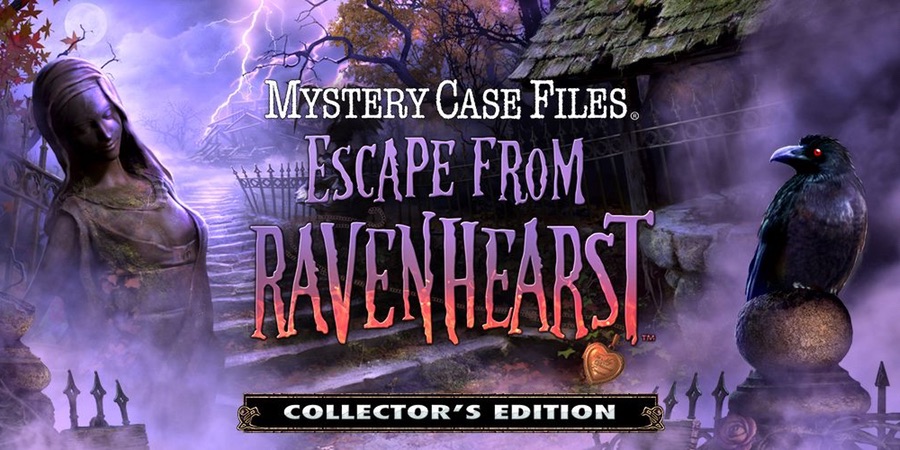
The eighth instalment in the Mystery Case Files series — and the third chapter in the Ravenhurst arc — Escape from Ravenhurst sends your agent back to the Ravenhurst Manor, even though it has already burned to the ground. Its master, the vampiric psychopath Charles Dalimar, is still very much alive. Emma, Rose and her twin daughters from the late 1800s remain imprisoned by him, and Dalimar is now draining paranormal energy from other villagers as well. This entry embraces the full extremity of Charles Dalimar’s madness. At times the grotesqueness of the visuals and some task instructions genuinely made me feel sick — which must be considered a success in terms of design and execution. Escape from Ravenhurst is an exceptionally high-quality hidden object game. Classic search scenes based on word lists have stepped aside as the main task type, replaced by morphing objects. This captivating mechanic is now given ample room to shine. The game also introduces a brand-new kind of search puzzle based on finding counterparts for small image fragments in the environment.
Following my original mission to play through the first nine Mystery Case Files titles, I moved on to Escape from Ravenhurst (2011) shortly after finishing 13th Skull. But right at the beginning I clashed with the game’s item-usage logic: I disagreed with what tool should be used where. I also had to consult the walkthrough far too many times. Exhausted and frustrated, I shelved the game and wrote a few Spring Thing competition reviews over at Kirjallinen Suunnistaja. As the Samooja post history reveals, I even inserted one more game in between — a thematic bridge of sorts, as it also counts as a hidden-object-style title. By then I had regained enough energy to continue, which was a good decision, as both the game and the experience improved significantly.
The main responsibility for designing Escape from Ravenhurst was carried by Adrian Woods, who handled all design work for the first nine titles. These nine were all created by Big Fish Games’ internal studio; after that, development moved outside the company. I am impressed by Woods’s inventiveness and his strong sense of gameplay. Although I have lamented how hidden object games devolved into poor adventure games, it must be said that Woods creatively adapted the core idea of searching and kept adding something new to each instalment.
The game fixes its lack of realism by embracing the paranormal — and it works
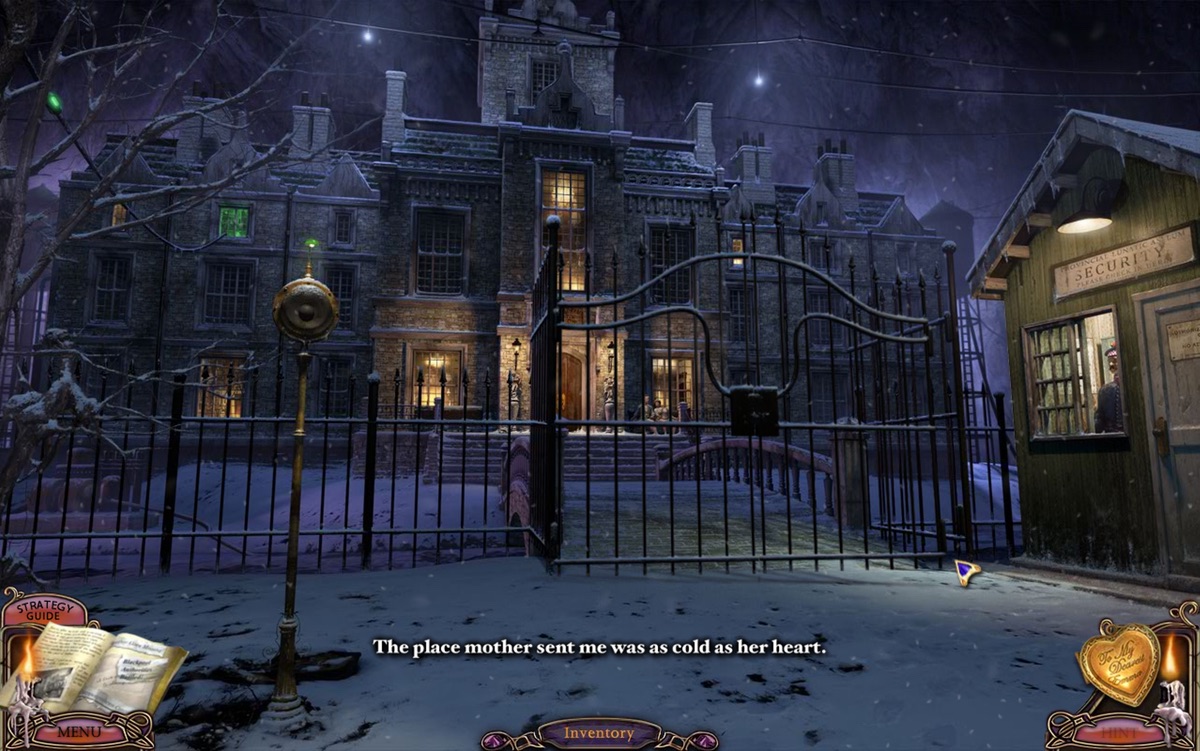
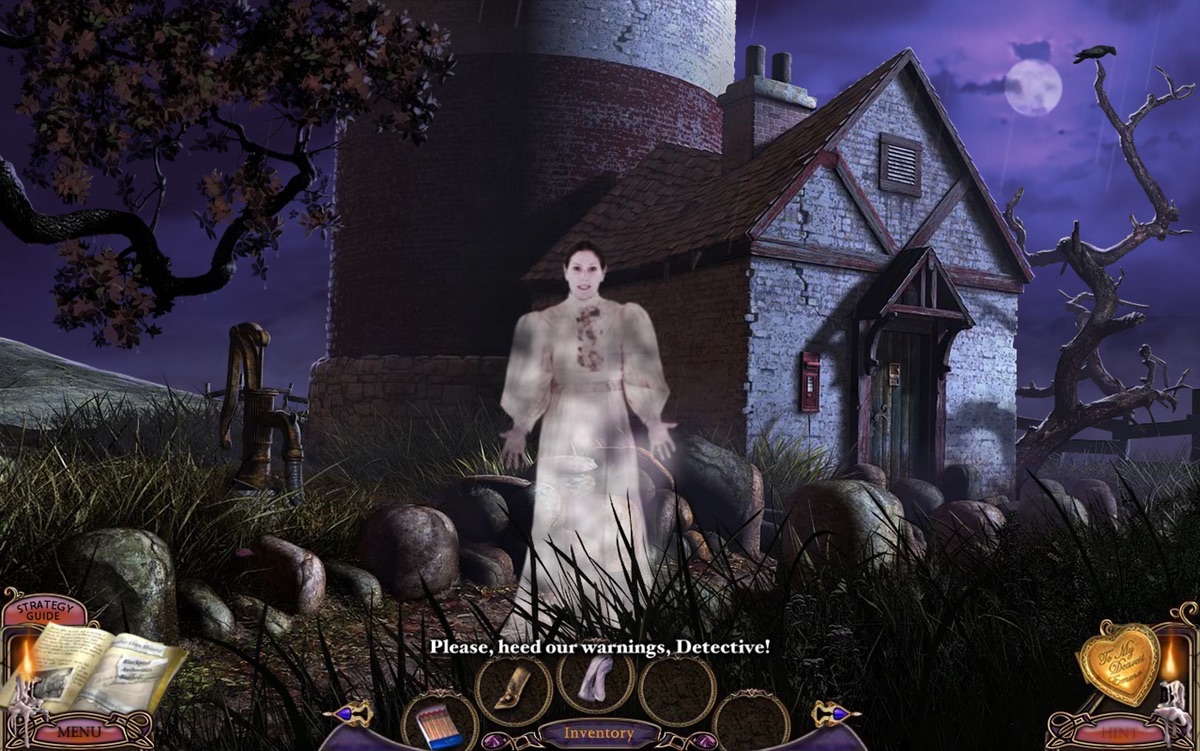
Once again, turmoil erupts in Blackpool, England, and our secret agent receives an anonymous letter challenging her to return. The ruins of the burned manor teem with ghosts that warn her to turn back. At the same time, however, these same ghosts help her advance — a minor contradiction in the game’s logic.
The earlier games suffered from completely arbitrary word lists. Escape from Ravenhurst solves the issue, not by adding realism, but by inventing a new fantastical construct: morphing objects. The agent’s old friend, the late Emma, gives her a locket that snaps open whenever morphing objects are present. It shows how many can be found in the current scene, and the player must identify them all.
Within the story, morphing objects act as a link between the agent and the ghosts — a kind of paranormal connection. When all morphing objects in a scene are found, the ghosts have gathered enough energy (or the connection has grown strong enough) to highlight a regular object that the agent will need. This highlighted object is then added to the inventory.
Morphing items are ghost-like enough that one can accept their connection to the spirits. And crucially, because the objects being searched for no longer need to relate to the case at hand, the mechanic frees itself from the genre’s realism trap. It is a clever solution, and Big Fish Games clearly recognised how much players enjoy morphing objects. They require a specialised observational mindset. Escape from Ravenhurst offers many varieties and transformation styles — some extremely subtle and satisfyingly difficult.
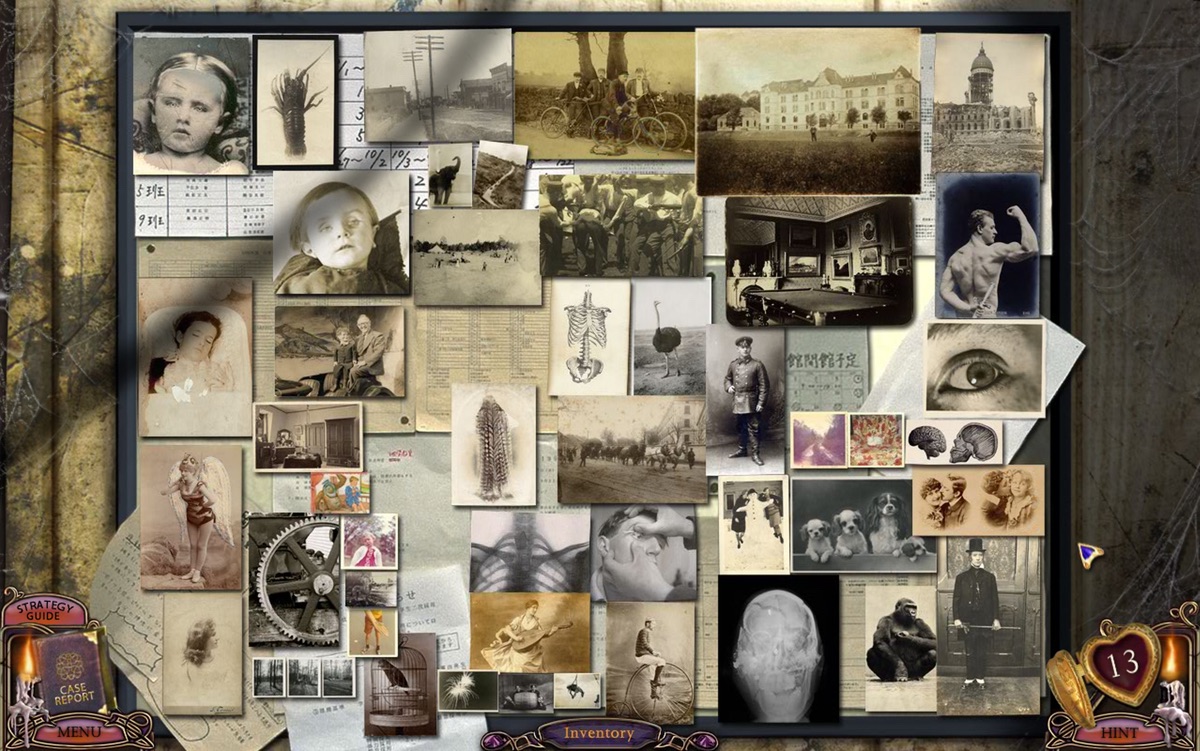
Charles Dalimar’s underground hellscape
The macabre Charles Dalimar has prepared a grave for the agent — one she must dig open herself. Descending underground marked a turning point for me, changing my relationship with the game. After the rocky start, it suddenly became engaging. Once again, Dalimar has used his imagination and remarkable set-design ingenuity to build a subterranean world.
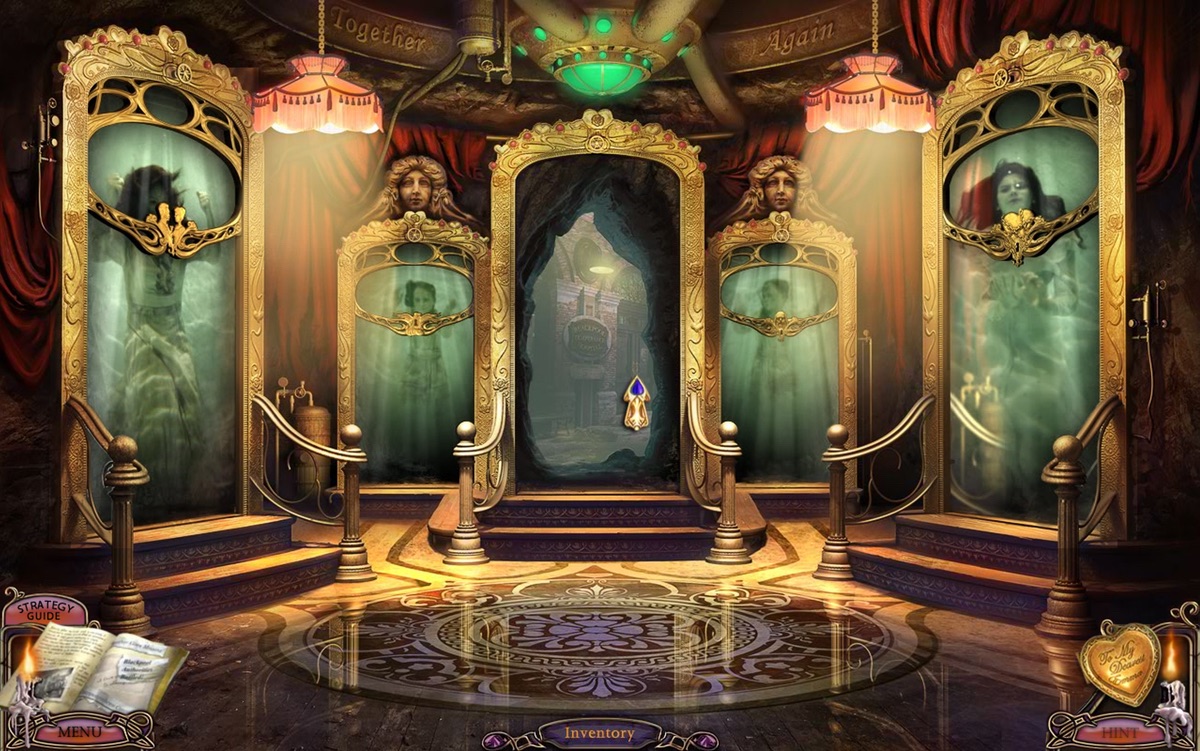
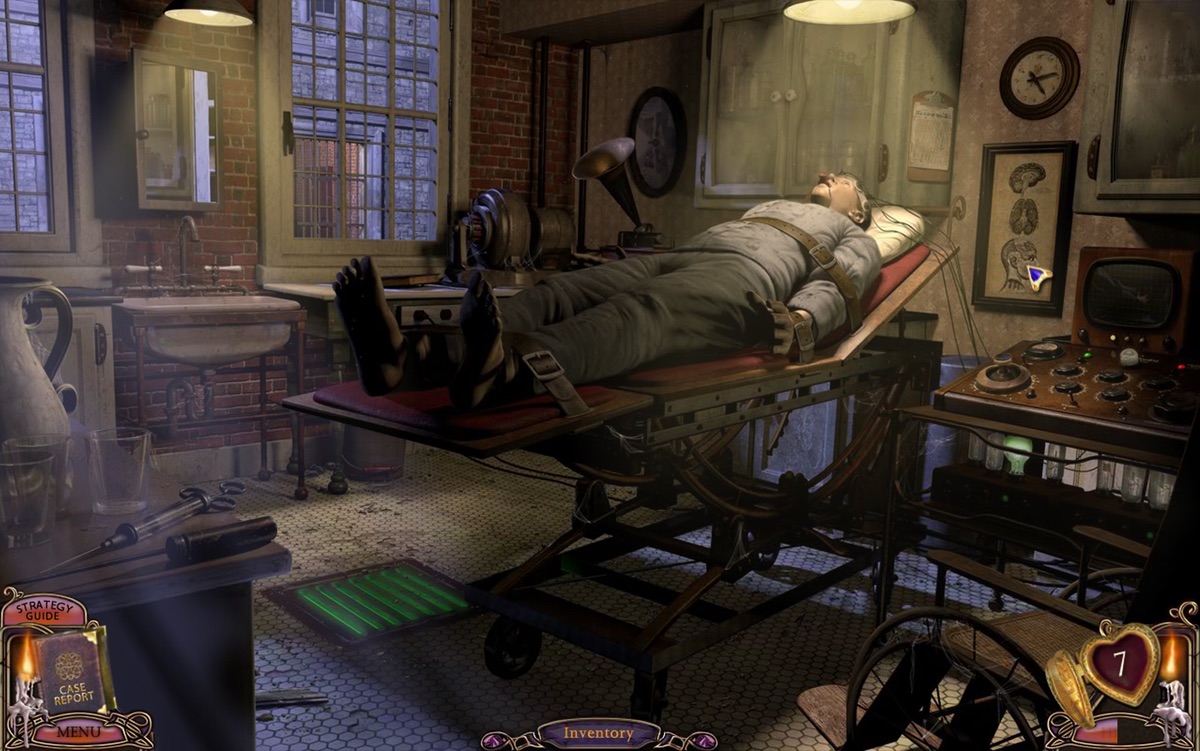
From the crossroads chamber the agent moves into different parts of the world. Dalimar has created golden doors that force the agent to relive his life — from maternity ward to childhood home to an asylum. His interpretation of his own past is chilling. In a way, he is explaining the roots of his madness to the agent.
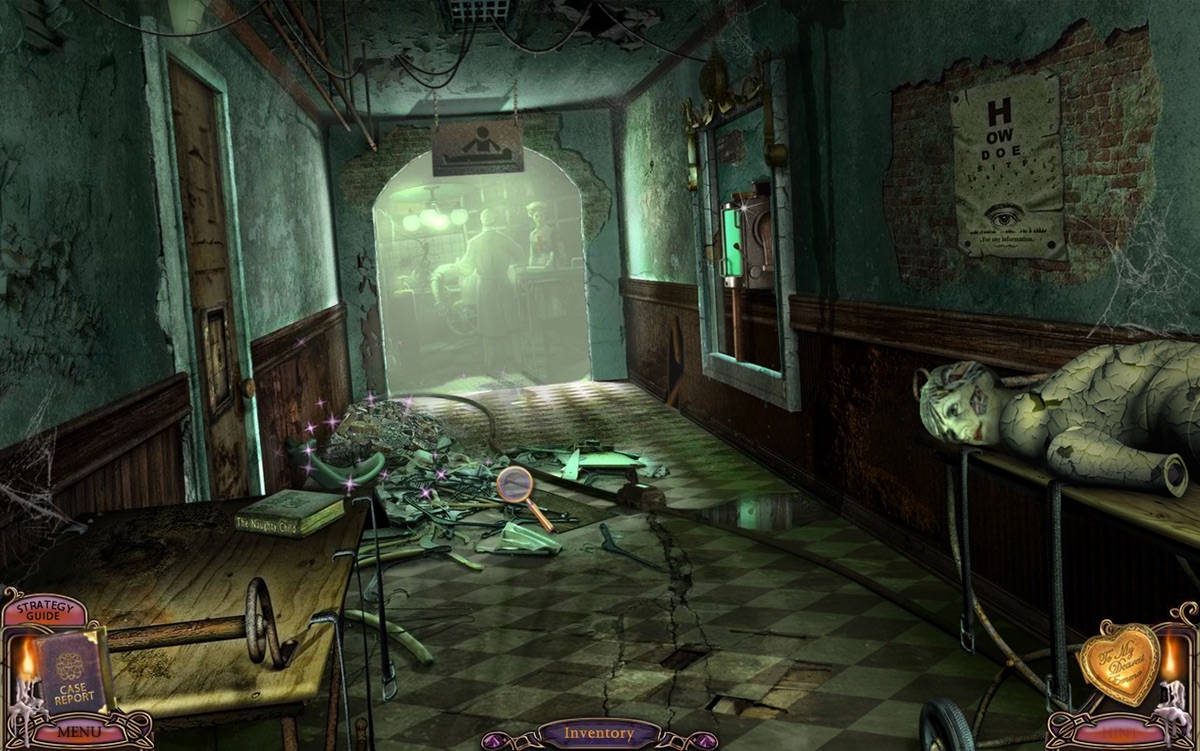
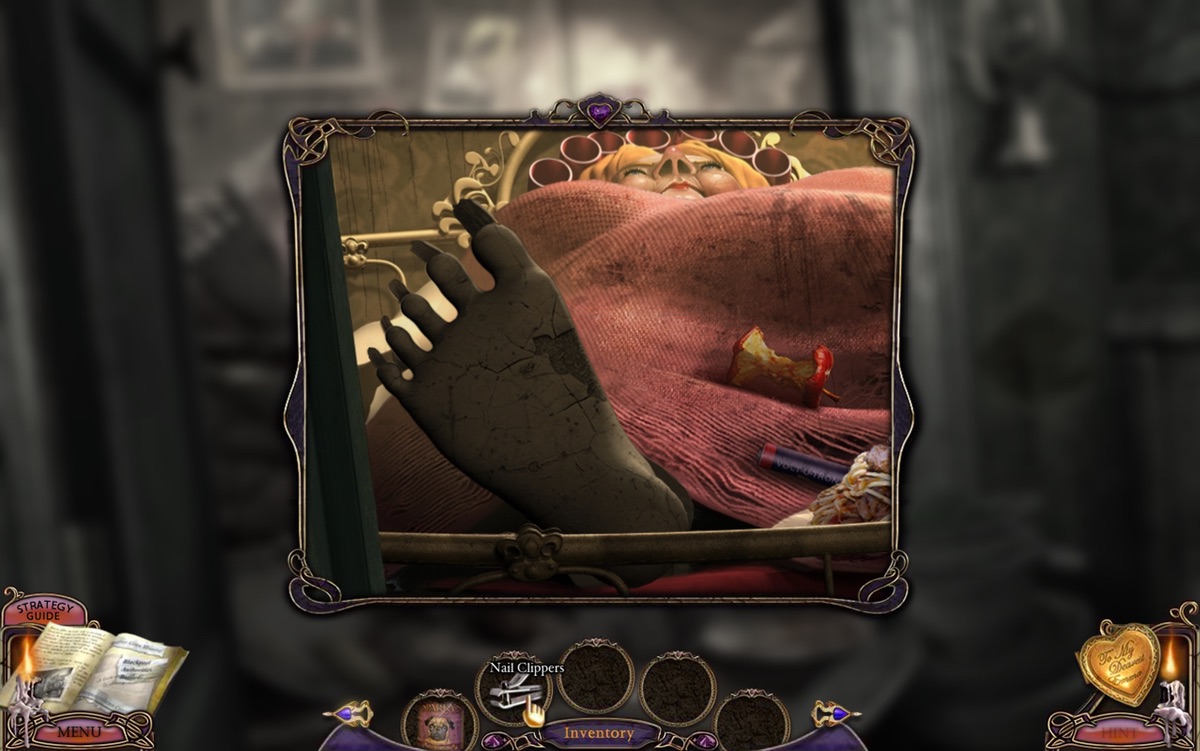
The agent wanders through an abandoned world where mechanical figures stand in for human beings. They are ugly, and everything is marked by rot, filth, clutter and neglect. Compared with earlier entries, the higher resolution is an asset: detail is clearer, and the fogginess is largely gone.
The audio is equally strong. The music did not play a major role in my experience, but the sound effects and ambience supported the visuals and built a compelling atmosphere. I felt immersed in Dalimar’s creation. The four ghosts, Dalimar himself and Viktor, his son, are portrayed by live actors. Dalimar’s actor, in particular, excels at deranged menace.
I found the agent astonishingly brave for continuing, even after realising she had become Dalimar’s obsession. As a player, one’s attitude is naturally ambivalent — I wanted to see everything through, despite the discomfort. The series implies that the agent is a woman, but I know this assumption is broken in a later instalment, something players apparently did not appreciate.
Puzzles of many kinds
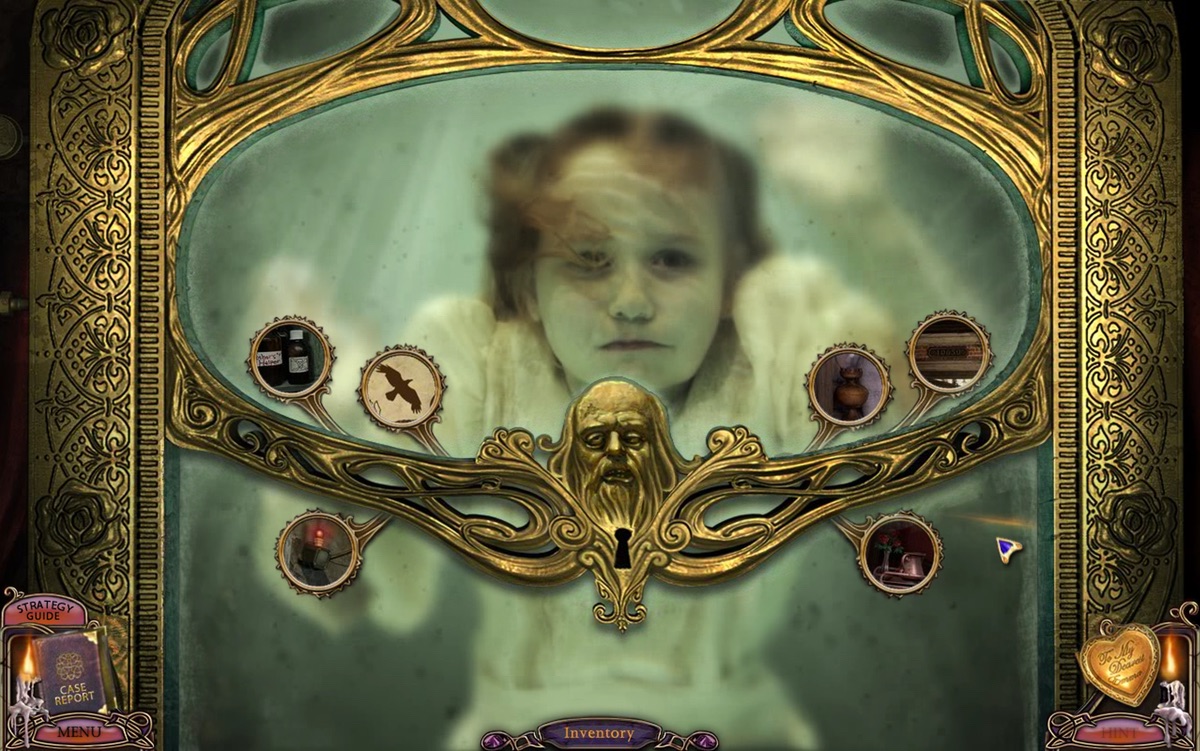
Escape from Ravenhurst introduces a completely new type of search task. The golden doors in the underground crossroads have a double lock — or rather, a seven-stage lock. First, the door is opened using a golden key, which is a concrete inventory item. Then six image tiles emerge, each depicting a detail somewhere in the world. When the player identifies the correct location and overlays the tile on that spot, the tile “activates”. Some solutions are straightforward; others include a puzzle layer. Once activated, the tiles are returned to the door to unlock it fully. This mechanic makes excellent use of the game’s visual detail and encourages the player to study environments more closely.
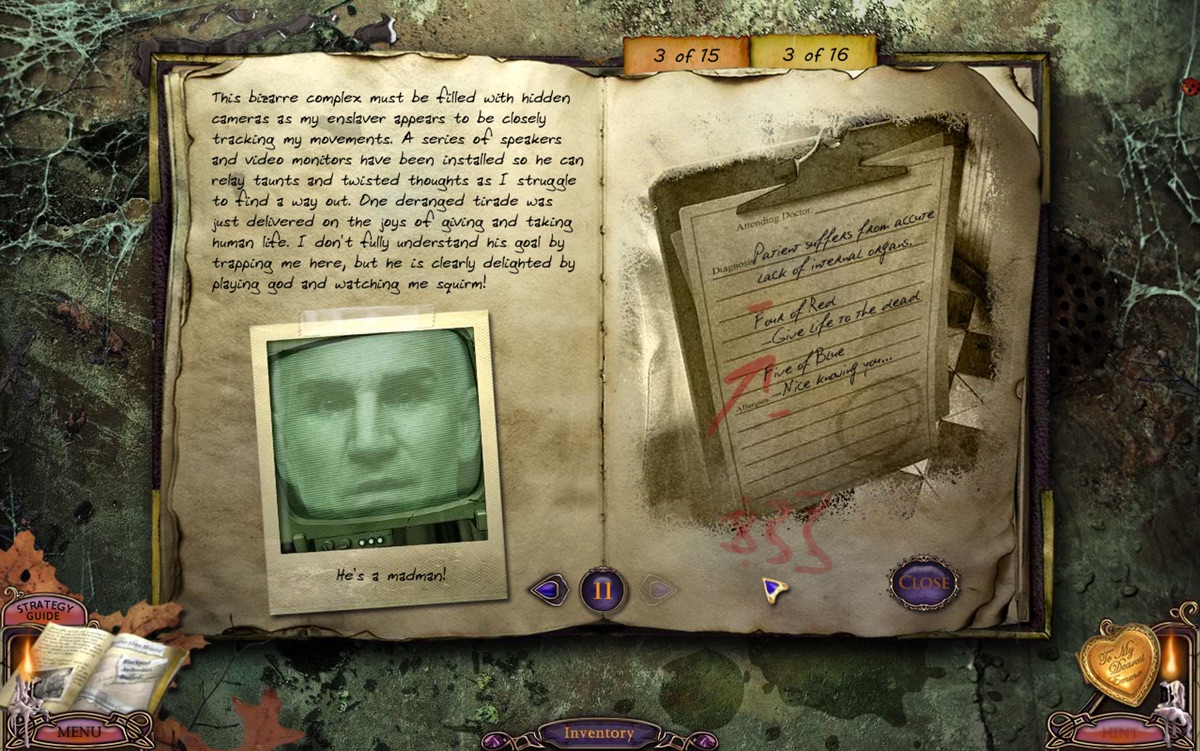
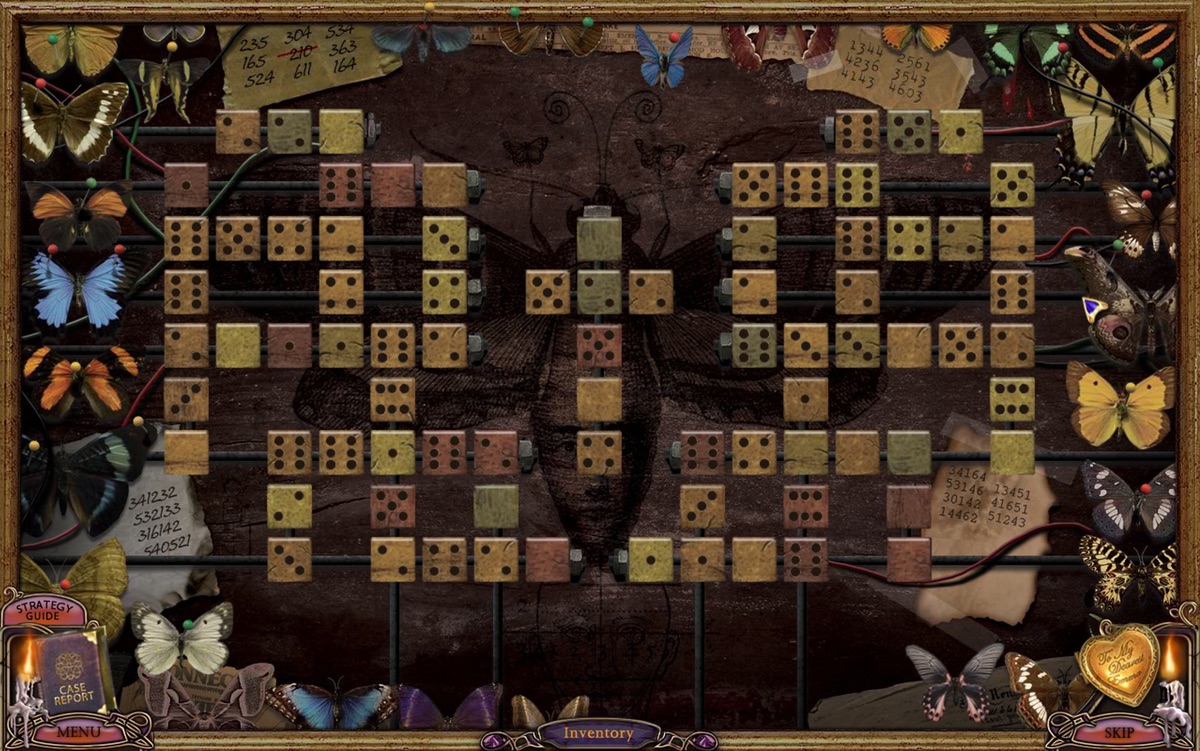
The minigames — of which Escape from Ravenhurst has plenty — were challenging. Many revolve around numbers and require calculation, deduction or memory. One even returned to a classic word-list search, which I considered a pleasant surprise because of its distinctive visual style. Some minigames have solutions that are randomly generated, meaning walkthroughs are not always applicable. They can be skipped if they feel impossible or tedious.
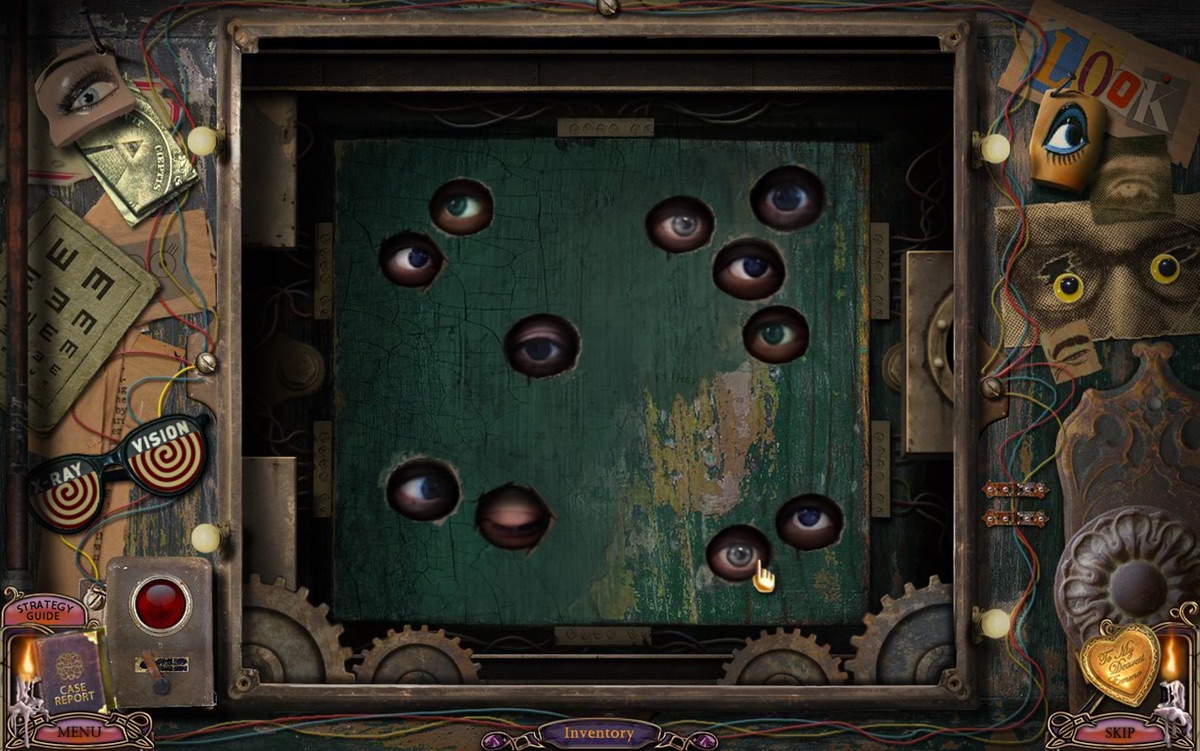
I do not recall ever playing minigames quite like these. As with earlier instalments, later hidden object titles likely borrowed ideas from Escape from Ravenhurst. The minigames are visually striking and carry the same twisted atmosphere as the world itself, reflecting Dalimar’s mind.
Verdict
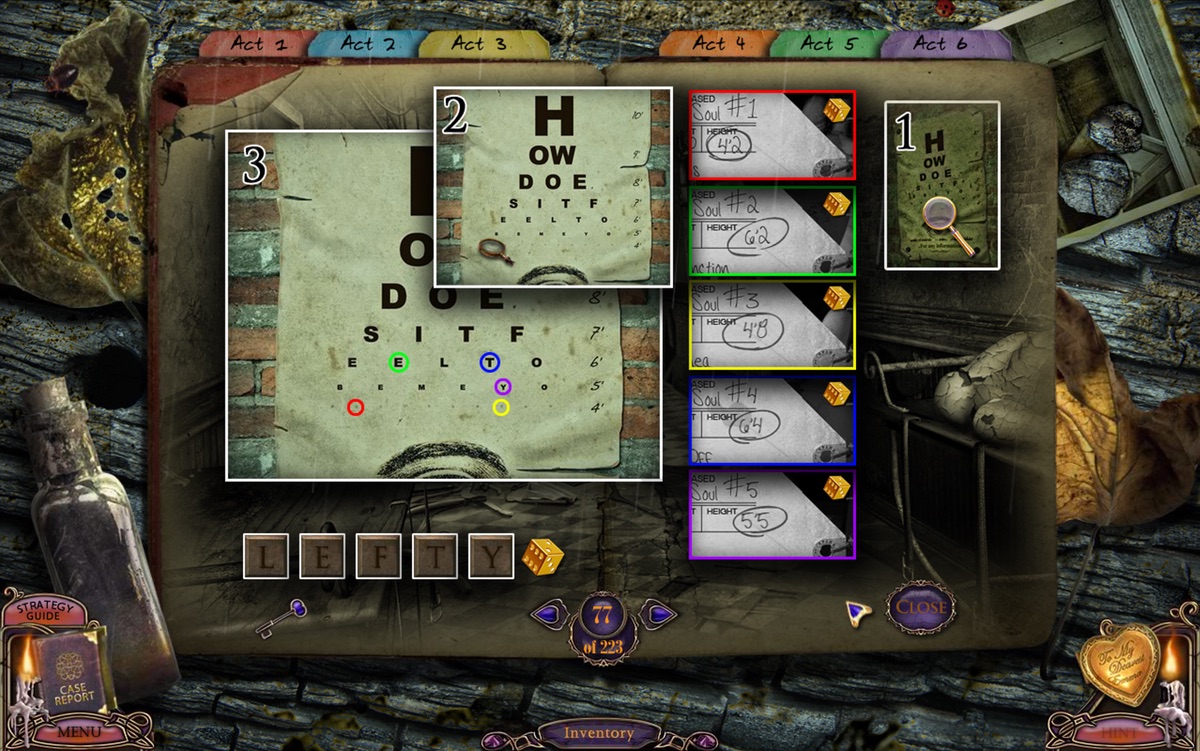
The playthrough took me seven hours — not too long, not too short. I played the Collector’s Edition, though a standard version without the strategy guide also exists. The guide includes a fully illustrated walkthrough. In the hardest puzzles I even found interpreting the guide challenging, which I attribute to myself rather than the designers. External note-taking proved essential, including screenshots. Some number codes and mechanical sequences were simply too long or complex to memorise.
All in all, I am tempted to call Escape from Ravenhurst close to brilliant. I am surprised by that reaction, but Dalimar’s warped creativity clearly resonated with me. The puzzles were genuine puzzles and felt unique. Most importantly, even the inventory usage displayed moments of creativity — despite the usual crowbars, screwdrivers, picks, cutters and endless keys.
My final score is 74 points out of 100, plus an extra half-point in spirit.
Availability
Mystery Case Files: Escape from Ravenhurst is available for Windows, macOS and iOS.