
The Three Stooges (1987)
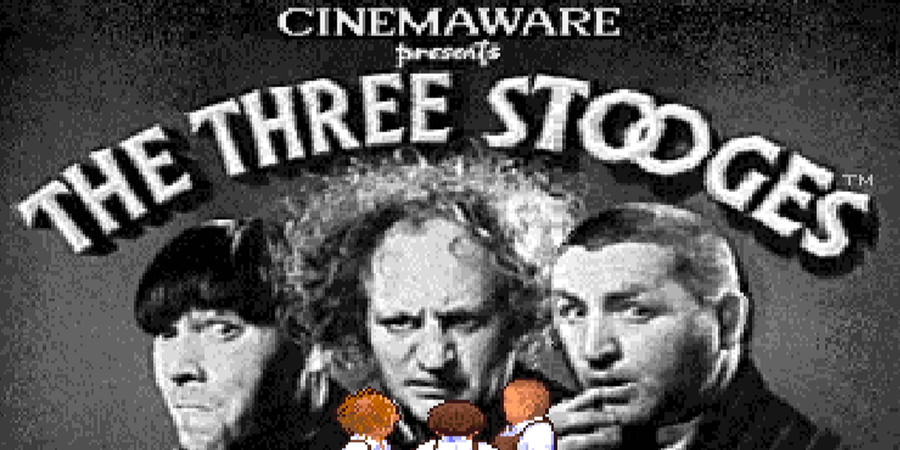
Cinemaware's fifth Amiga release, The Three Stooges, arrived in 1987 and was based on the antics of the American comedy trio. The short film series of the same name ran from 1922 to 1970. The game features the central characters of the films – Moe, Larry and Curly – with Moe mercilessly bossing around the other two bunglers. There are board game-like elements here, combined with arcade action and a touch of simple strategy. In practice, the game is built around five different minigames. The Three Stooges captures the spirit of the films remarkably well, but it is also repetitive and highly mechanical. I knew the game from my Amiga years in the 1990s, and it was interesting to return to it some thirty years later.
Defender of the Crown (1986)
I dug out the legendary Amiga game Defender of the Crown, in which the player seeks to conquer Britain in the early Middle Ages. It was the first release from the renowned Cinemaware, and it occupies a special place in Amiga history as a showcase for the computer’s groundbreaking multimedia capabilities. Audiences accustomed to 8-bit machines were astonished by such impressive graphics in the mid-1980s. The music was equally novel, based on samples and making use of four-channel sound. Defender of the Crown, like Cinemaware’s other productions, was guided by the idea of interactive movies. There are no video sequences, which only became common in games during the 1990s, but the concept is reflected in the scene-by-scene narrative and the game’s dramatic atmosphere. Defender of the Crown is a strategy game, although its strategic depth is fairly limited. The game relies heavily on randomness, and victory is by no means guaranteed.
The Curious Expedition (2016)
Released in September 2016 by a small German studio, The Curious Expedition has held me captive for nearly sixty hours. There is a thin line between enjoyment and compulsion, and the game is built precisely around that tension. It combines irresistible repetition with the thrill of discovery. Anthropology, archaeology, hunting and trade come together under an opportunistic spirit — and a proper explorer does not shy away from risk. Randomised events ensure frequent surprises.
This War of Mine (2014)
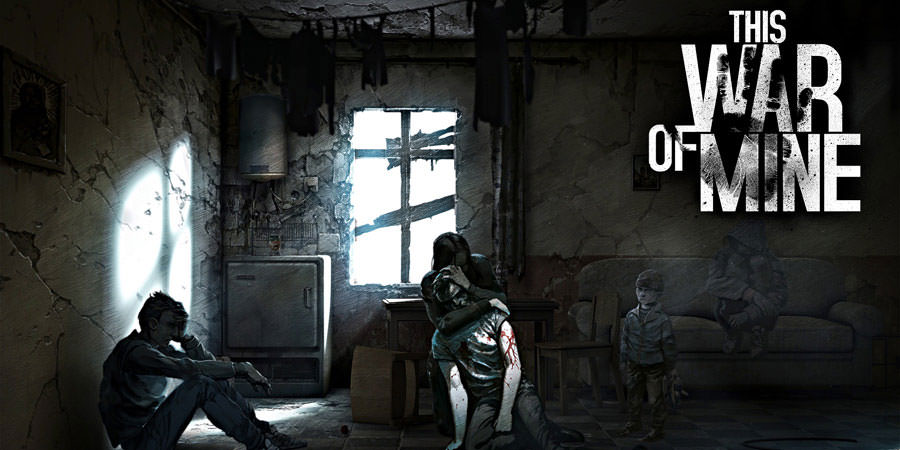
This game hardly needs an introduction or a recommendation from me, but in the name of certain honesty I still want to highlight it here. I’ve spent almost 40 hours with it, twelve of which just recently. Released in 2014, This War of Mine has been praised and awarded generously, and I can only confirm that it is both highly addictive and deeply moving. In the summer of 2016 the expansion The Little Ones arrived. The idea of children in the middle of war already broke my heart in advance, and I almost avoided installing it.
Shadowrun: Hong Kong (2015)
The third standalone entry in the Shadowrun Returns role-playing series arrived in late August 2015. It continues the legacy of the previous instalments with confidence. The story, setting and characters are all new, and there are new elements in character progression, yet the broader game structure and strategic depth remain recognisable. Shadowrun Hong Kong is a top-tier indie title — if one can still call it that; it is polished, mature and extensive.
7 Grand Steps: What Ancients Begat (2013)
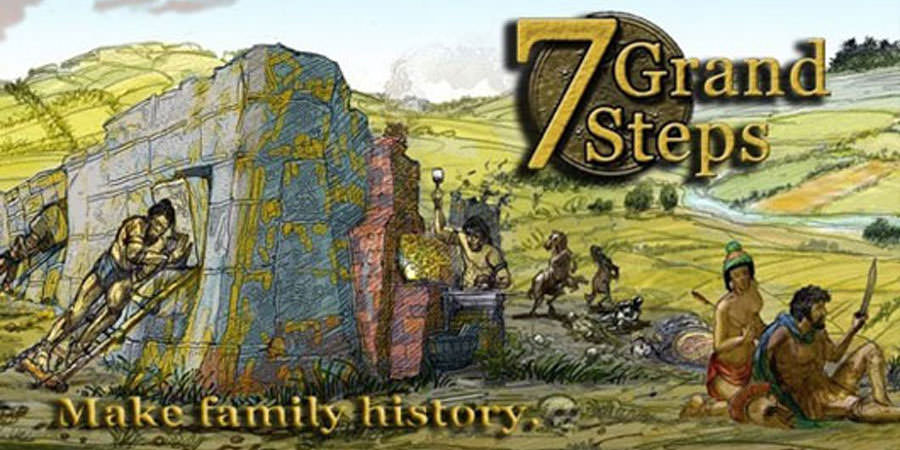
Diverging from the usual focus of this blog, 7GS: What Ancients Begat is not an adventure game. It is a historical simulation that resembles both a board game and a coin-operated machine. The goal is to ensure that one’s bloodline prospers across the ages. The experience was strange, addictive and mechanical at the same time. I was suffering from (probably temporary) adventure-game fatigue, but this title hit the vein of a game addict.
Neuromancer (1988)
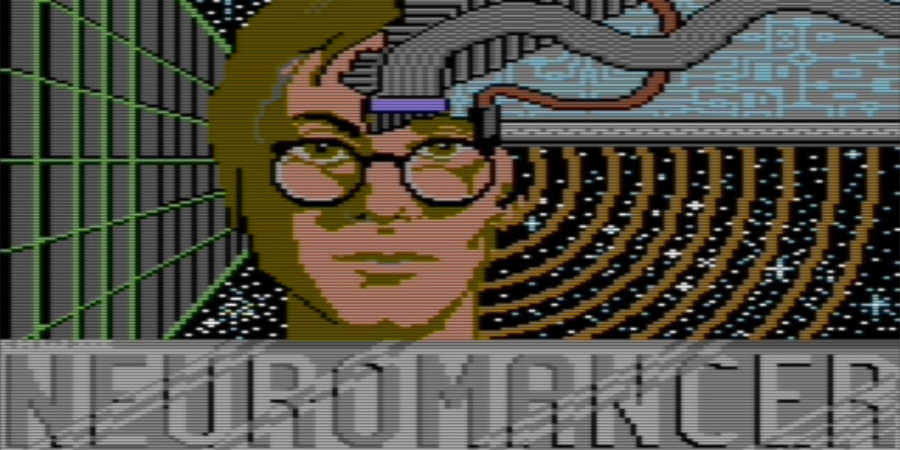
Neuromancer is an adventure game with strategic and action elements, released in 1988 and based on William Gibson’s cyberpunk novel of the same name. It is a remarkably sophisticated and multilayered work, and not merely as a product of its time. I played the Commodore 64 version through the VICE emulator.