
Batman (1986)
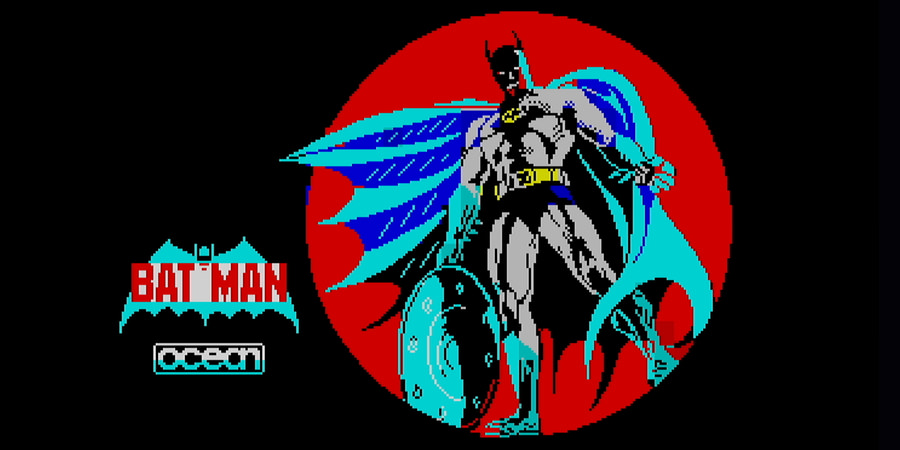
I recently bought Retro Games' The Spectrum console. I had previously played Spectrum games using a Windows emulator and become fascinated by their unintentional artistry. By artistry, I mean the colour clash and the distinctive style that emerges from simplicity. There is something childlike and charming about this aesthetic, and the game I am presenting this time, Ocean Software's Batman from 1986, is a perfect example of it. It is an isometric action-adventure featuring a vast world spanning 150 screens, a wide variety of enemies, and puzzle mechanics based on stacking and moving "boxes". The Batcave also extends across multiple vertical levels, creating a platforming challenge that demands precise timing and pixel-perfect control. For modern players, it can be a real test of patience. Batman is a true Spectrum classic, packed with pioneering ideas.TEST1
Dark City: Vienna (2019)
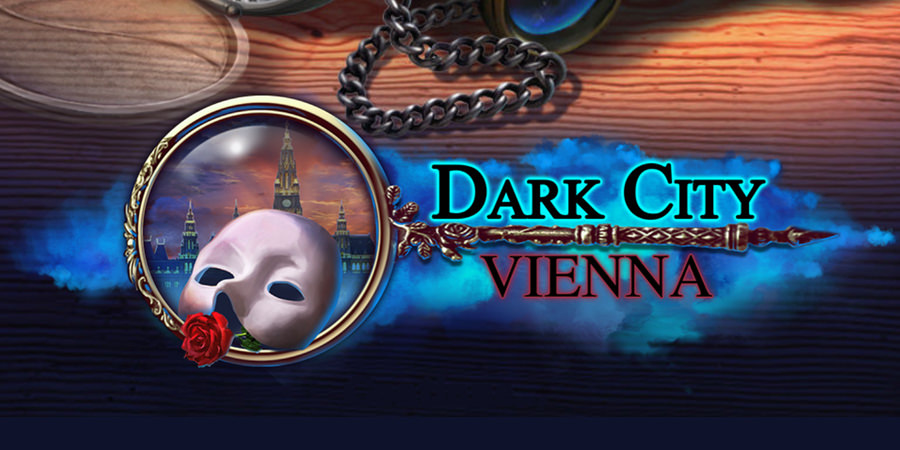
I continued with the Dark City hidden-object game series by playing its third instalment, Dark City: Vienna, released in 2019. The Vienna Opera House has gained a ghost of its own, one that leaves threatening messages and its fiery emblem wherever it goes. The ghost clearly seems to have a serious grudge. Our detective is called in to investigate the case, which ultimately leads to the dark secrets of a toxic workplace. The premise is intriguing, but the story has its gaps. In terms of both audiovisual presentation and gameplay, the third entry is very similar to the first two games in the series.
Dark City: Munich (2018)
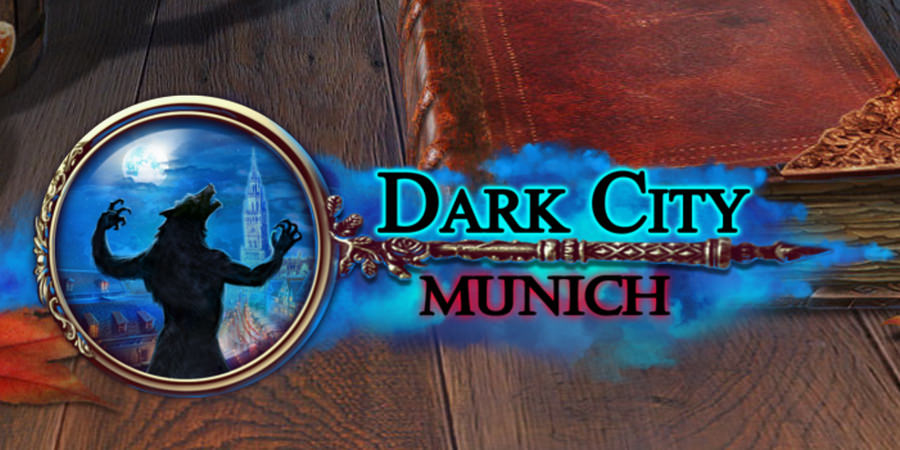
I played the second instalment of the Dark City series immediately after finishing the first one. The Munich-set sequel was released at the end of 2018 and centres on the hunt for a werewolf during Oktoberfest. The similarities to the first game are obvious. However, the case itself is new and distinct, and it actually takes an unexpected turn when our otherwise realistic detective witnesses something unbelievable. Compared to the more grounded drama of the first game, this pushes the series much further towards fantasy. The storytelling is also more experimental, and the villain is more convincing. In terms of gameplay, the foundations remain the same, the graphics feel cut from the same cloth, and the soundtrack is so similar that I even wondered whether parts of it had been recycled. Nevertheless, the differences were enough to make the sequel well worth playing.
Dark City: London (2017)
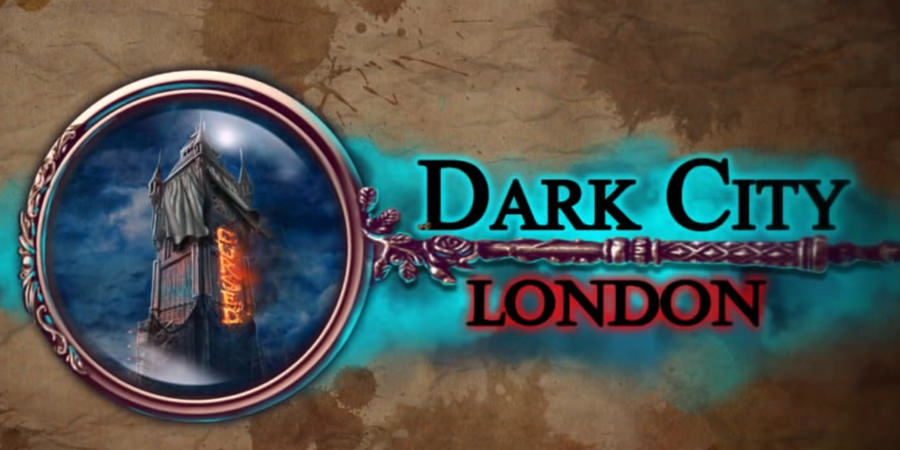
I returned to hidden object adventures with the Dark City series, which visits famous cities while drawing on local history and legends. Dark City: London, released in 2017, is the first instalment in the series. It is a promising beginning visually, atmospherically and mechanically, but its detective story painfully leaves some important questions unanswered. The game represents an early form of modern HOPA design (Hidden Object Puzzle Adventure), combining an adventure-game style narrative and inventory-based progression with hidden object scenes and mini-games. Compared to newer entries, it is fairly straightforward and contains less content.
The Three Stooges (1987)
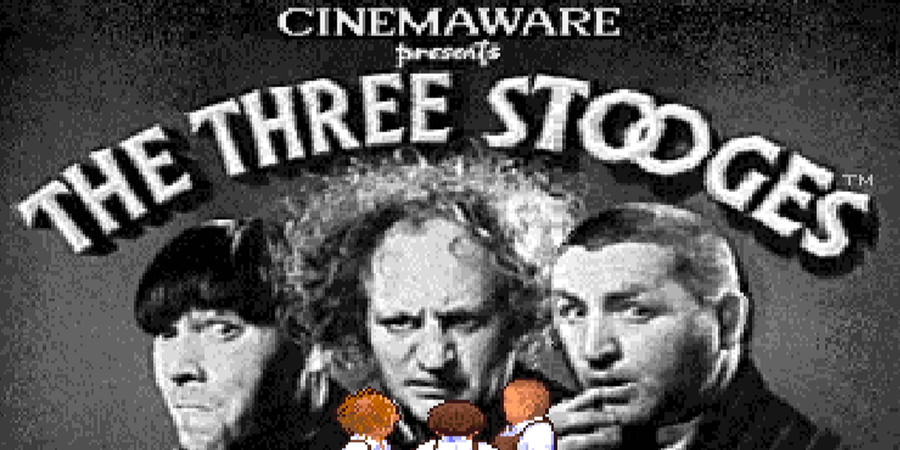
Cinemaware's fifth Amiga release, The Three Stooges, arrived in 1987 and was based on the antics of the American comedy trio. The short film series of the same name ran from 1922 to 1970. The game features the central characters of the films – Moe, Larry and Curly – with Moe mercilessly bossing around the other two bunglers. There are board game-like elements here, combined with arcade action and a touch of simple strategy. In practice, the game is built around five different minigames. The Three Stooges captures the spirit of the films remarkably well, but it is also repetitive and highly mechanical. I knew the game from my Amiga years in the 1990s, and it was interesting to return to it some thirty years later.
Defender of the Crown (1986)
I dug out the legendary Amiga game Defender of the Crown, in which the player seeks to conquer Britain in the early Middle Ages. It was the first release from the renowned Cinemaware, and it occupies a special place in Amiga history as a showcase for the computer’s groundbreaking multimedia capabilities. Audiences accustomed to 8-bit machines were astonished by such impressive graphics in the mid-1980s. The music was equally novel, based on samples and making use of four-channel sound. Defender of the Crown, like Cinemaware’s other productions, was guided by the idea of interactive movies. There are no video sequences, which only became common in games during the 1990s, but the concept is reflected in the scene-by-scene narrative and the game’s dramatic atmosphere. Defender of the Crown is a strategy game, although its strategic depth is fairly limited. The game relies heavily on randomness, and victory is by no means guaranteed.
Darkmere: The Nightmare's Begun (1994)
Darkmere is an interesting Amiga game that somehow feels both ahead of its time and already outdated. Although it was released in 1994, it resembles the experimental hybrid games of the late 1980s more than the direction PC gaming was moving towards in the mid-1990s. It combines adventure, action and dungeon-crawling role-playing elements inside a large isometric world, and its ambitions are obvious throughout. At the same time, 3D action adventures on PC were already beginning to leave games like this behind. In that sense, Darkmere almost feels as though it arrived too late. The game was entirely new to me, as I never encountered it during my own Amiga years in the 1990s. Playing it today was both fascinating and impressive, though also undeniably clumsy at times.
Roguecraft DX (2026)
In early February 2026, a deluxe version of the Amiga game Roguecraft was released, roughly a year and a half after the original. Roguecraft is a retro-inspired, accessible and smooth dungeon role-playing game focused on fighting monsters and collecting gold. The game’s graphics and soundscape made a strong impression on me — even more so in the DX version than in the original release. I am pleased to have new commercial-quality software to play on my A500 Mini. In this blog post I discuss both versions, as they are largely similar, while the improvements introduced in DX will naturally become clear.
Deja Vu Collector's Edition (2020)
While browsing the Adventure Games category on Big Fish Games, I came across a hidden-object adventure that looked somewhat different from the usual mainstream fare — Deja Vu. First I noticed the retro-realistic visual style, and then the promise of a journey through the remnants of the former Soviet Union. On Steam, the game’s description is downright confrontational: the mainstream hidden-object scene is dragged through the mud while promising a “different” experience. In practice, the gameplay does not deviate from the usual formula — the familiar hidden-object and puzzle sequences are embedded within an adventure-style narrative and inventory tasks. Yet the setting carves out its own thematic space: places frozen somewhere in the 1980s, unfashionable people, and systemic corruption. I couldn’t help thinking of Adam Wolfe, another atypical hidden-object title I have reviewed earlier on Samooja. Deja Vu does not reach the same level, but it remains a curious title worth a look.
The Forest Quartet (2022)
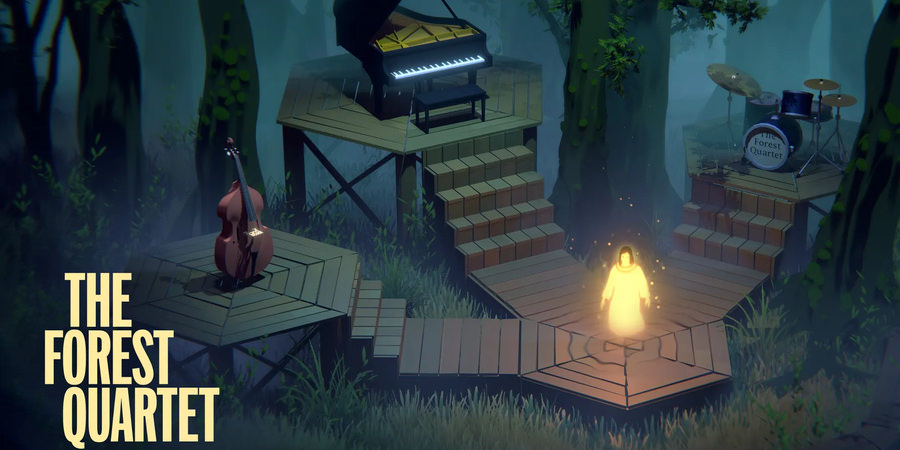
In the spirit of All Saints’ Day, I played the Danish indie title The Forest Quartet. The player controls the ghost of Nina, a deceased singer and saxophonist. After her death, her former bandmates struggle with mental health issues and a lack of creative drive. Nina must bring strength, light, and cooling to their lives so the memorial concert can take place. She appears as an ethereal human figure who can also transform into a swarm of butterflies. The Forest Quartet received the Independent Games Festival award for Excellence in Audio in 2023. It is a short and seemingly modest game, yet one that has been appreciated. I found it had potential and hope that its creator, Mads Vadsholt, continues creating puzzle-adventure games in the future.