
Deja Vu Collector's Edition (2020)
While browsing the Adventure Games category on Big Fish Games, I came across a hidden-object adventure that looked somewhat different from the usual mainstream fare — Deja Vu. First I noticed the retro-realistic visual style, and then the promise of a journey through the remnants of the former Soviet Union. On Steam, the game’s description is downright confrontational: the mainstream hidden-object scene is dragged through the mud while promising a “different” experience. In practice, the gameplay does not deviate from the usual formula — the familiar hidden-object and puzzle sequences are embedded within an adventure-style narrative and inventory tasks. Yet the setting carves out its own thematic space: places frozen somewhere in the 1980s, unfashionable people, and systemic corruption. I couldn’t help thinking of Adam Wolfe, another atypical hidden-object title I have reviewed earlier on Samooja. Deja Vu does not reach the same level, but it remains a curious title worth a look.
Deja Vu is developed by a small, most likely Ukrainian studio, AlikArt, in collaboration with Smart Gamma. I couldn’t find much information beyond the in-game credits, other than the fact that in 2015 the same team also published another hidden-object title, The Mystery of a Lost Planet. Judging by the names listed, the developers seem to be predominantly Russian-speaking, and the game is indeed available only in English and Russian. Deja Vu does not appear political or ideological. I didn’t notice nostalgia, sentimentality, or grim realism either. It is, rather, matter-of-fact.
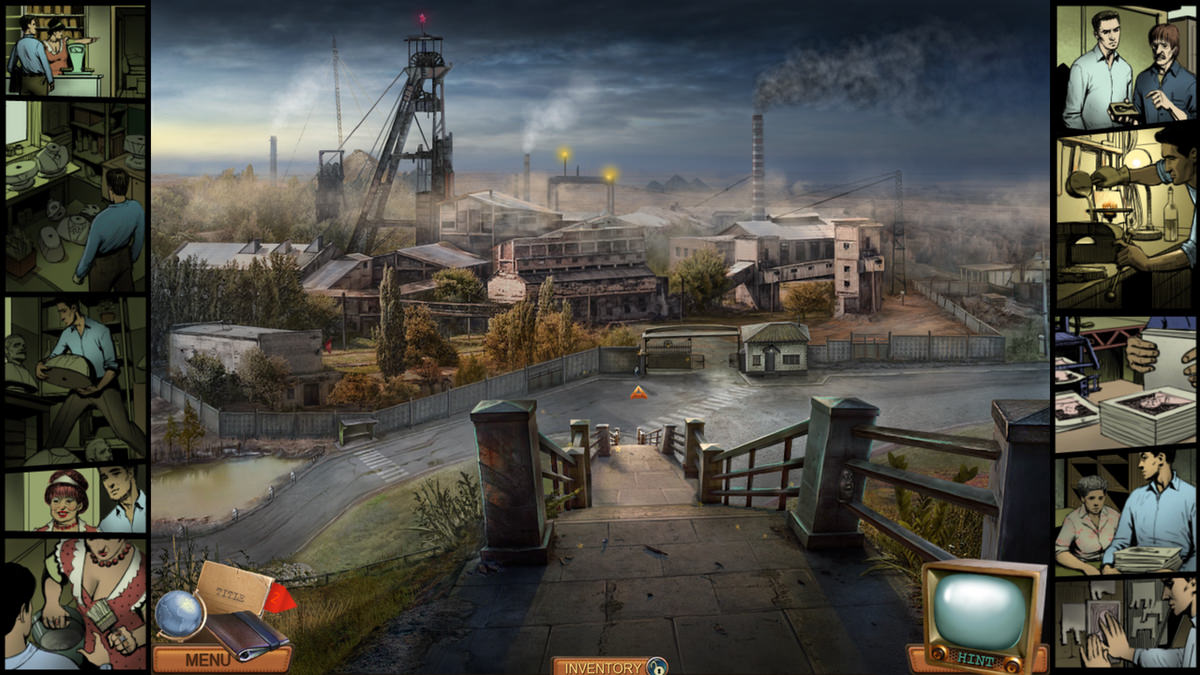
In pursuit of lovely Natasha in her run-down homeland
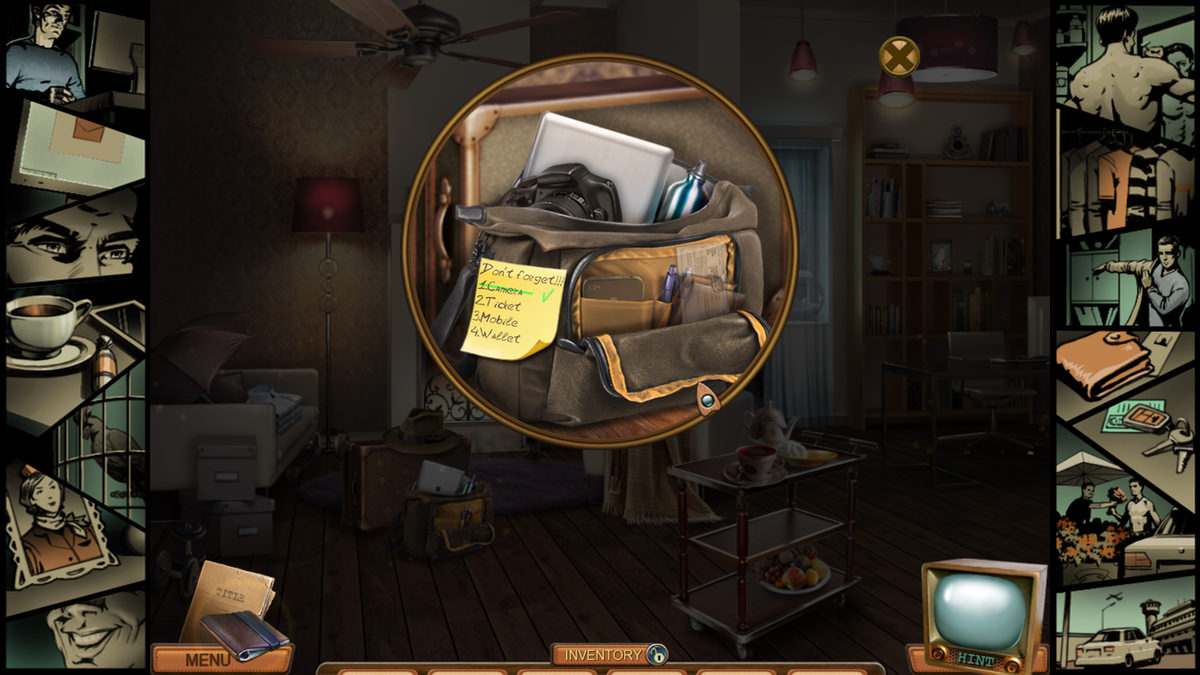
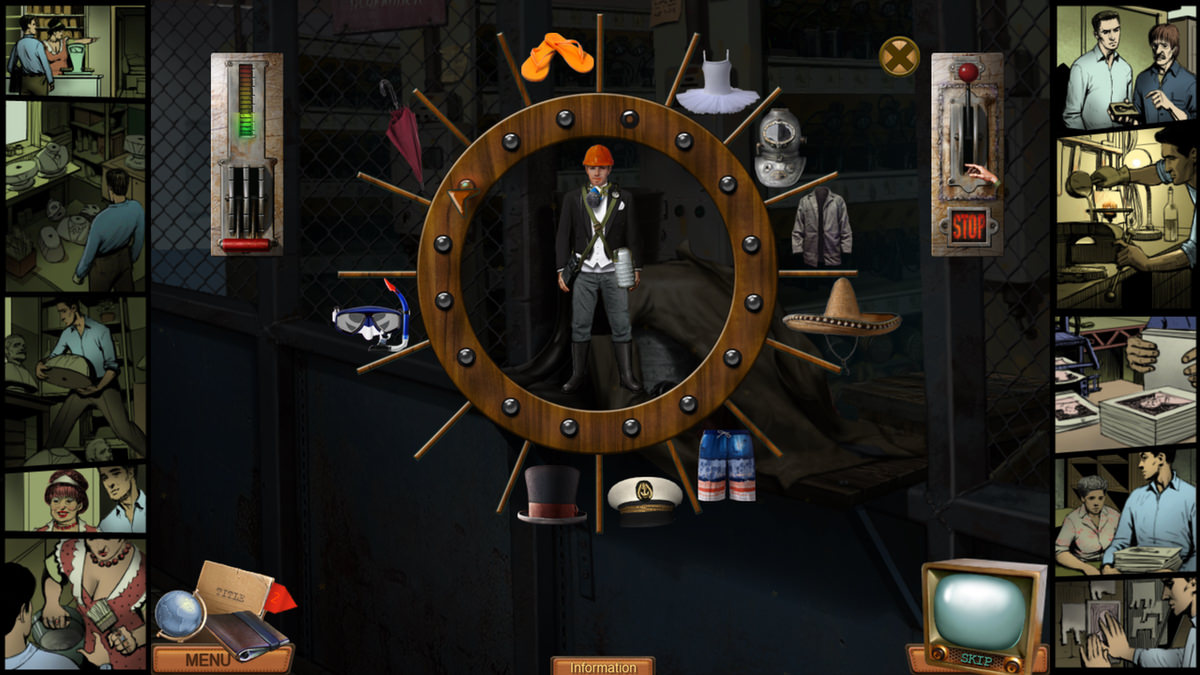
The protagonist is Alex, a model-handsome American young man. His equally model-esque girlfriend Natasha has gone missing, and Alex decides to go look for her. The trail leads to Russia, so that is where he heads. The very first task is packing the shoulder bag.
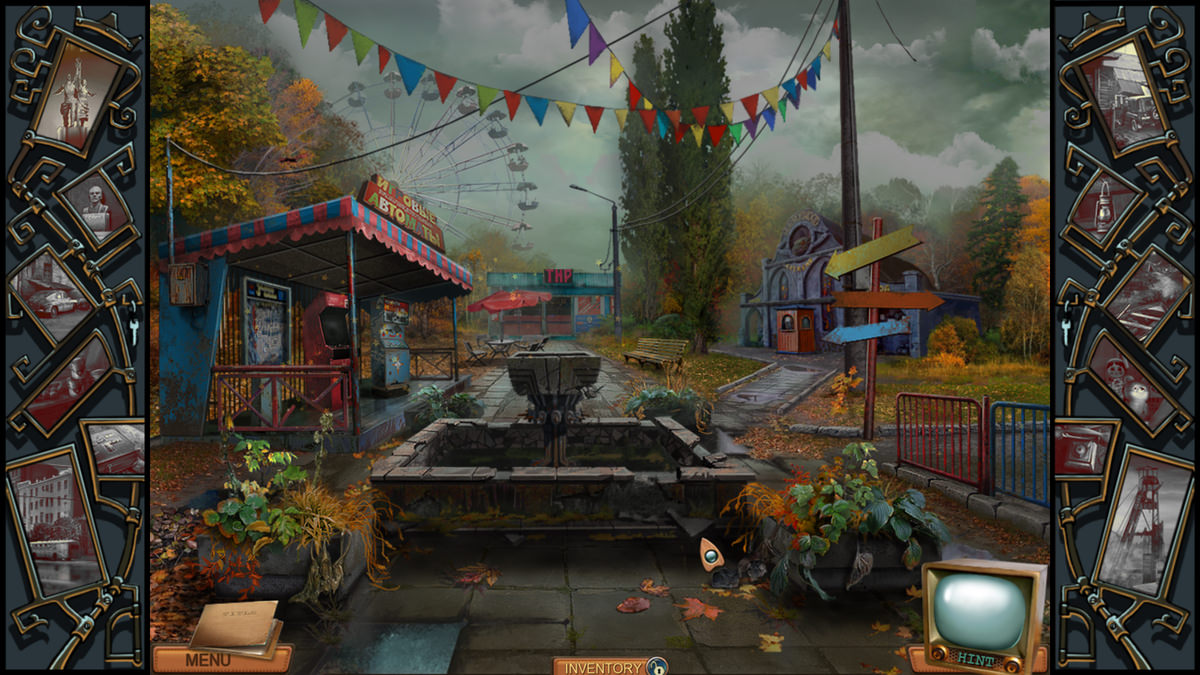
Upon arriving in a remote mining town, it feels like stepping backwards in time. Everywhere are leftovers of the Soviet era as decay, crime, vandalism, and corruption run rampant. The selection of ordinary townsfolk Alex encounters is pretty extensive: private detective, office lady, shopkeeper, janitor, taxi driver, miner. There is even a good-for-nothing cousin living in a granny cottage. Everyone sticks to both workload and break times religiously, and they toy with Alex as much as possible: fetch this, do that on their behalf, and only then might they help.
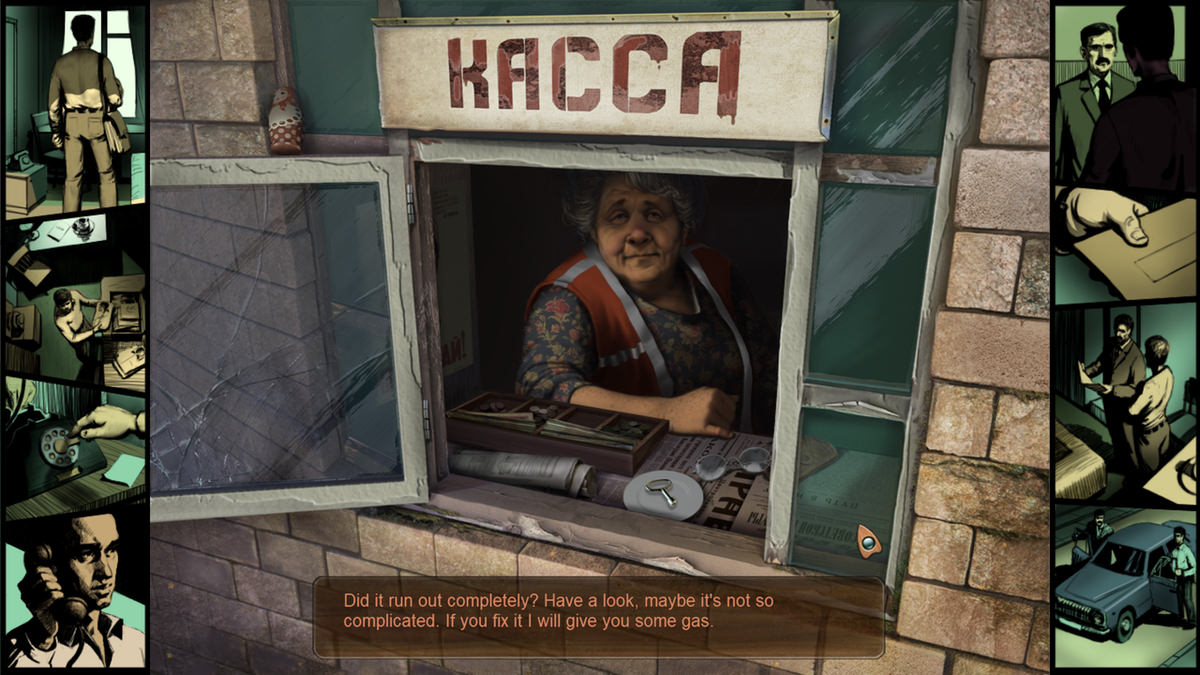
These errands blend into the story well enough, and so do the minigame puzzles and the bonus-chapter amusement-park minigames included in the Collector’s Edition. In fact, the most entertaining and distinctive part is arguably the bonus chapter’s old-fashioned, delightfully bleak coin-op and funfair games. Both Steam and Big Fish Games sell only the Collector’s Edition, even though the latter does not mention it on the product page. The CE also has collectible matryoshka dolls hidden throughout the environments.
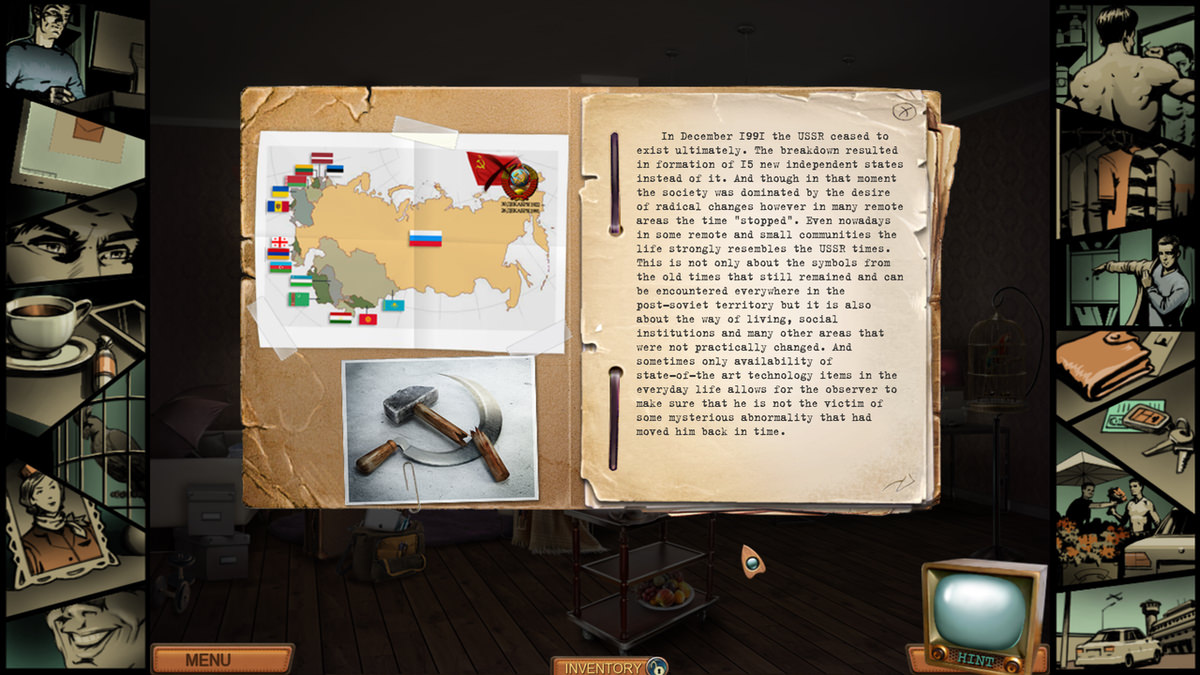
A third distinctive feature is a dossier full of text-and-image clippings introducing Soviet life and culture, and even its lingering influence in modern times. The game seems to be set in the 2010s, which is curious. I found Deja Vu informative, and I appreciate that. It feels a bit like a genuine local travel guide — instead of tourist traps, it plunges straight into the deep end of everyday life.
Easy as pie?
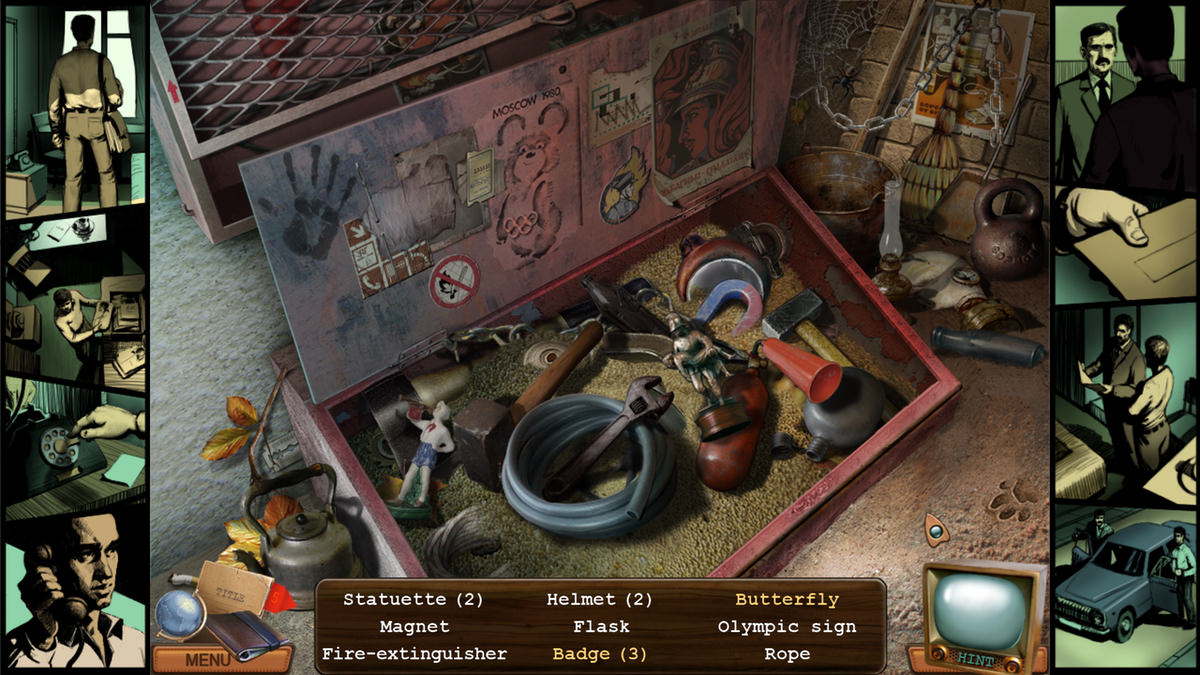
The hidden-object sequences rely on standard formats: word lists, black silhouettes, or finding similar shapes. The inventory tasks are also essentially search-based, requiring no advanced reasoning. In other words, just like hidden-object games typically do — a rather crude imitation of an adventure game. My opinion of the genre has matured, though, and I now understand that convenience and predictability are part of the core appeal. If the player is not meant to be challenged, the developers will not challenge themselves either. Deja Vu, however, varies its hidden-object scenes and minigames commendably, and integrates them into the story or at least the story world. The game is never dull.
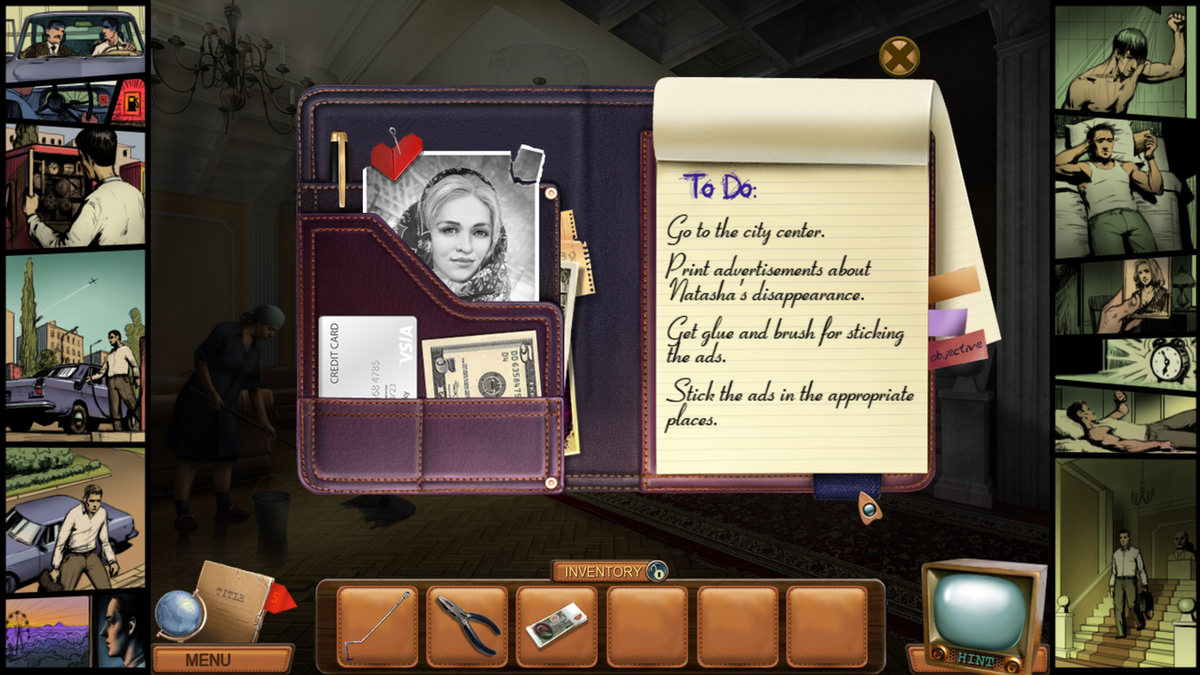
Deja Vu is not difficult. I never needed walkthroughs and didn’t have to skip a single puzzle, which I typically do in many other games. Alex has a task list showing the current objective, and hints recharge depending on the selected difficulty. Navigation is straightforward, as the game automatically transports the player between major locations. Natasha’s village is the only small maze.
My full playthrough took just under 3.5 hours including browsing the dossier. Deja Vu has two alternative endings, depending on the player’s final moral decision.
Audiovisually contemplative and melancholic
Visually, I liked Deja Vu. It follows a subdued realistic drawing style, neither embellished nor grim. Animations are minimal, to good effect. The palette is gentle and the shapes rounded. For such a short game, the number of distinct environments is high. A notable stylistic device are the comic-strip panels on both sides of the game window, showing flashbacks to earlier plot points.
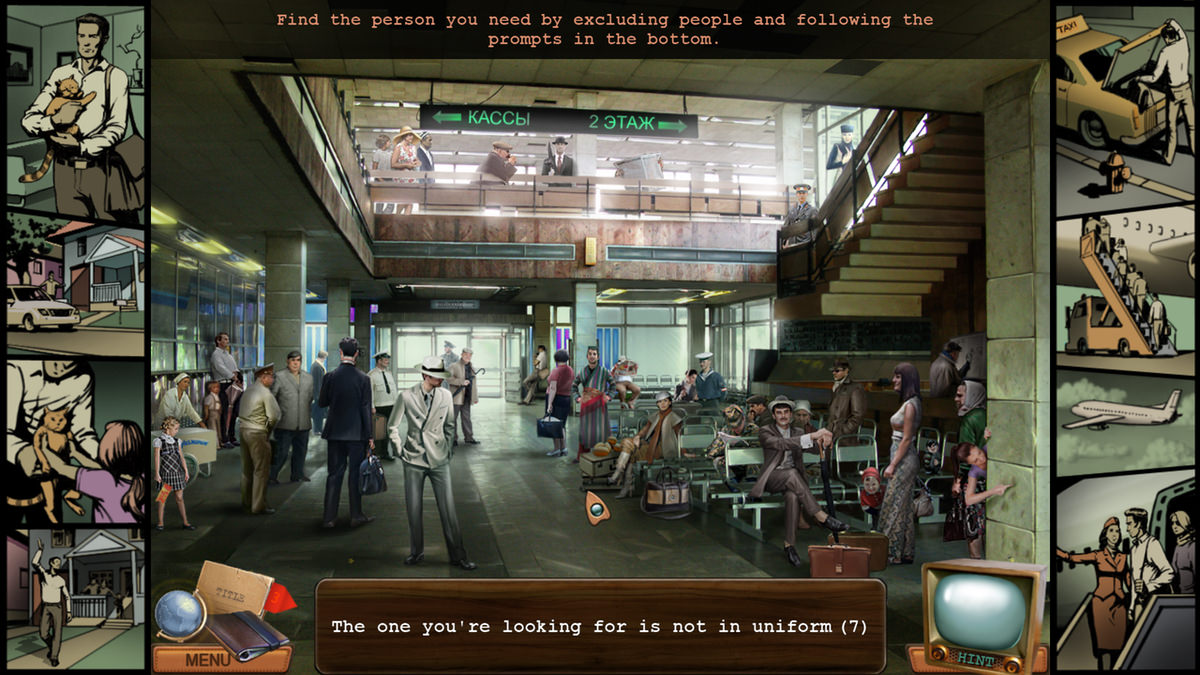
I experienced a resolution issue and had to run the game in Windows 8 compatibility mode to centre the window. After that, everything worked flawlessly. The “wide screen” option should be avoided, as it stretches the image unnaturally.
The soundtrack is calm, melancholic ambient — fitting for the overall tone. All characters are voice-acted in English, even in Russia, although Alex is said to speak Russian. No exaggerated accents.
Verdict
Deja Vu does not break the established hidden-object formula, but it places the story in a real-world backwater and offers a historical scrape into Soviet times. The graphics and variety in tasks are generous considering the short runtime. Game-wise, Deja Vu is not demanding — nor should it be. To me, it feels like a personal discovery. My overall score for the experience is 56 out of 100.
Availability
Deja Vu Collector's Edition is available for Windows, macOS, and SteamOS devices via Big Fish Games and Steam.