
Batman (1986)
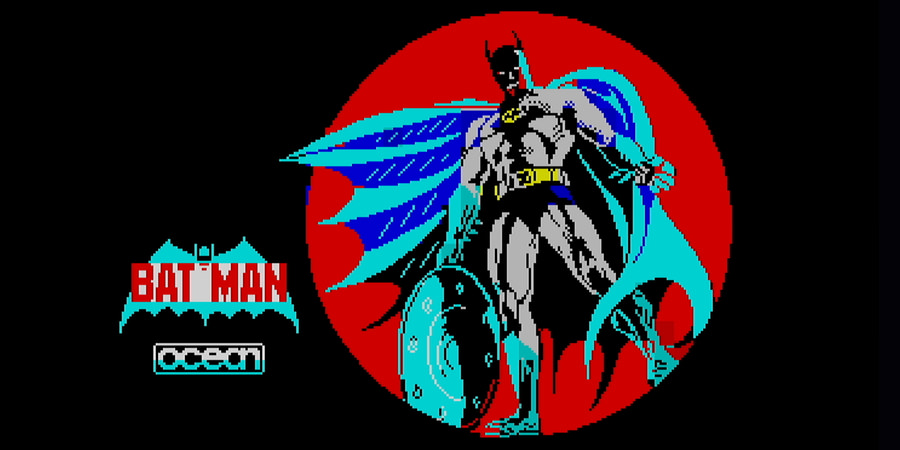
I recently bought Retro Games' The Spectrum console. I had previously played Spectrum games using a Windows emulator and become fascinated by their unintentional artistry. By artistry, I mean the colour clash and the distinctive style that emerges from simplicity. There is something childlike and charming about this aesthetic, and the game I am presenting this time, Ocean Software's Batman from 1986, is a perfect example of it. It is an isometric action-adventure featuring a vast world spanning 150 screens, a wide variety of enemies, and puzzle mechanics based on stacking and moving "boxes". The Batcave also extends across multiple vertical levels, creating a platforming challenge that demands precise timing and pixel-perfect control. For modern players, it can be a real test of patience. Batman is a true Spectrum classic, packed with pioneering ideas.TEST1
Framed Collection (2018)
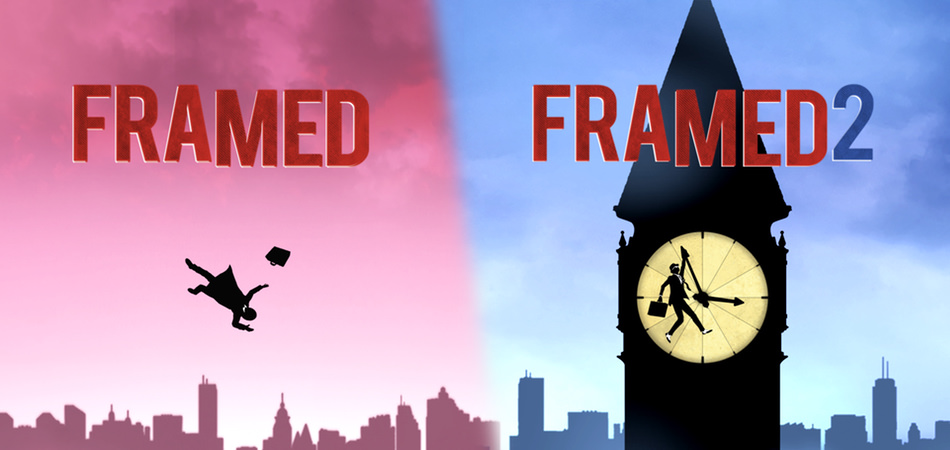
Released in 2018, Framed Collection kept me entertained for a little over four hours. The collection includes the originally touch-screen-based Framed (2014) and Framed 2 (2017). The unique mechanics and audiovisual polish of these award-winning puzzle games left an impression, yet the overall experience still felt somewhat superficial. The Framed games combine comics, animation, platforming, and puzzle design into a multi-stage chase narrative. The characters perform acrobatic feats in inventive urban and industrial settings, all set to swinging jazz. Stylistically, the games evoke 1960s crime and spy fiction.
Soulless (2012)

Soulless is a platformer released in 2012 for the Commodore 64. Modern players without an actual C64 have been taken into account. A digital download package is available that includes an emulator and a shortcut for launching the game. The emulator settings are also pre-configured. Soulless features gorgeous graphics and music, an intriguing framing narrative and solid animation. It is an excellently polished, fully finished game.
DreamBreak (2016)
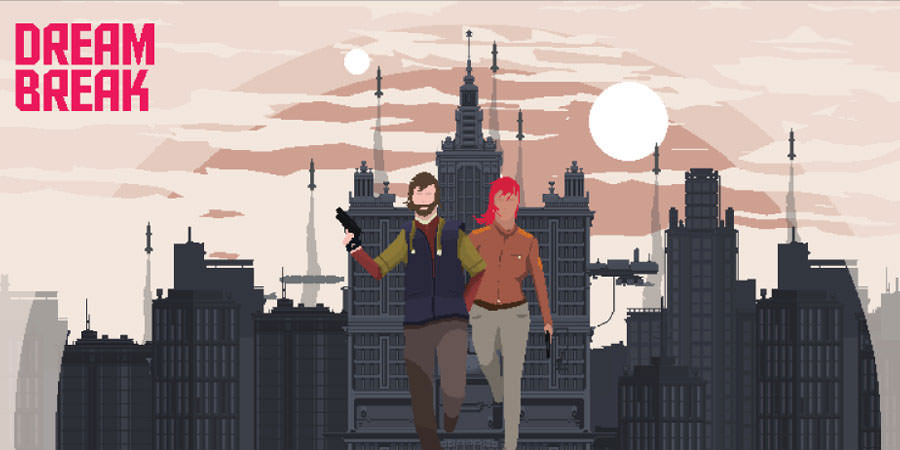
Released in late July 2016, DreamBreak is a dystopian vision of a future Soviet Union — an alternative history. It was made by a Russian game studio, and I could not help feeling tempted to read it as a reflection of the present day. The cinematic platformer Flashback, released in the early 1990s, is an obvious source of inspiration. DreamBreak has received rather mixed reviews. As a game, it feels somewhat unfinished, but bugs aside, my own experience was not bad at all.