
Dark City: Vienna (2019)

I continued with the Dark City hidden-object game series by playing its third instalment, Dark City: Vienna, released in 2019. The Vienna Opera House has gained a ghost of its own, one that leaves threatening messages and its fiery emblem wherever it goes. The ghost clearly seems to have a serious grudge. Our detective is called in to investigate the case, which ultimately leads to the dark secrets of a toxic workplace. The premise is intriguing, but the story has its gaps. In terms of both audiovisual presentation and gameplay, the third entry is very similar to the first two games in the series.
Dark City: Munich (2018)

I played the second instalment of the Dark City series immediately after finishing the first one. The Munich-set sequel was released at the end of 2018 and centres on the hunt for a werewolf during Oktoberfest. The similarities to the first game are obvious. However, the case itself is new and distinct, and it actually takes an unexpected turn when our otherwise realistic detective witnesses something unbelievable. Compared to the more grounded drama of the first game, this pushes the series much further towards fantasy. The storytelling is also more experimental, and the villain is more convincing. In terms of gameplay, the foundations remain the same, the graphics feel cut from the same cloth, and the soundtrack is so similar that I even wondered whether parts of it had been recycled. Nevertheless, the differences were enough to make the sequel well worth playing.
Dark City: London (2017)
I returned to hidden object adventures with the Dark City series, which visits famous cities while drawing on local history and legends. Dark City: London, released in 2017, is the first instalment in the series. It is a promising beginning visually, atmospherically and mechanically, but its detective story painfully leaves some important questions unanswered. The game represents an early form of modern HOPA design (Hidden Object Puzzle Adventure), combining an adventure-game style narrative and inventory-based progression with hidden object scenes and mini-games. Compared to newer entries, it is fairly straightforward and contains less content.
Leisure Suit Larry in the Land of the Lounge Lizards (1987)
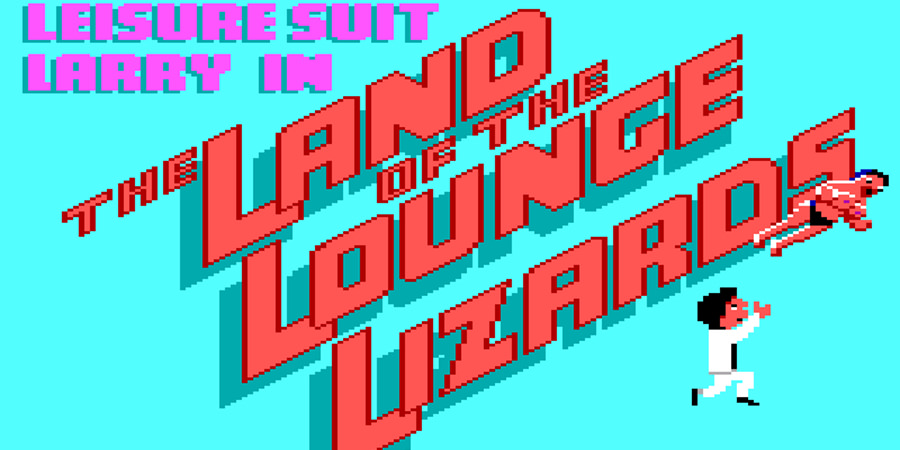
Sierra On-Line's legendary Leisure Suit Larry in the Land of the Lounge Lizards is one of the first graphic adventure games where you can move your character in real time while other commands are still written into the text parser. The game is also interesting because of its remakes. The 1991 VGA version raises the graphics and sound from archaic to ’90s level, and the 2013 version brings them to modern HD level. I played all three versions back-to-back and intended to explore the game’s background and versions on Samooja, even though practically everything has likely been said about it and its reputation is great.
Mystery Case Files: Rewind Collector's Edition (2018)
I do not know why it took me this long to discover Rewind, the seventeenth entry in the Mystery Case Files series. I have not played the series in order, but rather followed a vague sense of attraction. Perhaps the game’s visual image did not appeal to me, and the Big Fish Games description does little to explain what the game is really about. The title and the players, however, do tell the truth: this is a journey into memories. Rewind rewinds backwards in more than one sense. Mechanically, it combines elements from the first four entries in the series, from the era of pure hidden object games before adventure elements began to intrude. It also brings together characters from earlier games, with the old adversary Charles Dalimar once again looming in the background – although the central figure this time is his son Victor. Victor has meddled with the settings of a time machine and scrambled the timelines. The player’s task is to return characters torn from their own timelines back where they belong. Silly as it sounds, I enjoyed it.
Adam Wolfe Complete Edition (2016)
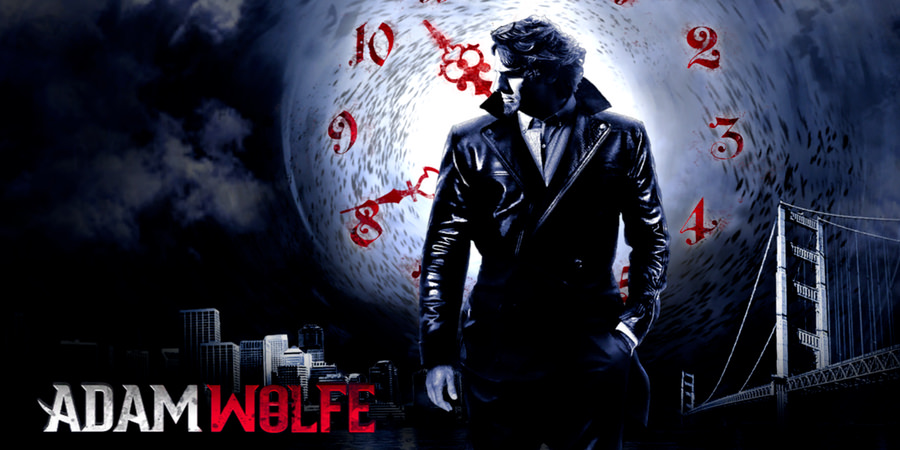
The 2016 hidden-object adventure Adam Wolfe separates itself from the mainstream of the genre in a convincing way. The title character, Adam Wolfe, is a private detective clad in a black leather jacket, specialising in paranormal cases. His attitude, however, is grounded and level-headed — not exactly sceptical, as he considers demons real enough to shoot. Adam is a striking, conflicted character, and his four-episode story is fairly complex — and far from happy. The game succeeds in welding hidden-object tasks into the storyline exceptionally well. It is both radical and mature.
Victorian Mysteries: The Yellow Room (2012)
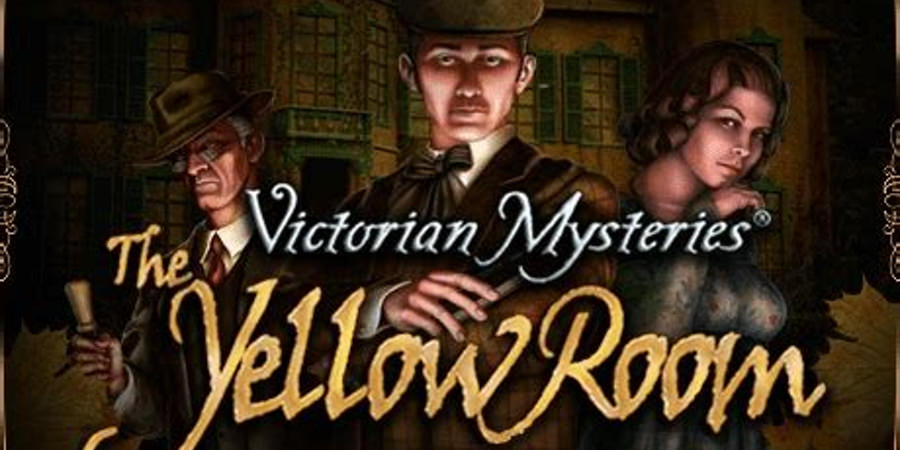
The third and final entry in the Victorian Mysteries trilogy, The Yellow Room, was released in 2012. It already resembles modern hidden object games quite closely: traditional search scenes give way to adventure-game-like inventory tasks and puzzle-oriented mini-games. The game is based on Gaston Leroux’s 1907 locked-room mystery Le mystère de la chambre jaune (The Mystery of the Yellow Room). Compared to its predecessors, The Yellow Room succeeds better at conveying the original story. The player acts as the assistant to master detective Rouletabille, Sainclair, who also serves as the narrator in the novel.
Victorian Mysteries: Woman in White (2010)
The second entry in the Victorian Mysteries game series, released in 2010, Woman in White expands the formula from pure hidden object scenes and mechanical mini-games toward a more fully fledged adventure game. The focus is now narrative, and the inventory has multiple slots. This game, too, is based on Wilkie Collins’ novel of the same name. Instead of solving a theft, the player unravels the mystery of the woman in white in all its twists. My overall experience was rather lukewarm. The Victorian setting failed to charm me, and the hidden object scenes were overly easy. Audiovisually, however, the second game is clearly more polished than the first.
The Sexy Brutale (2017)
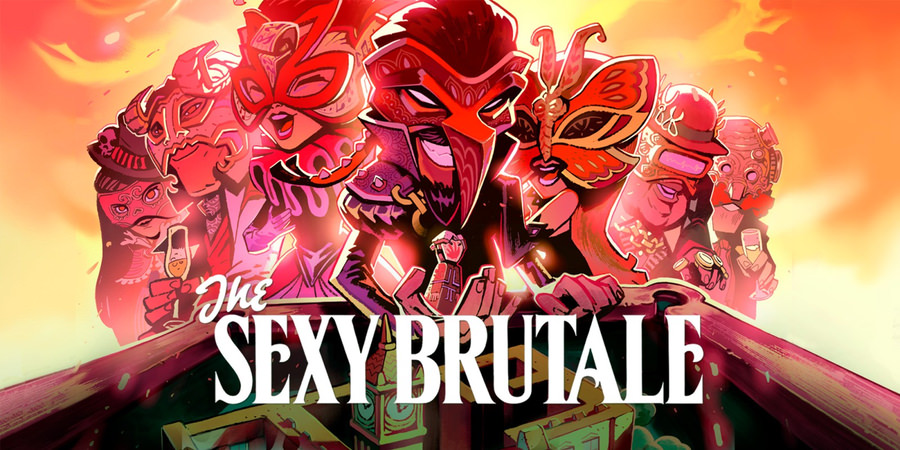
The Sexy Brutale stands out through its bold visual style and memorable soundtrack. This murder mystery set in a fantastical 1920s mansion swept me along, although not without some stumbling. The player character, priest Lafcadio, wakes into the same nightmare over and over again, always to the same Saturday when the Marquis has gathered his friends. It is up to him to discover what is really going on in the mansion and how the time loop could be broken. Although timing your actions precisely is essential, thoroughly exploring the mansion and spying on its guests and staff takes time. The game’s endearing visuals make the horror and dark occultism feel harmless, and its swinging soundtrack keeps the mood brisk.
Hero of the Kingdom III (2018)
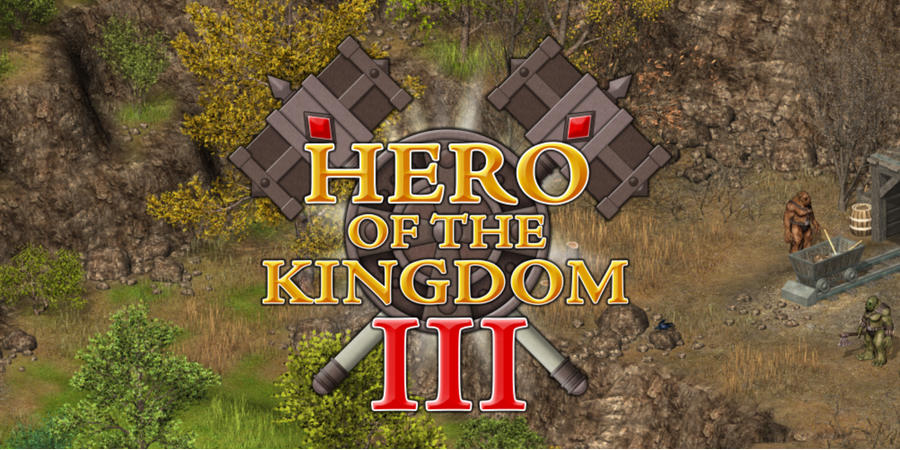
I continued along the same role-playing adventure path and played the third entry in the Hero of the Kingdom series. The RPG elements have grown notably stronger, while the mechanics have become more structured and grind-oriented. Alongside hunting and gathering, character progression is now heavily emphasised. The story of Hero of the Kingdom III largely unfolds in non-interactive cutscenes. Your character experiences visions of past events even as he operates freely and efficiently within the real-time game world. Natural resources replenish quickly, and there is never a real risk of depletion.