
Roguecraft DX (2026)
In early February 2026, a deluxe version of the Amiga game Roguecraft was released, roughly a year and a half after the original. Roguecraft is a retro-inspired, accessible and smooth dungeon role-playing game focused on fighting monsters and collecting gold. The game’s graphics and soundscape made a strong impression on me — even more so in the DX version than in the original release. I am pleased to have new commercial-quality software to play on my A500 Mini. In this blog post I discuss both versions, as they are largely similar, while the improvements introduced in DX will naturally become clear.
Deja Vu Collector's Edition (2020)
While browsing the Adventure Games category on Big Fish Games, I came across a hidden-object adventure that looked somewhat different from the usual mainstream fare — Deja Vu. First I noticed the retro-realistic visual style, and then the promise of a journey through the remnants of the former Soviet Union. On Steam, the game’s description is downright confrontational: the mainstream hidden-object scene is dragged through the mud while promising a “different” experience. In practice, the gameplay does not deviate from the usual formula — the familiar hidden-object and puzzle sequences are embedded within an adventure-style narrative and inventory tasks. Yet the setting carves out its own thematic space: places frozen somewhere in the 1980s, unfashionable people, and systemic corruption. I couldn’t help thinking of Adam Wolfe, another atypical hidden-object title I have reviewed earlier on Samooja. Deja Vu does not reach the same level, but it remains a curious title worth a look.
The Forest Quartet (2022)
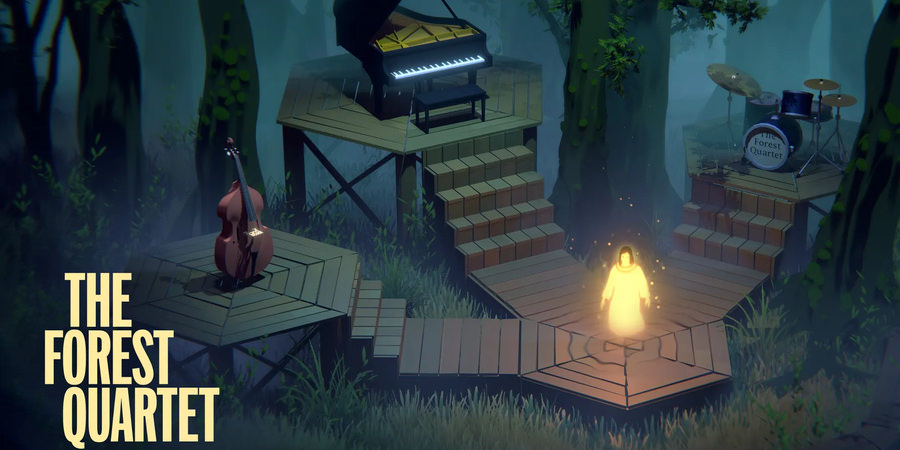
In the spirit of All Saints’ Day, I played the Danish indie title The Forest Quartet. The player controls the ghost of Nina, a deceased singer and saxophonist. After her death, her former bandmates struggle with mental health issues and a lack of creative drive. Nina must bring strength, light, and cooling to their lives so the memorial concert can take place. She appears as an ethereal human figure who can also transform into a swarm of butterflies. The Forest Quartet received the Independent Games Festival award for Excellence in Audio in 2023. It is a short and seemingly modest game, yet one that has been appreciated. I found it had potential and hope that its creator, Mads Vadsholt, continues creating puzzle-adventure games in the future.
Enclosure 3-D (2022)

Following in the wake of Leisure Suit Larry, I was reminded of the 2004 graphical text adventure Enclosure, which uses the same Sierra AGI engine as the original Larry 1. In 2022, Enclosure received an update where the pixels were turned into voxels — resulting in a kind of retro 3D. The change isn’t dramatic but clearly noticeable. The graphics seem to lift off the screen, less flat than before; to my eyes, the characters now look more like LEGO figures than pixel sprites. Enclosure is a lovingly made fan project, available for free. What originally drew me to it was the premise: a pair of fraudulent mediums invited to a haunted Arctic station.
The Procession to Calvary (2020)
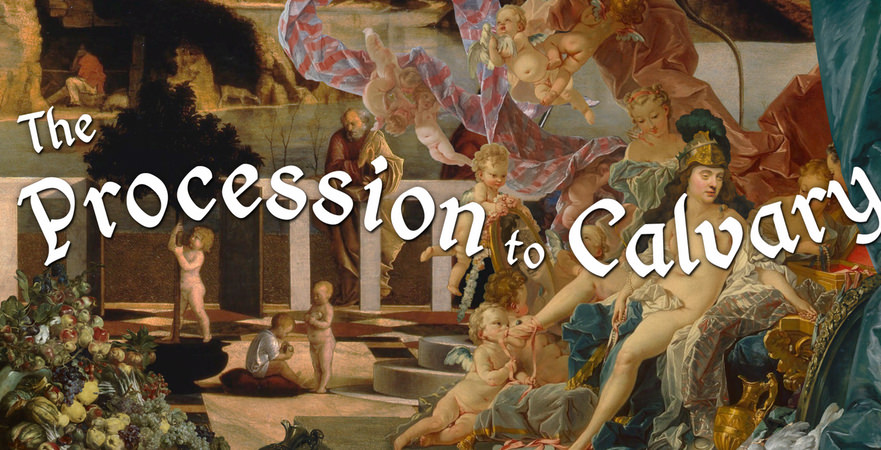
The 2020 point-and-click adventure The Procession to Calvary follows in the footsteps of Joe Richardson’s previous game, Four Last Things. It takes place in the same, or at least a similar, world collaged and composed from Renaissance paintings. However, both the protagonist and the driving force have changed. This time, the player controls a female warrior who uses a religious war as an excuse for her own bloodlust, while Christianity is subjected to cruel, carnivalesque satire. The Procession to Calvary is a journey to the dark side of Christianity and its obscure outskirts.
The Longing (2020)
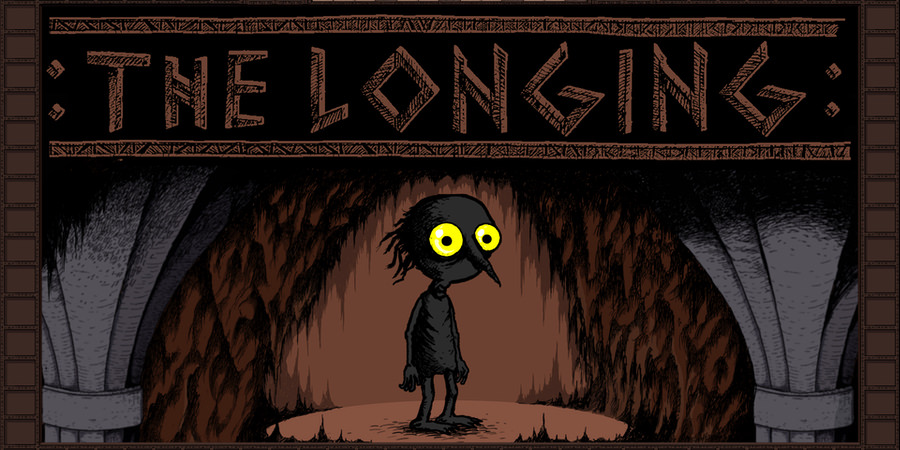
Released in 2020, The Longing is an idle game built around slowness, patience, and deliberate waiting. The king of the underground has fallen into a sleep that will last 400 days, and his servant, Shade, is left alone to pass the time with no obvious purpose. The game arrived at a fitting moment, during the COVID-19 pandemic, and many players found points of contact with their own situation. Shade lives as if in quarantine. He has no access to the surface world — or does he? The player’s task is to explore the vast cave system and uncover its secrets. I have nothing against The Longing, but little to argue strongly in its favour either. It is nevertheless a memorable experience, quite simply because its slowness places it in a category of its own.
Antiquarium (2023)
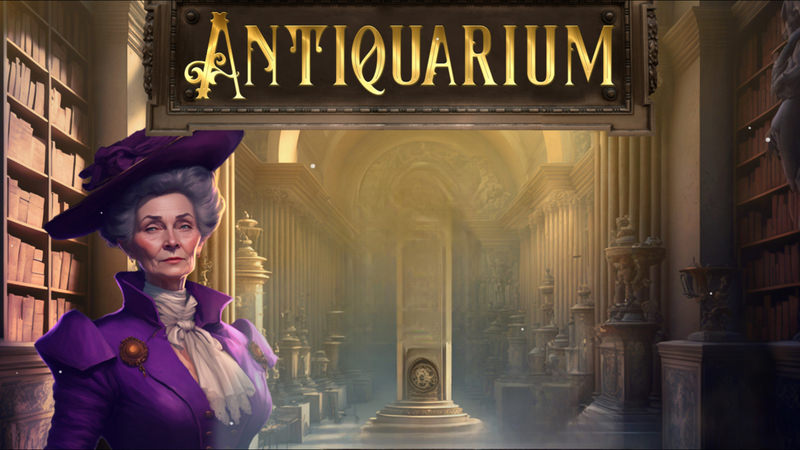
Released in mid-September 2023, the hidden object game Antiquarium combines an old-school game structure with AI-assisted visuals in an intriguing way. The player takes a job in an antique shop, where the work consists not only of serving customers but also of searching for lost — or rather scattered — decorative objects, accompanied by assorted words of wisdom attached to them. There are six different task types, which always repeat in the same fixed sequence. The visuals also repeat themselves quite heavily — or perhaps it would be more accurate to say they vary versions of the same motifs — but in a curiously compelling way. The vagueness produced by AI felt to me fantastical and suitably challenging.
The Sexy Brutale (2017)
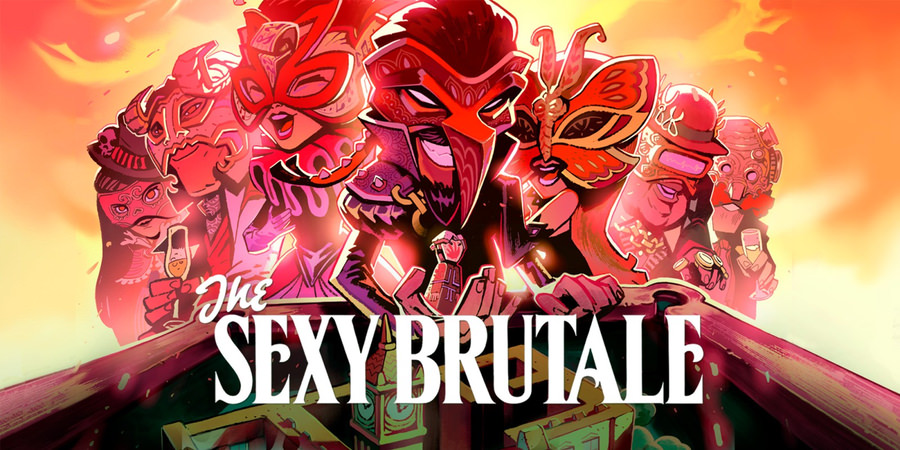
The Sexy Brutale stands out through its bold visual style and memorable soundtrack. This murder mystery set in a fantastical 1920s mansion swept me along, although not without some stumbling. The player character, priest Lafcadio, wakes into the same nightmare over and over again, always to the same Saturday when the Marquis has gathered his friends. It is up to him to discover what is really going on in the mansion and how the time loop could be broken. Although timing your actions precisely is essential, thoroughly exploring the mansion and spying on its guests and staff takes time. The game’s endearing visuals make the horror and dark occultism feel harmless, and its swinging soundtrack keeps the mood brisk.
Hero of the Kingdom III (2018)
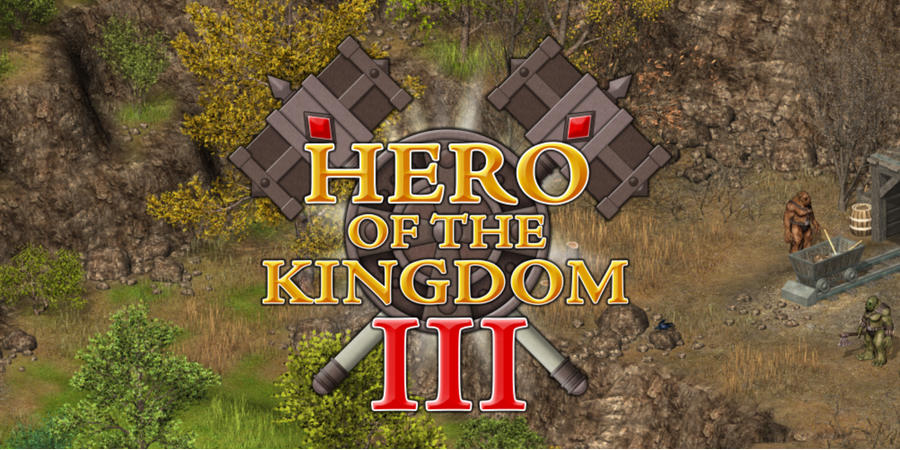
I continued along the same role-playing adventure path and played the third entry in the Hero of the Kingdom series. The RPG elements have grown notably stronger, while the mechanics have become more structured and grind-oriented. Alongside hunting and gathering, character progression is now heavily emphasised. The story of Hero of the Kingdom III largely unfolds in non-interactive cutscenes. Your character experiences visions of past events even as he operates freely and efficiently within the real-time game world. Natural resources replenish quickly, and there is never a real risk of depletion.
Hero of the Kingdom II (2015)
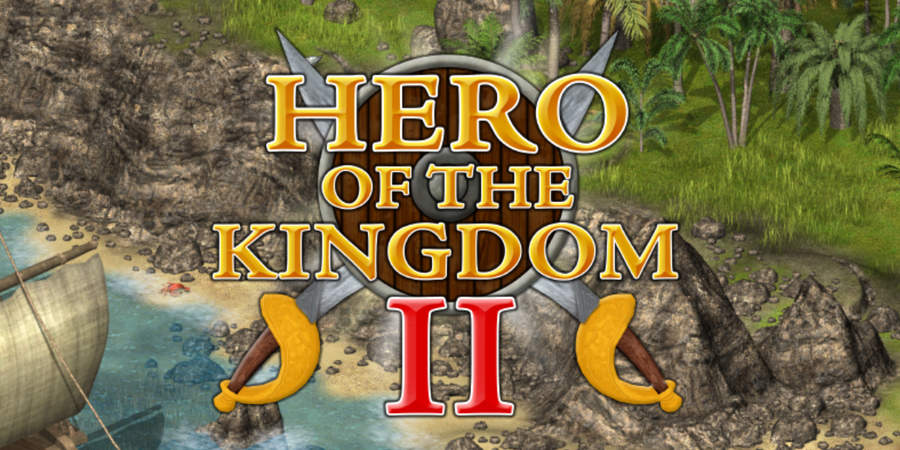
The 2015 adventure-RPG Hero of the Kingdom II follows faithfully in the footsteps of the original, released a couple of years earlier. I played it soon after finishing the first game, and the pull was just as strong — perhaps even stronger. The world expands onto the sea and beneath the earth, and the visuals take a step forward with more variety in scenery and character portraits. At the same time, what worked before remains intact: relentless resource gathering, hidden-object searching, and a web of side quests woven around the main story. This corner of the fantasy realm is tormented by pirates kidnapping young women from the coasts — including the hero’s little sister. To save her, every stone must be overturned, and in the process one becomes a hero almost by accident — through a romantic twist of fate.