
The Forest Quartet (2022)
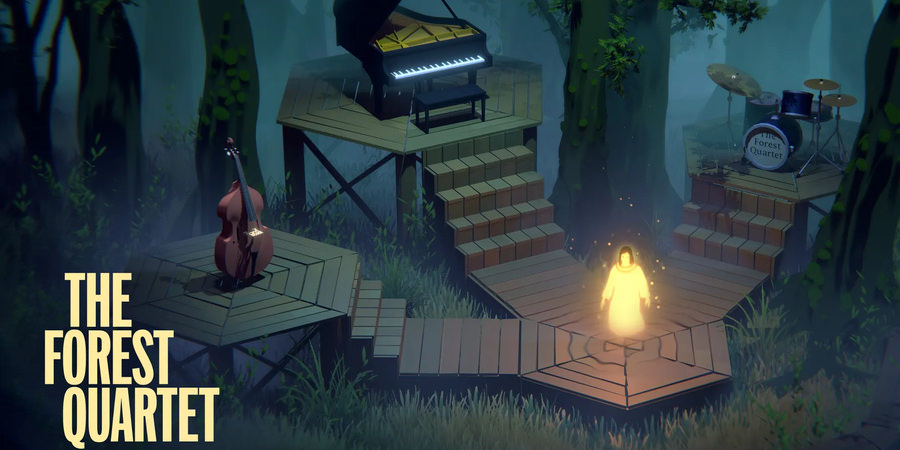
In the spirit of All Saints’ Day, I played the Danish indie title The Forest Quartet. The player controls the ghost of Nina, a deceased singer and saxophonist. After her death, her former bandmates struggle with mental health issues and a lack of creative drive. Nina must bring strength, light, and cooling to their lives so the memorial concert can take place. She appears as an ethereal human figure who can also transform into a swarm of butterflies. The Forest Quartet received the Independent Games Festival award for Excellence in Audio in 2023. It is a short and seemingly modest game, yet one that has been appreciated. I found it had potential and hope that its creator, Mads Vadsholt, continues creating puzzle-adventure games in the future.
Strangeland (2021)
Released in late May 2021, Strangeland promises fantastical psychological horror. It is the long-awaited new title from Wormwood Studios, best known for the adventure game Primordia, and published by Wadjet Eye Games. Expectations among fans were likely quite high, and I myself have fond memories of Primordia. I am also a long-time admirer of Wadjet Eye Games. Still, I cannot praise Strangeland without reservation. The game strongly reminded me of the late-1990s release Sanitarium, and I could not avoid comparing the two — to Strangeland’s detriment.
Distraint 2 (2018)
Jesse Makkonen’s 2015 horror adventure Distraint received a sequel in November 2018. Distraint 2 continues exactly where the first game left off: rock bottom. This time, however, the bailiff Price begins to climb back up and sets out in search of Hope. He confronts greed, guilt, fear, and pain, and finally listens to the voice of Reason. To me, Distraint 2 felt more mature than Distraint in terms of gameplay, visuals, and its horror elements. The story, too, is less naïve and more grounded, even though its dreamlike quality remains strong. In Distraint 2, the calmness of point-and-click adventure design blends effectively with an ominous atmosphere.
Distraint: Deluxe Edition (2017)
Distraint is a one-man adventure game by Finnish developer Jesse Makkonen. It was originally released in 2015, followed by an improved Deluxe Edition in 2017. This small gem nearly passed me by, and I only picked it up through GOG.com’s free giveaway earlier this year. Distraint tells a story about the collision between greed and compassion. The player controls Mr Price, who is forced to evict the underprivileged from their homes in order to earn a partnership in a successful real-estate company. The game’s ethics and narrative may come across as naïve, but there is something sincere and genuine about them. The audiovisual presentation is appealing and worth experiencing on its own. From a gameplay perspective, Distraint is simple and at times clumsy, though it does include a handful of interesting puzzle situations.
Fran Bow (2015)
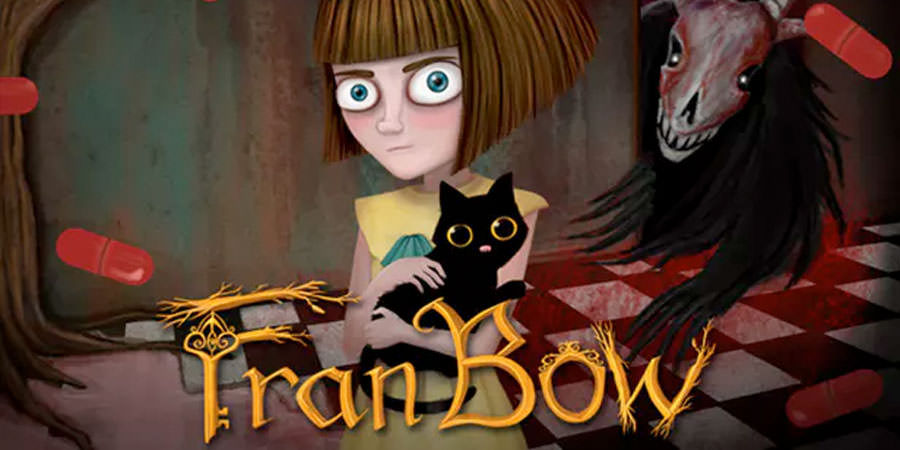
Released in 2015, the psychological horror adventure Fran Bow tells the story of a ten-year-old girl who has lost her parents. Traumatised and mentally unwell, she is committed to a children’s asylum. The story is set in the 1940s. The game’s special feature is a mechanic built around shifting between two realities. Fran alternates between a recognisably realistic world and a nightmarish, fantastical one. According to the writer, working on the game was therapeutic, and autobiographical elements were included. Fran’s story is thrilling, surprising and deeply confusing.
The Dream Machine (2017)
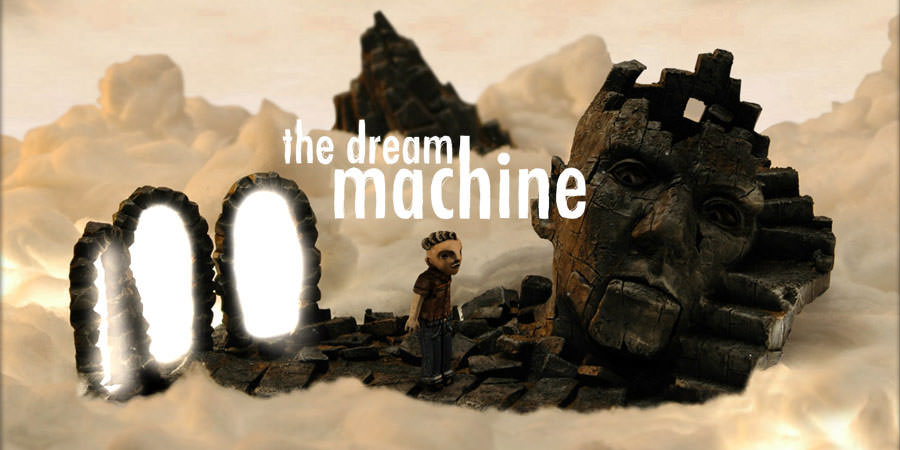
The long-awaited sixth and final episode of the episodic The Dream Machine was released in May 2017. In this physically handcrafted game we follow a young man whose life has reached a dead end — only for him to become an unexpected hero, saving the tenants of an apartment building from their landlord. The adventure takes him into other people’s dreams, all the way to the core of a collective dream world. It has been fascinating to follow the series episode by episode; each instalment has surprised me with its distinct character.
Kathy Rain (2016)
Released in 2016, Kathy Rain follows in the footsteps of the early-90s classic adventure games. It channels them in a way that suits the modern player: the best parts are preserved, the frustrating ones trimmed away. For me, the experience was above all relaxing. The story carried its weight well, entertaining and darkening the mood in just the right proportion. A sponge cake baked to the LucasArts recipe, filled with shades of Gabriel Knight, and dusted with a hint of Twin Peaks — how does that sound?
Sanitarium (1998)
Released in 1998, Sanitarium remains one of the strangest game journeys I have experienced. While it may not be a definitive horror classic, it certainly holds a cult reputation for its surreal tone. Time, however, has not been entirely kind to it. The most dated aspects today are its visuals and sound design, yet the narrative path stays unpredictable and the experience itself still feels fresh.
Overclocked: A History of Violence (2008)
The 2008 adventure game Overclocked: A History of Violence tackles violence less through action than from a psychological angle. It is a serious, sombre game that made me reflect on its subject matter at least somewhat deeply. In the story, violent behaviour appears to stem not only from high testosterone levels but also from deliberate manipulation — its exact nature left unclear.
Downfall Redux (2016)
Released a week ago, Downfall Redux is an enhanced version of Harvester Games’ first title. It reaches towards the level of the studio’s more successful second release, The Cat Lady, without quite getting there. I am not a fan of horror games, and excessive, gratuitous gore does not appeal to me, but a game that moves between different states of consciousness certainly does. The visuals, built around an aesthetic of ugliness, were also enough to draw me in.