
Batman (1986)
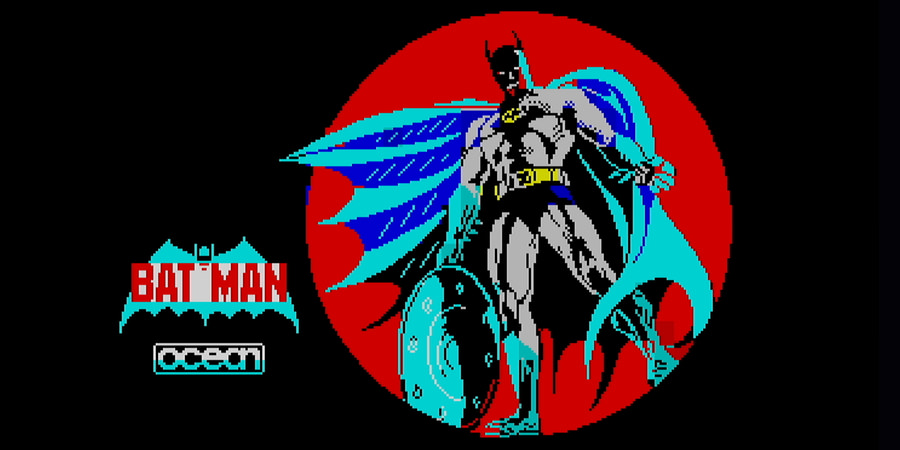
I recently bought Retro Games' The Spectrum console. I had previously played Spectrum games using a Windows emulator and become fascinated by their unintentional artistry. By artistry, I mean the colour clash and the distinctive style that emerges from simplicity. There is something childlike and charming about this aesthetic, and the game I am presenting this time, Ocean Software's Batman from 1986, is a perfect example of it. It is an isometric action-adventure featuring a vast world spanning 150 screens, a wide variety of enemies, and puzzle mechanics based on stacking and moving "boxes". The Batcave also extends across multiple vertical levels, creating a platforming challenge that demands precise timing and pixel-perfect control. For modern players, it can be a real test of patience. Batman is a true Spectrum classic, packed with pioneering ideas.TEST1
The Three Stooges (1987)
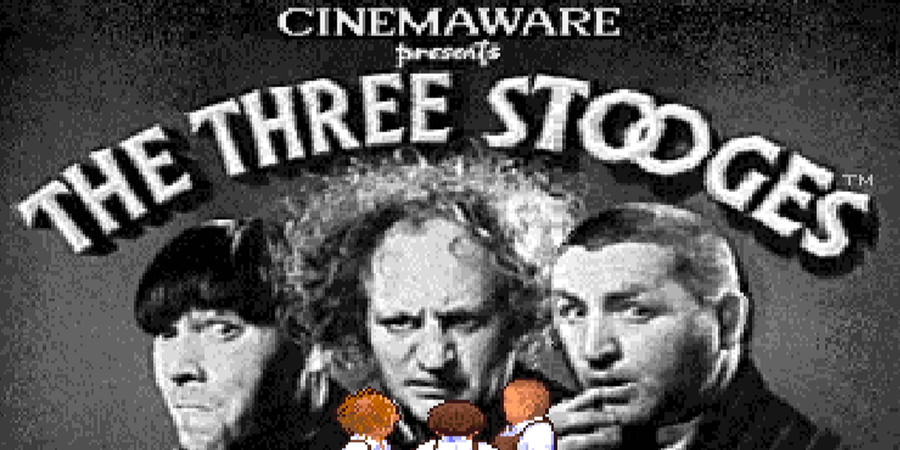
Cinemaware's fifth Amiga release, The Three Stooges, arrived in 1987 and was based on the antics of the American comedy trio. The short film series of the same name ran from 1922 to 1970. The game features the central characters of the films – Moe, Larry and Curly – with Moe mercilessly bossing around the other two bunglers. There are board game-like elements here, combined with arcade action and a touch of simple strategy. In practice, the game is built around five different minigames. The Three Stooges captures the spirit of the films remarkably well, but it is also repetitive and highly mechanical. I knew the game from my Amiga years in the 1990s, and it was interesting to return to it some thirty years later.
Defender of the Crown (1986)
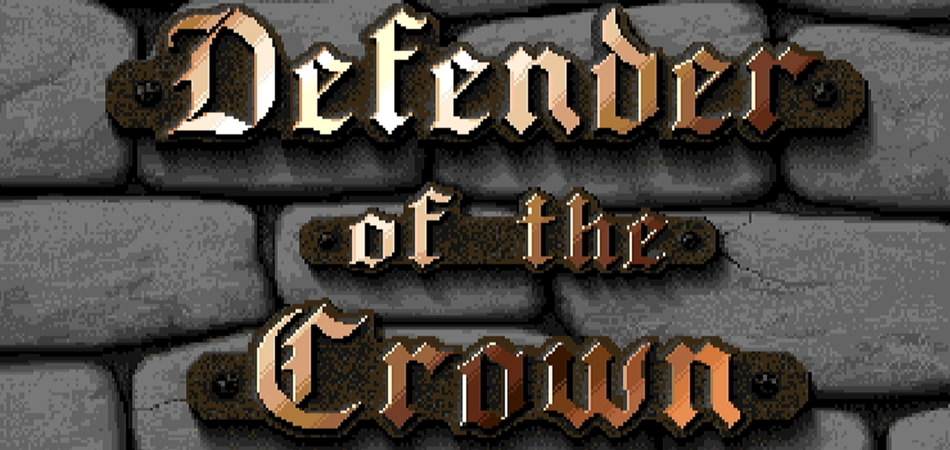
I dug out the legendary Amiga game Defender of the Crown, in which the player seeks to conquer Britain in the early Middle Ages. It was the first release from the renowned Cinemaware, and it occupies a special place in Amiga history as a showcase for the computer’s groundbreaking multimedia capabilities. Audiences accustomed to 8-bit machines were astonished by such impressive graphics in the mid-1980s. The music was equally novel, based on samples and making use of four-channel sound. Defender of the Crown, like Cinemaware’s other productions, was guided by the idea of interactive movies. There are no video sequences, which only became common in games during the 1990s, but the concept is reflected in the scene-by-scene narrative and the game’s dramatic atmosphere. Defender of the Crown is a strategy game, although its strategic depth is fairly limited. The game relies heavily on randomness, and victory is by no means guaranteed.
Leisure Suit Larry in the Land of the Lounge Lizards (1987)

Sierra On-Line's legendary Leisure Suit Larry in the Land of the Lounge Lizards is one of the first graphic adventure games where you can move your character in real time while other commands are still written into the text parser. The game is also interesting because of its remakes. The 1991 VGA version raises the graphics and sound from archaic to ’90s level, and the 2013 version brings them to modern HD level. I played all three versions back-to-back and intended to explore the game’s background and versions on Samooja, even though practically everything has likely been said about it and its reputation is great.
It Came from the Desert (1989)

The action-adventure game It Came from the Desert from 1989 offers not only a retro Amiga experience but also a time warp into the science-horror films of the 1950s. A radioactive meteorite crashes into the small Californian town of Lizard Breath, causing the local ants to mutate. The geologist who arrives to examine the crater — the character controlled by the player — recognises the danger, but no one believes him. The geologist becomes an unlikely action hero whose mission is to collect evidence of giant ants and fight them. The game has an intriguing atmosphere and the makings of a cult classic, but it is also too rushed for leisurely enjoyment because everything plays out in real time. It Came from the Desert can be played not only on an original Amiga and via emulators but also on a modern Windows PC, as it is included in the Cinemaware Anthology Collection.
Déjà Vu: A Nightmare Comes True (1985)
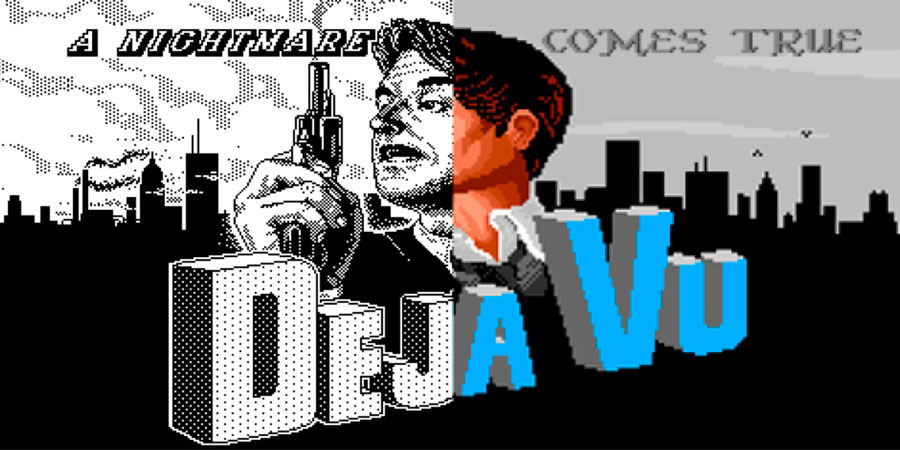
The 1985 release Déjà Vu, originally developed for the Macintosh, is one of the pioneers of point-and-click adventures. Its interface mirrors the graphical operating system of the time with multiple separate windows and icons, and everything is controlled by clicking, dragging and dropping objects with a mouse. It may initially sound clumsy and even confusing, yet this first entry in the MacVenture series works surprisingly well and logically. It is historically significant and thoughtfully designed.
Neuromancer (1988)
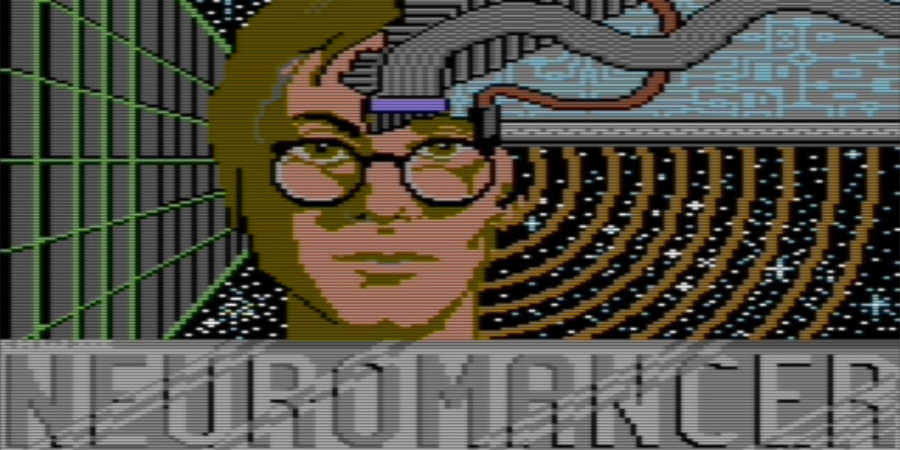
Neuromancer is an adventure game with strategic and action elements, released in 1988 and based on William Gibson’s cyberpunk novel of the same name. It is a remarkably sophisticated and multilayered work, and not merely as a product of its time. I played the Commodore 64 version through the VICE emulator.
The Detective (1986)
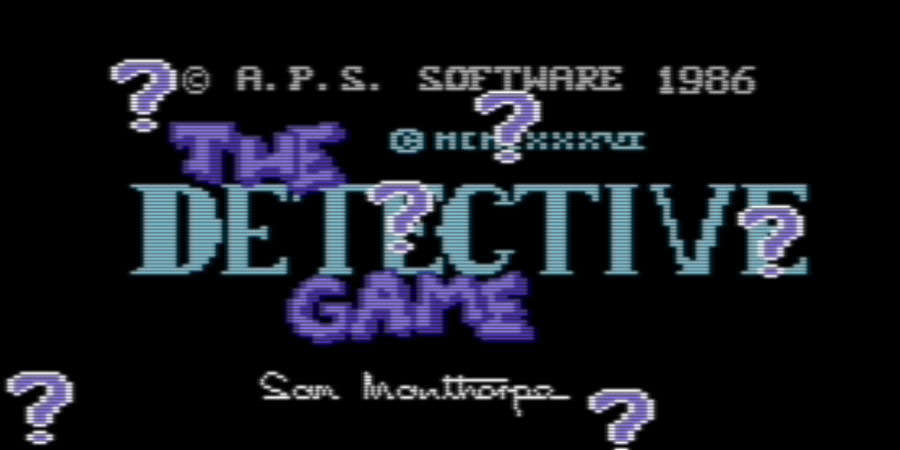
Released in 1986 and designed by Sam Manthorpe, The Detective is a fine graphical murder mystery for the Commodore 64. Like many games of its era, it is a purifying experience — a return to the roots rather than a mere historical curiosity. In games this old, the skeleton of the adventure genre is still clearly visible. Due to technical limitations, everything is simplified to the essentials.