
Batman (1986)
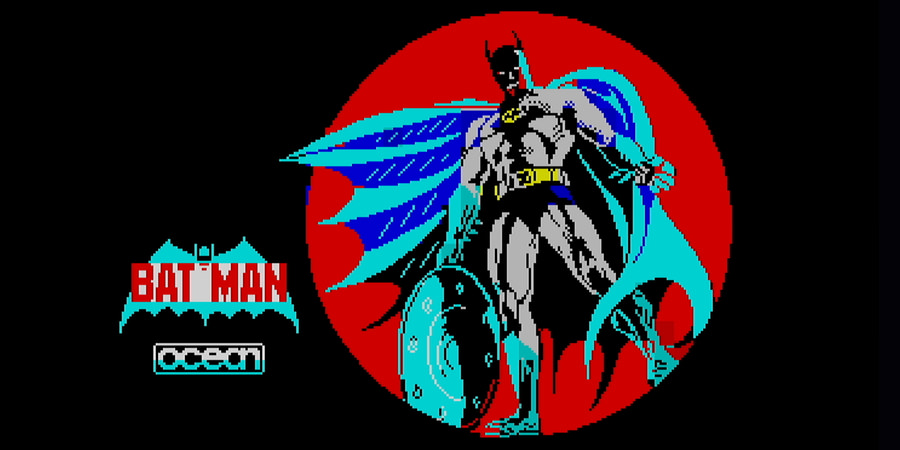
I recently bought Retro Games' The Spectrum console. I had previously played Spectrum games using a Windows emulator and become fascinated by their unintentional artistry. By artistry, I mean the colour clash and the distinctive style that emerges from simplicity. There is something childlike and charming about this aesthetic, and the game I am presenting this time, Ocean Software's Batman from 1986, is a perfect example of it. It is an isometric action-adventure featuring a vast world spanning 150 screens, a wide variety of enemies, and puzzle mechanics based on stacking and moving "boxes". The Batcave also extends across multiple vertical levels, creating a platforming challenge that demands precise timing and pixel-perfect control. For modern players, it can be a real test of patience. Batman is a true Spectrum classic, packed with pioneering ideas.TEST1
Darkmere: The Nightmare's Begun (1994)
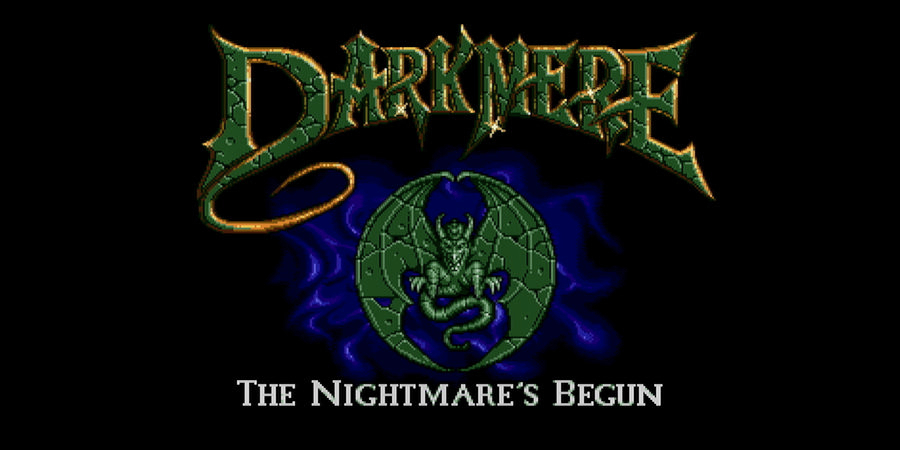
Darkmere is an interesting Amiga game that somehow feels both ahead of its time and already outdated. Although it was released in 1994, it resembles the experimental hybrid games of the late 1980s more than the direction PC gaming was moving towards in the mid-1990s. It combines adventure, action and dungeon-crawling role-playing elements inside a large isometric world, and its ambitions are obvious throughout. At the same time, 3D action adventures on PC were already beginning to leave games like this behind. In that sense, Darkmere almost feels as though it arrived too late. The game was entirely new to me, as I never encountered it during my own Amiga years in the 1990s. Playing it today was both fascinating and impressive, though also undeniably clumsy at times.
It Came from the Desert (1989)

The action-adventure game It Came from the Desert from 1989 offers not only a retro Amiga experience but also a time warp into the science-horror films of the 1950s. A radioactive meteorite crashes into the small Californian town of Lizard Breath, causing the local ants to mutate. The geologist who arrives to examine the crater — the character controlled by the player — recognises the danger, but no one believes him. The geologist becomes an unlikely action hero whose mission is to collect evidence of giant ants and fight them. The game has an intriguing atmosphere and the makings of a cult classic, but it is also too rushed for leisurely enjoyment because everything plays out in real time. It Came from the Desert can be played not only on an original Amiga and via emulators but also on a modern Windows PC, as it is included in the Cinemaware Anthology Collection.
Fahrenheit: Indigo Prophecy Remastered (2015)

The cinematic action-adventure Fahrenheit by Quantic Dream first appeared in 2005, and a revised edition titled Fahrenheit: Indigo Prophecy Remastered followed in 2015. I played the PC version with a keyboard-and-mouse setup, though controller support exists, as do console releases. This cult-labelled, bleak murder mystery managed to shake and move me even as I wrestled with its controls in frustration. The pull of the story was strong — no surprise that it is often counted among writer-director David Cage’s key works.
DreamBreak (2016)

Released in late July 2016, DreamBreak is a dystopian vision of a future Soviet Union — an alternative history. It was made by a Russian game studio, and I could not help feeling tempted to read it as a reflection of the present day. The cinematic platformer Flashback, released in the early 1990s, is an obvious source of inspiration. DreamBreak has received rather mixed reviews. As a game, it feels somewhat unfinished, but bugs aside, my own experience was not bad at all.
Valiant Hearts: The Great War (2014)

Set on the Western Front of the First World War, Valiant Hearts: The Great War approaches the conflict through the eyes of four different characters — and a dog. It is not a war game, but a game about war. Between puzzle-solving and stealth sections, and action sequences that focus more on evasion than attack, the story follows how war tears families apart while also revealing the strength of human bonds.
Neuromancer (1988)
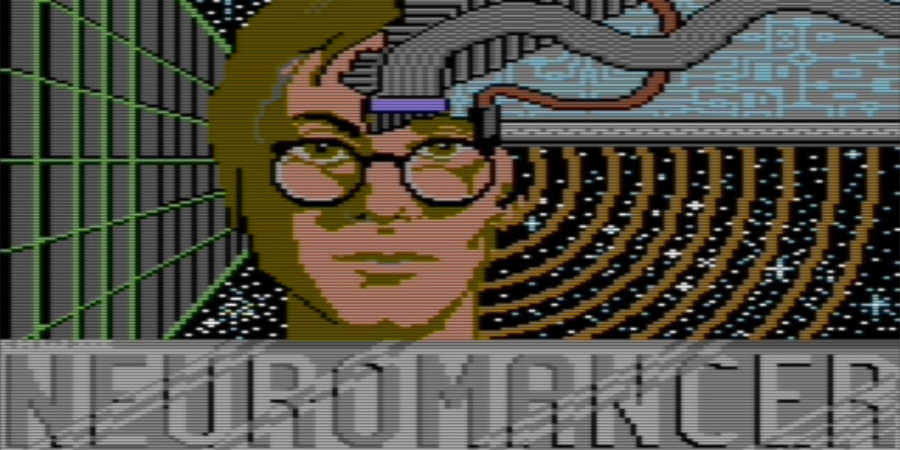
Neuromancer is an adventure game with strategic and action elements, released in 1988 and based on William Gibson’s cyberpunk novel of the same name. It is a remarkably sophisticated and multilayered work, and not merely as a product of its time. I played the Commodore 64 version through the VICE emulator.
The Detective (1986)
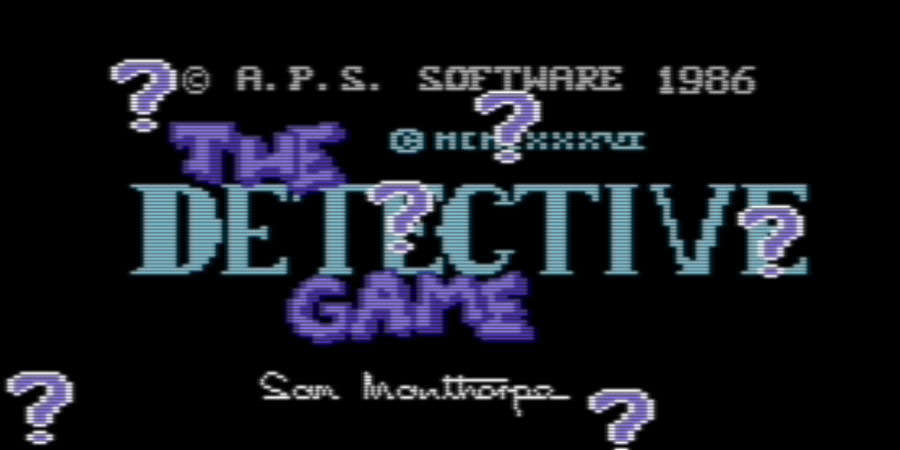
Released in 1986 and designed by Sam Manthorpe, The Detective is a fine graphical murder mystery for the Commodore 64. Like many games of its era, it is a purifying experience — a return to the roots rather than a mere historical curiosity. In games this old, the skeleton of the adventure genre is still clearly visible. Due to technical limitations, everything is simplified to the essentials.