
Fahrenheit: Indigo Prophecy Remastered (2015)
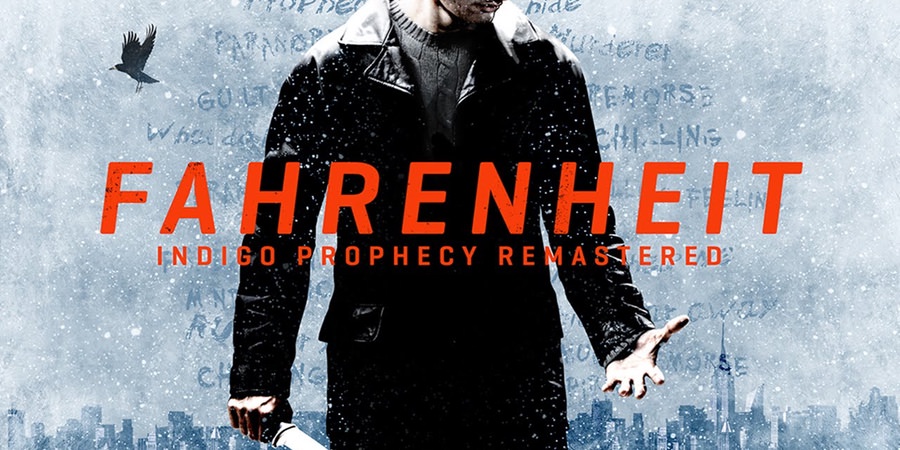
The cinematic action-adventure Fahrenheit by Quantic Dream first appeared in 2005, and a revised edition titled Fahrenheit: Indigo Prophecy Remastered followed in 2015. I played the PC version with a keyboard-and-mouse setup, though controller support exists, as do console releases. This cult-labelled, bleak murder mystery managed to shake and move me even as I wrestled with its controls in frustration. The pull of the story was strong — no surprise that it is often counted among writer-director David Cage’s key works.
Quantic Dream and its founder David Cage are most widely associated with Heavy Rain (2010), which can be viewed as a standalone continuation of Fahrenheit. The earlier game has received less attention, yet it is undeniably a spiritual predecessor to Heavy Rain and of interest to anyone familiar with it. Cage’s aim is to bring interactivity into film. Fahrenheit embraces intense action and quick-reaction decision moments. Its cinematic quality is visible not only in animation, camera work and editing, but also in its music. Above all, the film-like experience stems from its script, characters and emotional force.
Three protagonists with capoeira-like pacing — and the supernatural
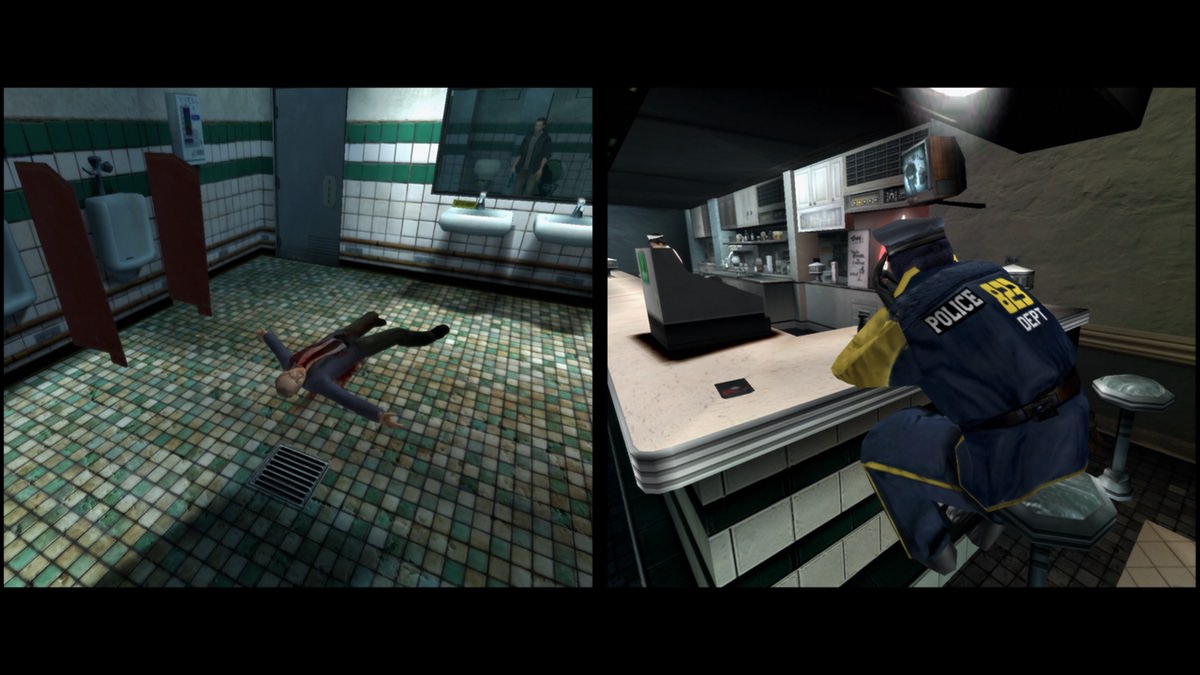
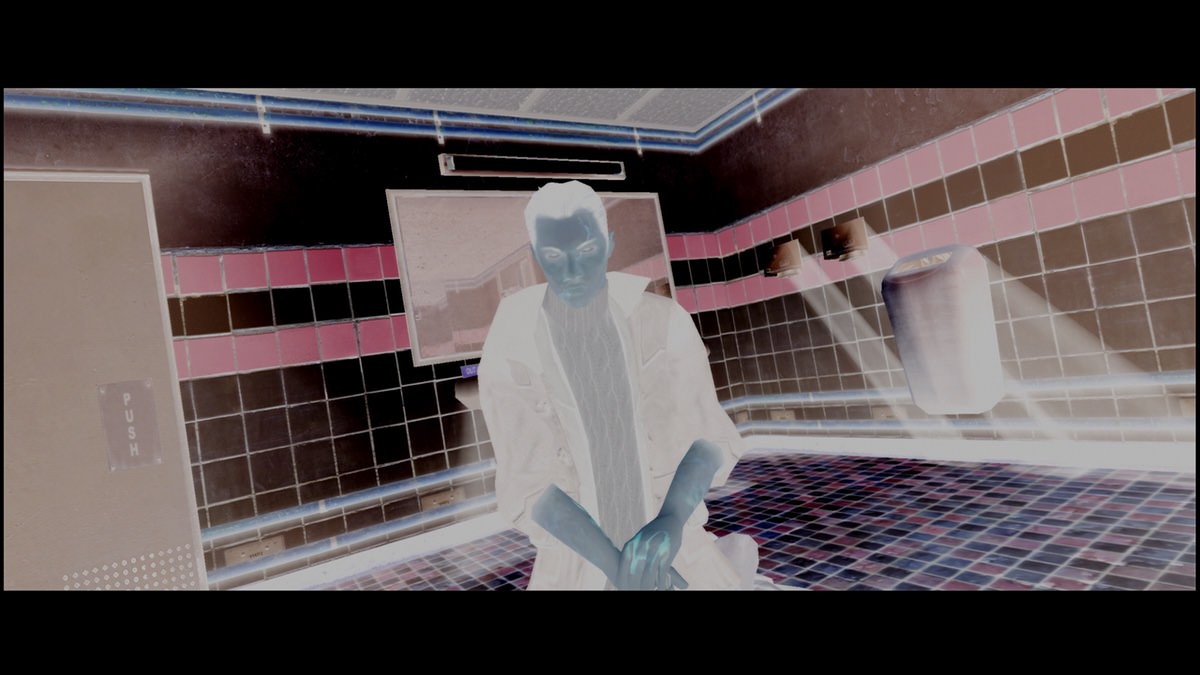
A bitter winter in late-90s or early-2000s New York sets the tone for Fahrenheit. Everything is cast in blue-grey light, snow falls relentlessly, and temperatures sink lower by the day. Right at the start the player is thrown into a suffocating situation: Lucas Kane has just committed a brutal murder in a public restroom. You must clean up, escape and cope with camera angles that shift independently of your input. For me, confusion and panic arrived immediately — as did a cycle of game over and retry.
Alongside Lucas, the game lets you control two detectives, Carla and Tyler. Structurally it resembles a detective story turned inside-out, since you aid Lucas in avoiding arrest while also helping the police solve the crime. All three protagonists share a goal: uncovering the motive behind the murder. Even Lucas does not know why he acted — he appears driven by an unseen force. All three are city dwellers in their late twenties or early thirties, juggling work and relationships. Lucas, in his everyday life, works in IT at a bank.
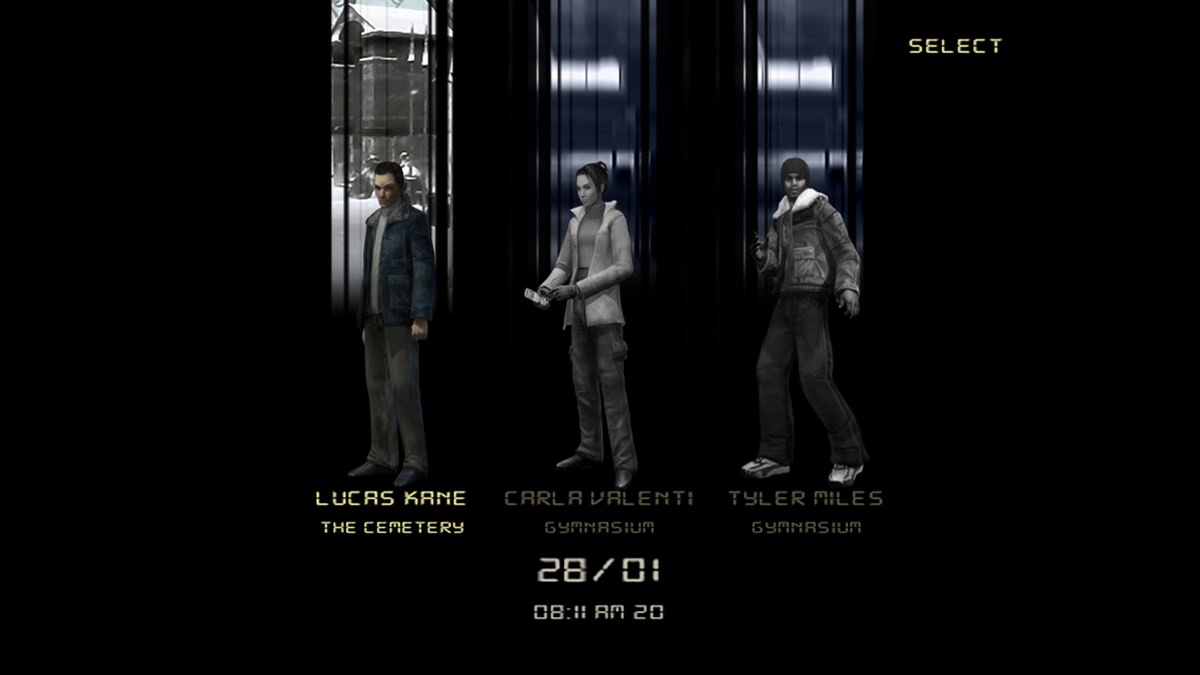
Lucas’s case fascinated me. Flashbacks to his childhood reveal him as withdrawn and unusual from an early age. He experiences hallucination-like visions — warnings or calls to act — and as an adult they grow more frequent and violent. In some scenes an invisible force or object-shaped entity assaults him. Nobody else perceives these events, and the world itself does not change, yet Lucas — and through him the player — experiences them as real. Quick-fire action prompts demanded fast key presses and mouse gestures; the frantic input deepened my sense of his distress.
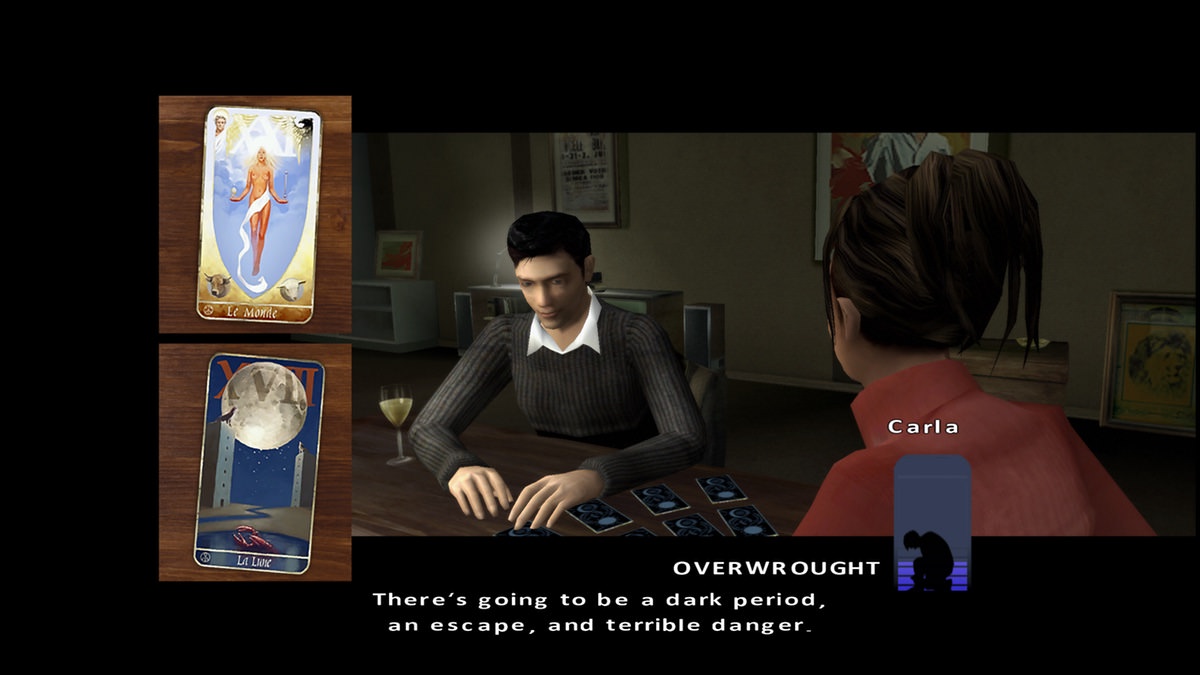
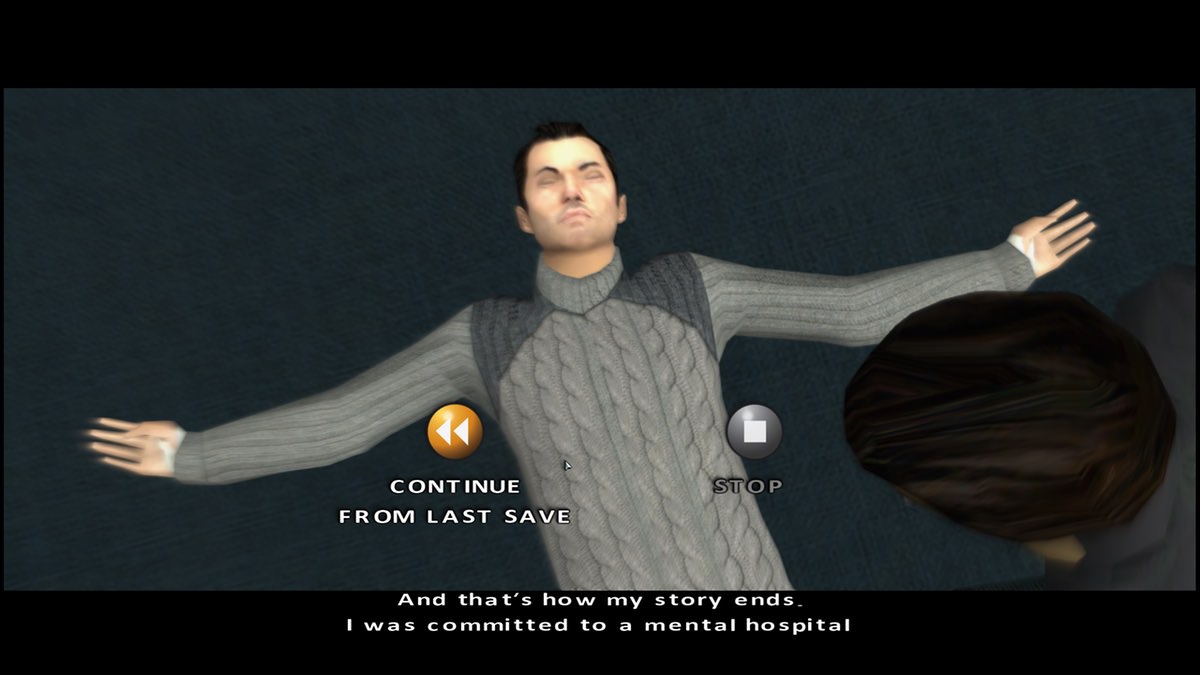
In my playthrough Carla slid deep into depression, while Tyler remained relaxed and upbeat. I ultimately drove Carla into suicide — her panic attacks ended my progress entirely, forcing me to watch the endings on YouTube. Three protagonists provided variation and perspective, though I do not know whether failure to solve the case is possible in narrative terms, aside from premature game overs. Automatic checkpoints allow replay. A difficulty setting exists, likely affecting action segments. Even on easy, I struggled — clearly my threshold was low.
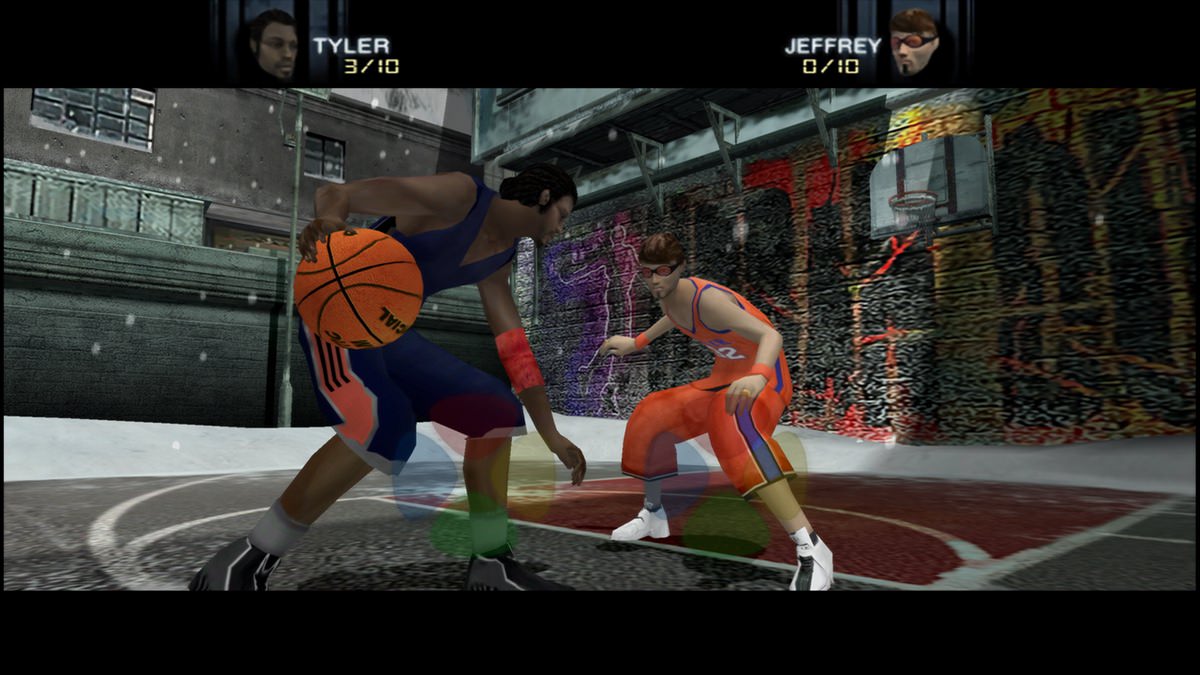
Timed dialogue and decision segments stressed me severely — I could barely read options before choosing. Everyday simulation tasks such as getting dressed or fetching items felt bolted on, mundane and unimaginative, which worsened my existing bias against 3D controls. The Matrix-like action sequences were visually spectacular but for me bordered on torture, preventing full enjoyment of their spectacle.
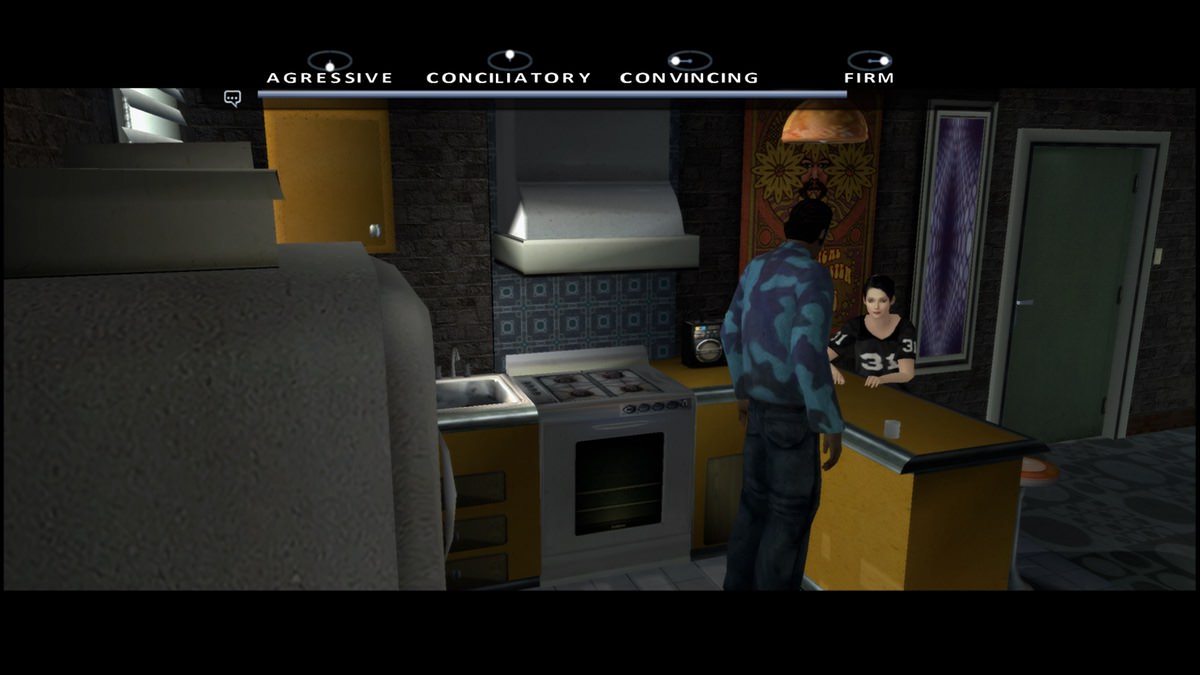
Deus ex machina?
Up to roughly the halfway mark, Fahrenheit can be read as grounded psychological crime drama. I regarded Lucas as psychotic and assumed cult-based manipulation. Beneath that façade lies something paranormal — a mythic, sci-fi-tinged conflict over humanity’s fate.
Some reviews consider the ending a disappointment. I did not reject it outright, but Lucas’s shift from ordinary IT worker to near-divine superhuman weakened the narrative’s credibility. I cannot read the finale merely as hallucination, and I still question its logic: is the story a collage of prophecies and conspiracy motifs rather than a coherent whole?
Fahrenheit features three endings. They do not appear to stem from accumulated choices across the game, but rather from a handful of late-stage decisions.
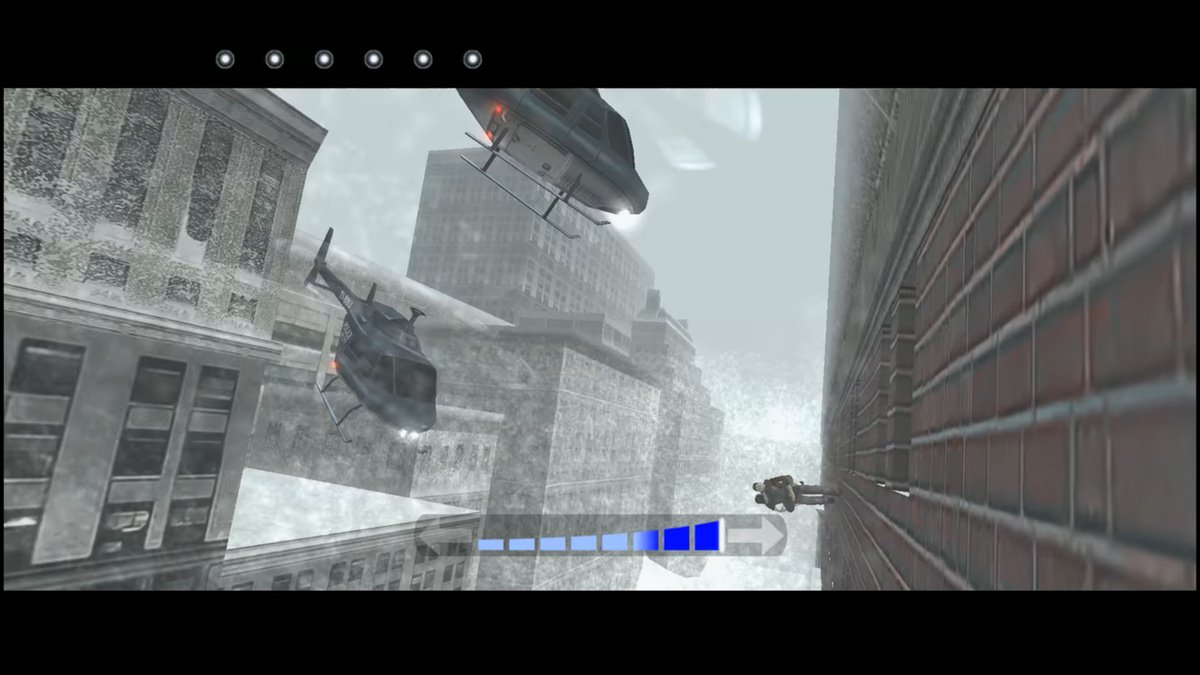
Large-scale production, large-scale emotion
Fahrenheit was not a small project. Around 80 staff worked in-house, joined by some 60 actors and stunt performers, and the score was recorded by a live orchestra. Development took about two years, with the remaster requiring its own cycle. It cannot be called indie-scale, and external funding was necessary. I wondered whether the game would have impressed if produced more modestly. Probably — though the 3D presentation could scarcely suffer further downgrade. For me, its value lies in story, character and atmosphere, which of course depend partly on audiovisual craft.
The graphics have aged; camera cuts and framing no longer astonish, and shifting viewpoints mainly obstruct control. The music endures better, though I question whether a full orchestra was essential. Composer Angelo Badalamenti — known for his work with David Lynch — gives the score weight, from classical-style main themes to lighter funk-infused tracks reflecting character mood. Voice acting is excellent throughout.
One should remember the era of origin. Fahrenheit predates the indie boom, digital distribution as we know it, and even the release of the Unity engine. Perhaps it could only have been made at this scale.
The game brought to mind another bleak New York mystery, Overclocked: A History of Violence (2008). Both borrow from cinematic language and conspiracy thought, but Overclocked stays grounded. In contrast, Fahrenheit is extravagant and brilliant — unforgettable even twenty years later. It is not merely money and manpower that make the difference.
Conclusion
Cage set out to build a story-driven experience for a mature audience — even ex-gamers and non-gamers. I am unsure who is meant to delight in the action mechanics, and my own ineptitude surely played a role, but the narrative setup suits adult tastes. Through Lucas I felt both chills and shock, intensely and repeatedly.
I rate my experience with Fahrenheit: Indigo Prophecy Remastered at 74/100 — immersive in both positive and negative ways.
Availability
Fahrenheit: Indigo Prophecy Remastered is available for Windows and macOS, and for PlayStation 4 and Xbox consoles. I could not find an Android version on Google Play, though it has existed at some point, as has an iOS edition. The Linux build appears to target SteamOS.