
The Three Stooges (1987)
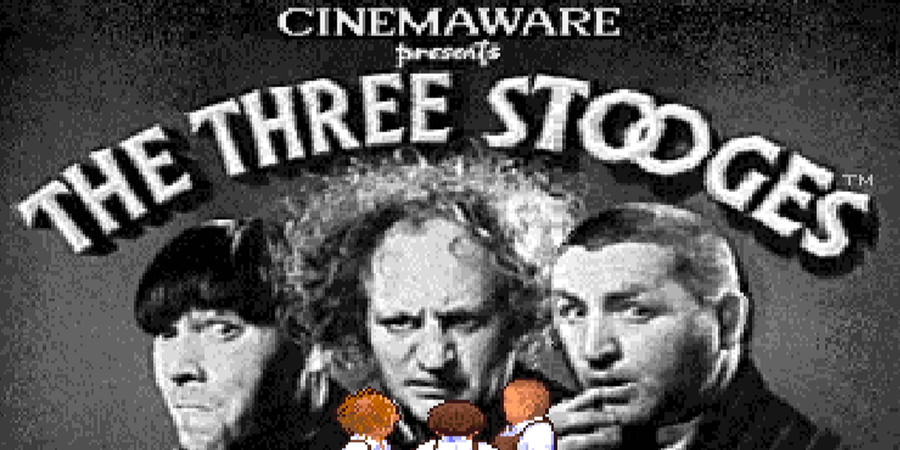
Cinemaware's fifth Amiga release, The Three Stooges, arrived in 1987 and was based on the antics of the American comedy trio. The short film series of the same name ran from 1922 to 1970. The game features the central characters of the films – Moe, Larry and Curly – with Moe mercilessly bossing around the other two bunglers. There are board game-like elements here, combined with arcade action and a touch of simple strategy. In practice, the game is built around five different minigames. The Three Stooges captures the spirit of the films remarkably well, but it is also repetitive and highly mechanical. I knew the game from my Amiga years in the 1990s, and it was interesting to return to it some thirty years later.
Defender of the Crown (1986)
I dug out the legendary Amiga game Defender of the Crown, in which the player seeks to conquer Britain in the early Middle Ages. It was the first release from the renowned Cinemaware, and it occupies a special place in Amiga history as a showcase for the computer’s groundbreaking multimedia capabilities. Audiences accustomed to 8-bit machines were astonished by such impressive graphics in the mid-1980s. The music was equally novel, based on samples and making use of four-channel sound. Defender of the Crown, like Cinemaware’s other productions, was guided by the idea of interactive movies. There are no video sequences, which only became common in games during the 1990s, but the concept is reflected in the scene-by-scene narrative and the game’s dramatic atmosphere. Defender of the Crown is a strategy game, although its strategic depth is fairly limited. The game relies heavily on randomness, and victory is by no means guaranteed.
Darkmere: The Nightmare's Begun (1994)
Darkmere is an interesting Amiga game that somehow feels both ahead of its time and already outdated. Although it was released in 1994, it resembles the experimental hybrid games of the late 1980s more than the direction PC gaming was moving towards in the mid-1990s. It combines adventure, action and dungeon-crawling role-playing elements inside a large isometric world, and its ambitions are obvious throughout. At the same time, 3D action adventures on PC were already beginning to leave games like this behind. In that sense, Darkmere almost feels as though it arrived too late. The game was entirely new to me, as I never encountered it during my own Amiga years in the 1990s. Playing it today was both fascinating and impressive, though also undeniably clumsy at times.
Roguecraft DX (2026)
In early February 2026, a deluxe version of the Amiga game Roguecraft was released, roughly a year and a half after the original. Roguecraft is a retro-inspired, accessible and smooth dungeon role-playing game focused on fighting monsters and collecting gold. The game’s graphics and soundscape made a strong impression on me — even more so in the DX version than in the original release. I am pleased to have new commercial-quality software to play on my A500 Mini. In this blog post I discuss both versions, as they are largely similar, while the improvements introduced in DX will naturally become clear.
The Secret of Monkey Island (1991)
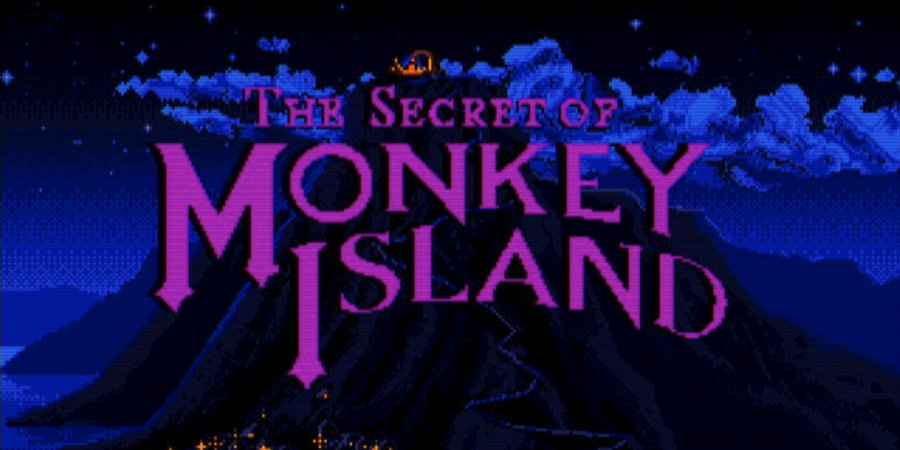
After the rather sombre The Longing, I needed something to lift my spirits and reached for the light-hearted adventure game classic The Secret of Monkey Island, which I originally played on the Amiga. First I played the 2009 remake, The Secret of Monkey Island: Special Edition, and then the original 1991 Amiga version to experience it again from a modern perspective. The very first version of the game, however, was for DOS PCs, and this archaic experience is included in the 2009 Special Edition, where you can switch to it on the fly. In this article I focus primarily on the Amiga version and compare it to the Special Edition. The game is a classic for a reason: as an adventure game, it still holds up very well today. I have nothing against the audiovisually updated version, but to my surprise I found the old version better in terms of playability. In this post I also answer, from my own point of view, the question of how to play Amiga games.
It Came from the Desert (1989)
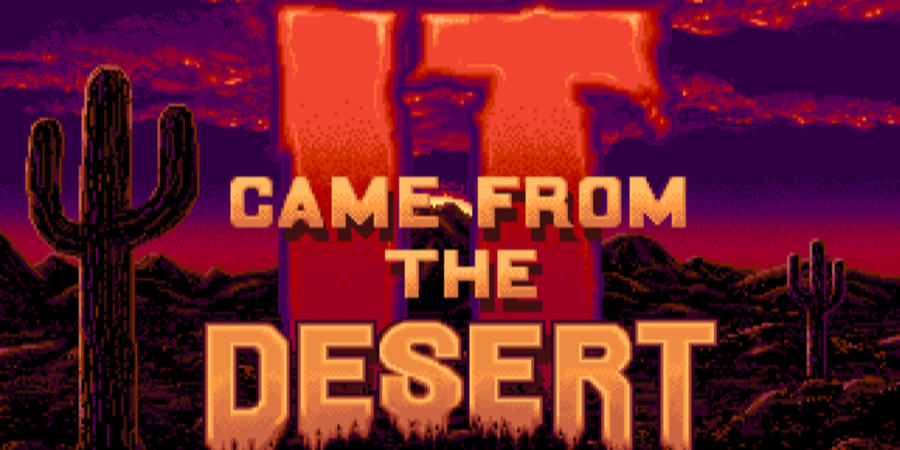
The action-adventure game It Came from the Desert from 1989 offers not only a retro Amiga experience but also a time warp into the science-horror films of the 1950s. A radioactive meteorite crashes into the small Californian town of Lizard Breath, causing the local ants to mutate. The geologist who arrives to examine the crater — the character controlled by the player — recognises the danger, but no one believes him. The geologist becomes an unlikely action hero whose mission is to collect evidence of giant ants and fight them. The game has an intriguing atmosphere and the makings of a cult classic, but it is also too rushed for leisurely enjoyment because everything plays out in real time. It Came from the Desert can be played not only on an original Amiga and via emulators but also on a modern Windows PC, as it is included in the Cinemaware Anthology Collection.
The A500 Mini (2022)

The miniature Amiga 500 replica that came out earlier this year finally answered my long-standing desire to play old Amiga games again. There are of course emulators for modern computers, but I have always found them hopelessly difficult to use. The A500 Mini, on the other hand, promised plug and play. I received mine in July and, after a couple of months of use, I feel confident enough to give my own assessment and a few tips for anyone considering buying the console. I will save the actual Amiga game recommendations for another time.
Valhalla and the Lord of Infinity (2002)
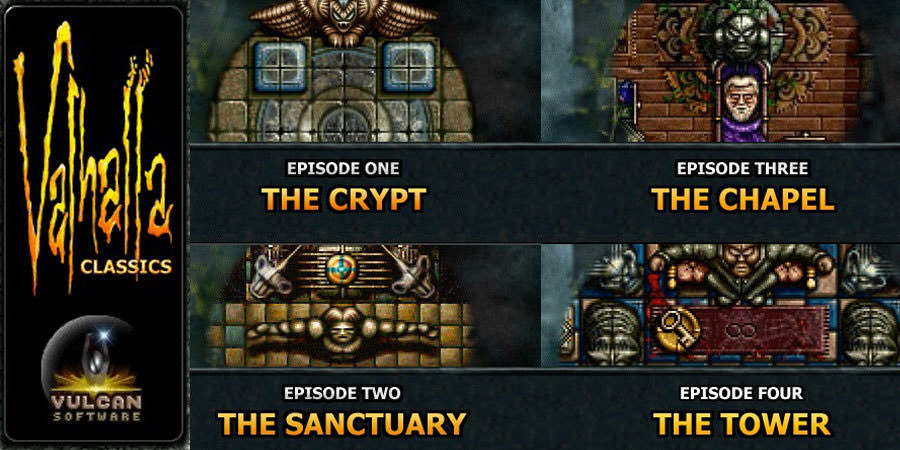
Appearing for the Amiga in the mid-1990s, the Valhalla adventure game series is something of a cult classic. It is a genuine gem and, despite being available for modern Windows computers, still surprisingly hard to find. The series features an entirely unique mechanic based on the transformation of objects. Its world and graphics have a charmingly naïve aesthetic, and the voice acting has become outright legendary.