Roguecraft DX (2026)
In early February 2026, a deluxe version of the Amiga game Roguecraft was released, roughly a year and a half after the original. Roguecraft is a retro-inspired, accessible and smooth dungeon role-playing game focused on fighting monsters and collecting gold. The game’s graphics and soundscape made a strong impression on me — even more so in the DX version than in the original release. I am pleased to have new commercial-quality software to play on my A500 Mini. In this blog post I discuss both versions, as they are largely similar, while the improvements introduced in DX will naturally become clear.
Roguecraft is developed by Badger Punch Games. The studio was founded by Norwegians Henning Ludvigsen and Ricki Sickenger, whose work draws inspiration from the “good old days” of the 1980s and seeks to bring that spirit into the present. They have produced games for several platforms, from computers to consoles. Roguecraft (2024) was released exclusively for the Amiga, while the DX version is also available for the Mega 65, Game Boy Color and Evercade. A Windows version has also been promised, and the game can already be added to a Steam wishlist. Roguecraft is actually based on their Commodore 64 game from 2022, Rogue64. Compared to the Amiga versions, it comes across as a rather rough prototype: https://www.youtube.com/watch?v=JM2OQ9ernXc.
In the dungeons of Mordecoom
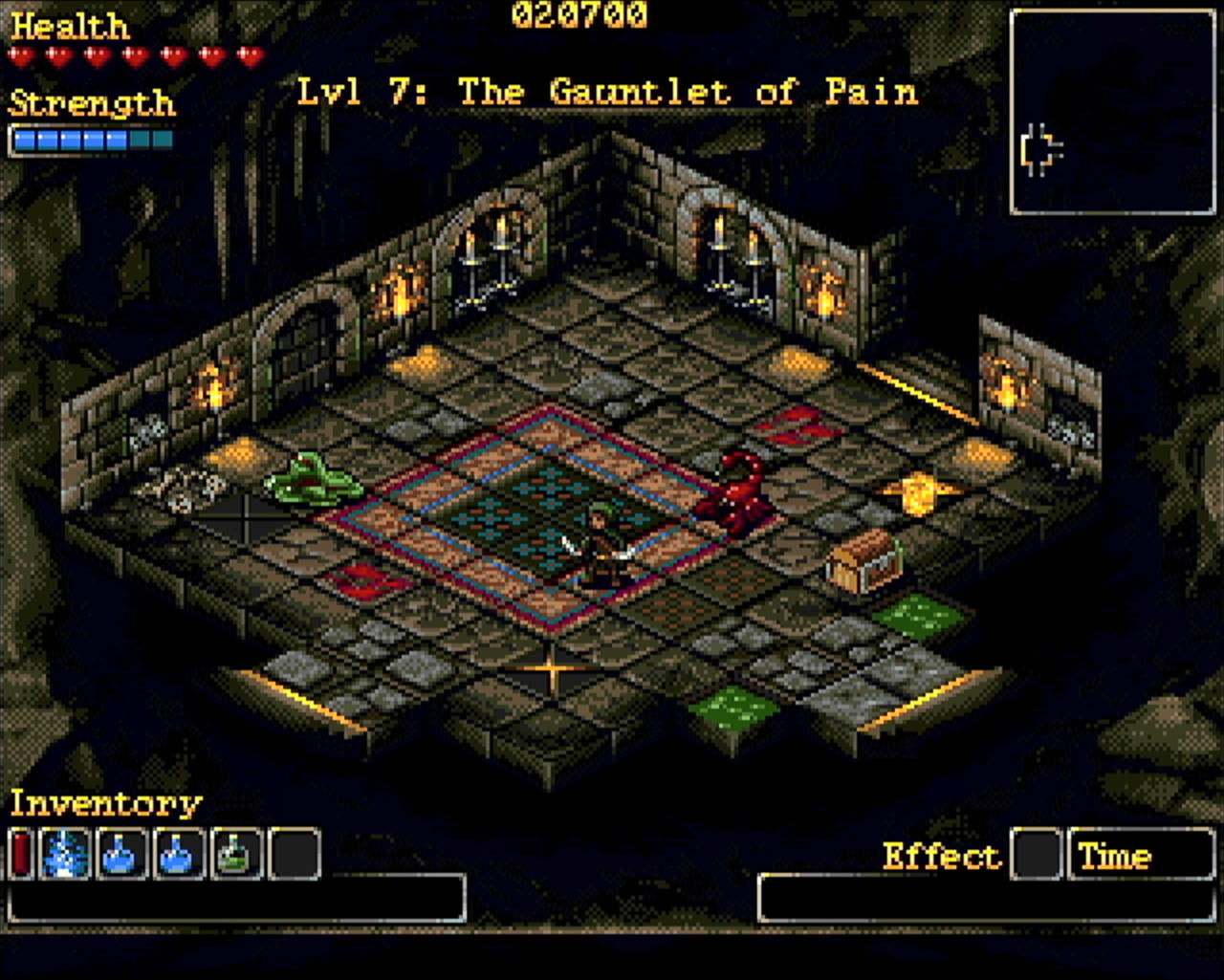
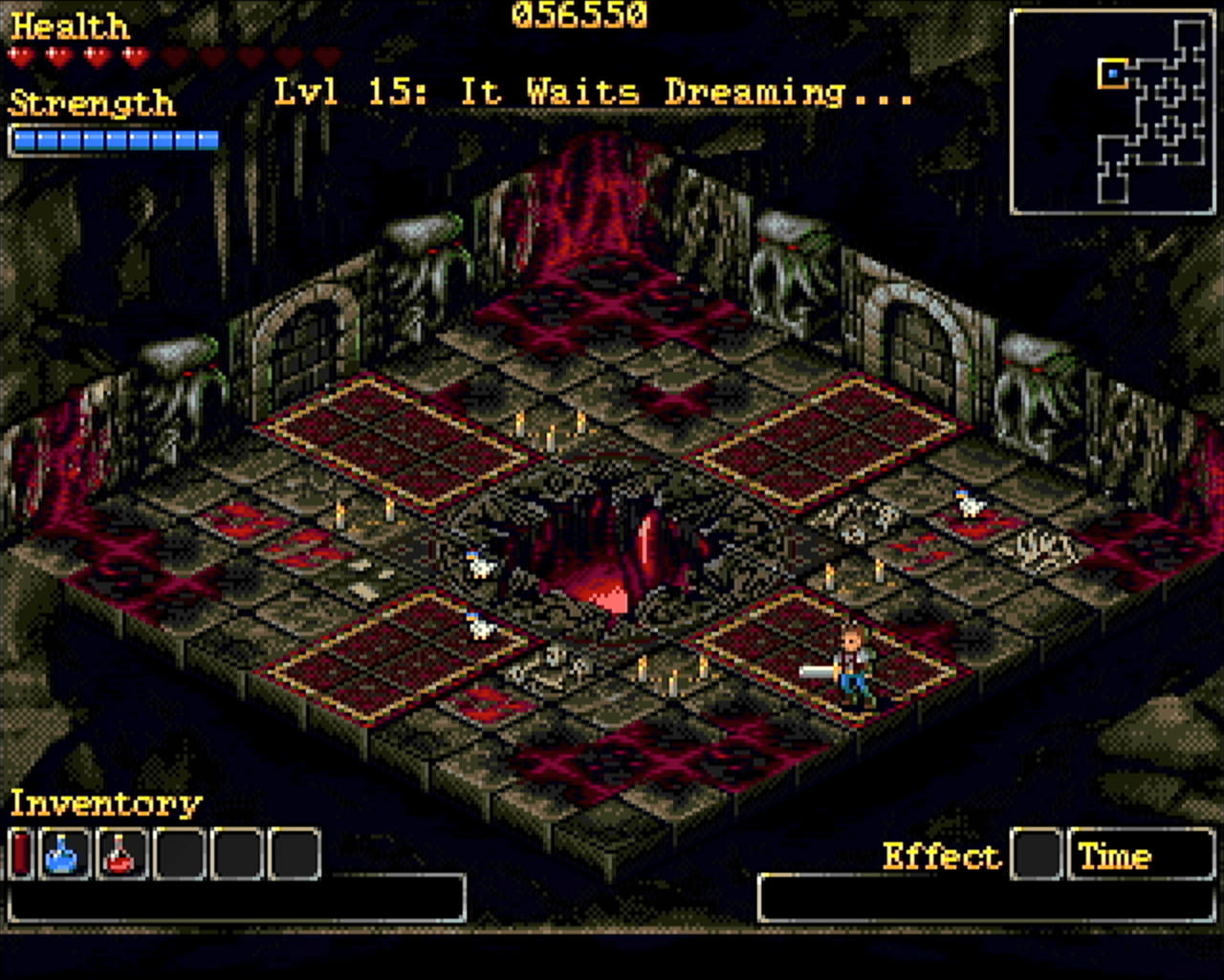
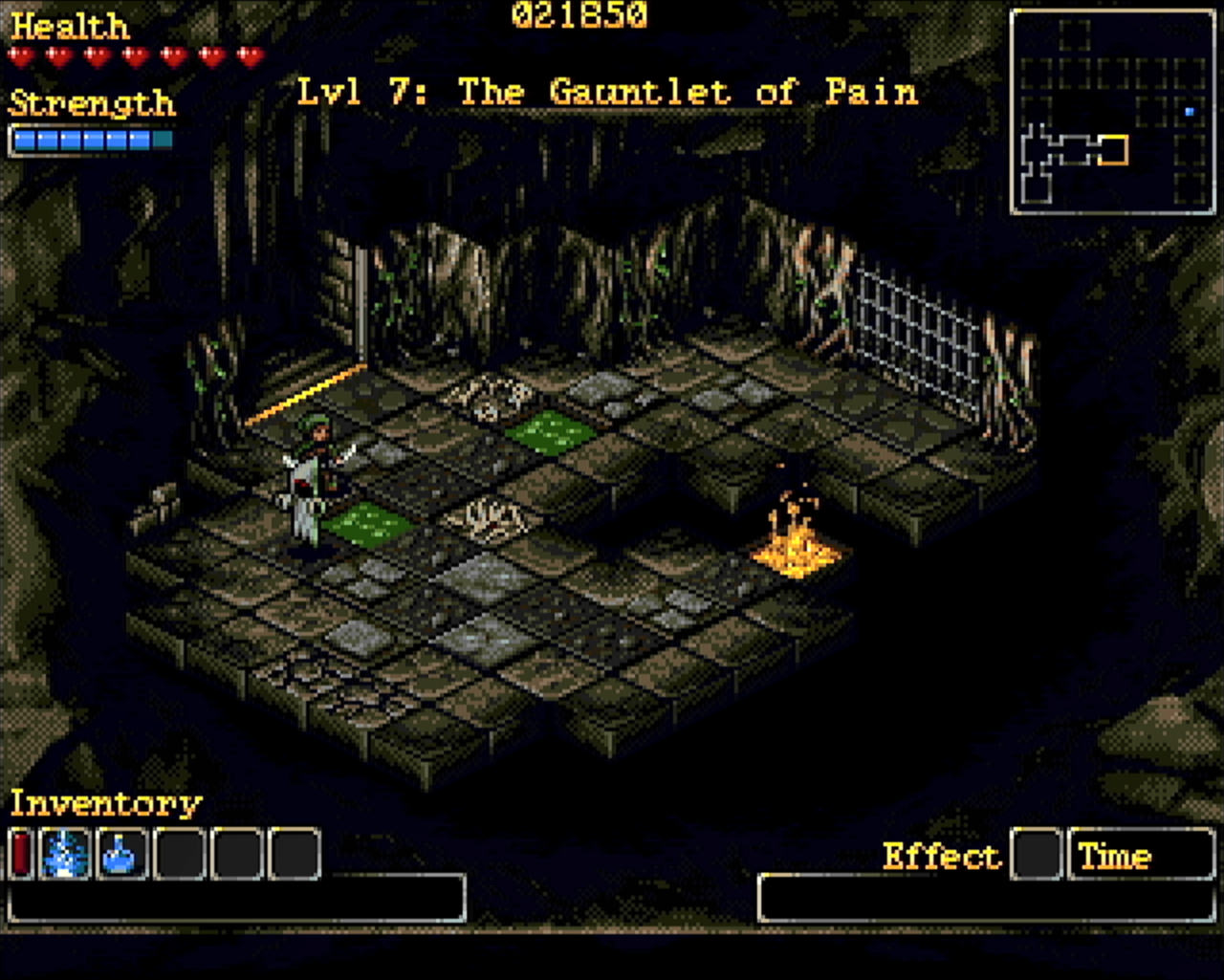
Roguecraft’s framing story is minimal and largely irrelevant to gameplay, but the game world itself is effective. The labyrinthine levels are randomly generated, as are the positions of monsters and treasure chests on each run. Tile-based graphics combine into a colourful and varied Lovecraftian whole. Tentacle-like ornaments decorate the walls, and the final boss encounter likewise revolves around monstrous appendages. The reward at the end is a gemstone, yet the journey itself — with all its challenges — is what matters most. In the DX version, environmental graphics have been improved and expanded, and the game now begins outdoors rather than inside a labyrinth.
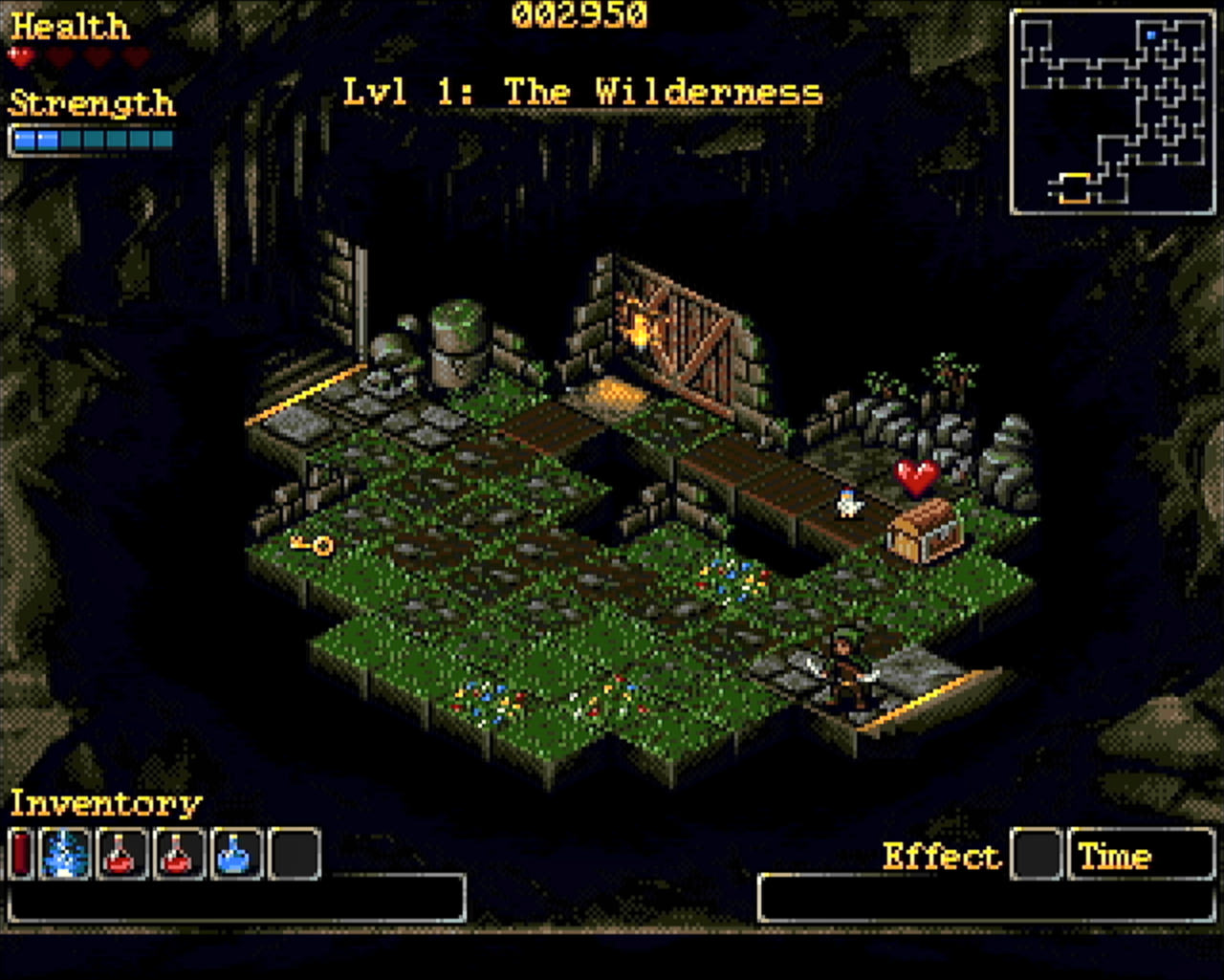
The game world is populated by a range of monsters with playful species names and varying strength levels. At the easier end are numerous white chickens, while tougher opponents include dragon-like creatures and one-eyed floating orbs. New monsters have been added in the DX version. Combat forms the core of Roguecraft’s mechanics, yet no special skill is required: moving the character towards a monster automatically initiates battle.
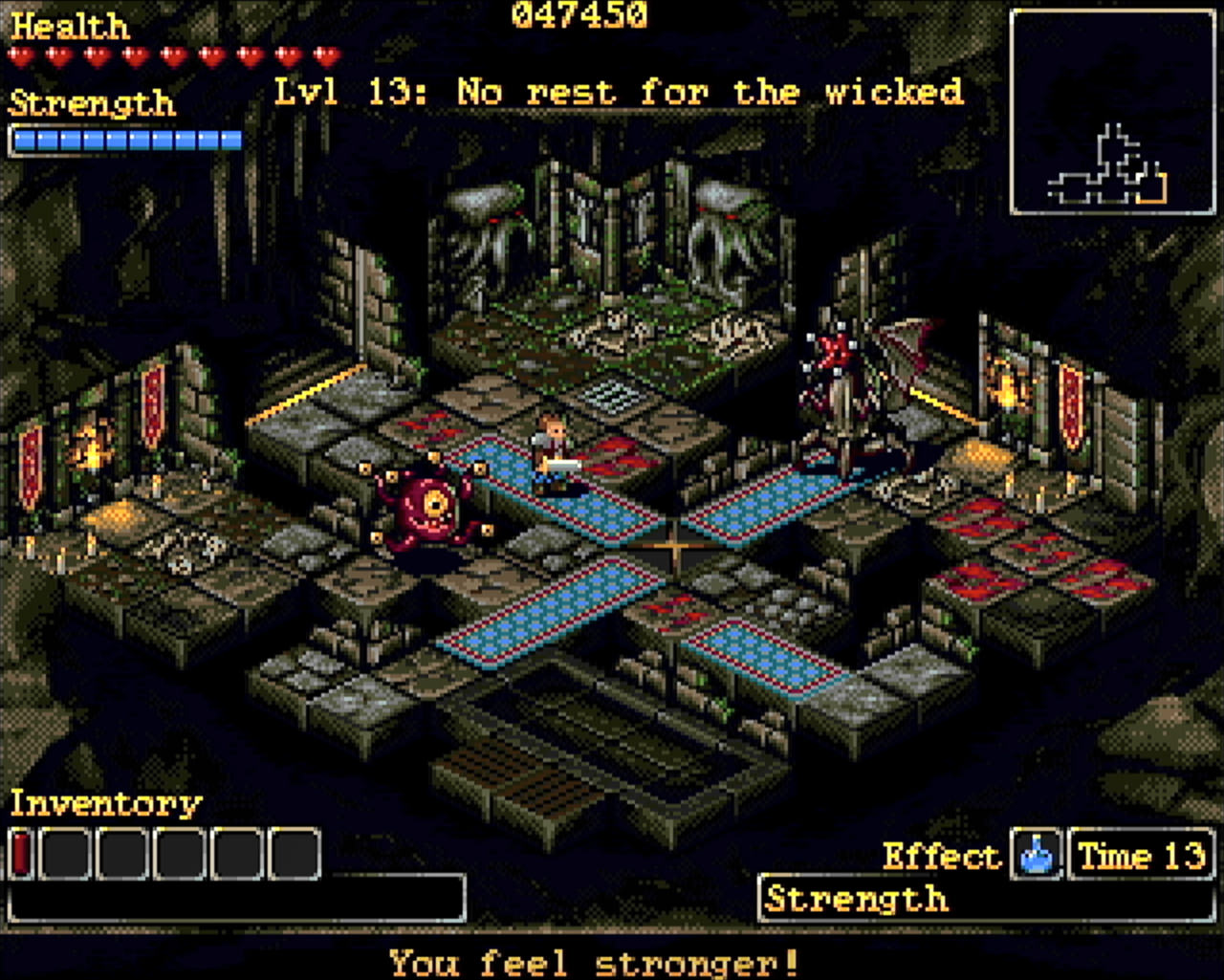
The graphics are tile-based and gameplay is turn-based. Moving one tile equals one turn, and pressing towards a monster equals one attack. Combat outcomes depend on the character’s strength, enemy type and randomness. Health is equally crucial: if it reaches zero, the character dies and the game ends.
Three characters and three difficulty levels
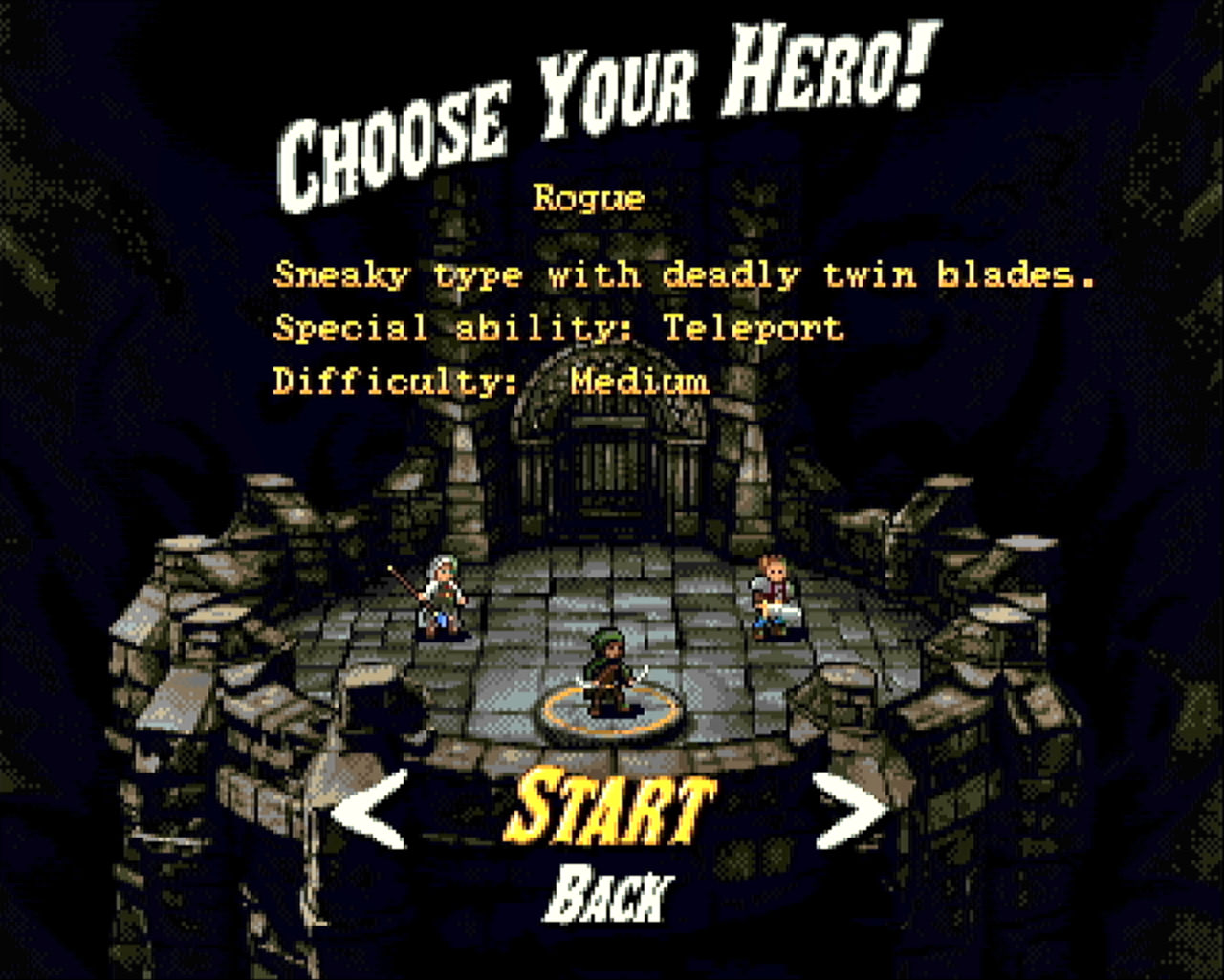
Roguecraft represents role-playing mechanics at their simplest, as the character only possesses health and strength, both of which can increase up to a defined maximum. In addition, each character may have a single special ability, while potions found throughout the game can produce small miracles — such as stopping time or transforming all monsters in a room into chickens. A few new effects have been introduced in the DX version. At the start, players choose between warrior, rogue and mage, which simultaneously determines difficulty level: warrior is the easiest, rogue intermediate and mage the most demanding. Rogue and mage compensate with special abilities that can be used strategically.
I completed both the original and DX versions of Roguecraft with the warrior and rogue. The original features 10 levels, while DX extends this to 15. Each level corresponds to a single labyrinth map. The additional five levels presented some difficulty, but overall the game remains easy — especially since I relied on save-scumming. Completing the original takes roughly an hour, with DX lasting about half an hour longer. Strategy refinement and wiser potion usage gradually create a sense of personal improvement.
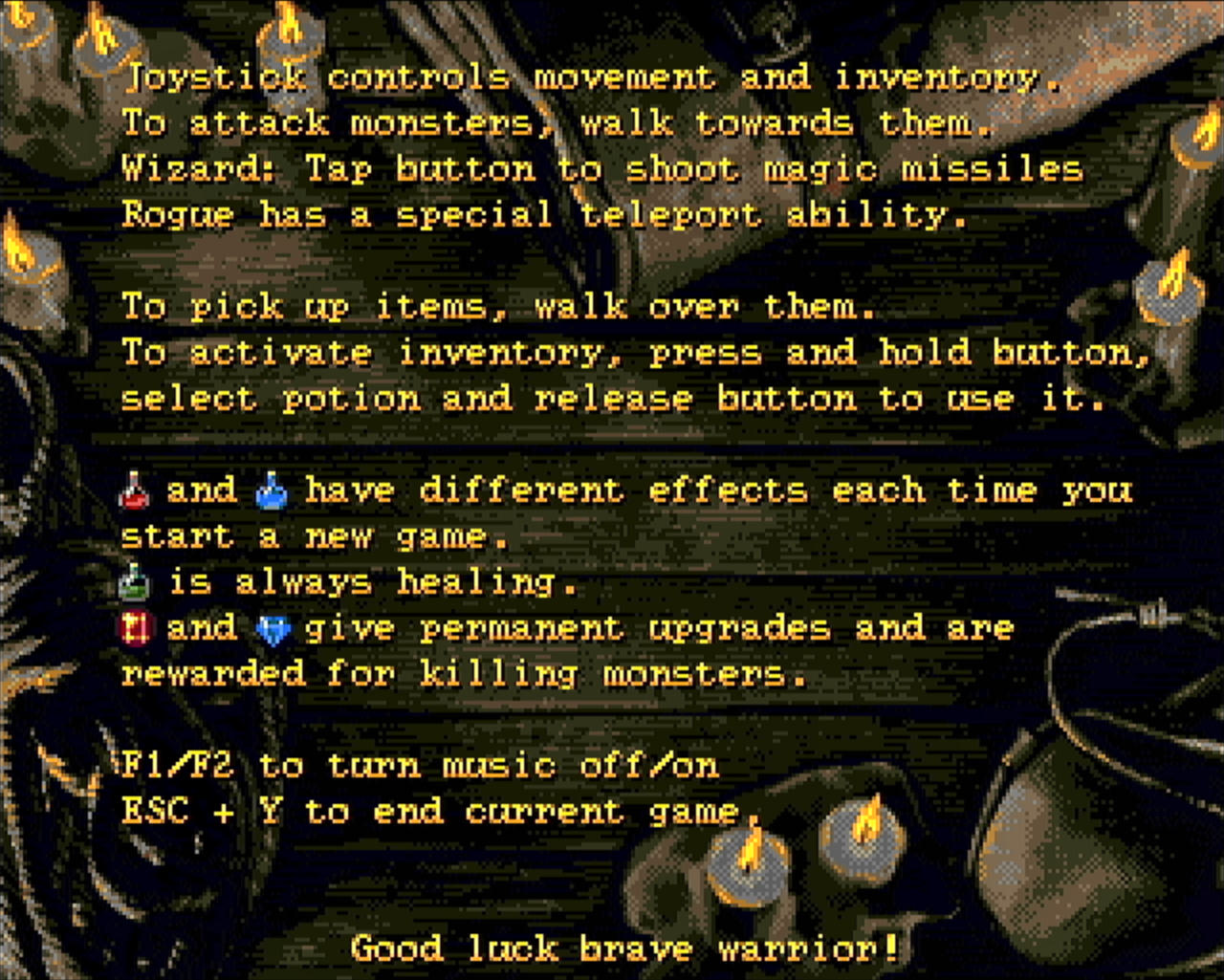
Roguecraft relies heavily on randomness, as combat hits are rolled for both player and enemy. Potions also play a significant role. Three colours exist: red, blue and green. The green potion always restores health, whereas the effects of red and blue potions are randomised each run. With luck they are beneficial; without it, less so. On one occasion I drank a red potion that left my character intoxicated, causing erratic movement. Fortunately, the effect wore off after a limited number of turns. Some potions act instantly, while others persist for several turns.
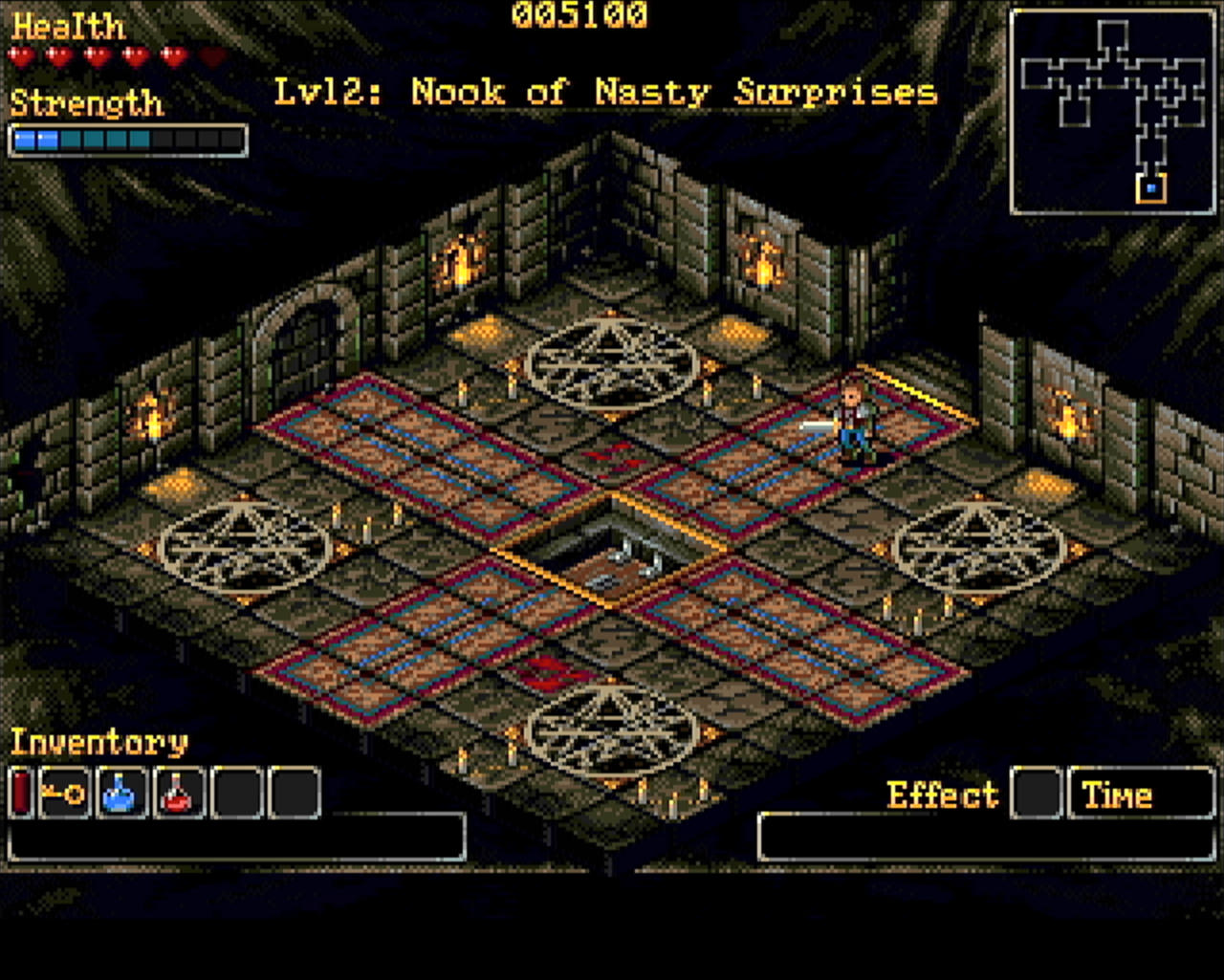
I remained intrigued by the secret rooms, as I only managed to find some of them. These hidden areas lie behind walls, with locations meant to be inferred from visual hints. Inside I found monsters, gold chests and potions — the same items as elsewhere — yet uncovering secret rooms forms one of the criteria shown in the final summary. The developers state that hints for locating them have been improved in the DX version.
The DX version introduces Steam-style achievements that appear during play, encouraging exploration and experimentation. A high-score table is also included, with collected gold converted into abstract points.
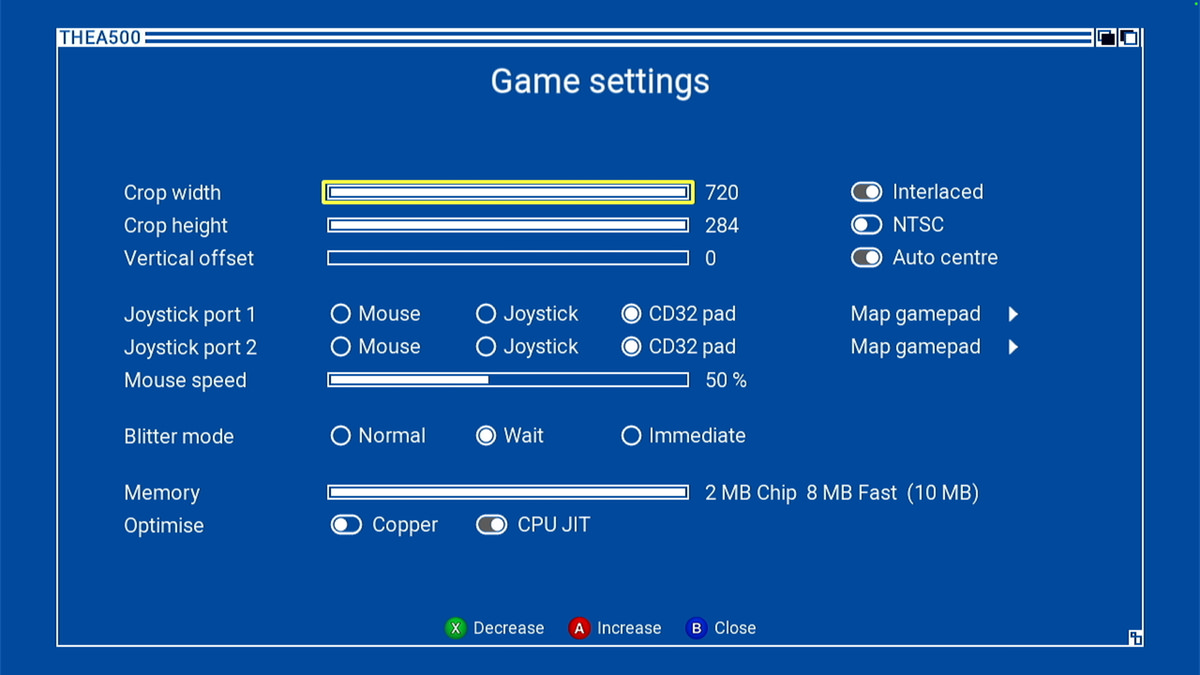
Roguecraft on the Amiga is best experienced through emulation, including on real hardware setups. I own an A500 Mini console, which makes playing Amiga games easy and which I have previously introduced on Samooja. I played Roguecraft comfortably using the Mini’s controller, reminiscent of the Amiga CD32 gamepad.
Musically in Commodore 64 territory
The game’s music is composed by Jogeir Liljedahl. The DX version adds a considerable amount of additional in-game music. The soundtrack adopts a C64-inspired chiptune style that feels somewhat unusual on the Amiga yet remains pleasing. As the game itself builds upon a Commodore 64 foundation, this aesthetic choice feels thematically appropriate. Compared to the rawness of C64 audio, the Amiga version introduces a softer tonal quality. However, the music of Rogue64 was made by another composer, Sami Louko.
Roguecraft’s sound effects are adequate but ultimately overshadowed by the music.
Verdict
I have found the gameplay experience of Roguecraft and Roguecraft DX enjoyable in its simplicity. There remains unfinished business with the hardest character and many undiscovered secret rooms. Badger Punch has delivered solid work, successfully reviving the spirit of the “good old days” while adapting it to modern expectations. Excessive difficulty has been avoided, mechanics remain balanced, controller play is comfortable, pixel art and music are of high quality, and the game world feels varied and detailed. Overall, I would rate my experience at 72 out of 100.
Availability
Roguecraft is available for Amiga emulators, while Roguecraft DX can be played on Amiga emulators, Mega 65, Game Boy Color and Evercade, with a Windows version also promised for the future.