
Dark City: Vienna (2019)
I continued with the Dark City hidden-object game series by playing its third instalment, Dark City: Vienna, released in 2019. The Vienna Opera House has gained a ghost of its own, one that leaves threatening messages and its fiery emblem wherever it goes. The ghost clearly seems to have a serious grudge. Our detective is called in to investigate the case, which ultimately leads to the dark secrets of a toxic workplace. The premise is intriguing, but the story has its gaps. In terms of both audiovisual presentation and gameplay, the third entry is very similar to the first two games in the series.
Dark City: Munich (2018)
I played the second instalment of the Dark City series immediately after finishing the first one. The Munich-set sequel was released at the end of 2018 and centres on the hunt for a werewolf during Oktoberfest. The similarities to the first game are obvious. However, the case itself is new and distinct, and it actually takes an unexpected turn when our otherwise realistic detective witnesses something unbelievable. Compared to the more grounded drama of the first game, this pushes the series much further towards fantasy. The storytelling is also more experimental, and the villain is more convincing. In terms of gameplay, the foundations remain the same, the graphics feel cut from the same cloth, and the soundtrack is so similar that I even wondered whether parts of it had been recycled. Nevertheless, the differences were enough to make the sequel well worth playing.
Dark City: London (2017)
I returned to hidden object adventures with the Dark City series, which visits famous cities while drawing on local history and legends. Dark City: London, released in 2017, is the first instalment in the series. It is a promising beginning visually, atmospherically and mechanically, but its detective story painfully leaves some important questions unanswered. The game represents an early form of modern HOPA design (Hidden Object Puzzle Adventure), combining an adventure-game style narrative and inventory-based progression with hidden object scenes and mini-games. Compared to newer entries, it is fairly straightforward and contains less content.
Enclosure 3-D (2022)

Following in the wake of Leisure Suit Larry, I was reminded of the 2004 graphical text adventure Enclosure, which uses the same Sierra AGI engine as the original Larry 1. In 2022, Enclosure received an update where the pixels were turned into voxels — resulting in a kind of retro 3D. The change isn’t dramatic but clearly noticeable. The graphics seem to lift off the screen, less flat than before; to my eyes, the characters now look more like LEGO figures than pixel sprites. Enclosure is a lovingly made fan project, available for free. What originally drew me to it was the premise: a pair of fraudulent mediums invited to a haunted Arctic station.
Victorian Mysteries: Woman in White (2010)
The second entry in the Victorian Mysteries game series, released in 2010, Woman in White expands the formula from pure hidden object scenes and mechanical mini-games toward a more fully fledged adventure game. The focus is now narrative, and the inventory has multiple slots. This game, too, is based on Wilkie Collins’ novel of the same name. Instead of solving a theft, the player unravels the mystery of the woman in white in all its twists. My overall experience was rather lukewarm. The Victorian setting failed to charm me, and the hidden object scenes were overly easy. Audiovisually, however, the second game is clearly more polished than the first.
The Sexy Brutale (2017)
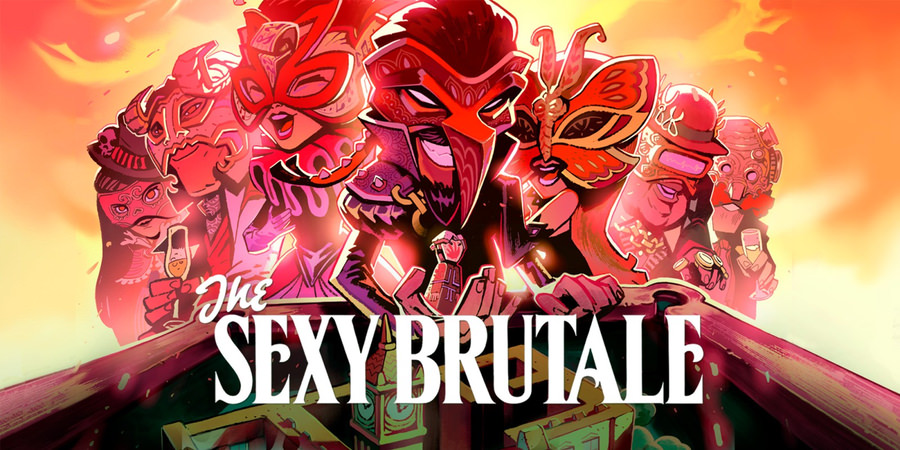
The Sexy Brutale stands out through its bold visual style and memorable soundtrack. This murder mystery set in a fantastical 1920s mansion swept me along, although not without some stumbling. The player character, priest Lafcadio, wakes into the same nightmare over and over again, always to the same Saturday when the Marquis has gathered his friends. It is up to him to discover what is really going on in the mansion and how the time loop could be broken. Although timing your actions precisely is essential, thoroughly exploring the mansion and spying on its guests and staff takes time. The game’s endearing visuals make the horror and dark occultism feel harmless, and its swinging soundtrack keeps the mood brisk.
Tiny Echo (2017)
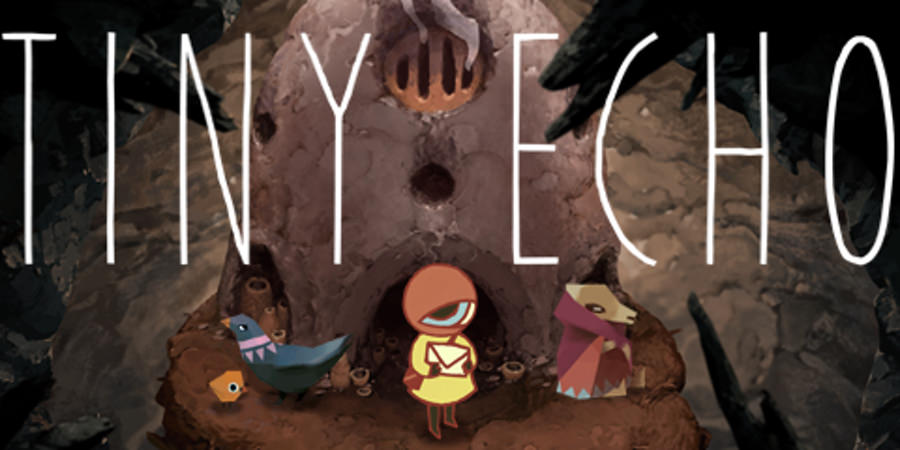
Released in 2017, Tiny Echo feels like a pause — a breath taken in, deep yet feather-light. The player guides a small character named Emi, who receives a bundle of letters from above ground and must deliver them to recipients living underground, or perhaps at the very edge of the earth. This point-and-click game is driven primarily by its visuals, and its sense of “gameplay” is so pared down that it can feel almost illusory. It might be more accurate to describe it as an interactive animation rather than a conventional game — or perhaps as a kind of walking simulator, a wandering experience. Tiny Echo’s world is mysteriously charming, even sensually evocative in a digital sense. A summer night seems to come alive on the screen.
The Excavation of Hob's Barrow (2022)
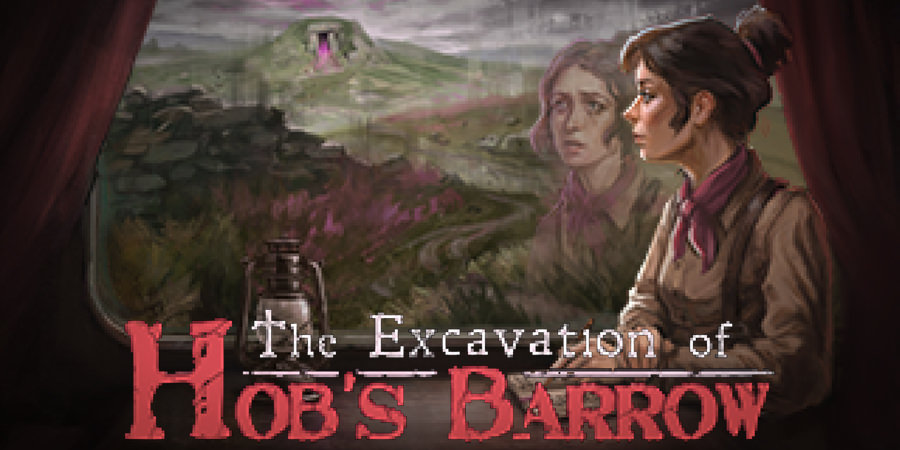
Released in late September, The Excavation of Hob’s Barrow returned me to the comfort of old-school point-and-click adventures. It is the seventh adventure by the small studio Cloak and Dagger Games, and it is published by a true genre icon, Wadjet Eye Games. That partnership ensures excellent voice acting, and the characters left a favourable impression more broadly. Built on ancient belief and folklore, the story is a horror piece set in 19th-century northern England. A young archaeologist arrives in a small remote village to investigate an ancient barrow and is met with conflicting attitudes. Who is who, and who can be trusted? The Excavation of Hob’s Barrow does not settle for a happy ending; instead, it leaves the player wounded, alone with their troubled thoughts.
Fahrenheit: Indigo Prophecy Remastered (2015)
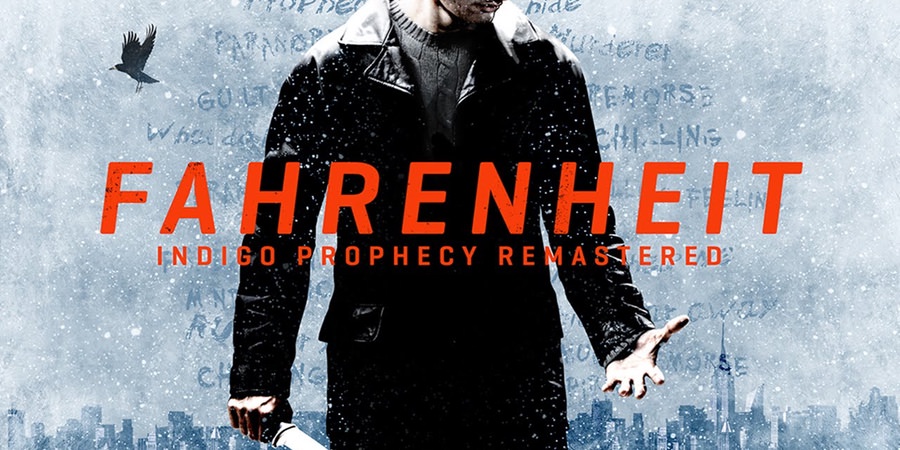
The cinematic action-adventure Fahrenheit by Quantic Dream first appeared in 2005, and a revised edition titled Fahrenheit: Indigo Prophecy Remastered followed in 2015. I played the PC version with a keyboard-and-mouse setup, though controller support exists, as do console releases. This cult-labelled, bleak murder mystery managed to shake and move me even as I wrestled with its controls in frustration. The pull of the story was strong — no surprise that it is often counted among writer-director David Cage’s key works.
Finding Paradise (2017)

Released in December 2017, Finding Paradise follows the memories of a dying patient with the aim of fulfilling their final wish. It acts as a connective link between two earlier adventure games by the same creator, To the Moon and A Bird Story. Designer Kan Gao has found his own way of telling stories. His games combine a simple but mechanically distinctive adventure framework with cinematic storytelling. They are small in scale and modest in appearance, yet a sensitive heart beats within them. They are like revealed secrets, or stories that usually remain hidden beneath the noise and bustle of the world. You have to stop and listen.