
Dark City: Vienna (2019)
I continued with the Dark City hidden-object game series by playing its third instalment, Dark City: Vienna, released in 2019. The Vienna Opera House has gained a ghost of its own, one that leaves threatening messages and its fiery emblem wherever it goes. The ghost clearly seems to have a serious grudge. Our detective is called in to investigate the case, which ultimately leads to the dark secrets of a toxic workplace. The premise is intriguing, but the story has its gaps. In terms of both audiovisual presentation and gameplay, the third entry is very similar to the first two games in the series.
The Dark City series was created by 4Friends Games, now known as Friendly Fox Studio. As of July 2026, the series consists of 11 games. Each one is set in a famous city plagued by what appears to be a supernatural force. However, the detective controlled by the player approaches every case with a realistic mindset, and the mysteries generally receive realistic explanations. The games blend history with fantasy, making extensive use of horror imagery. The earlier entries represent the early form of the HOPA genre.
I have previously reviewed the first two games in the series on Samooja: Dark City: London and Dark City: Munich.
Behind the Curtains of the Opera
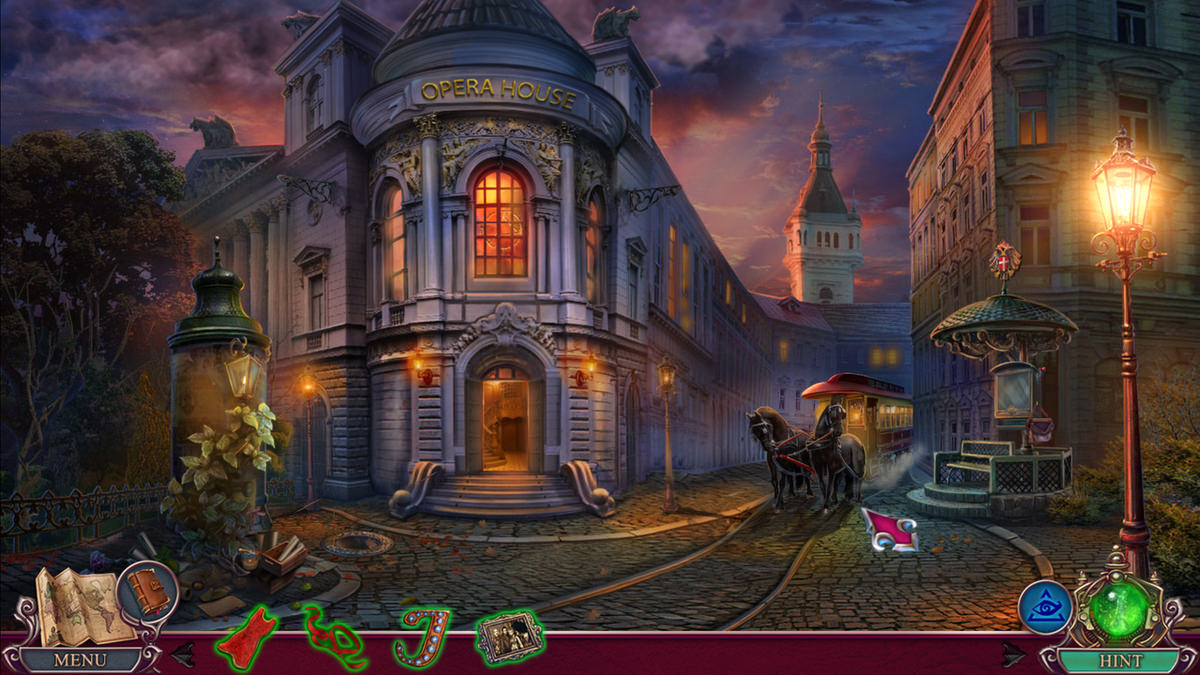
Our detective's reputation has spread far and wide, and now his help is requested in Austria. Sofia, the Vienna Opera House's leading soprano, has been murdered, and a vengeful ghost is threatening the lives of the new prima donna and the opera's patron. The ghost is rather fond of its own fiery emblem, drawing it everywhere. There is something distinctly theatrical about its methods.
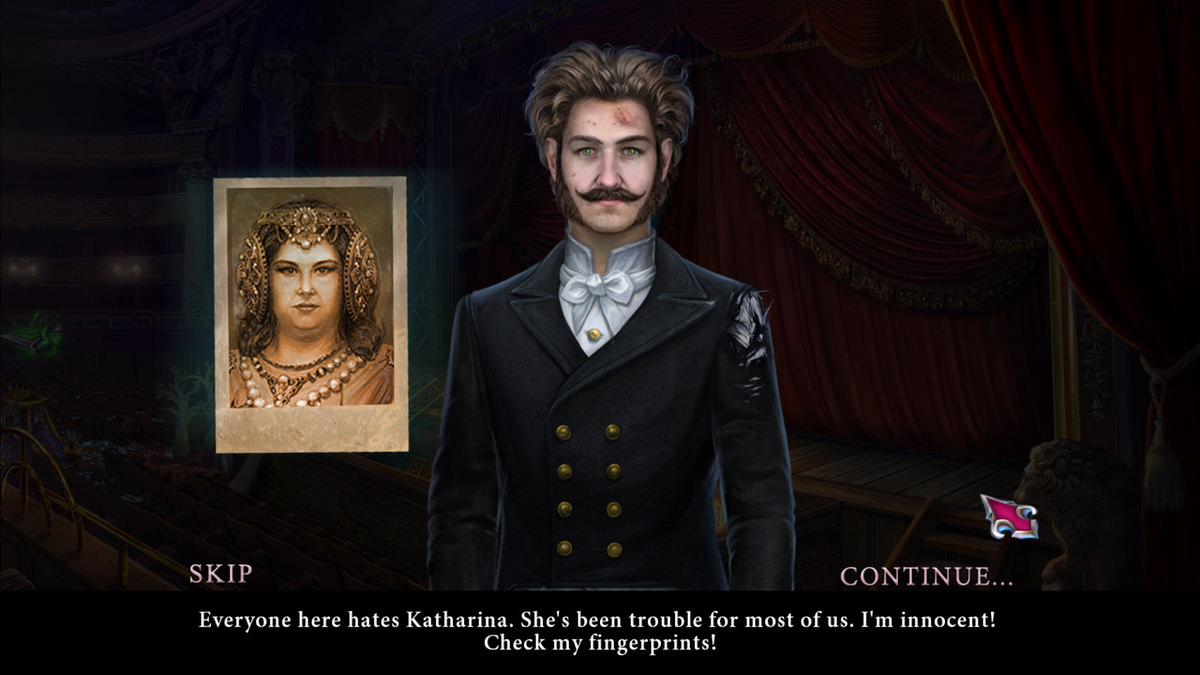
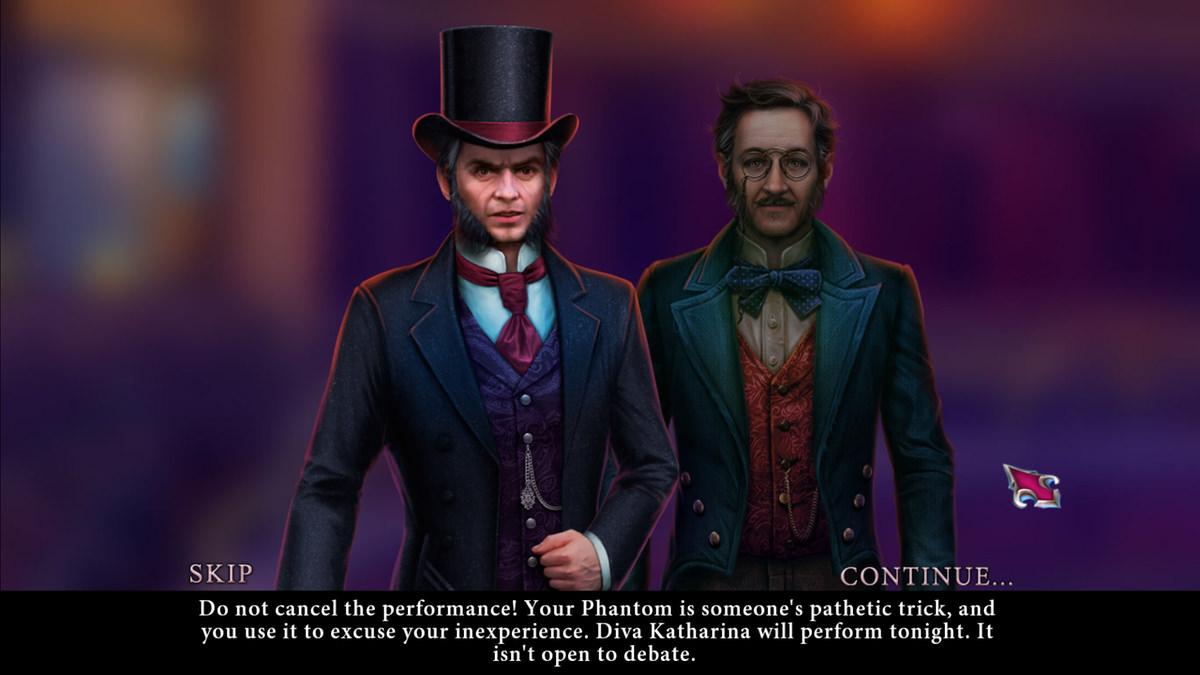
As the detective begins investigating the background of the case, he discovers a power struggle taking place behind the scenes at the opera house. The new diva has an enormous ego. She has taken a dislike to the resident composer, Johann Strauss Jr., and wants anyone who does not support her stardom dismissed. The composer's feelings towards the diva are hardly warm either. Although the opera house has its own director — the very man who summoned the detective — the real power lies with Mr Steiner, a wealthy businessman and patron of the opera. Who murdered the former leading soprano, and who seeks to avenge her? The detective has several suspects for the role of the ghost.
The plot initially appears promisingly tangled, but unfortunately the third instalment suffers from much the same problem as the first game. Neither the motive behind Sofia's murder nor the method by which it was carried out is ever made clear, even though both form the very foundation of the entire case. In my opinion, it is impossible to understand the ghost's actions without this information. Writing a watertight story has proved surprisingly difficult for the developers. They did, however, manage considerably better in the Munich-set second instalment.
Story is extremely important in modern HOPA games. It lies at the very heart of every adventure game. You cannot simply assume that players will not ask questions. When they do, they deserve answers. Of course, it is possible to invent explanations to fill the gaps left by the story. One can imagine relationships between the characters that the game never mentions, for example, but I still regard that as a failure in the writing.
Eye Candy Accompanied by Violins
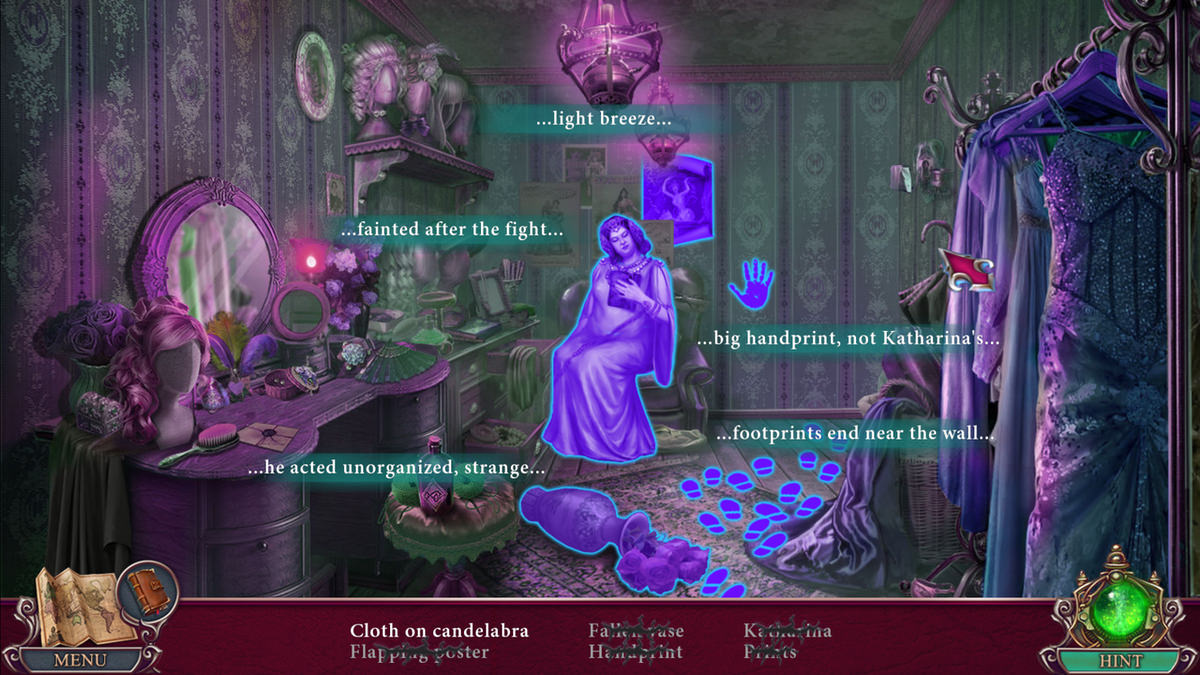
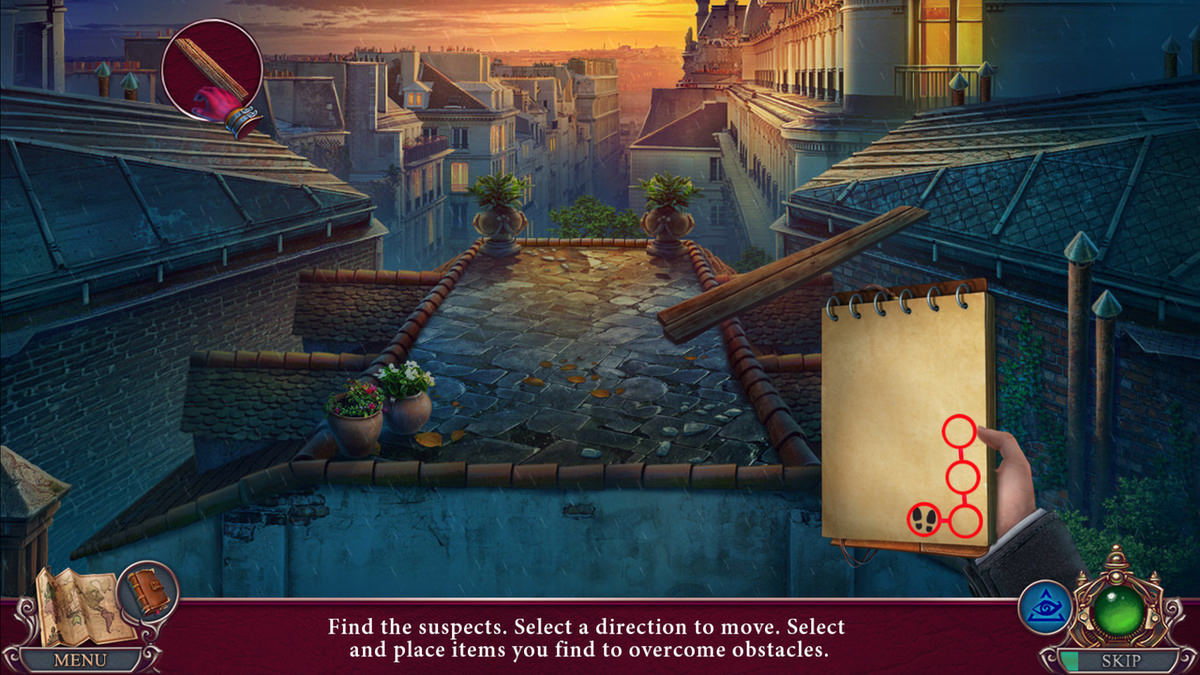
The graphics in Dark City: Vienna are on par with the previous entries in the series. Once again, the game takes place at night, but the colours are rich and vibrant. In addition to the game's fantastical realism, the detective's "hawk vision" and "mental reconstruction" have their own distinctive visual style. The sepia-toned animated sketches from the earlier entries, however, are gone.
The soundtrack continues along the path of string-dominated orchestral music, and the characters are fully voice acted. The detective and the fortune teller (yes, she's here again!) are voiced by the same actors as before. Coachman Vince is unfortunately absent this time, but he has been replaced by a local tram driver. I find these transport operators to be one of the series' more charming recurring features.
I finally realised why I had paid so little attention to the sound effects in the previous games. I had been using the default audio settings, where the music volume is so high that it largely drowns out the sound effects. This time I lowered the music volume and was able to appreciate them more clearly. There was nothing particularly remarkable about them, though. They consisted mostly of simple chimes and rustling sounds.
A Bundle of Decent Puzzles
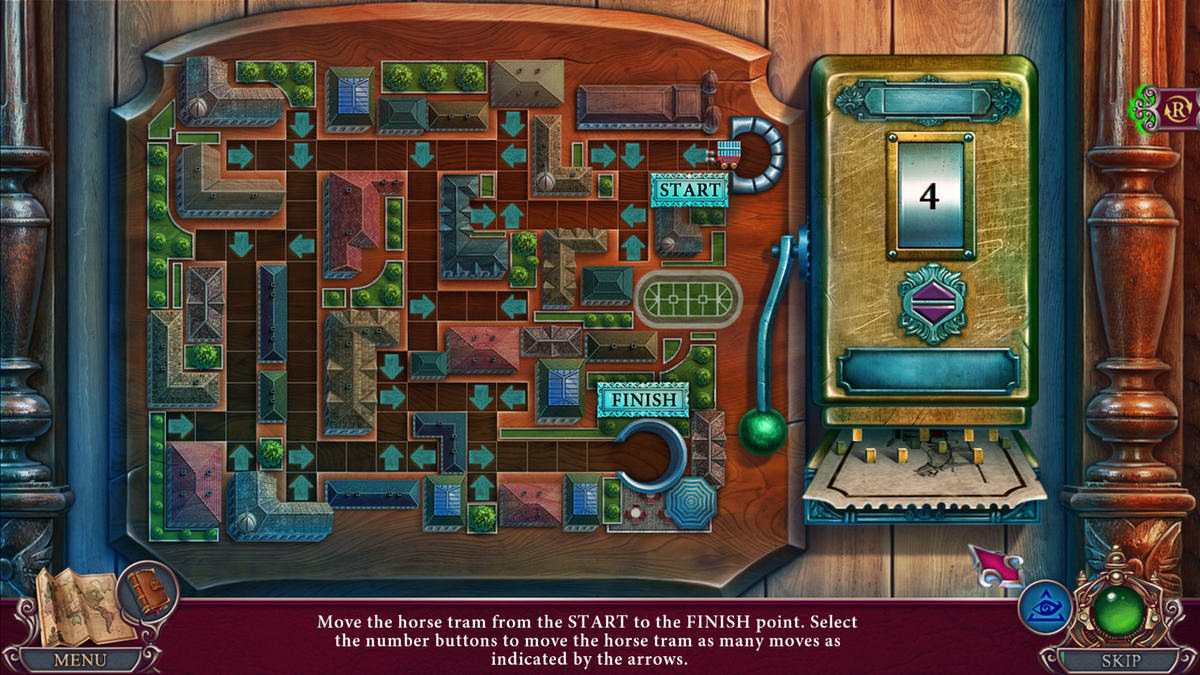
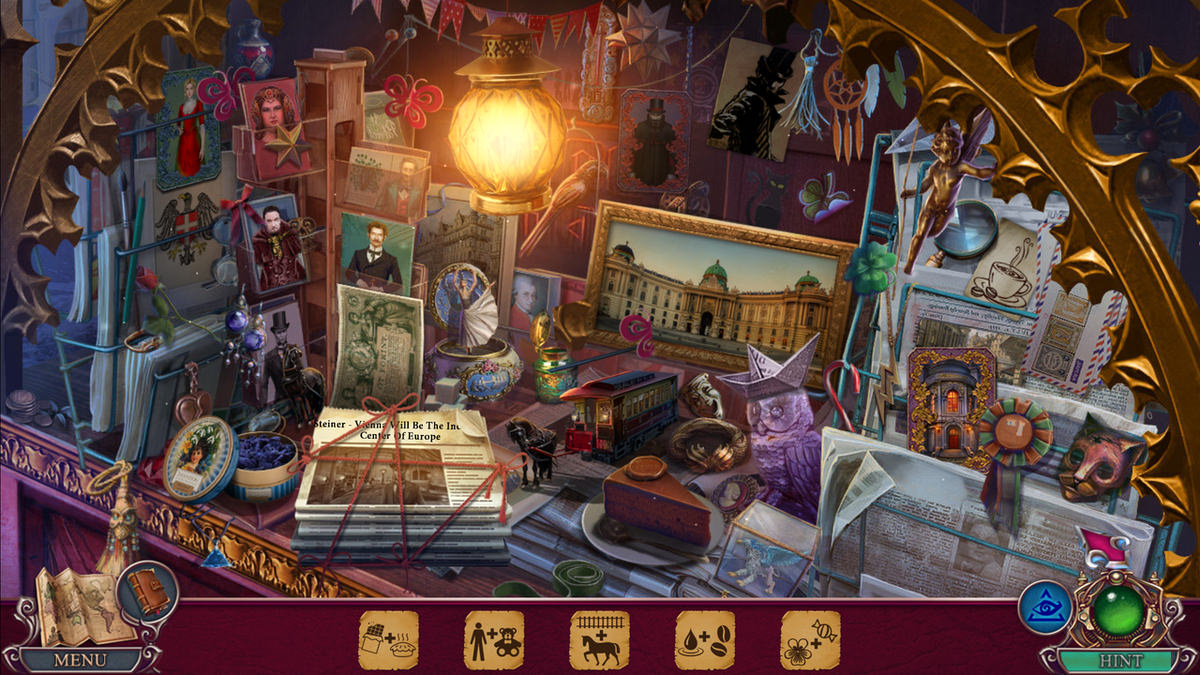
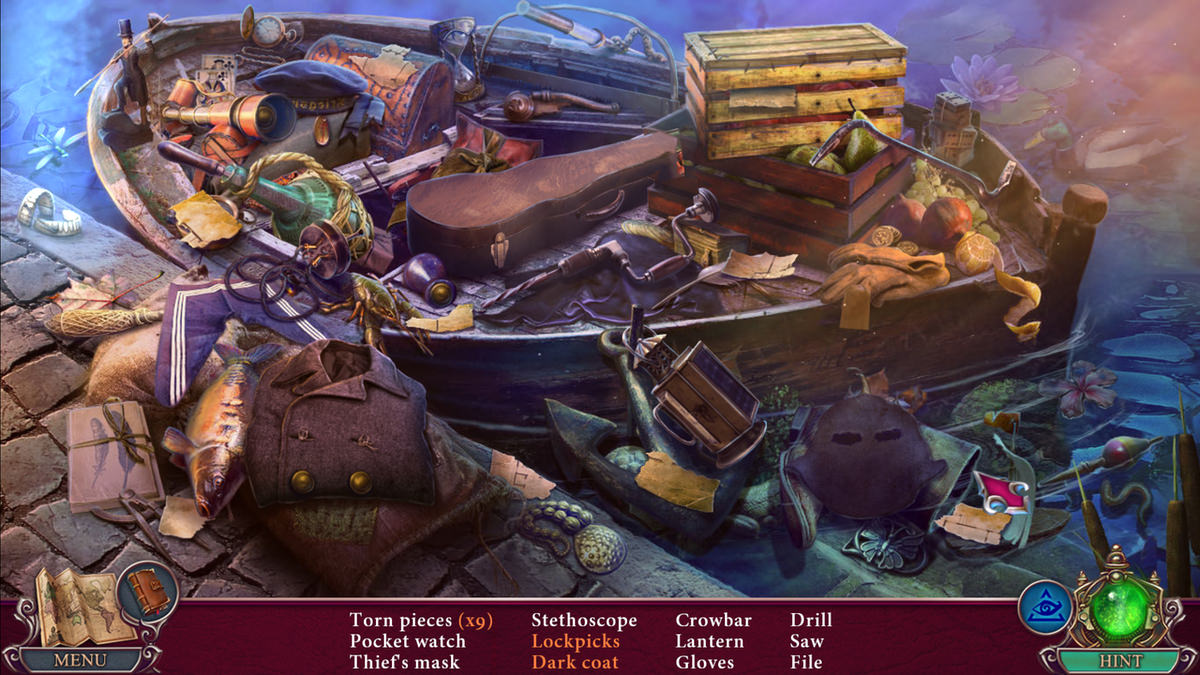
Gameplay consists of traditional hidden-object scenes based on word lists, along with a handful of other variations. I found them all enjoyable enough, although they were generally on the easy side. The puzzle-style minigames included a few clever ideas as well. I found those easy too, with the exception of one that I ended up skipping.
I played on the easiest difficulty setting, which may not have been the wisest choice. Perhaps I should move up to at least the advanced difficulty in future. You can choose between casual, advanced and expert at the beginning of the game, and you can even switch between them or customise the settings while playing. My playthrough lasted only two and a half hours, suggesting that the game is fairly short in terms of both story and gameplay.
This time I found the map slightly more useful than in the previous games. The inventory-based tasks revolving around locks seemed more spread out, requiring more backtracking between locations. I'm not sure whether this represents an improvement in game design. It did, however, lead me to use the hint button more frequently.
Verdict
Dark City: Vienna offers attractive visuals, just like every other game in the series. The story initially felt promising thanks to its multiple suspects, but ultimately it left me first confused and then disappointed. From a gameplay perspective, Dark City: Vienna offers a balanced mix of hidden-object scenes, minigames and inventory puzzles, although it provides very little challenge.
I noticed that I began questioning my decision to play through the entire series, as I saw no meaningful development in this third instalment. I'll probably put the series aside for a while and play something else instead.
I give Dark City: Vienna an overall score of 64 out of 100.
Availability
Dark City: Vienna is available for Windows PCs as well as Android and iOS devices. A Collector's Edition is also available.