
It Came from the Desert (1989)

The action-adventure game It Came from the Desert from 1989 offers not only a retro Amiga experience but also a time warp into the science-horror films of the 1950s. A radioactive meteorite crashes into the small Californian town of Lizard Breath, causing the local ants to mutate. The geologist who arrives to examine the crater — the character controlled by the player — recognises the danger, but no one believes him. The geologist becomes an unlikely action hero whose mission is to collect evidence of giant ants and fight them. The game has an intriguing atmosphere and the makings of a cult classic, but it is also too rushed for leisurely enjoyment because everything plays out in real time. It Came from the Desert can be played not only on an original Amiga and via emulators but also on a modern Windows PC, as it is included in the Cinemaware Anthology Collection.
Titanic: Adventure Out of Time (1996)
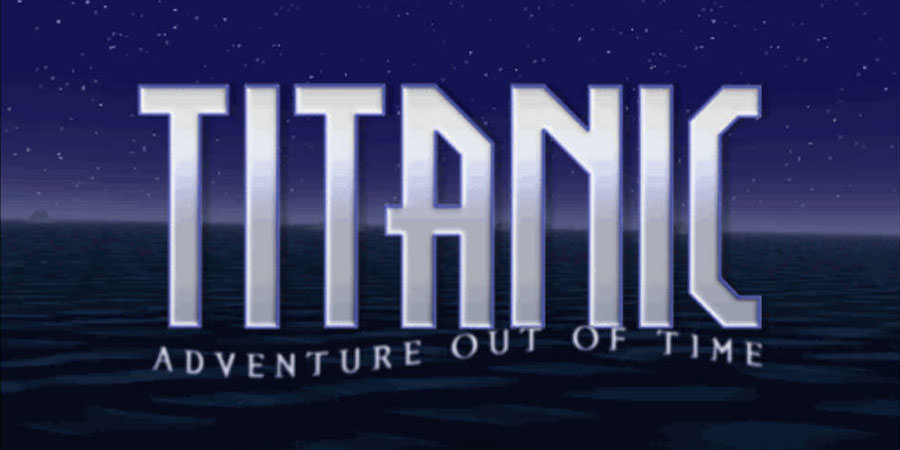
Released in 1996, Titanic: Adventure Out of Time conveniently anticipated the following year’s successful Titanic film and sold well in its wake. Just over a week ago, at the end of 2017, it was officially released for modern Windows computers — officially, it should be added, as the game had long been available under the false assumption that it was abandonware. Awareness of the ship’s inevitable sinking creates a particular tension in this adventure game. A four-part main objective, side tasks, and a large cast of characters make it fairly complex, and navigating the long, multi-deck ship is challenging. In terms of premise and period, it immediately brought The Last Express to mind, and I could not help comparing the two.
Déjà Vu: A Nightmare Comes True (1985)

The 1985 release Déjà Vu, originally developed for the Macintosh, is one of the pioneers of point-and-click adventures. Its interface mirrors the graphical operating system of the time with multiple separate windows and icons, and everything is controlled by clicking, dragging and dropping objects with a mouse. It may initially sound clumsy and even confusing, yet this first entry in the MacVenture series works surprisingly well and logically. It is historically significant and thoughtfully designed.
The Last Express (1997)
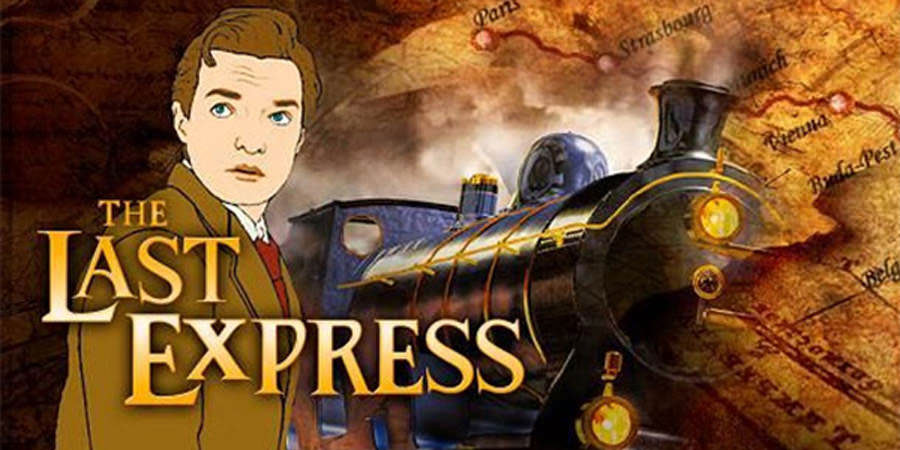
Released in 1997, The Last Express stands as a highly distinctive adventure game. Several unusual design choices interact to create something memorable and unique. Breaking conventions always entails risk, and reactions have been divided since day one — many praise The Last Express while others find it deeply frustrating. For me, it required crossing a certain threshold of understanding before I could fully appreciate it.