
The Procession to Calvary (2020)
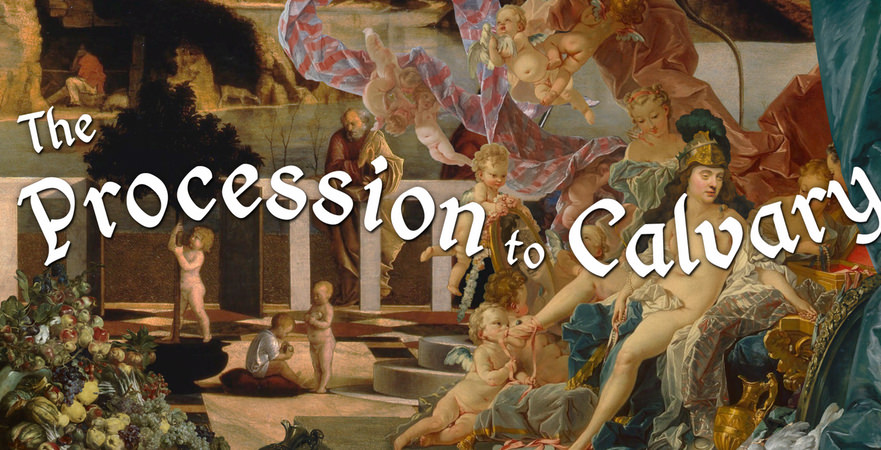
The 2020 point-and-click adventure The Procession to Calvary follows in the footsteps of Joe Richardson’s previous game, Four Last Things. It takes place in the same, or at least a similar, world collaged and composed from Renaissance paintings. However, both the protagonist and the driving force have changed. This time, the player controls a female warrior who uses a religious war as an excuse for her own bloodlust, while Christianity is subjected to cruel, carnivalesque satire. The Procession to Calvary is a journey to the dark side of Christianity and its obscure outskirts.
Distraint 2 (2018)
Jesse Makkonen’s 2015 horror adventure Distraint received a sequel in November 2018. Distraint 2 continues exactly where the first game left off: rock bottom. This time, however, the bailiff Price begins to climb back up and sets out in search of Hope. He confronts greed, guilt, fear, and pain, and finally listens to the voice of Reason. To me, Distraint 2 felt more mature than Distraint in terms of gameplay, visuals, and its horror elements. The story, too, is less naïve and more grounded, even though its dreamlike quality remains strong. In Distraint 2, the calmness of point-and-click adventure design blends effectively with an ominous atmosphere.
Distraint: Deluxe Edition (2017)
Distraint is a one-man adventure game by Finnish developer Jesse Makkonen. It was originally released in 2015, followed by an improved Deluxe Edition in 2017. This small gem nearly passed me by, and I only picked it up through GOG.com’s free giveaway earlier this year. Distraint tells a story about the collision between greed and compassion. The player controls Mr Price, who is forced to evict the underprivileged from their homes in order to earn a partnership in a successful real-estate company. The game’s ethics and narrative may come across as naïve, but there is something sincere and genuine about them. The audiovisual presentation is appealing and worth experiencing on its own. From a gameplay perspective, Distraint is simple and at times clumsy, though it does include a handful of interesting puzzle situations.
15 Days (2010)
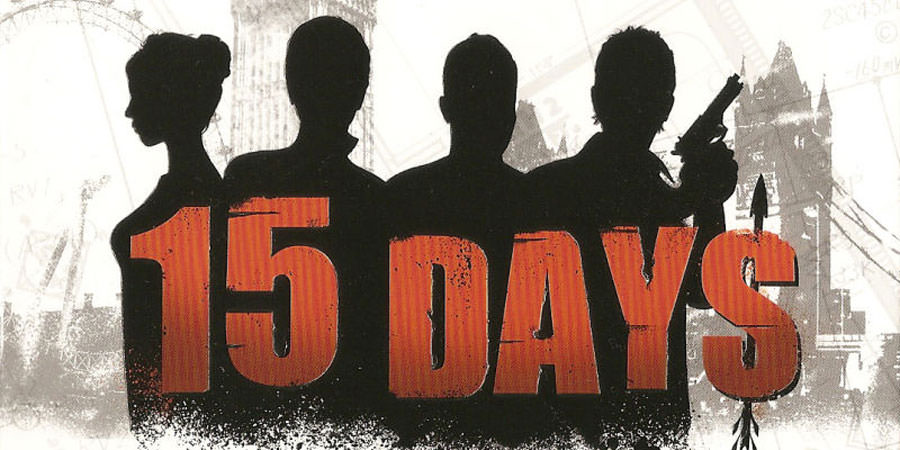
The 2010 adventure game 15 Days follows a trio of ethical art thieves. Living in a shared London flat, they break into museums and steal paintings on commission, then donate the proceeds to charity. The moral question is present from the start, deepening and complicating itself as the story unfolds. Perhaps because of this, the ending left me unsatisfied. 15 Days received a cold reception upon release — and still does. Some criticism is outright devastating, yet I wanted to give the game a chance, and I don’t regret doing so.
Four Last Things (2017)
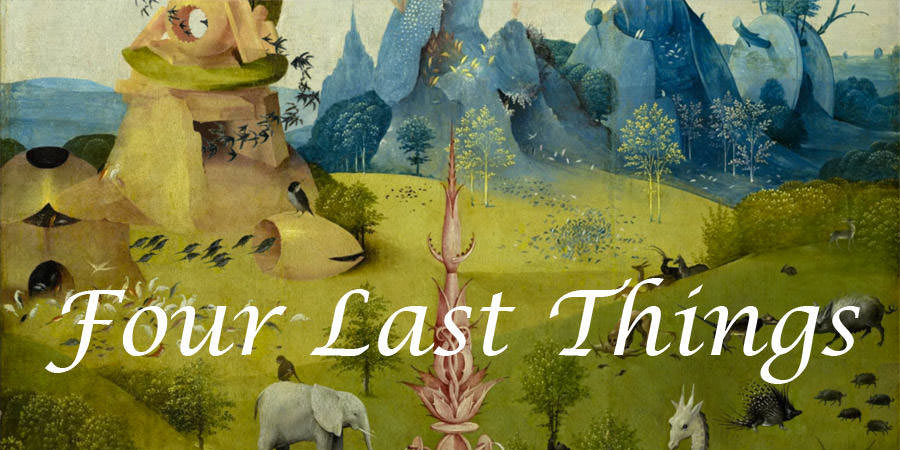
Religious themes are a rarity in games — magic and moral dilemmas, yes, but theology seldom. Released in late February, Four Last Things borrows directly from Christian doctrine: the Fall of Man and the Last Judgment. Its most distinctive feature is its collage-like art made entirely from Renaissance paintings. I found the game both fascinating and repellent — as amusing as it was unsettling.
Always Sometimes Monsters (2014)
I made two indie discoveries in this summer’s GOG.com sale. They had never ended up on my radar before — perhaps because of their modest visibility, perhaps because of my own selective gaze. Both have nevertheless gathered a dedicated fanbase over the years, and I have to say that Always Sometimes Monsters from 2014 won me over as well. Beneath its naïvely cute exterior lies surprisingly serious thematic depth.
The Samaritan Paradox (2014)
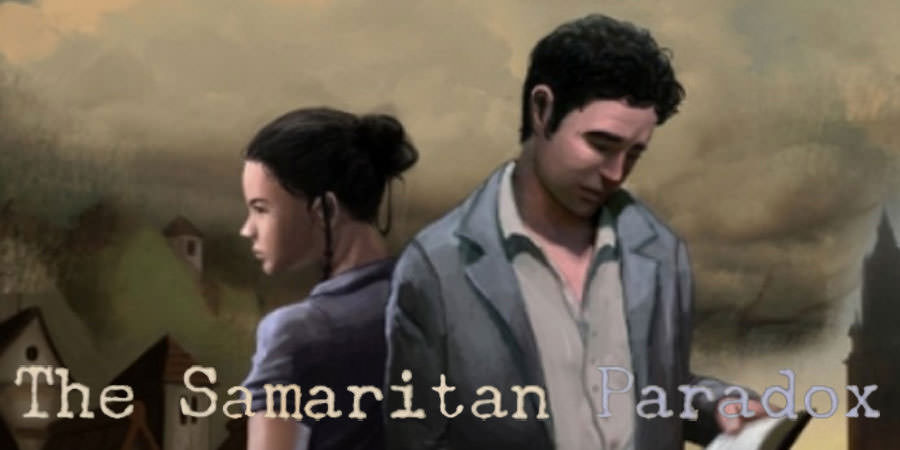
Released in April 2014, The Samaritan Paradox is a retro-styled adventure game set in 1980s Sweden, dealing with social and moral themes. It is the first production by the Swedish studio Faravid Interactive and, as such, an ambitious and wide-ranging project. At the same time, it suffers from uneven quality in its puzzles, writing, and audiovisual execution.
The Shivah: Kosher Edition (2013)
Founded by Dave Gilbert, Wadjet Eye Games has been producing entertaining and distinctive indie games since 2006, applying a classic adventure-game formula in personal ways. Released in November 2013, The Shivah: Kosher Edition is a remake of Gilbert’s first commercial project and certainly one of the most unusual adventure games ever made.