
15 Days (2010)
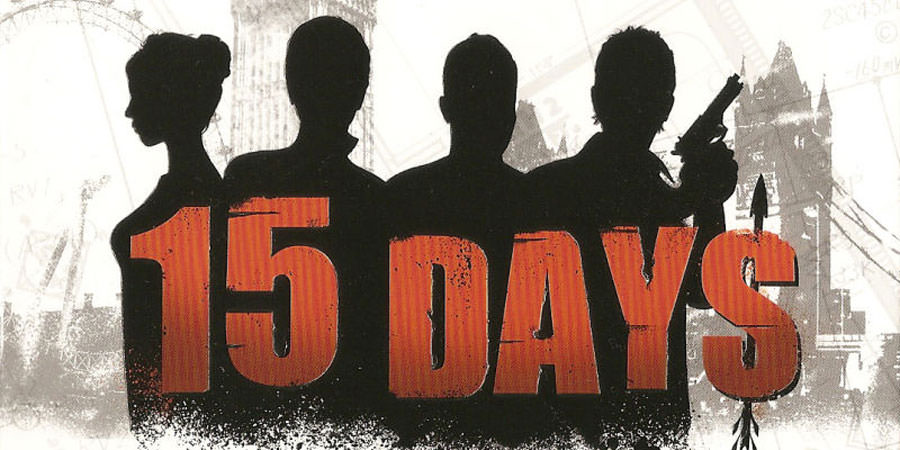
The 2010 adventure game 15 Days follows a trio of ethical art thieves. Living in a shared London flat, they break into museums and steal paintings on commission, then donate the proceeds to charity. The moral question is present from the start, deepening and complicating itself as the story unfolds. Perhaps because of this, the ending left me unsatisfied. 15 Days received a cold reception upon release — and still does. Some criticism is outright devastating, yet I wanted to give the game a chance, and I don’t regret doing so.
15 Days was developed by the now-defunct German studio House of Tales, also known for Overclocked: A History of Violence (2008) and The Moment of Silence (2004). I have played both, and Samooja features my review of Overclocked. All three are written and directed by Martin Ganteföhr, whose focus has always been interactive storytelling. This is crucial here — much of the negative reception targets the fact that in 15 Days the player often becomes a passive observer rather than an active participant.
It took me roughly seven hours to complete.
Three thieves and a cop
As a thriller, 15 Days is solid. Narratively it uses multiple perspectives. Most of the time you control Cathryn, a young art-bandit convinced of the righteousness of the trio’s actions. She struggles with her father — disapproving of his deeds yet raising the question of how she herself is any better. Cathryn is the group’s active operative — she carries out the thefts and also plans them.
The second member, Mike, is an egocentric hacker — confident to a fault. He cracks security systems and gathers intel but struggles with arrogance, which sometimes manifests painfully in conversation. The game features many tense exchanges, and Mike’s loyalty becomes crucial.
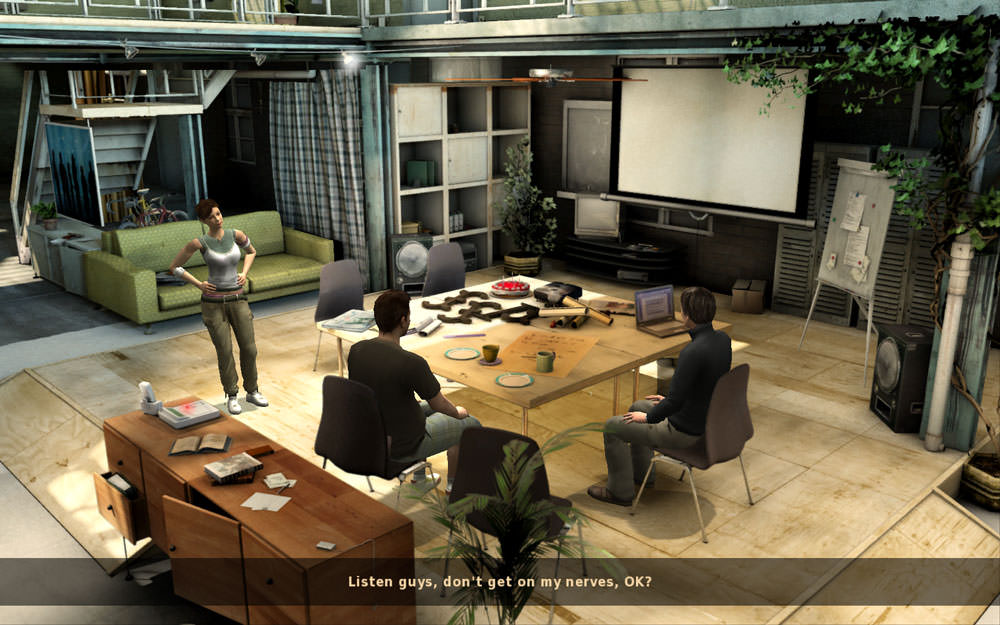
Bernard, the third member, is an older Belgian immigrant and a mathematician by education. His role is ambiguous. Not a leader, not a coordinator — to the player, he serves more as a source of doubt than a true participant. His life is marked by financial trouble and a failed marriage.
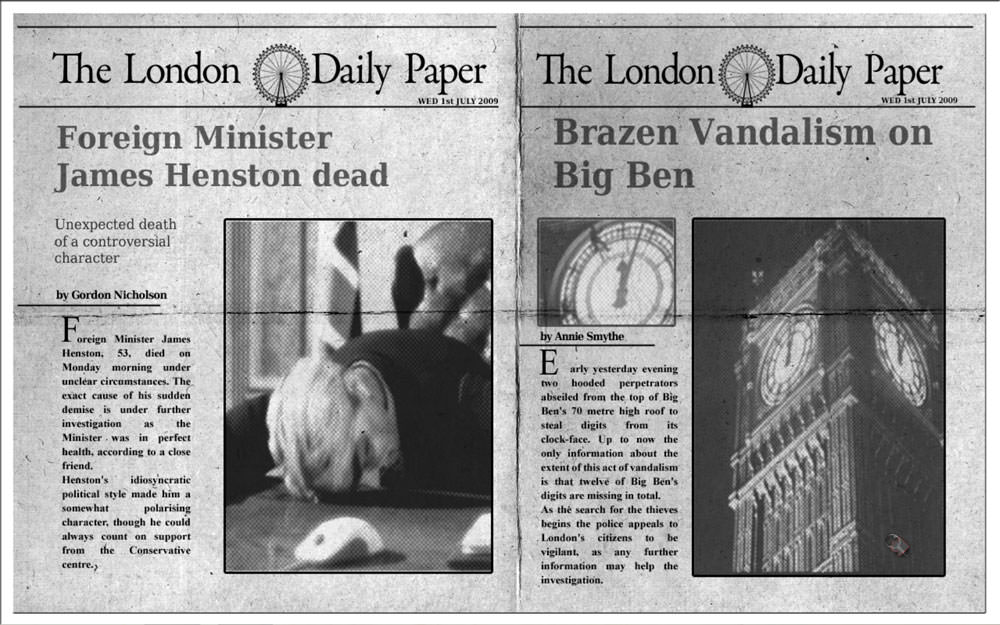
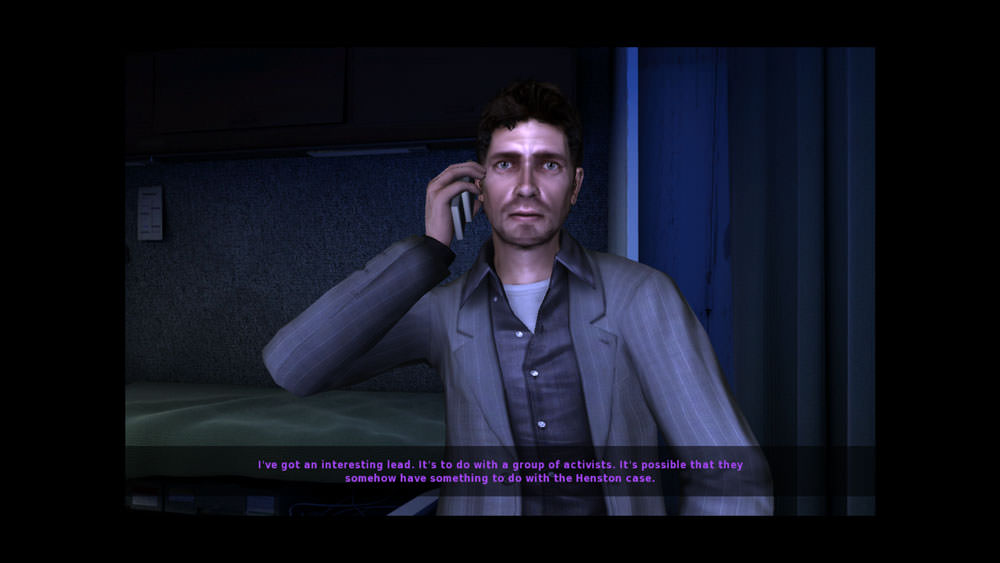
Occasionally, you control Jack — an American police officer, effectively the second protagonist. His investigation initially has nothing to do with the art thefts but with the minister’s murder. The two cases unexpectedly align, and Jack digs deeper. He is cynical, battered, and frequently yelled at by his superior. The world does not treat him kindly.
Unconvincing 3D graphics and animation
15 Days uses cinematic cuts and shifting camera angles, giving the story a sense of motion. Yet this does little to mask the stiffness of the character models — if anything, it emphasises it. Many have criticised the lack of facial expression and poor lip sync. Voice acting, at least in English, is strong.
The backgrounds are photographic and realistic; the locations themselves are interesting. Music is adequate and changes periodically. There are few inspectable objects and narration triggers, and the inventory sees little creative use. It exists, but without depth or challenge.
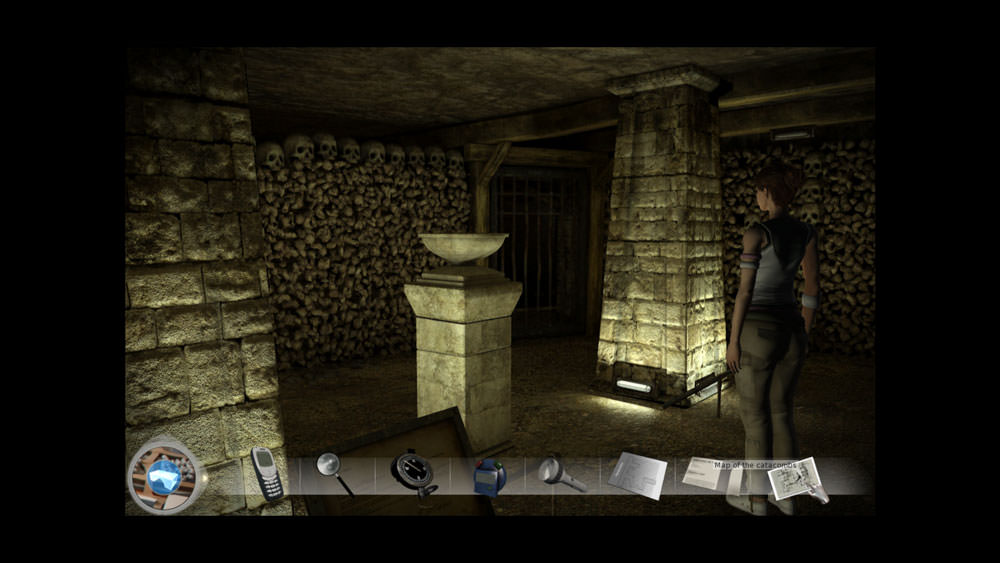
When it comes to planning and executing the heists, nothing is particularly clever — nor especially realistic. Everything goes a little too smoothly, and there is virtually no stealth to speak of. Based on the animations, the trio stroll through target locations quite openly, which in real life would undoubtedly raise suspicion.
Yet the story moves forward with ease, and the coincidences that smooth the heists feel justified from a narrative standpoint. After all, high-level thieves and agents may well experience “luck”: they improvise with whatever circumstances offer, and simply by being present — loitering, observing, waiting — they can learn far more than one might expect.
Player or spectator?
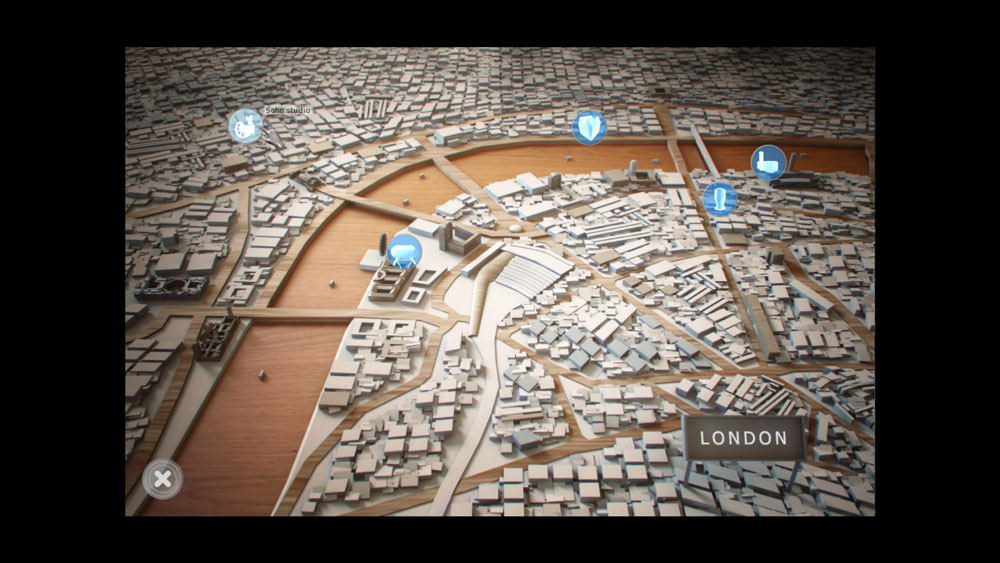
You perform the heists yet also investigate them from the other side. These conflicting roles create tension — especially when Jack and the trio risk crossing paths. Their interpersonal fractures also deepen. 15 Days has sharp dialogue, but diplomacy and humour cannot solve everything.
There is always much happening, yet the player’s influence feels minimal. Perspective shifts, but the structure is rigid. After long cutscenes, control might return only to let you walk off-screen with a single click. It feels as though a linear film has been made interactive, rather than an interactive story written from the ground up.
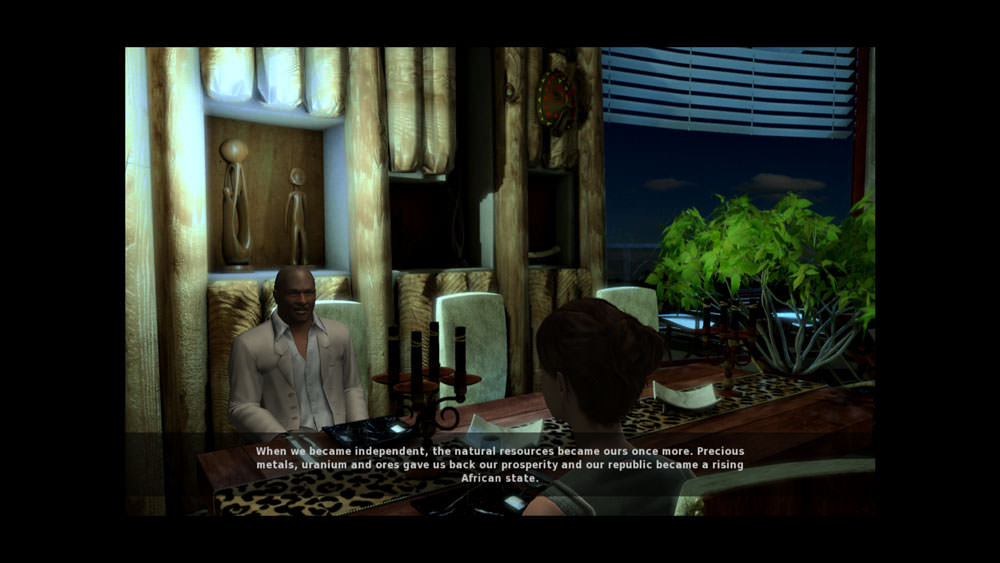
Mechanically, 15 Days barely functions as a point-and-click adventure. “Interactive animated film” feels more honest — and not inherently worse, unless expectations differ.
Verdict
As a narrative, 15 Days is a mature thriller that raises compelling questions. No one — not even a tyrant — is purely good or evil. Characters exist in shades of grey. As a game, however, 15 Days is average and easy, neither inventive nor mechanically satisfying.
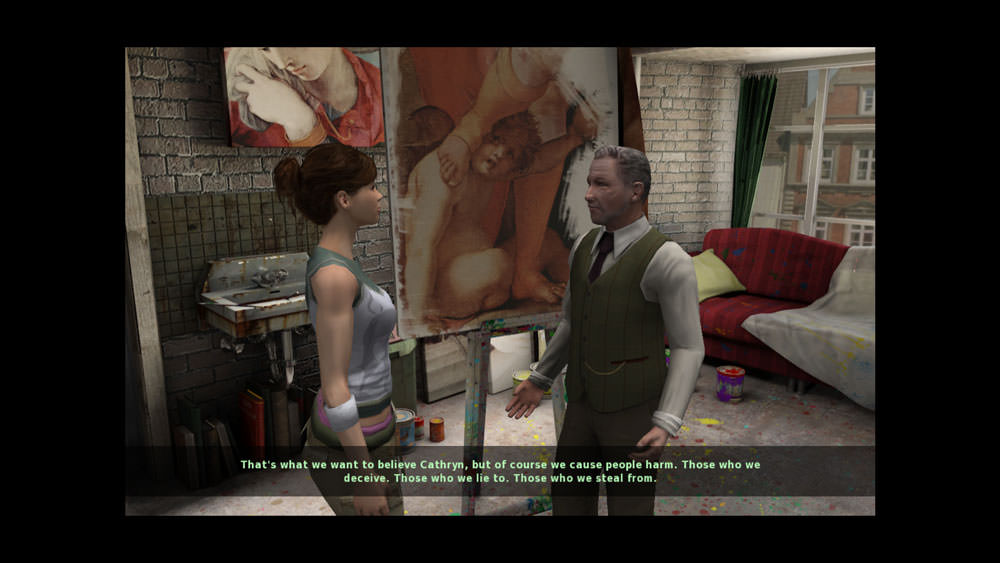
Visually, the game sits awkwardly between good and bad. I found myself staring at expressionless faces, yet the backgrounds offer relief. Editing gives the story rhythm, but the overall impression now feels dated. Voice acting is strong, and the music is fine.
My final score: 57 out of 100.
Availability
15 Days is available for Windows on GOG and Steam.
I experienced occasional crashes — widely reported in reviews — and they have never been fixed. My copy was from GOG, so the issue is not exclusive to Steam. Frequent manual saves are essential. Twice I had to skip scenes entirely with Esc to proceed, leaving small gaps in the story.