
Darkmere: The Nightmare's Begun (1994)
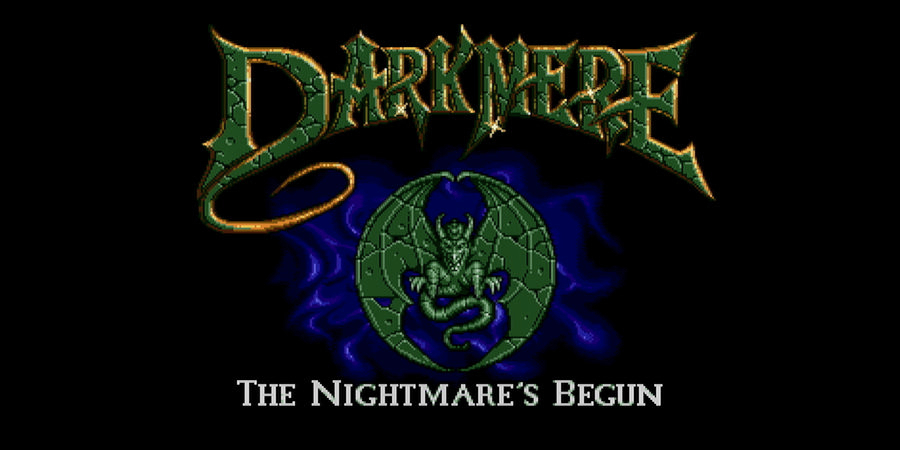
Darkmere is an interesting Amiga game that somehow feels both ahead of its time and already outdated. Although it was released in 1994, it resembles the experimental hybrid games of the late 1980s more than the direction PC gaming was moving towards in the mid-1990s. It combines adventure, action and dungeon-crawling role-playing elements inside a large isometric world, and its ambitions are obvious throughout. At the same time, 3D action adventures on PC were already beginning to leave games like this behind. In that sense, Darkmere almost feels as though it arrived too late. The game was entirely new to me, as I never encountered it during my own Amiga years in the 1990s. Playing it today was both fascinating and impressive, though also undeniably clumsy at times.
Sam & Max Hit the Road (1993)
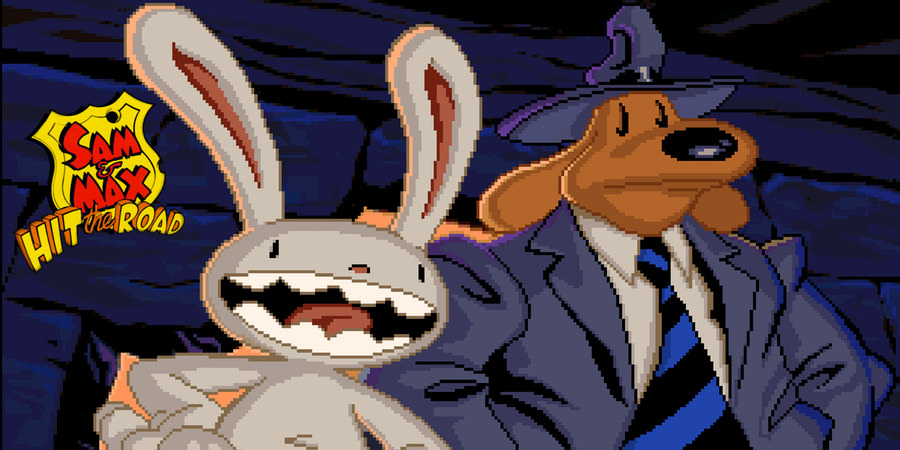
Following Leisure Suit Larry, I was reminded of another classic — the adventure game Sam & Max Hit the Road, based on Steve Purcell’s comic. Released in 1993, it belongs to the golden era of LucasArts, standing alongside The Secret of Monkey Island and Indiana Jones and the Fate of Atlantis. The anthropomorphic dog and rabbit duo, Sam and Max, work as freelance police, solving bizarre cases. The game overflows with witty dialogue, eccentric characters and absurd twists. Like Leisure Suit Larry, it requires a solid grasp of American pop culture for all its jokes to land. It also references earlier LucasArts titles. Even if not every pun hits home, the humour still works — Max’s inappropriate remarks are easy enough to grasp, and the puzzles are wildly imaginative. The game offers gorgeous pixel art, superb voice acting and animation that clearly received great care.
Leisure Suit Larry in the Land of the Lounge Lizards (1987)
Sierra On-Line's legendary Leisure Suit Larry in the Land of the Lounge Lizards is one of the first graphic adventure games where you can move your character in real time while other commands are still written into the text parser. The game is also interesting because of its remakes. The 1991 VGA version raises the graphics and sound from archaic to ’90s level, and the 2013 version brings them to modern HD level. I played all three versions back-to-back and intended to explore the game’s background and versions on Samooja, even though practically everything has likely been said about it and its reputation is great.
The Secret of Monkey Island (1991)
After the rather sombre The Longing, I needed something to lift my spirits and reached for the light-hearted adventure game classic The Secret of Monkey Island, which I originally played on the Amiga. First I played the 2009 remake, The Secret of Monkey Island: Special Edition, and then the original 1991 Amiga version to experience it again from a modern perspective. The very first version of the game, however, was for DOS PCs, and this archaic experience is included in the 2009 Special Edition, where you can switch to it on the fly. In this article I focus primarily on the Amiga version and compare it to the Special Edition. The game is a classic for a reason: as an adventure game, it still holds up very well today. I have nothing against the audiovisually updated version, but to my surprise I found the old version better in terms of playability. In this post I also answer, from my own point of view, the question of how to play Amiga games.
Titanic: Adventure Out of Time (1996)
Released in 1996, Titanic: Adventure Out of Time conveniently anticipated the following year’s successful Titanic film and sold well in its wake. Just over a week ago, at the end of 2017, it was officially released for modern Windows computers — officially, it should be added, as the game had long been available under the false assumption that it was abandonware. Awareness of the ship’s inevitable sinking creates a particular tension in this adventure game. A four-part main objective, side tasks, and a large cast of characters make it fairly complex, and navigating the long, multi-deck ship is challenging. In terms of premise and period, it immediately brought The Last Express to mind, and I could not help comparing the two.
Sanitarium (1998)
Released in 1998, Sanitarium remains one of the strangest game journeys I have experienced. While it may not be a definitive horror classic, it certainly holds a cult reputation for its surreal tone. Time, however, has not been entirely kind to it. The most dated aspects today are its visuals and sound design, yet the narrative path stays unpredictable and the experience itself still feels fresh.
Valhalla and the Lord of Infinity (2002)
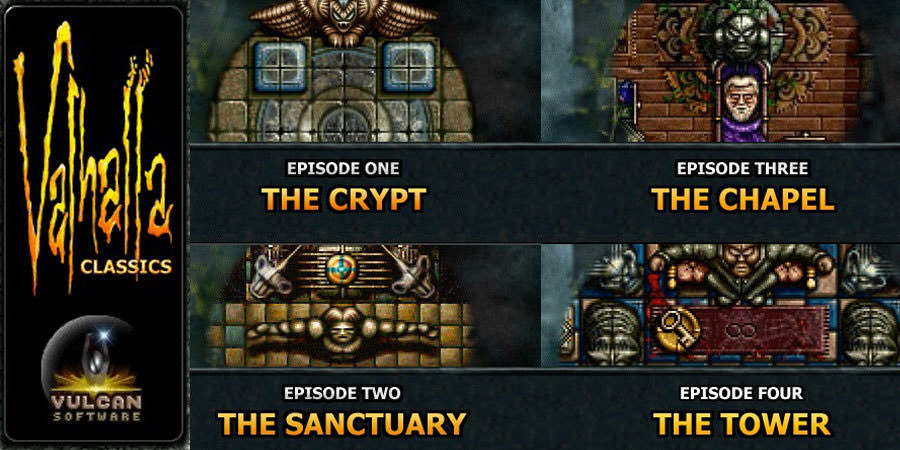
Appearing for the Amiga in the mid-1990s, the Valhalla adventure game series is something of a cult classic. It is a genuine gem and, despite being available for modern Windows computers, still surprisingly hard to find. The series features an entirely unique mechanic based on the transformation of objects. Its world and graphics have a charmingly naïve aesthetic, and the voice acting has become outright legendary.
Loom (1990)
Loom is an adventure game released by LucasArts in 1990. It is very simple, yet mechanically quite interesting. The typical inventory-driven problem-solving of adventure games is taken to an extreme: the protagonist can carry only one single item, but it is remarkably versatile. It is a magical tool used to cast spells through musical notes.
The Last Express (1997)
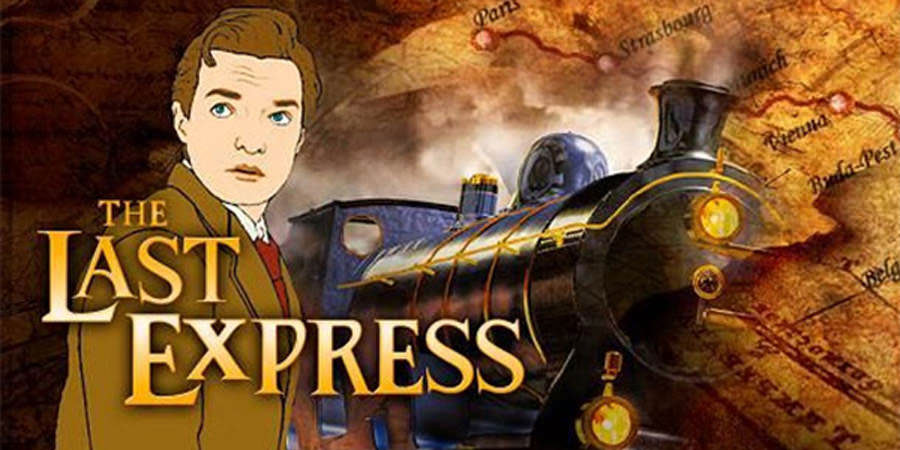
Released in 1997, The Last Express stands as a highly distinctive adventure game. Several unusual design choices interact to create something memorable and unique. Breaking conventions always entails risk, and reactions have been divided since day one — many praise The Last Express while others find it deeply frustrating. For me, it required crossing a certain threshold of understanding before I could fully appreciate it.
Gabriel Knight: Sins of the Fathers — 20th Anniversary Edition (2014)
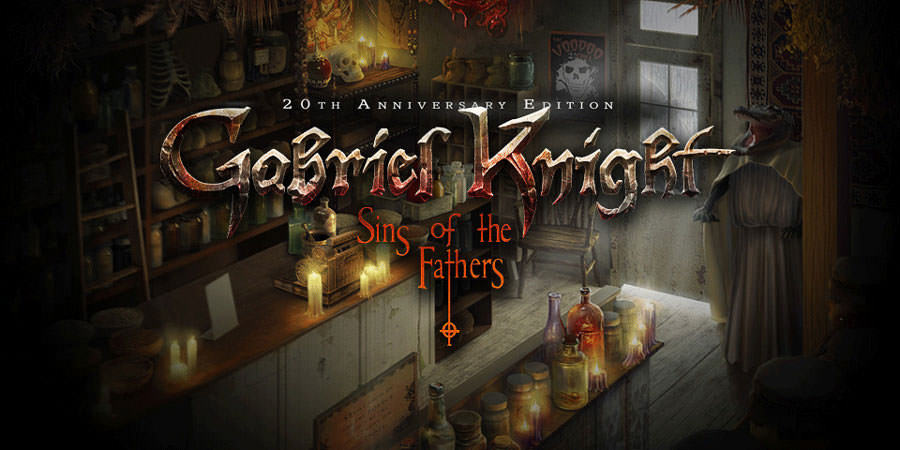
Originally released in 1993, Gabriel Knight: Sins of the Fathers ranks high on many lists of the greatest adventure games of all time. It could be seen as the culmination of the classic graphical adventure game. (Although not in the sense that everything would have gone downhill afterwards.) In October 2014, a new, significantly updated version was released — the 20th Anniversary Edition. The remake brings the game into the 21st century and introduces it to a new audience for whom the original pixel-graphics version, with all its clunkiness, might be simply too retro.