
Deja Vu Collector's Edition (2020)
While browsing the Adventure Games category on Big Fish Games, I came across a hidden-object adventure that looked somewhat different from the usual mainstream fare — Deja Vu. First I noticed the retro-realistic visual style, and then the promise of a journey through the remnants of the former Soviet Union. On Steam, the game’s description is downright confrontational: the mainstream hidden-object scene is dragged through the mud while promising a “different” experience. In practice, the gameplay does not deviate from the usual formula — the familiar hidden-object and puzzle sequences are embedded within an adventure-style narrative and inventory tasks. Yet the setting carves out its own thematic space: places frozen somewhere in the 1980s, unfashionable people, and systemic corruption. I couldn’t help thinking of Adam Wolfe, another atypical hidden-object title I have reviewed earlier on Samooja. Deja Vu does not reach the same level, but it remains a curious title worth a look.
Chinatown Detective Agency (2022)
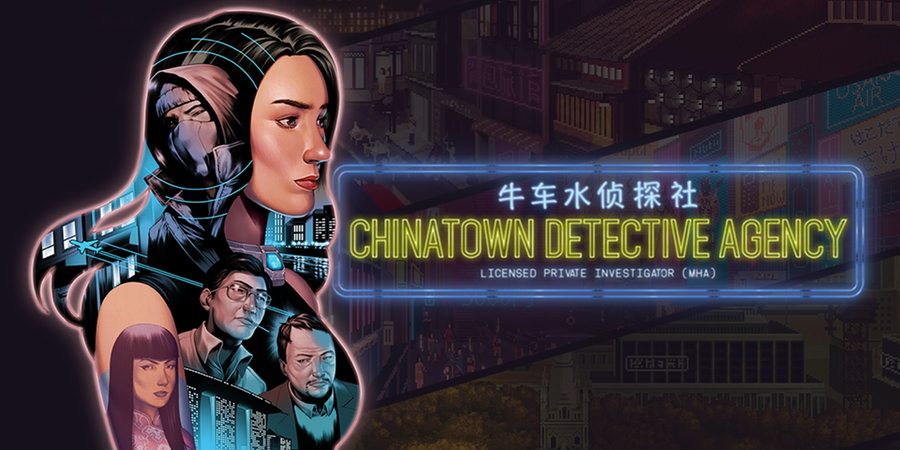
Released in April this year, Chinatown Detective Agency is a puzzle adventure set in near-future Singapore. You zip around the city by metro and occasionally fly abroad. The player character, the young Amira Dharma, is a former Interpol officer turned private detective. Her work consists largely of research and various puzzles that extend beyond the game into the internet. Even though Amira’s reality and the cases she solves, ranging from murders to corruption, tell a bleak story, the game is still warm-hearted, as Amira finds her own support group. Chinatown Detective Agency has its weaknesses and imperfections, but my play experience was smooth, and I liked the core idea a great deal.
The Descendant (2016)
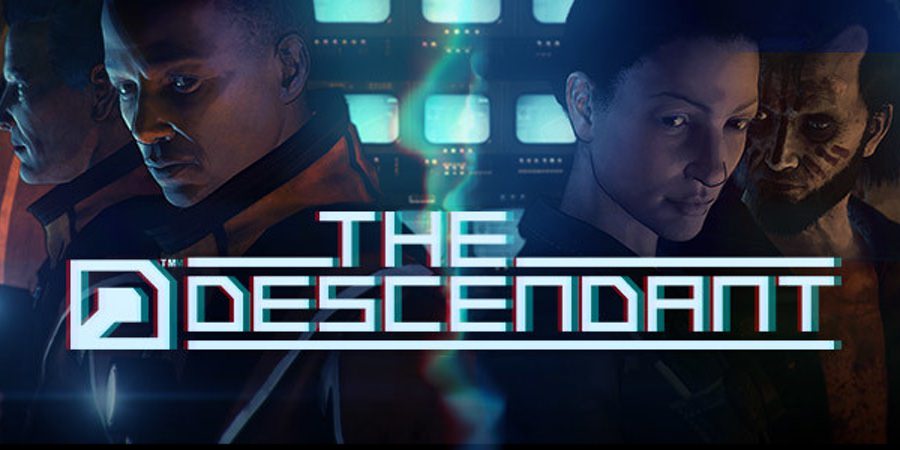
The 2016 dystopian adventure The Descendant was meant to be something of a palate cleanser for me — a side attraction between two genuinely interesting adventure games. I thought it would give me a chance to catch my breath and shake off the impact of the previous, more demanding title. The Descendant did not let me off that easily, however. Its story thrives on conflict and interpersonal tensions, and its scale is considerable: the survival of the entire human race is at stake. Nuclear war has completed the destruction begun by climate change, and only a few thousand people are saved by being deliberately placed into a century-long cryogenic sleep. The future world does not seem any better for it, though, as humans remain wolves to one another. The Descendant is an audiovisually polished and mechanically competent social mystery thriller that made me furrow my brow.
Distraint: Deluxe Edition (2017)
Distraint is a one-man adventure game by Finnish developer Jesse Makkonen. It was originally released in 2015, followed by an improved Deluxe Edition in 2017. This small gem nearly passed me by, and I only picked it up through GOG.com’s free giveaway earlier this year. Distraint tells a story about the collision between greed and compassion. The player controls Mr Price, who is forced to evict the underprivileged from their homes in order to earn a partnership in a successful real-estate company. The game’s ethics and narrative may come across as naïve, but there is something sincere and genuine about them. The audiovisual presentation is appealing and worth experiencing on its own. From a gameplay perspective, Distraint is simple and at times clumsy, though it does include a handful of interesting puzzle situations.
Dead Synchronicity: Tomorrow Comes Today (2015)
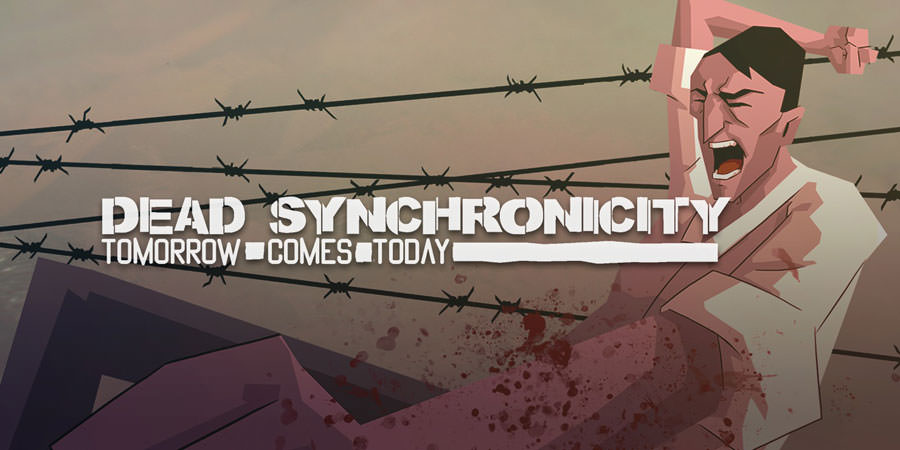
Released in April 2015, Dead Synchronicity: Tomorrow Comes Today is the first instalment in an adventure game series originally planned as a multi-part project. It is set in a dystopian future — or perhaps more accurately, in an alternative version of the 2010s. A so-called “Great Wave” has swept across the world, triggering natural disasters and other strange phenomena, including a disease of unknown origin that enables communication with the dead. The game depicts a post-civilisation world in stark terms, focusing on how people react to the collapse of organised civil society.
DreamBreak (2016)
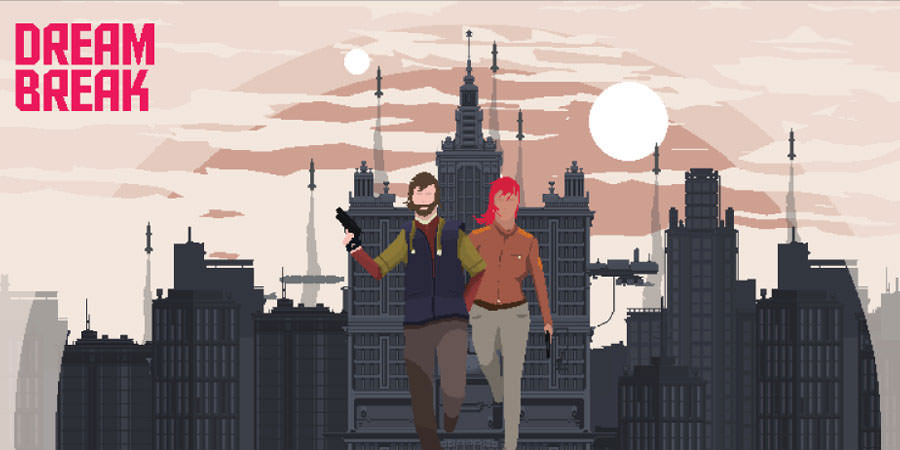
Released in late July 2016, DreamBreak is a dystopian vision of a future Soviet Union — an alternative history. It was made by a Russian game studio, and I could not help feeling tempted to read it as a reflection of the present day. The cinematic platformer Flashback, released in the early 1990s, is an obvious source of inspiration. DreamBreak has received rather mixed reviews. As a game, it feels somewhat unfinished, but bugs aside, my own experience was not bad at all.
Shardlight (2016)
Released last Tuesday, Shardlight is another dependable new release from Wadjet Eye Games — a game that is both classic and modern at the same time. Classic because it is built on the AGS engine, modern because of its protagonist and certain narrative turns. What initially felt like a sluggish story tightens into a thriller towards the end, ultimately grappling with fundamental questions of life and death.
The Samaritan Paradox (2014)
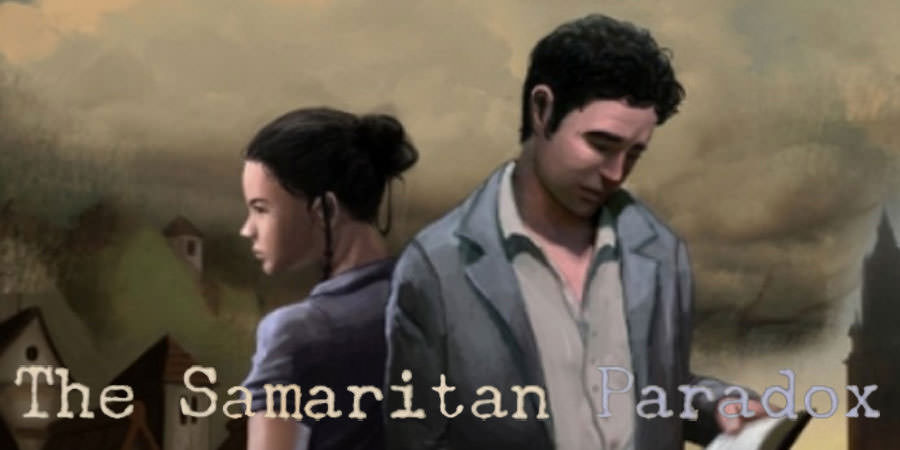
Released in April 2014, The Samaritan Paradox is a retro-styled adventure game set in 1980s Sweden, dealing with social and moral themes. It is the first production by the Swedish studio Faravid Interactive and, as such, an ambitious and wide-ranging project. At the same time, it suffers from uneven quality in its puzzles, writing, and audiovisual execution.