
The Descendant (2016)
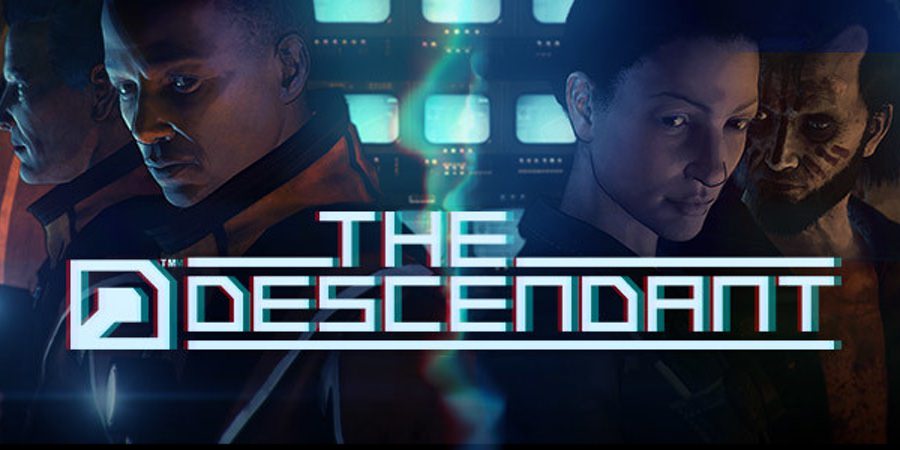
The 2016 dystopian adventure The Descendant was meant to be something of a palate cleanser for me — a side attraction between two genuinely interesting adventure games. I thought it would give me a chance to catch my breath and shake off the impact of the previous, more demanding title. The Descendant did not let me off that easily, however. Its story thrives on conflict and interpersonal tensions, and its scale is considerable: the survival of the entire human race is at stake. Nuclear war has completed the destruction begun by climate change, and only a few thousand people are saved by being deliberately placed into a century-long cryogenic sleep. The future world does not seem any better for it, though, as humans remain wolves to one another. The Descendant is an audiovisually polished and mechanically competent social mystery thriller that made me furrow my brow.
Behind The Descendant is a game company called Gaming Corps. The actual developers, however, do not appear to be part of its staff. The production setup is further complicated by the fact that the game is a Microids Indie release. The French company Microïds is known for many adventure games going back to the 1980s, but these days it seems to focus more on publishing than on in-house development. I find this kind of obscuring of authorship mildly irritating, and Gaming Corps’ website does not help matters. It presents the company as a Swedish–Maltese publicly listed firm and, alongside The Descendant, markets casino games, apparently assuming that I, as a player, must be interested in zombie apocalypse titles. Bah! According to the in-game credits, the concept is by Jens Klang, with writing by Giles Armstrong and Tony Mosher.
The mystery of Ark-01
According to the game’s backstory, a doomsday bunker has been built in every US state, and only a select few have been granted access to them. The setup immediately brought the Fallout role-playing series and its vaults to mind. The Descendant, however, is a point-and-click adventure built around inventory use, mini-game-like puzzles, text-based choice situations, and real-time action. It alternates between two playable characters and moves across two timelines: the past, when the Arks are being sealed, and the future, when the Arks have opened — with one exception.
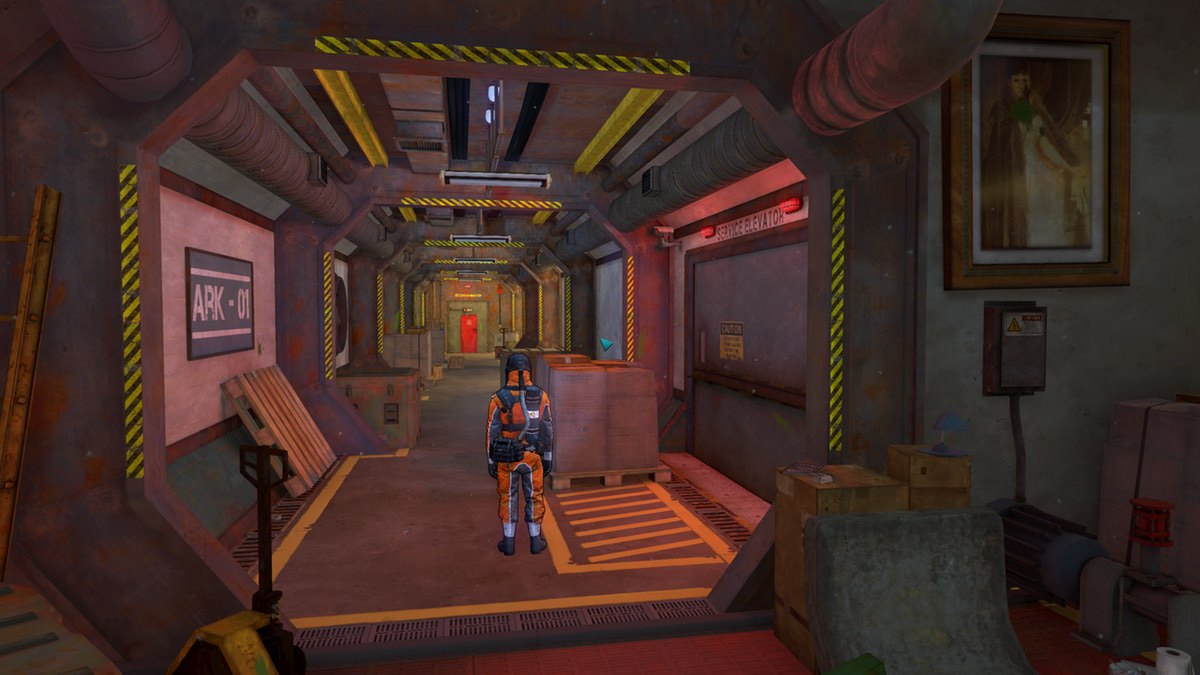
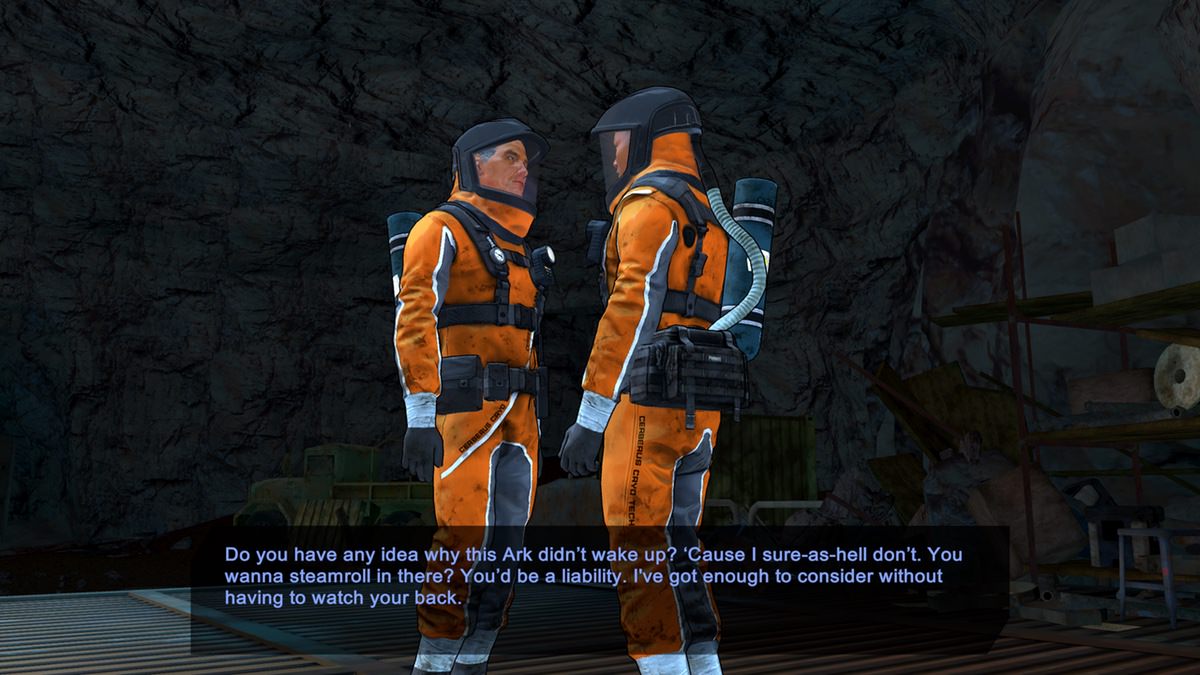
The player’s task is to uncover what on earth happened in Ark-01, located in Alaska, and why it failed to open automatically like the other Arks. Crucially, the player does not even know everything about the characters they control. Mia and Donald are Ark janitors, responsible for the safety and well-being of the people sleeping inside — the so-called Descendants. My prevailing experience was one of confusion. The janitors are deceived, they have good reason to be suspicious, and the only certainty is that they genuinely want to protect the Descendants, who are clearly threatened by something either from outside the Ark or from within.
At the beginning of the game, janitor Mia arrives at an Ark shaken by tremors and plagued by a failing maintenance system. At great personal risk, she saves the Descendants, but the greatest threat ultimately turns out not to be technical, but human. After Mia, the focus shifts to janitor Donald, who investigates the Ark in the future and begins to follow in Mia’s footsteps. He is accompanied by an ex-senator who also appears to pose a threat to the Descendants. Donald’s perspective spans several temporal layers: as the narrator, he represents the story’s present, while in flashbacks he returns to two different times and places — Ark-01 and Ark-42, where he originally served as janitor.
Class struggle across time
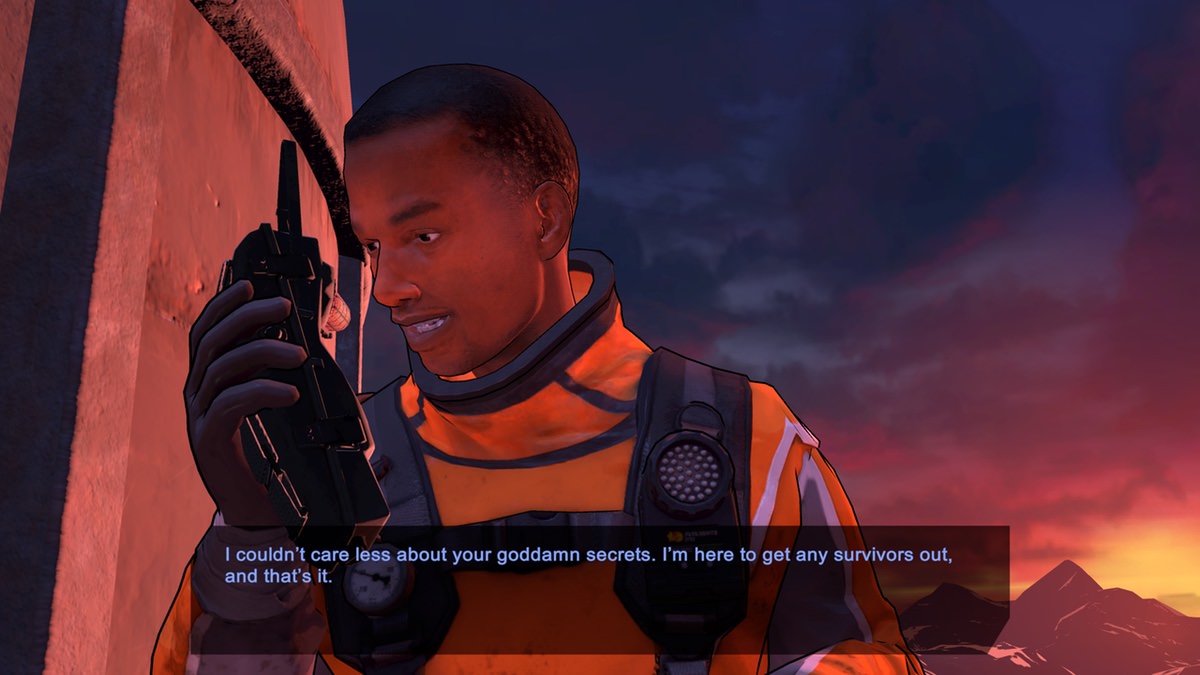
The Descendant is strongly class-conscious. Janitors are expendable and replaceable. Randolph, the former senator who accompanies Donald in opening the Ark, is a bossy and self-centred figure whose strutting manner radiates dominance. Donald immediately clashes with him, and the friction between them is deeply unpleasant to watch. Throughout the game, dialogue is sharp and abrasive, and the difficulty of cooperation could not be clearer. The characters also respond to stress in remarkably poor and unprofessional ways, which repeatedly made me raise an eyebrow. Instead of focusing on solving the problem, they snap at one another and swear.
Those in power are portrayed as ruthless and selfish, while the hero is a worker advocating popular freedom and self-determination. The game’s vision of the future and of humanity is bleak. Interestingly, it is artificial intelligence that ultimately takes a moral stance and resolves the conflict.
Danger and panic without death
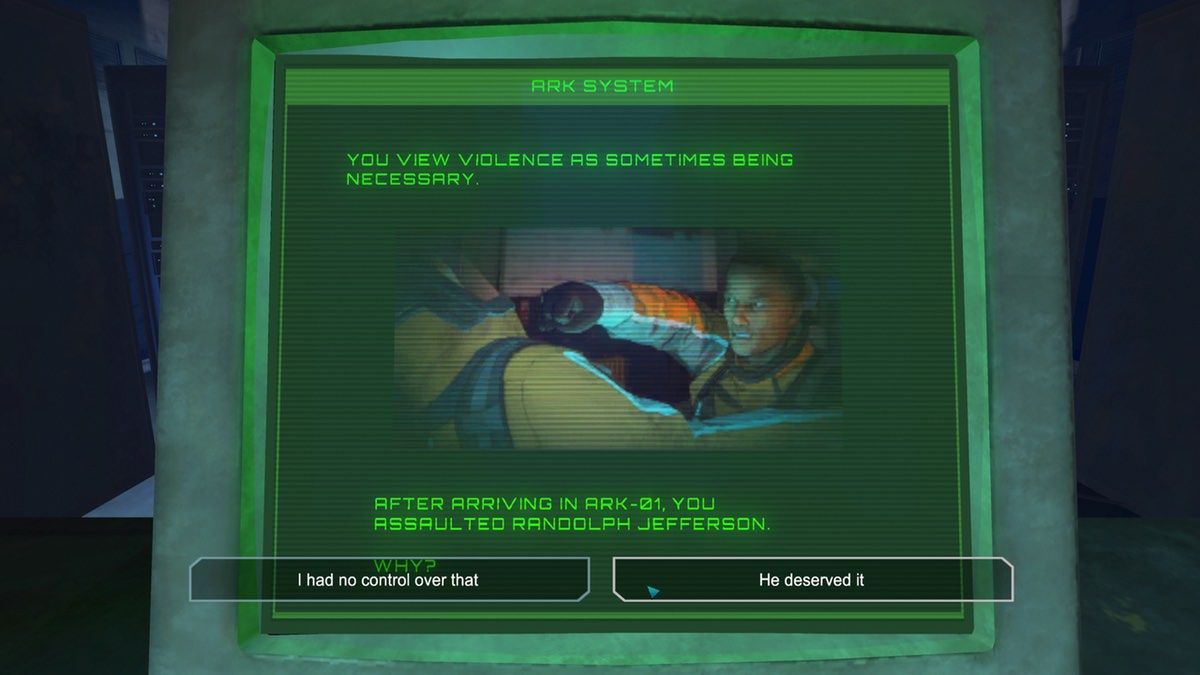
Based on two playthroughs, the game’s choice situations do not appear to have a major impact on the overall plot. The game warned that character X would remember this, but I only recognised that happening a couple of times. Near the end, different choices led to two larger twists, but even those did not feel decisive in the end. Some choices are timed and must be made within a set window, but when I experimented with not choosing at all, that too counted as a choice of sorts. If you make a fatal mistake in an action sequence or a decision, you can simply try again. You neither need nor are expected to accept the death of your character.
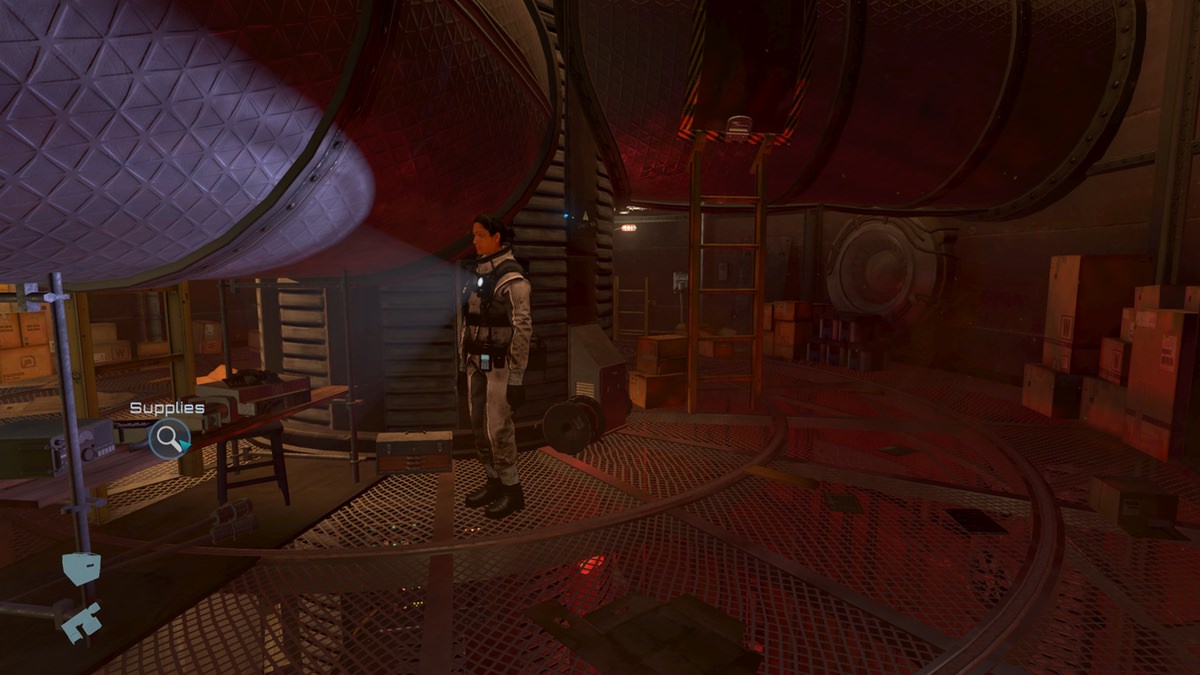
Inventory tasks focus on the Ark’s technology and on moving through its spaces, and they stay within the bounds of realism. For the most part, these tasks are not multi-stage; their main challenge for me was simply finding the required item. The game is not pure pixel hunting, but clickable objects are well hidden and demand careful exploration.
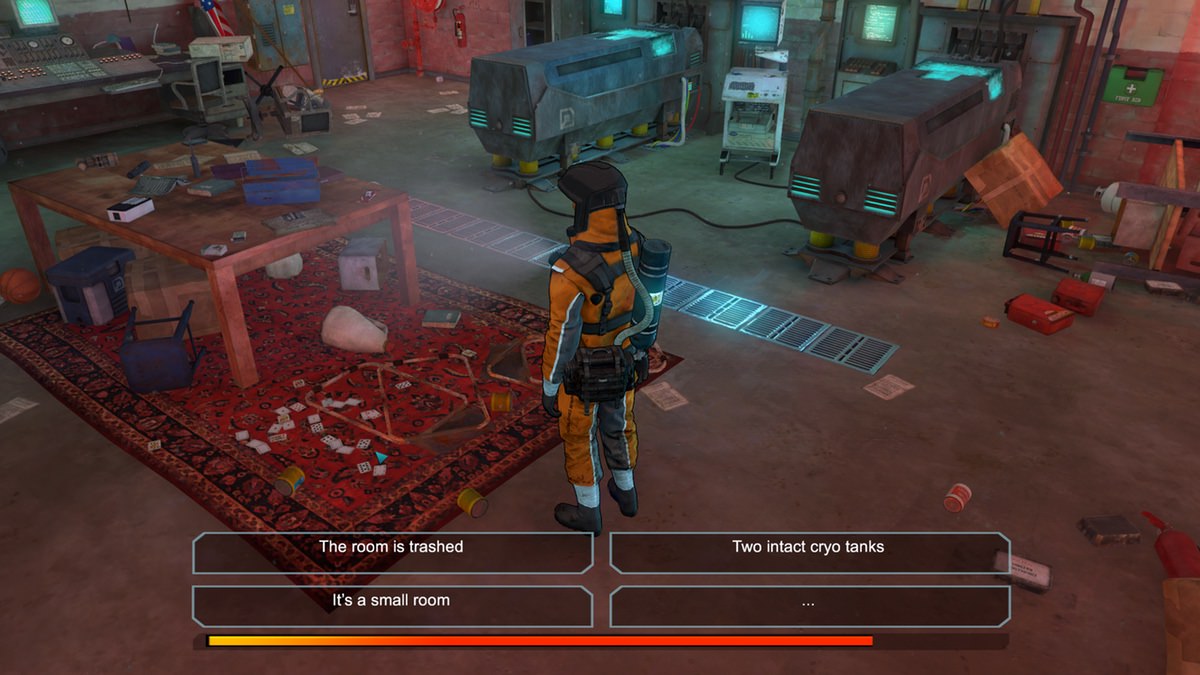
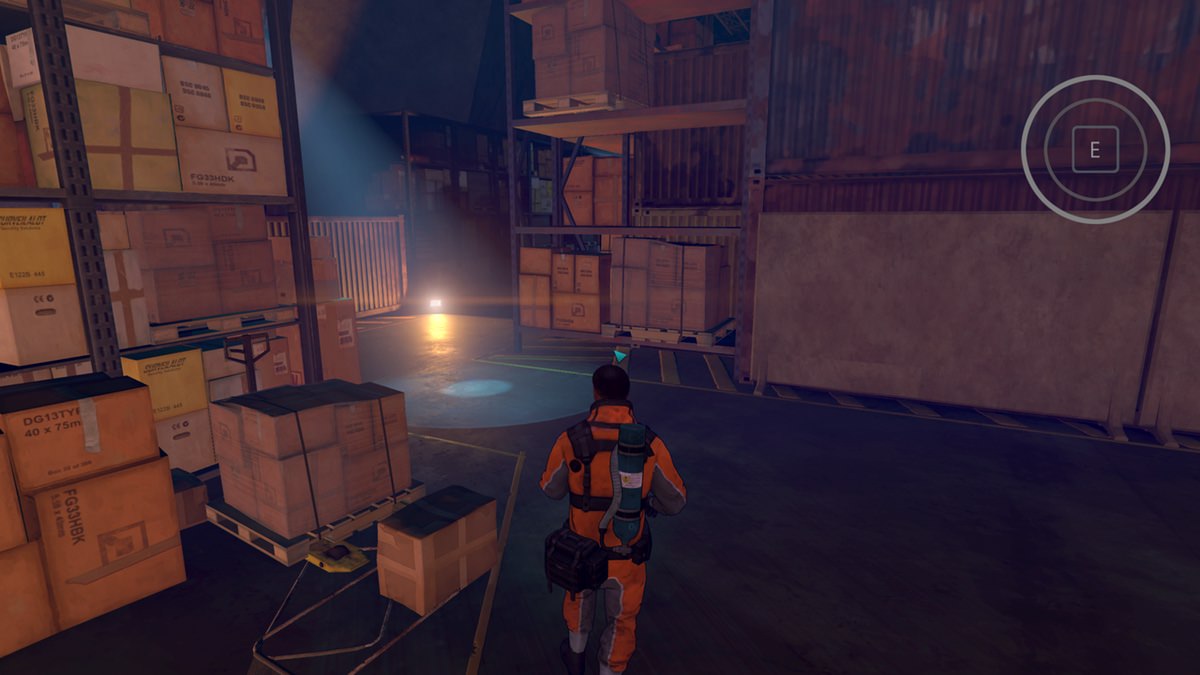
Action sequences are simple, and despite the apparent danger, I did not find them stressful. Alongside mouse clicks, the E key is used — for opening doors, resisting something, or timing an action correctly.
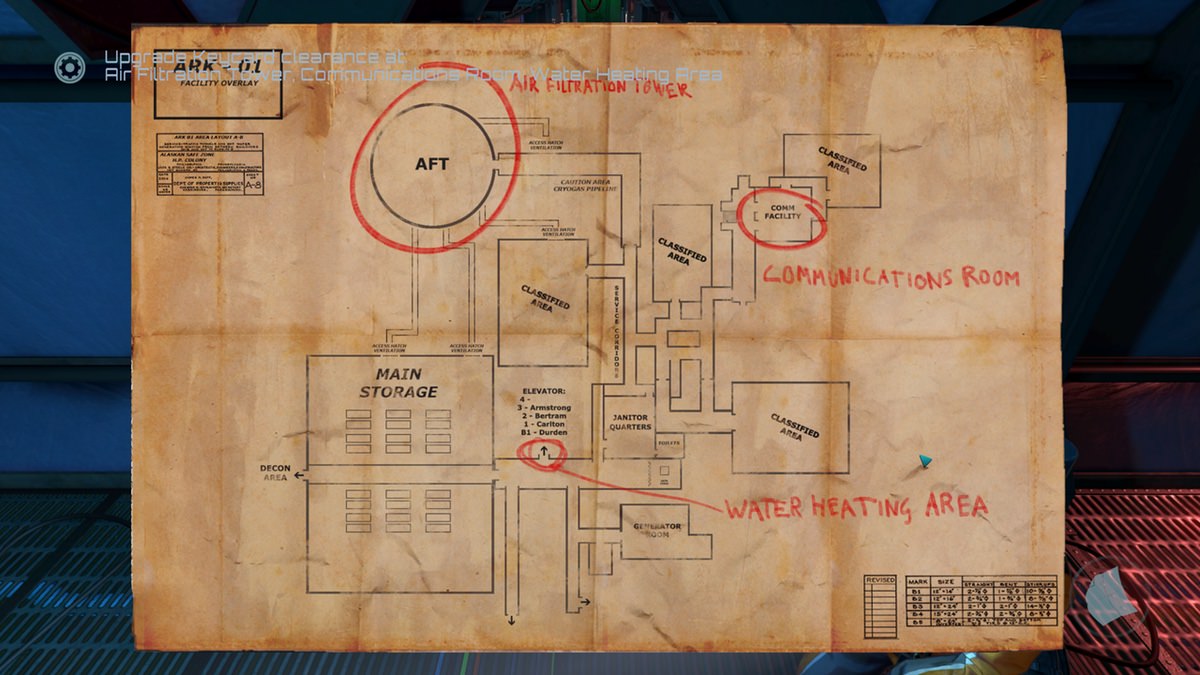
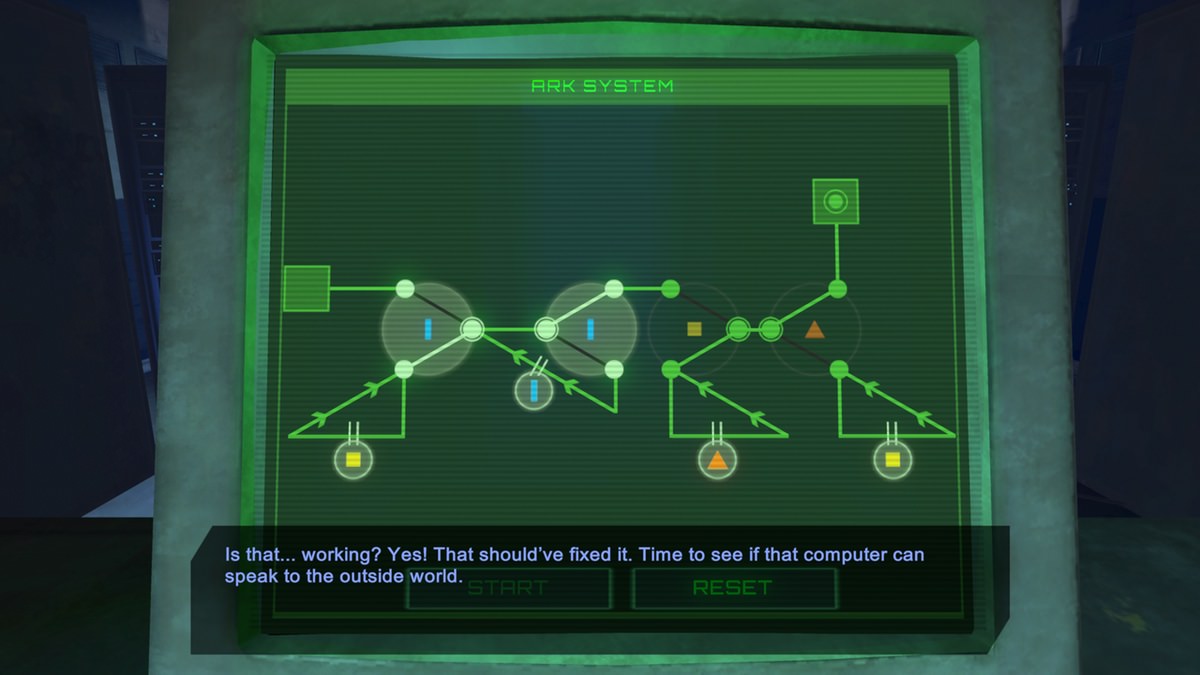
The mini-game-like tasks involve solving puzzles on the Ark’s many computers and terminals. They were not difficult either, but I felt they were well integrated into the game world and narrative.
In conclusion
The five-part The Descendant resembles a TV miniseries with its hooks. Each episode opens with a recap of the previous one and closes with a tease of what is to come. The game was also released episodically. My first playthrough took just under seven hours.
The story is well constructed, and the alternating timelines add interest and tension. The pacing — balancing narrative progression, choice situations, and different types of gameplay — results in a well-rounded experience. I always knew what my next task or objective was. In fact, the game is so streamlined that it sometimes feels like a mobile title, even though no mobile version has ever been released. This impression is reinforced by the light inventory, simple and clear tasks, and the relatively small number of examinable objects in the environment. At times, I even felt as though I were playing a hidden object game enhanced with mini-games rather than a full-fledged point-and-click adventure.
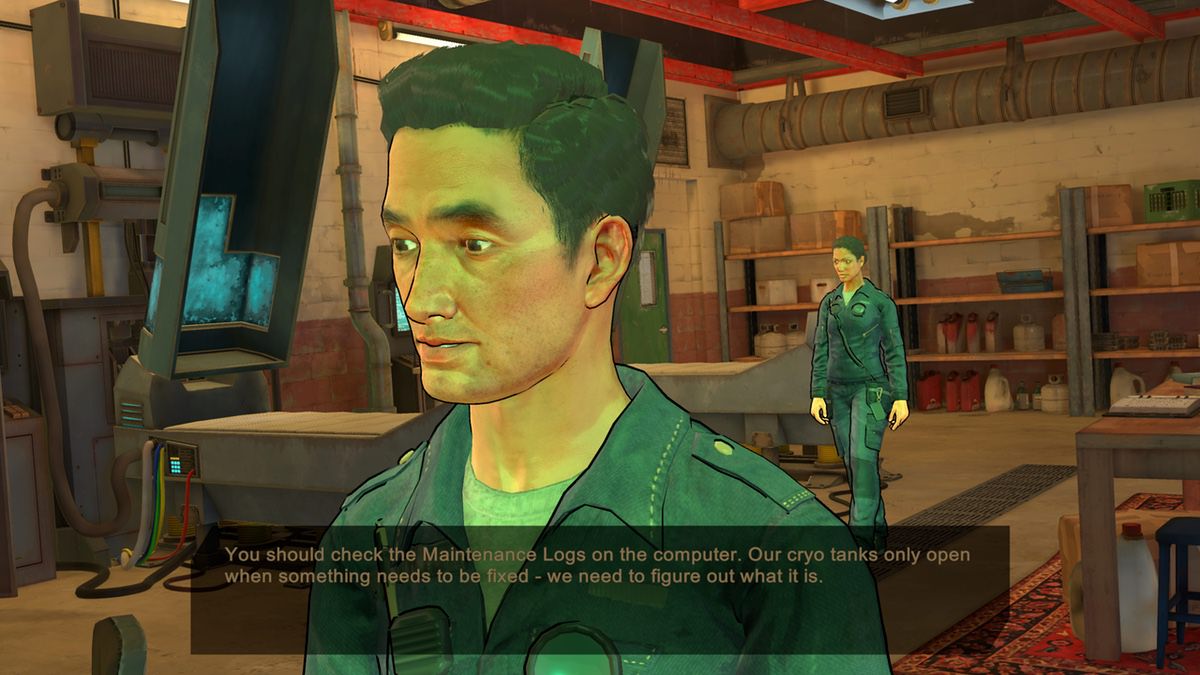
The Descendant features high-quality ambient music, soundscapes, and sound effects, as well as solid voice acting. I simply did not like the characters’ attitudes, and the voice acting is part of that. In the English-language version, you hear not only American English but also British English and Scottish accents. No explanation is given for why these characters are in the United States.
Overall, the game clearly bears the mark of professional craftsmanship. Whether it will prove memorable or enduring is another question. Still, it would not be entirely fair to dismiss it as mere filler between an older classic and a more original indie title.
I give my overall experience with The Descendant a score of 64 out of 100.
Availability
The Descendant is available for Windows and macOS. The first episode can be downloaded for free on Steam, with the remaining four episodes available for purchase.