
Mystery Case Files: Rewind Collector's Edition (2018)
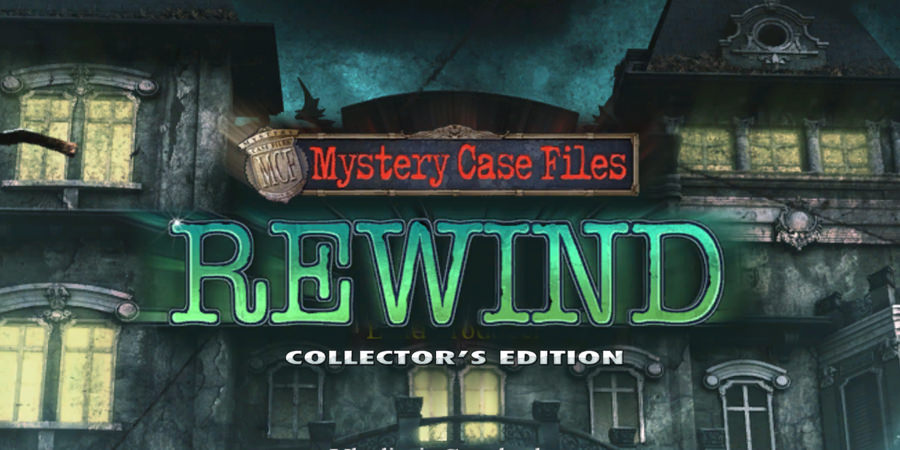
I do not know why it took me this long to discover Rewind, the seventeenth entry in the Mystery Case Files series. I have not played the series in order, but rather followed a vague sense of attraction. Perhaps the game’s visual image did not appeal to me, and the Big Fish Games description does little to explain what the game is really about. The title and the players, however, do tell the truth: this is a journey into memories. Rewind rewinds backwards in more than one sense. Mechanically, it combines elements from the first four entries in the series, from the era of pure hidden object games before adventure elements began to intrude. It also brings together characters from earlier games, with the old adversary Charles Dalimar once again looming in the background – although the central figure this time is his son Victor. Victor has meddled with the settings of a time machine and scrambled the timelines. The player’s task is to return characters torn from their own timelines back where they belong. Silly as it sounds, I enjoyed it.
It Came from the Desert (1989)
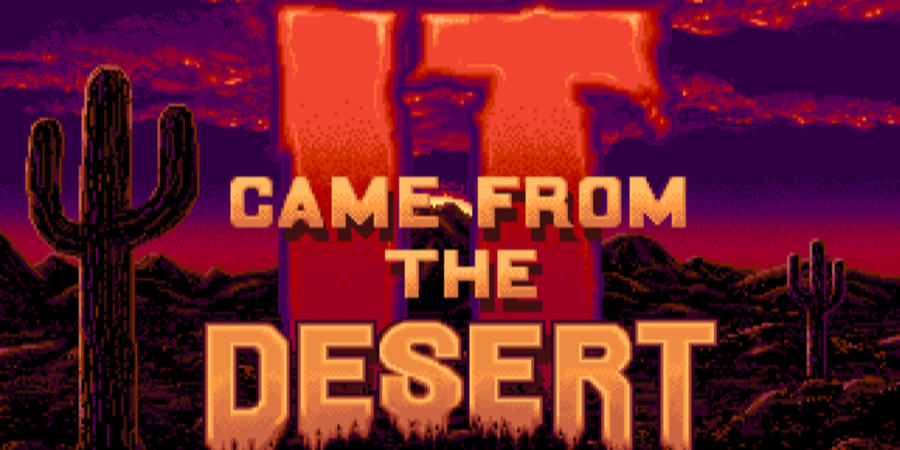
The action-adventure game It Came from the Desert from 1989 offers not only a retro Amiga experience but also a time warp into the science-horror films of the 1950s. A radioactive meteorite crashes into the small Californian town of Lizard Breath, causing the local ants to mutate. The geologist who arrives to examine the crater — the character controlled by the player — recognises the danger, but no one believes him. The geologist becomes an unlikely action hero whose mission is to collect evidence of giant ants and fight them. The game has an intriguing atmosphere and the makings of a cult classic, but it is also too rushed for leisurely enjoyment because everything plays out in real time. It Came from the Desert can be played not only on an original Amiga and via emulators but also on a modern Windows PC, as it is included in the Cinemaware Anthology Collection.
The Descendant (2016)
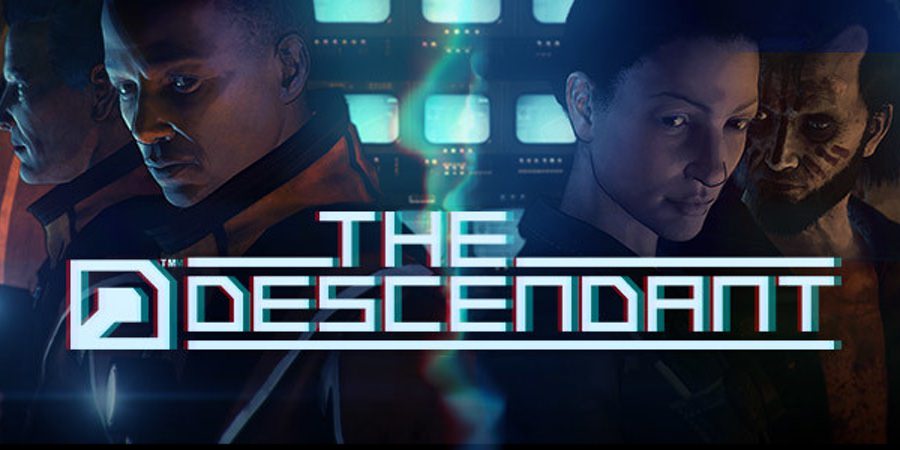
The 2016 dystopian adventure The Descendant was meant to be something of a palate cleanser for me — a side attraction between two genuinely interesting adventure games. I thought it would give me a chance to catch my breath and shake off the impact of the previous, more demanding title. The Descendant did not let me off that easily, however. Its story thrives on conflict and interpersonal tensions, and its scale is considerable: the survival of the entire human race is at stake. Nuclear war has completed the destruction begun by climate change, and only a few thousand people are saved by being deliberately placed into a century-long cryogenic sleep. The future world does not seem any better for it, though, as humans remain wolves to one another. The Descendant is an audiovisually polished and mechanically competent social mystery thriller that made me furrow my brow.
Morningstar: Descent to Deadrock (2015)
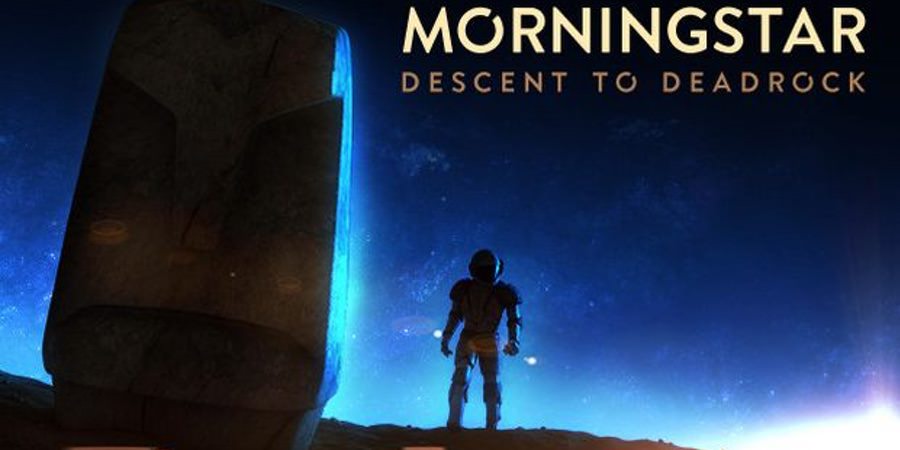
Originally released as a free Flash game, Morningstar: Descent to Deadrock is a short science-fiction adventure that pays homage to classic point-and-click games. I played the paid PC/Mac version, which was released in 2015. The game is also available for Android and iOS devices. In Morningstar: Descent to Deadrock, echoes of both the early and late 1990s can be heard — and in a good way. The graphics are 3D, but without direct character movement or in-game animations. I was close to excluding Morningstar: Descent to Deadrock from Samooja, but changed my mind, as it is quite well designed for a low-budget production and somehow rather endearing.
Space: 1999 (2008)
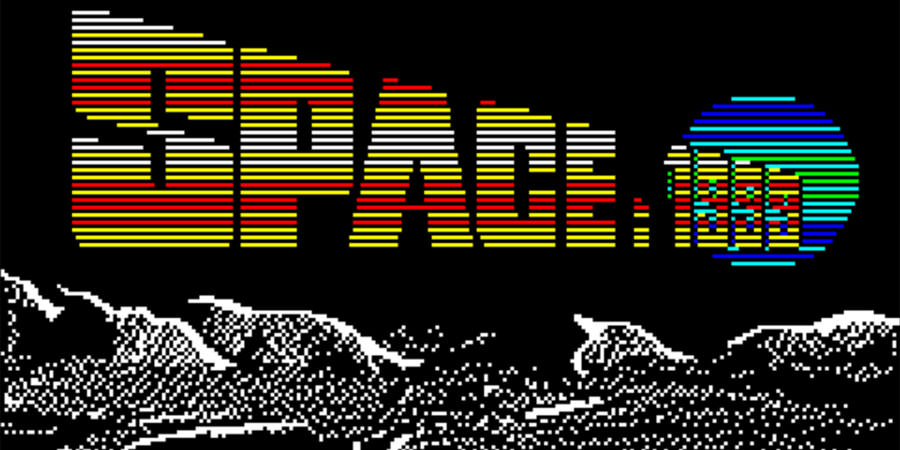
The adventure game Space 1999 was developed for Oric computers and is based on the 1970s TV series of the same name. Orics are 8-bit home computers from the 1980s, today easily explored through emulators for anyone curious about retro hardware. Space 1999 itself is not from the 1980s; it was released in 2008. When I first saw a demo video, I was captivated. The isometric 3D graphics looked striking, and the overall presentation felt both ambitious and affectionate. It was as if the Oric had quietly been lifted to a new level.
Dead Synchronicity: Tomorrow Comes Today (2015)
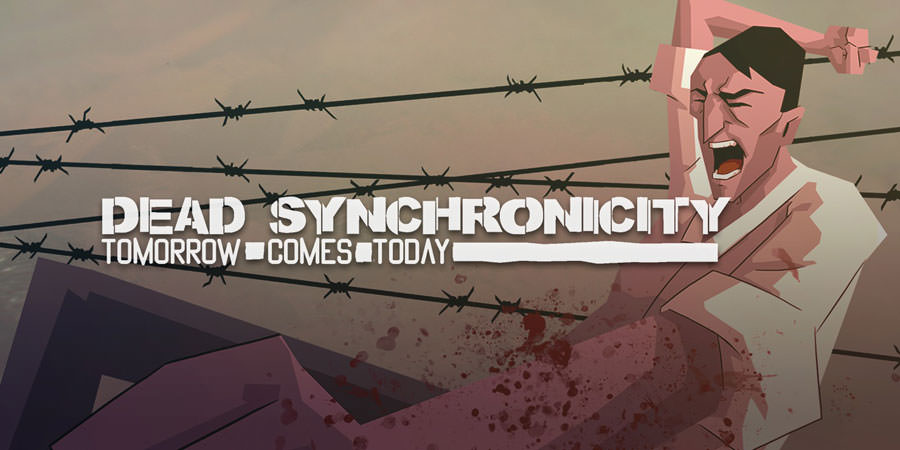
Released in April 2015, Dead Synchronicity: Tomorrow Comes Today is the first instalment in an adventure game series originally planned as a multi-part project. It is set in a dystopian future — or perhaps more accurately, in an alternative version of the 2010s. A so-called “Great Wave” has swept across the world, triggering natural disasters and other strange phenomena, including a disease of unknown origin that enables communication with the dead. The game depicts a post-civilisation world in stark terms, focusing on how people react to the collapse of organised civil society.
DreamBreak (2016)
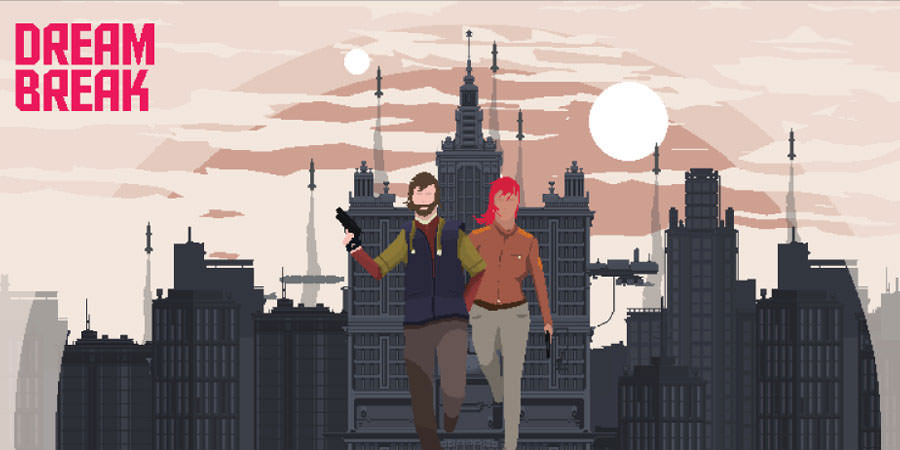
Released in late July 2016, DreamBreak is a dystopian vision of a future Soviet Union — an alternative history. It was made by a Russian game studio, and I could not help feeling tempted to read it as a reflection of the present day. The cinematic platformer Flashback, released in the early 1990s, is an obvious source of inspiration. DreamBreak has received rather mixed reviews. As a game, it feels somewhat unfinished, but bugs aside, my own experience was not bad at all.
Shardlight (2016)
Released last Tuesday, Shardlight is another dependable new release from Wadjet Eye Games — a game that is both classic and modern at the same time. Classic because it is built on the AGS engine, modern because of its protagonist and certain narrative turns. What initially felt like a sluggish story tightens into a thriller towards the end, ultimately grappling with fundamental questions of life and death.
Shadowrun: Hong Kong (2015)
The third standalone entry in the Shadowrun Returns role-playing series arrived in late August 2015. It continues the legacy of the previous instalments with confidence. The story, setting and characters are all new, and there are new elements in character progression, yet the broader game structure and strategic depth remain recognisable. Shadowrun Hong Kong is a top-tier indie title — if one can still call it that; it is polished, mature and extensive.
The Silent Age (2015)
The Silent Age is a simple and elegant adventure in every respect: visually, mechanically and in its interface. What drew my interest most was its time-shift mechanic, which brings a puzzle dimension into the otherwise streamlined experience. Originally released for mobile devices in two parts (2012 and 2014), it quickly became popular. In spring 2015 it made the leap to larger, non-touch platforms with Windows and Mac OS X versions.