
Morningstar: Descent to Deadrock (2015)
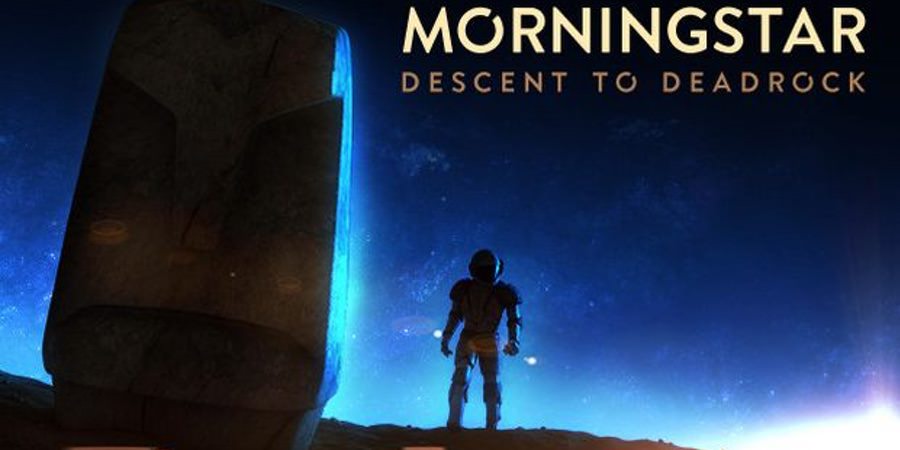
Originally released as a free Flash game, Morningstar: Descent to Deadrock is a short science-fiction adventure that pays homage to classic point-and-click games. I played the paid PC/Mac version, which was released in 2015. The game is also available for Android and iOS devices. In Morningstar: Descent to Deadrock, echoes of both the early and late 1990s can be heard — and in a good way. The graphics are 3D, but without direct character movement or in-game animations. I was close to excluding Morningstar: Descent to Deadrock from Samooja, but changed my mind, as it is quite well designed for a low-budget production and somehow rather endearing.
Morningstar: Descent to Deadrock was made by Red Herring Labs, a small Hungarian group composed of freelance developers. Before this, they had released a few free Flash games, and the PC version of Morningstar seems to have been intended as a gateway into the paid market. I do not know how well the game has sold, but it has received positive feedback from players. I found that somewhat surprising, although my own experience was not bad either. Morningstar: Descent to Deadrock simply does not compete in any heavyweight category, even as an indie title. It is not original in any particular area, but rather a collection of familiar elements and variations on them.
Stranded on a desert planet
The game begins with a dramatic crash-landing animation. The trading and freight ship Morningstar has gone down on a desert planet where scanners detect no signs of life. The accident was caused by a gravitational anomaly, which has also trapped the ship. Powell, the character controlled by the player, survives without injury, but all other crew members except the captain have died in the crash, and the captain himself is gravely wounded.
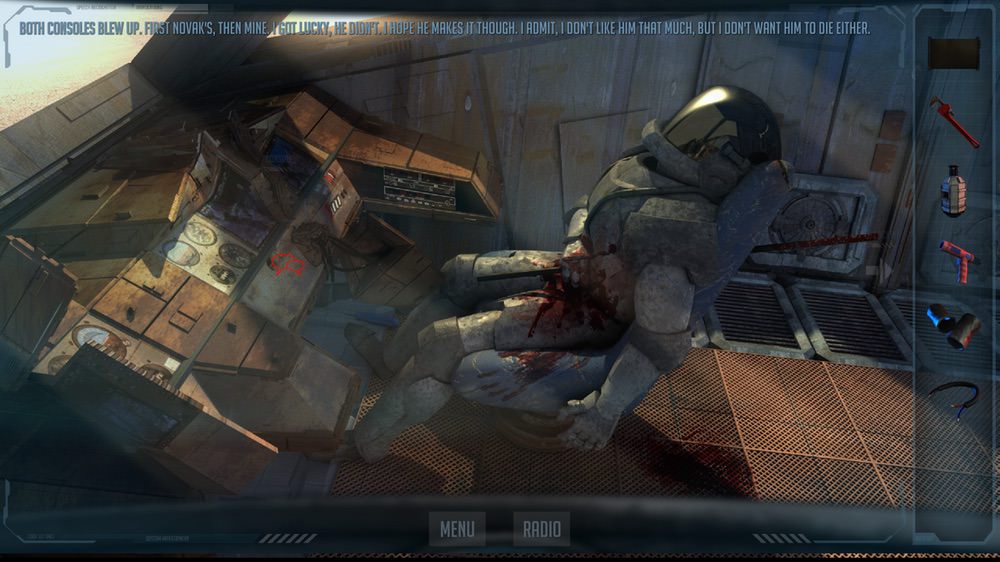
Powell’s task is to explore the surroundings, repair the ship and ultimately neutralise the strange gravitational force. The captain, seated in the cockpit, provides instructions via radio. I found the experience of being remotely guided interesting. In a sense, the captain functions as both a task list and a walkthrough. Morningstar: Descent to Deadrock is easy, but I relied on the captain quite a lot in order to progress quickly. My playthrough lasted only about two hours.
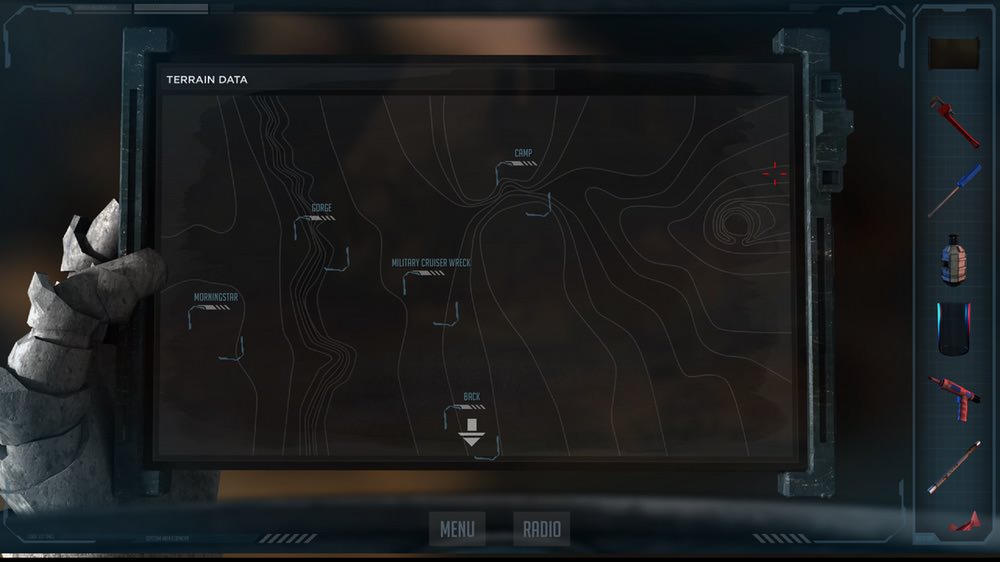
The game’s tasks are based on inventory use, aside from a few puzzle sections involving code-breaking or deciphering a secret language. The inventory fills up with various “technical” items, which are then put to use in a MacGyver-like fashion — inventive and humorous, but also somewhat implausible.
Grimy and filtered
Powell and the captain are voiced characters. The acting may be somewhat amateurish, but run through audio filters it contributes to the atmosphere. All dialogue and Powell’s internal monologue are subtitled. The soundscape and music remain in the background; I hardly paid any attention to them.
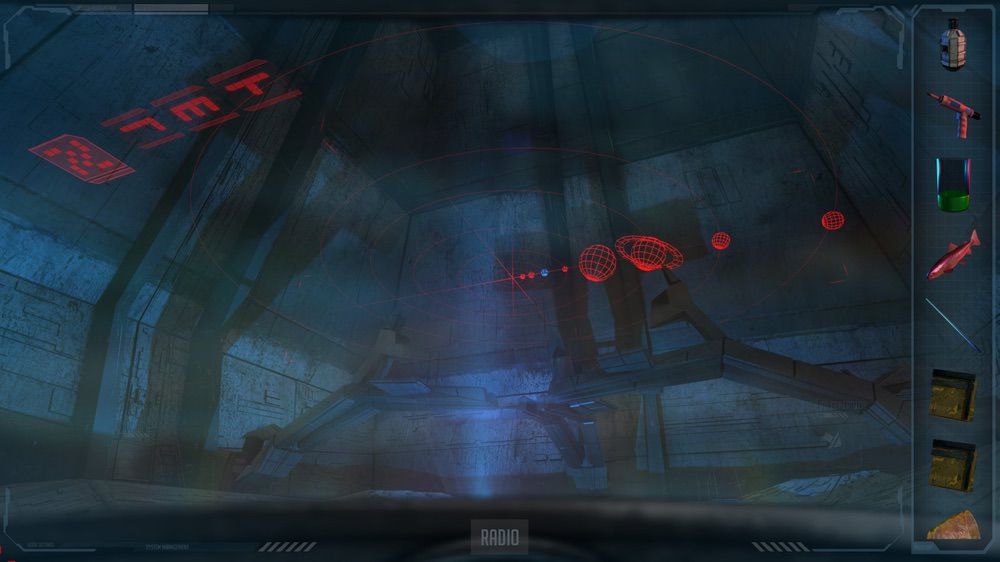
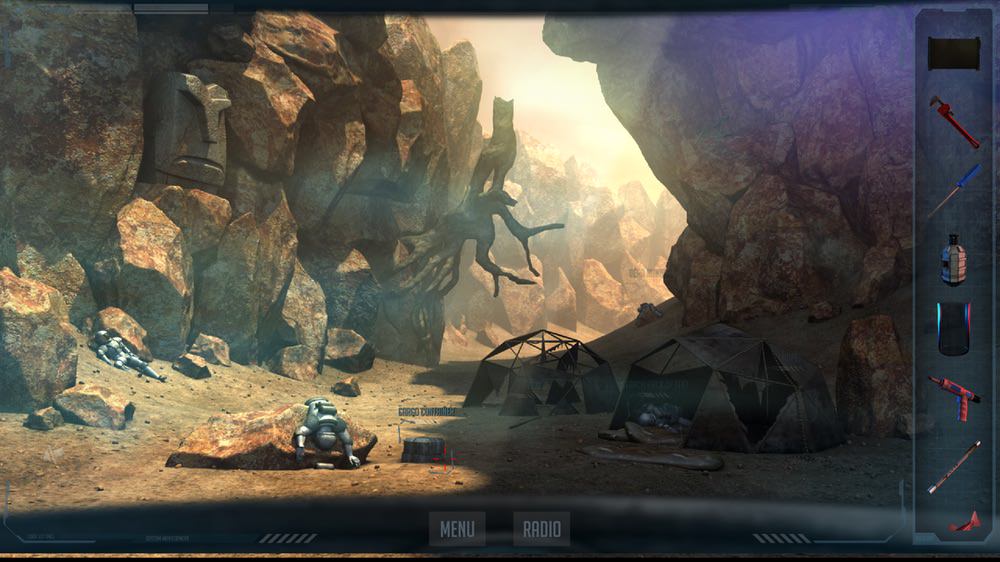
I do not consider the graphics poor, as they are comparable to 3D visuals from twenty years ago. Everything looks grimy and broken, including the player’s own ship, which is rusty and old-fashioned despite having been in active use. Some items blended poorly into the dark environments and were easy to miss. The static screens, without a visible and moving player character, were nevertheless smooth and clear for exploration and interaction. In addition to the opening animation, Morningstar: Descent to Deadrock features an impressive cinematic ending and some intermediate cutscenes.
Verdict
The story of Morningstar: Descent to Deadrock is well contained, almost novella-like, but I felt there was a serious gap: the civilisation operating on the desert planet is not of human origin, and Powell even finds an alien lying dead in a bunk. Despite this, the aliens remain a complete mystery. Who are they, and where are they hiding? Powell and the captain escape, and the gravitational anomaly is explained, but the threatening aliens are left unexplored and no contact is made.
I would rate my experience at 60 points out of 100.
Availability
Morningstar: Descent to Deadrock is available for Windows and macOS, as well as for Android and iOS devices. The old free Flash version did not work for me, at least not in the latest version of Firefox.