
The Three Stooges (1987)
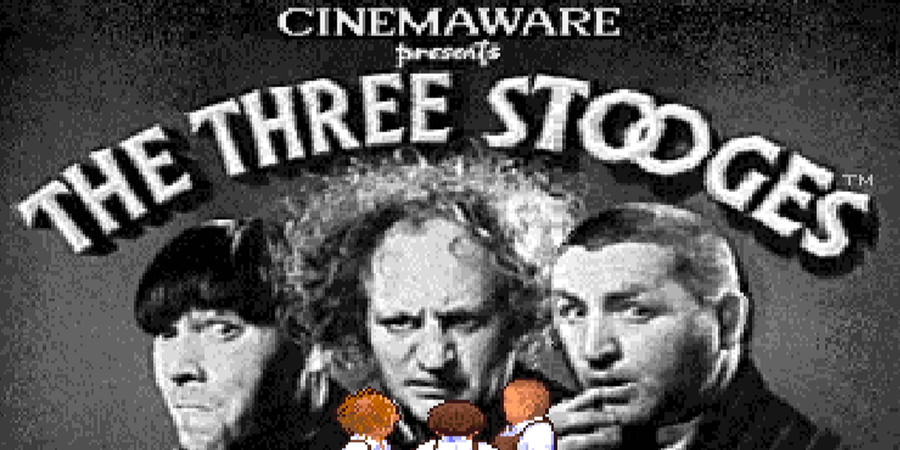
Cinemaware's fifth Amiga release, The Three Stooges, arrived in 1987 and was based on the antics of the American comedy trio. The short film series of the same name ran from 1922 to 1970. The game features the central characters of the films – Moe, Larry and Curly – with Moe mercilessly bossing around the other two bunglers. There are board game-like elements here, combined with arcade action and a touch of simple strategy. In practice, the game is built around five different minigames. The Three Stooges captures the spirit of the films remarkably well, but it is also repetitive and highly mechanical. I knew the game from my Amiga years in the 1990s, and it was interesting to return to it some thirty years later.
Sam & Max Hit the Road (1993)
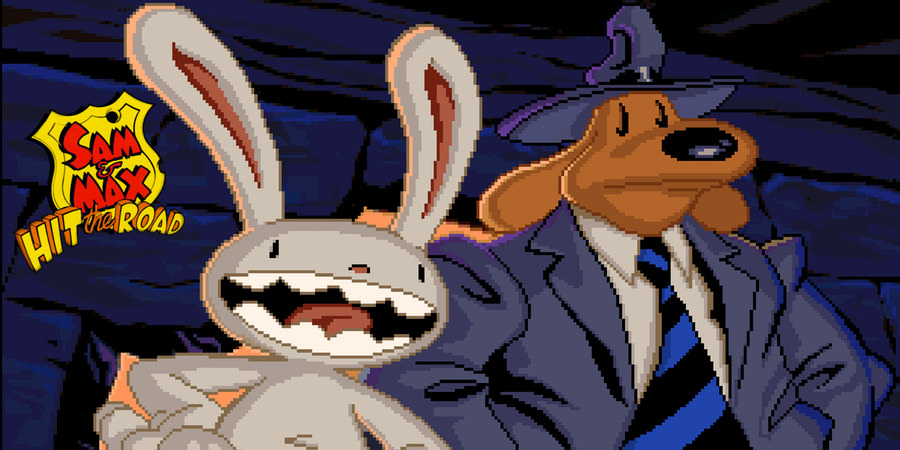
Following Leisure Suit Larry, I was reminded of another classic — the adventure game Sam & Max Hit the Road, based on Steve Purcell’s comic. Released in 1993, it belongs to the golden era of LucasArts, standing alongside The Secret of Monkey Island and Indiana Jones and the Fate of Atlantis. The anthropomorphic dog and rabbit duo, Sam and Max, work as freelance police, solving bizarre cases. The game overflows with witty dialogue, eccentric characters and absurd twists. Like Leisure Suit Larry, it requires a solid grasp of American pop culture for all its jokes to land. It also references earlier LucasArts titles. Even if not every pun hits home, the humour still works — Max’s inappropriate remarks are easy enough to grasp, and the puzzles are wildly imaginative. The game offers gorgeous pixel art, superb voice acting and animation that clearly received great care.
Leisure Suit Larry in the Land of the Lounge Lizards (1987)
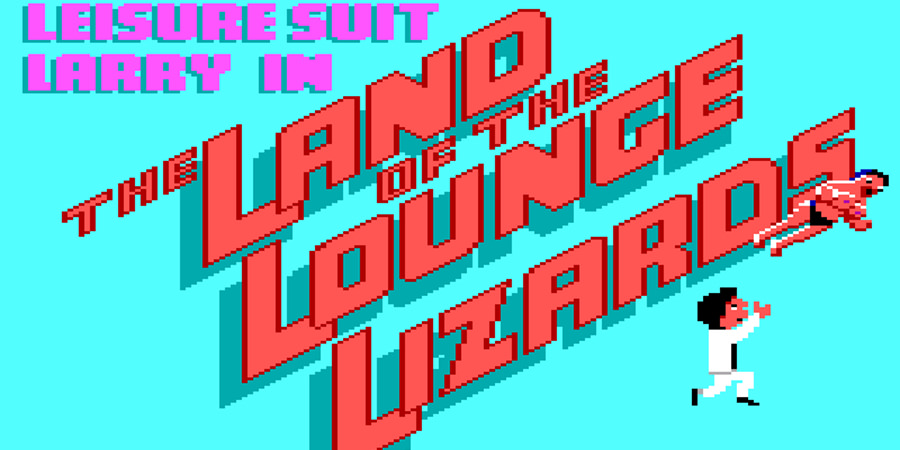
Sierra On-Line's legendary Leisure Suit Larry in the Land of the Lounge Lizards is one of the first graphic adventure games where you can move your character in real time while other commands are still written into the text parser. The game is also interesting because of its remakes. The 1991 VGA version raises the graphics and sound from archaic to ’90s level, and the 2013 version brings them to modern HD level. I played all three versions back-to-back and intended to explore the game’s background and versions on Samooja, even though practically everything has likely been said about it and its reputation is great.
The Procession to Calvary (2020)
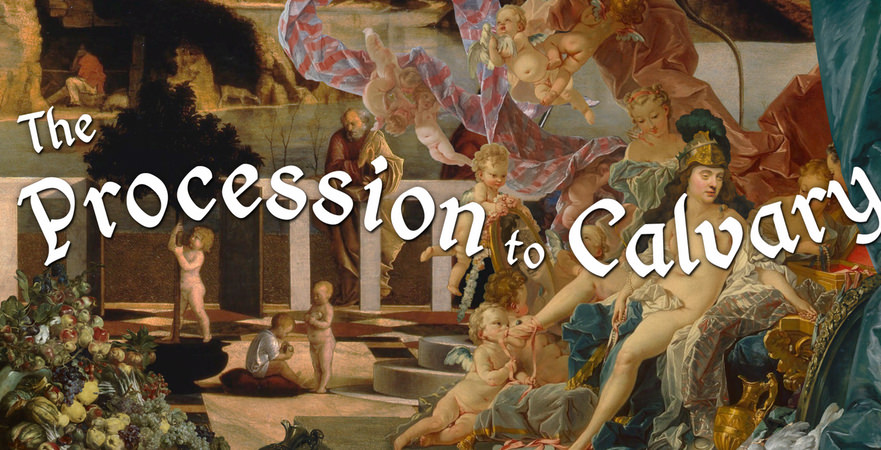
The 2020 point-and-click adventure The Procession to Calvary follows in the footsteps of Joe Richardson’s previous game, Four Last Things. It takes place in the same, or at least a similar, world collaged and composed from Renaissance paintings. However, both the protagonist and the driving force have changed. This time, the player controls a female warrior who uses a religious war as an excuse for her own bloodlust, while Christianity is subjected to cruel, carnivalesque satire. The Procession to Calvary is a journey to the dark side of Christianity and its obscure outskirts.
The Secret of Monkey Island (1991)
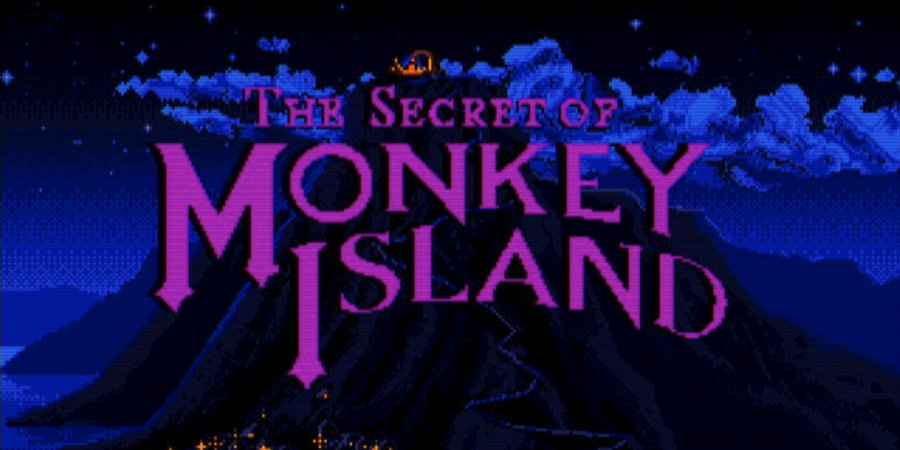
After the rather sombre The Longing, I needed something to lift my spirits and reached for the light-hearted adventure game classic The Secret of Monkey Island, which I originally played on the Amiga. First I played the 2009 remake, The Secret of Monkey Island: Special Edition, and then the original 1991 Amiga version to experience it again from a modern perspective. The very first version of the game, however, was for DOS PCs, and this archaic experience is included in the 2009 Special Edition, where you can switch to it on the fly. In this article I focus primarily on the Amiga version and compare it to the Special Edition. The game is a classic for a reason: as an adventure game, it still holds up very well today. I have nothing against the audiovisually updated version, but to my surprise I found the old version better in terms of playability. In this post I also answer, from my own point of view, the question of how to play Amiga games.
Mystery Case Files: Prime Suspects (2006)
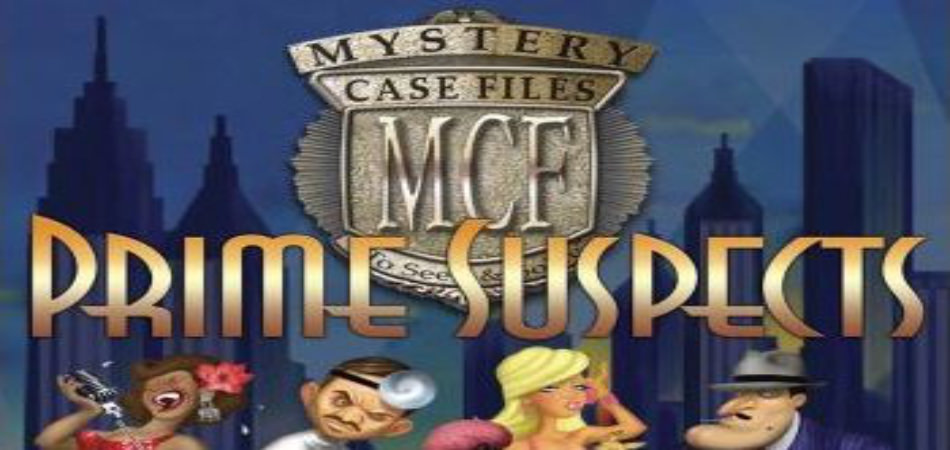
I continue from the previous post by returning to the early entries of the Mystery Case Files series. Prime Suspects followed the commercially successful Huntsville in less than half a year in 2006. It closely resembles its predecessor, though some development is clearly visible. Prime Suspects is longer, the mini-game-like crime computer now produces three different puzzle types, and the searching introduces a new flashlight/X-ray variation. The game managed to wear me down, though not to the point of outright boredom, which may simply have been due to my not taking a long enough break after Huntsville.
Mystery Case Files: Huntsville (2005)
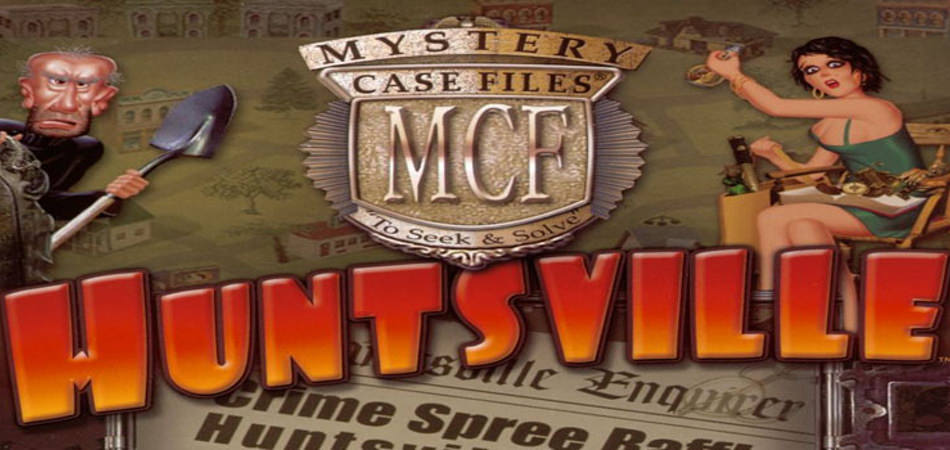
In my previous post, I found myself venting about the evolution of hidden object games — about how they have gone badly off course. That led me to return to the roots, to see what those early hidden object games actually felt like and what they did well. I have previously reviewed the fourth entry in the Mystery Case Files series, Madame Fate, which is a personal cult classic for me. Madame Fate was released in 2007. But what came before it? The first entry in the series, released in 2005, is sometimes described as the game that started the entire genre. I am not taking a stance on whether everything truly began with Huntsville, but the Mystery Case Files series is in any case a useful subject when examining the development of hidden object games. A new entry appeared almost every year, most recently in late 2021. The series currently consists of 23 games.
Four Last Things (2017)
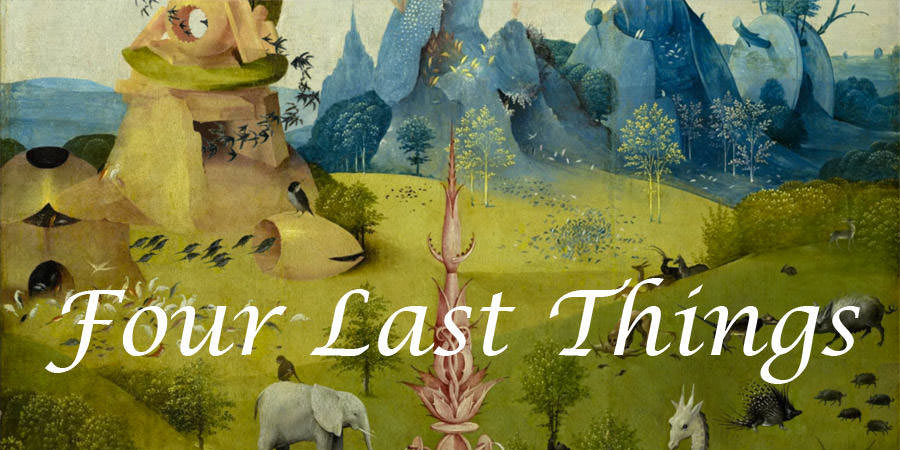
Religious themes are a rarity in games — magic and moral dilemmas, yes, but theology seldom. Released in late February, Four Last Things borrows directly from Christian doctrine: the Fall of Man and the Last Judgment. Its most distinctive feature is its collage-like art made entirely from Renaissance paintings. I found the game both fascinating and repellent — as amusing as it was unsettling.
Dominique Pamplemousse in “It’s All Over Once the Fat Lady Sings!” (2013)
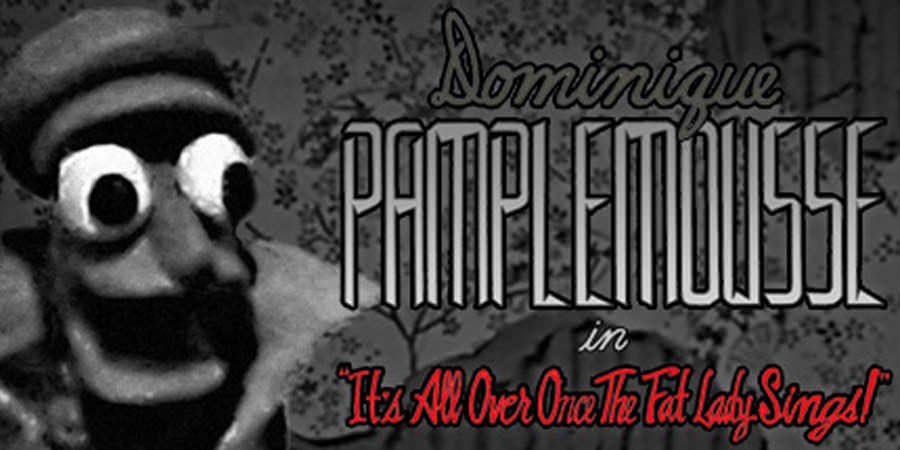
Dominique Pamplemousse in “It’s All Over Once the Fat Lady Sings!” is a tongue-in-cheek adventure game about “gender and economics”. I did not feel it actually had much to say about either, but there is little point in arguing over interpretations. The execution mainly brought to mind a secondary-school art project — though a fairly competent one as such. I nevertheless played the game through with a smile and do not regret this brief, under-an-hour art excursion at all. Dominique Pamplemousse comments on detective adventures in an idiosyncratic, parodic manner without mocking them outright, although not everyone seems to have understood this.