
Mystery Case Files: Shadow Lake (2012)
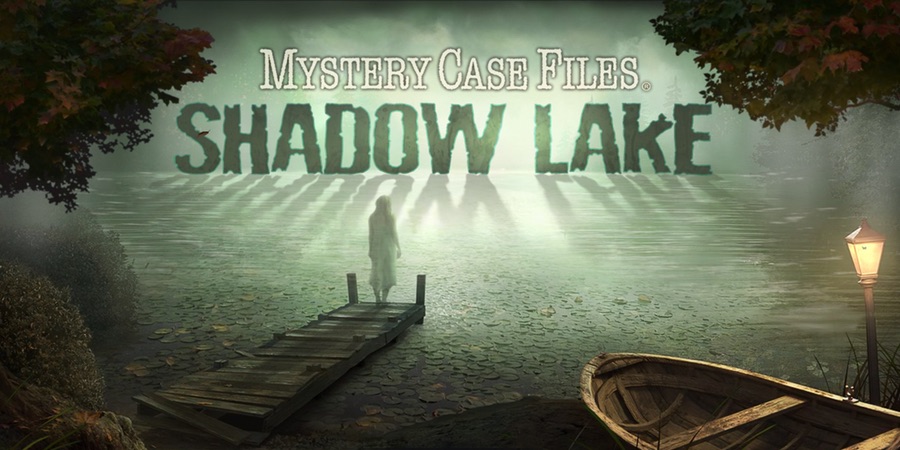
Released in 2012, Shadow Lake is the final entry in the Mystery Case Files series developed by Adrian Woods and Big Fish Games’ in-house studio. Subsequent instalments have been produced by other studios, although the brand has remained with Big Fish Games, which continues to publish the series. I started playing Shadow Lake almost immediately after Escape from Ravenhurst, and my first reaction was that it looked ugly and rather bleak. Stylistically, Shadow Lake is realistic and structurally quite simple. After the fantastical Escape from Ravenhurst, it feels like a return to earth, even though the story itself is supernatural, with mediums and cursed horns. It felt as if they’d squeezed the last drops out of Adrian Woods and then simply slipped through the fence instead of climbing it. Still, it is a perfectly decent game, very casual in nature, and my experience was by no means miserable.
Mystery Case Files: Escape from Ravenhurst Collector's Edition (2011)
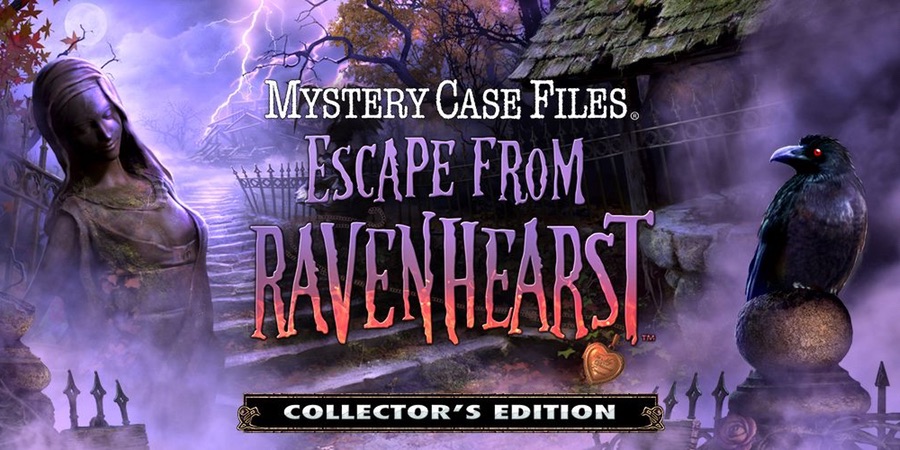
The eighth instalment in the Mystery Case Files series — and the third chapter in the Ravenhurst arc — Escape from Ravenhurst sends your agent back to the Ravenhurst Manor, even though it has already burned to the ground. Its master, the vampiric psychopath Charles Dalimar, is still very much alive. Emma, Rose and her twin daughters from the late 1800s remain imprisoned by him, and Dalimar is now draining paranormal energy from other villagers as well. This entry embraces the full extremity of Charles Dalimar’s madness. At times the grotesqueness of the visuals and some task instructions genuinely made me feel sick — which must be considered a success in terms of design and execution. Escape from Ravenhurst is an exceptionally high-quality hidden object game. Classic search scenes based on word lists have stepped aside as the main task type, replaced by morphing objects. This captivating mechanic is now given ample room to shine. The game also introduces a brand-new kind of search puzzle based on finding counterparts for small image fragments in the environment.
Mystery Case Files: 13th Skull (2010)
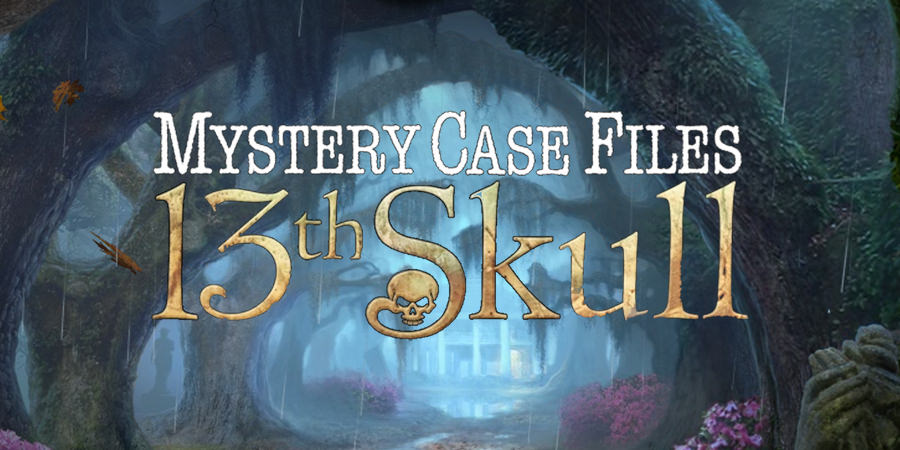
The seventh entry in the popular hidden object series, Mystery Case Files: 13th Skull, was released in late 2010. It is a standalone pirate-themed story set in the “Deep South” of the United States, in Louisiana. The player-controlled agent arrives at a dilapidated manor to investigate the disappearance of a man. It appears that the family's father has been abducted by a ghost, and the manor holds clues pointing to a hidden pirate treasure. But not everything is quite as it first seems. 13th Skull offers, so far, the most mature story in the Mystery Case Files series. New features include the ability to converse with characters portrayed by live actors in order to gather information. Alongside the familiar word-list-based hidden object scenes, the game also introduces a new type of search task: chores.
Mystery Case Files: Dire Grove Collector's Edition (2009)
The sixth entry in the Mystery Case Files series, Dire Grove, was released toward the end of 2009. It follows in the footsteps of the previous game, Return to Ravenhurst, as a full-fledged adventure game, but it does not continue the Ravenhurst storyline. Instead, it tells its own tale inspired by Celtic mythology. Dire Grove features remarkably few mini-games, with tasks revolving primarily around the inventory. There are no bizarre door-lock mechanisms, even though the core actions still involve opening, activating, and gaining access. There are plenty of hidden object scenes — one could say enough to make up for the missing mini-games.
Mystery Case Files: Return to Ravenhurst (2008)
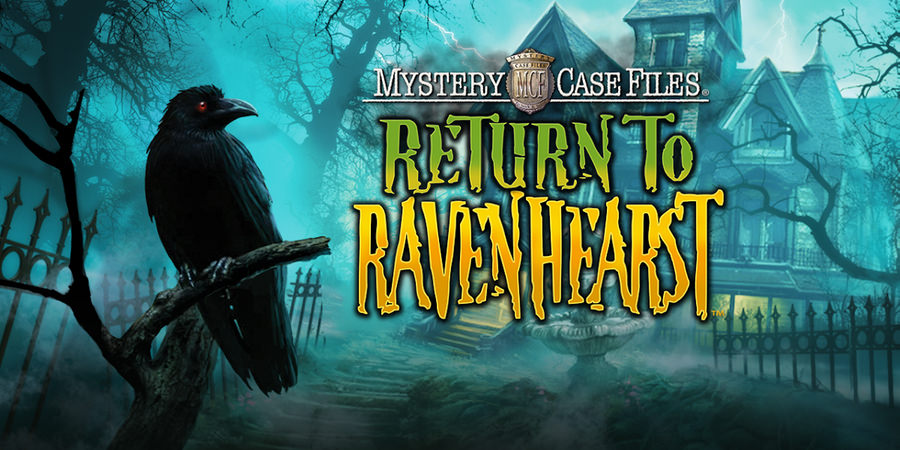
I continued my playthrough of the Mystery Case Files series with its fifth instalment, Mystery Case Files: Return to Ravenhurst, released in 2008. The game is a direct narrative continuation of the series’ third entry, Ravenhurst. This time, the series makes a decisive leap into adventure-game territory. Free exploration of the manor grounds and the use of an inventory are now woven into a single, continuous story arc. At the same time, the player character moves to the centre of the experience as its primary subject. Whereas in Ravenhurst the task was to recover missing pages of a lost woman’s diary, here those pages are written dynamically into the player character’s own journal. The series’ earlier humour is replaced entirely by horror, and stereotypical characters give way to overtly psychopathological figures. Haunting no longer relies on looping sound effects alone: ghosts appear as animated characters who speak directly to the player. The series thus takes a major step forward — but is its new direction a sound one?
Mystery Case Files: Madame Fate (2007)
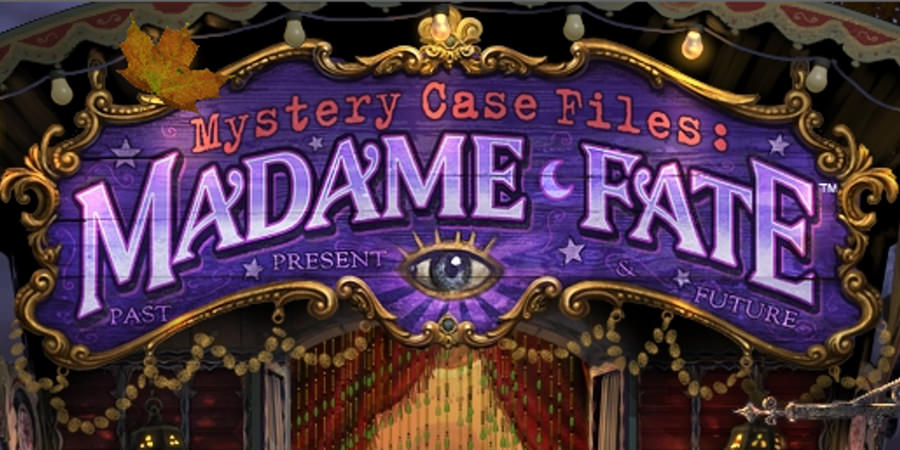
Released in November 2007, the fourth entry in the Mystery Case Files series, Madame Fate, was among the first hidden object games I ever played. That was over a decade ago. I featured the game on Samooja three years ago, but rereading my old review now left me dissatisfied. The introduction was overly brief, and there were too few screenshots. As I have since set myself the task of revisiting the first nine Mystery Case Files games in a more analytical spirit, I am returning to Madame Fate to do better justice to its variety. This search-and-puzzle game, set in a carnival run by a medium, is a low-fi audiovisual feast.
Mystery Case Files: Ravenhurst (2006)
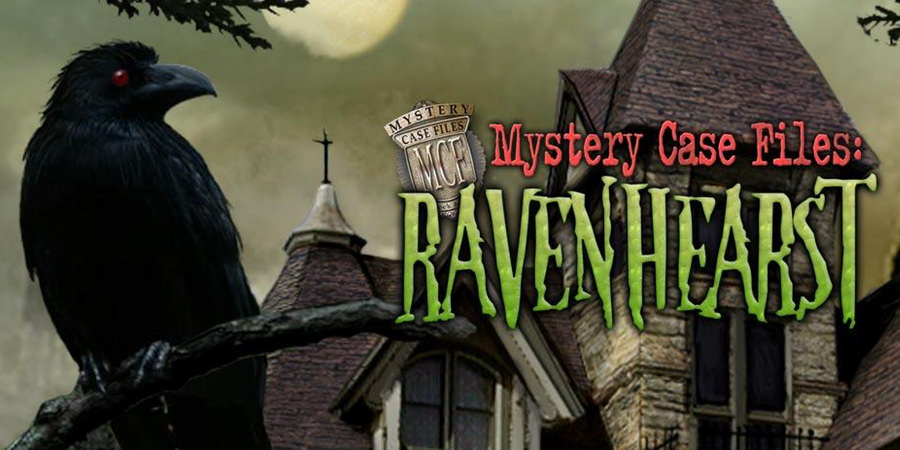
I continued my exploration of the Mystery Case Files hidden object series with its third entry, released in December 2006: Ravenhurst. Within the series, Ravenhurst forms its own five-part mini-series, indicating that its setting proved fertile ground both narratively and commercially. Among fans of Mystery Case Files, Ravenhurst holds a particular status. It won me over as well, and the fatigue I experienced while playing Prime Suspects was entirely absent. What distinguishes Ravenhurst from the series’ first two games is its strong narrative cohesion. The story binds the mechanical elements together and gives the experience a clearer sense of purpose. This is where one can observe hidden object games edging closer to adventure games. I also suspect that Ravenhurst, unintentionally, marked the beginning of the genre’s later obsession with locks.
Mystery Case Files: Prime Suspects (2006)
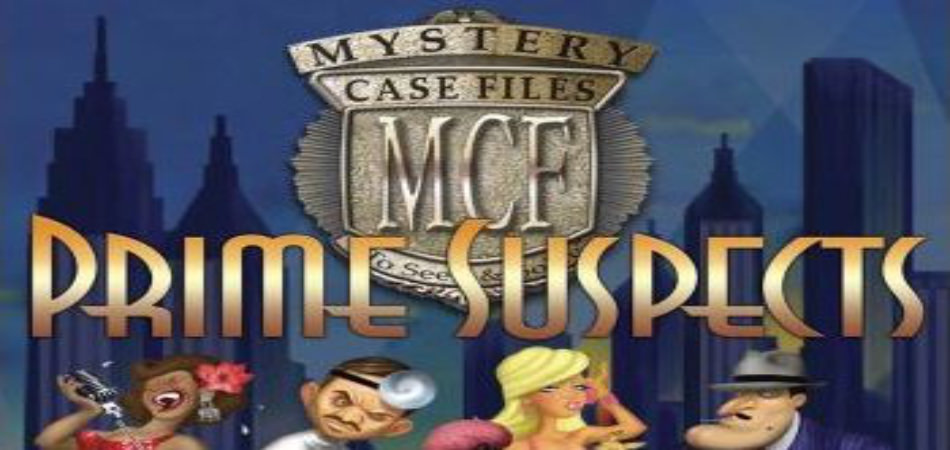
I continue from the previous post by returning to the early entries of the Mystery Case Files series. Prime Suspects followed the commercially successful Huntsville in less than half a year in 2006. It closely resembles its predecessor, though some development is clearly visible. Prime Suspects is longer, the mini-game-like crime computer now produces three different puzzle types, and the searching introduces a new flashlight/X-ray variation. The game managed to wear me down, though not to the point of outright boredom, which may simply have been due to my not taking a long enough break after Huntsville.
Mystery Case Files: Huntsville (2005)
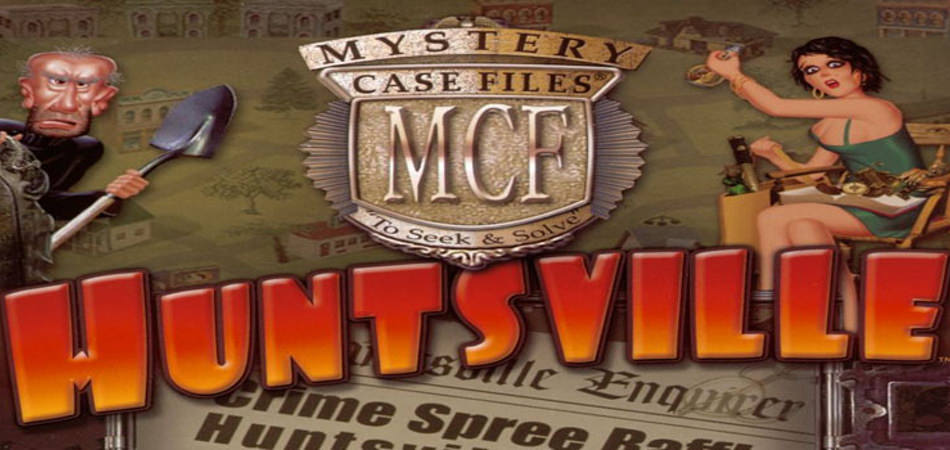
In my previous post, I found myself venting about the evolution of hidden object games — about how they have gone badly off course. That led me to return to the roots, to see what those early hidden object games actually felt like and what they did well. I have previously reviewed the fourth entry in the Mystery Case Files series, Madame Fate, which is a personal cult classic for me. Madame Fate was released in 2007. But what came before it? The first entry in the series, released in 2005, is sometimes described as the game that started the entire genre. I am not taking a stance on whether everything truly began with Huntsville, but the Mystery Case Files series is in any case a useful subject when examining the development of hidden object games. A new entry appeared almost every year, most recently in late 2021. The series currently consists of 23 games.