
Mystery Case Files: Return to Ravenhurst (2008)
I continued my playthrough of the Mystery Case Files series with its fifth instalment, Mystery Case Files: Return to Ravenhurst, released in 2008. The game is a direct narrative continuation of the series’ third entry, Ravenhurst. This time, the series makes a decisive leap into adventure-game territory. Free exploration of the manor grounds and the use of an inventory are now woven into a single, continuous story arc. At the same time, the player character moves to the centre of the experience as its primary subject. Whereas in Ravenhurst the task was to recover missing pages of a lost woman’s diary, here those pages are written dynamically into the player character’s own journal. The series’ earlier humour is replaced entirely by horror, and stereotypical characters give way to overtly psychopathological figures. Haunting no longer relies on looping sound effects alone: ghosts appear as animated characters who speak directly to the player. The series thus takes a major step forward — but is its new direction a sound one?
The lead designer of Return to Ravenhurst was Adrian Woods, and the game was developed by Big Fish Games’ internal studio. My intention is to examine the first nine entries in the Mystery Case Files series, after which design and development responsibilities were handed over to other studios. Previous reviews published on Samooja have covered Huntsville, Prime Suspects, Ravenhurst, and Madame Fate. I approach the games as parts of an evolving series, comparing them against one another.
Back to the house of horrors
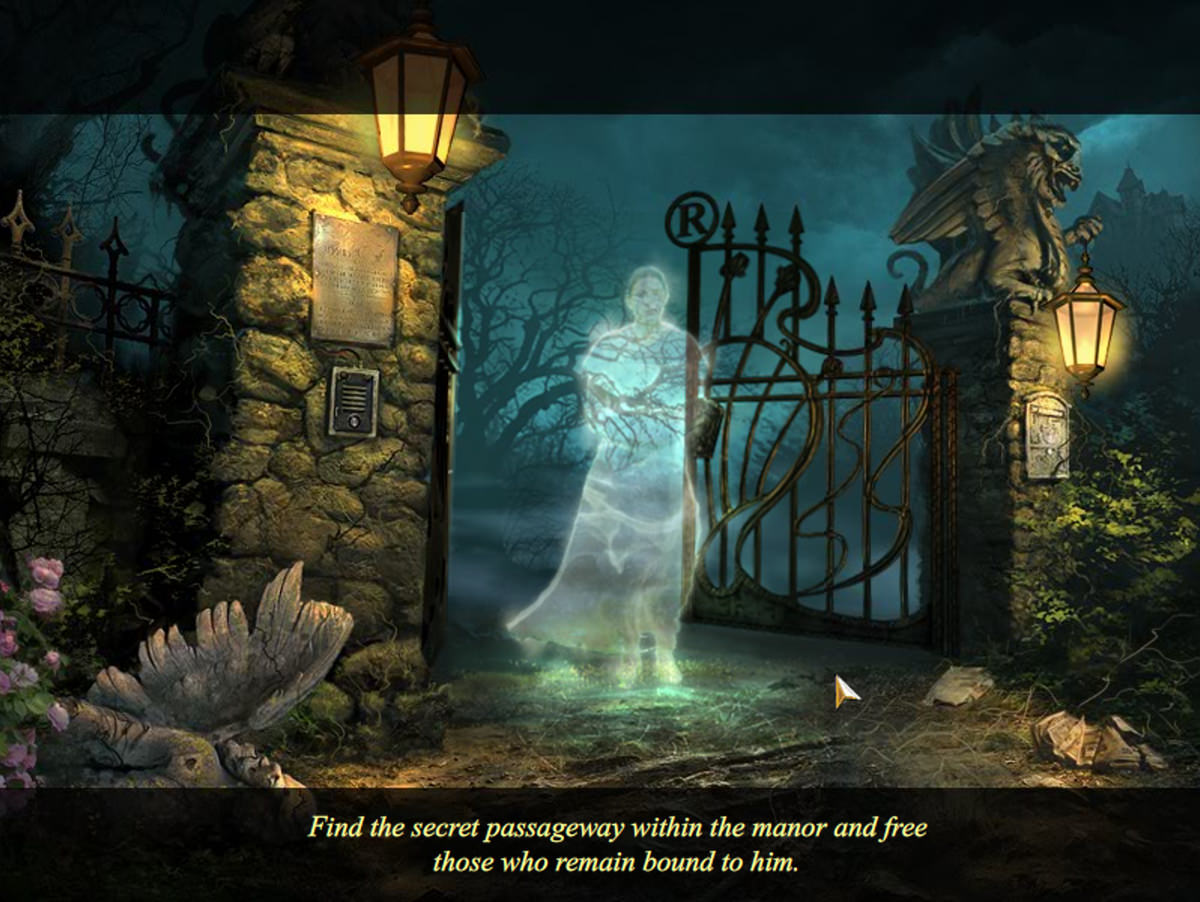
As its title suggests, Return to Ravenhurst brings the player back to the Victorian Ravenhurst manor. The agent protagonist has received a serious lead suggesting that the manor’s former master may still “live” on — and that he may be holding captive more souls than just the late Emma Ravenhurst, whom the agent previously managed to free. It emerges that Rose, a maid who once cared for the ailing Emma, and her two daughters exist under the man’s paranormal domination. They appear repeatedly throughout the game as ghostly figures.
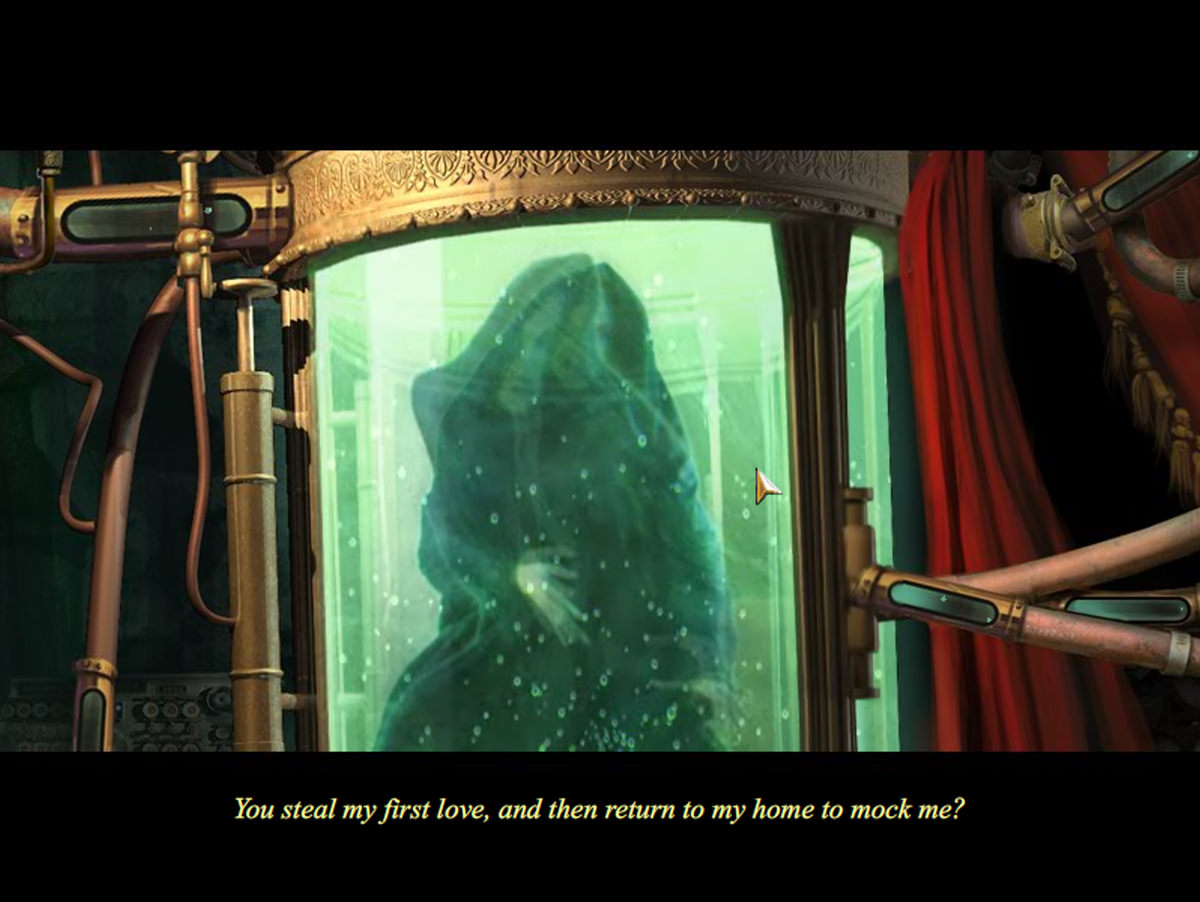
Return to Ravenhurst is a horror game. It tells a story of extreme possessiveness and abuse. The manor’s master, Charles Dalimar, has pushed his paranormal experiments to their limit and is able to sustain himself in a liminal state between life and death — at the expense of other people’s souls, vampirically drained. A touch of steampunk enters the picture through the machines Dalimar has constructed.
From circular hubs to a linear path
With Return to Ravenhurst, the series undergoes a radical shift in perspective. In Madame Fate, the central hub is a character gallery revisited repeatedly. In Huntsville, this role is filled by the case file, while Prime Suspects merges the gallery and case file into a single interface. The fourth entry, Ravenhurst, breaks from this pattern by using the manor’s floor plan as its central view. Even so, all four earlier games share the crime computer, which serves to summarise clues at the end of each chapter.
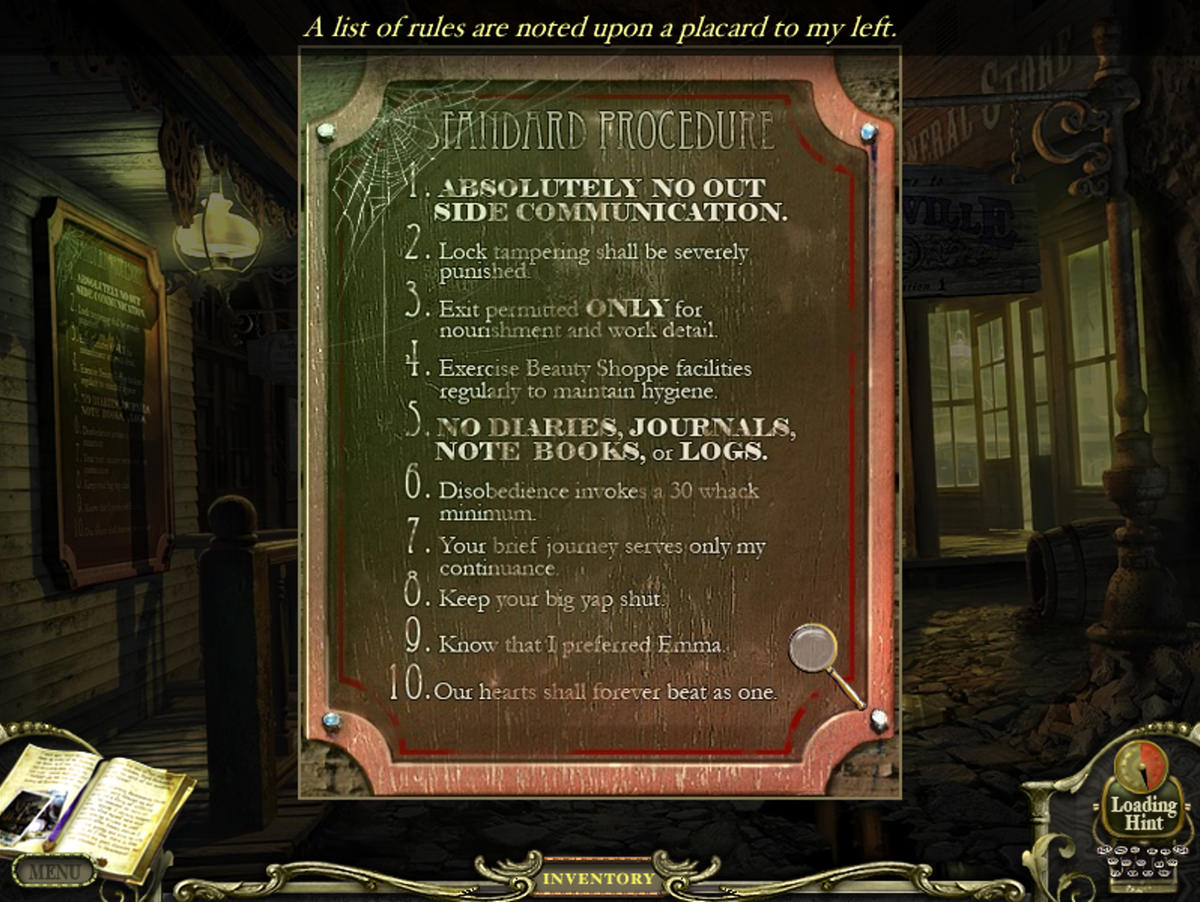
Return to Ravenhurst lacks both the character gallery/case file and a map, and even the crime computer has been reduced to a simple hint-giving device. The game is no longer held together by any central interface; instead, its red thread is a linear story. The player effectively “writes” that story through hands-on, ground-level interaction.
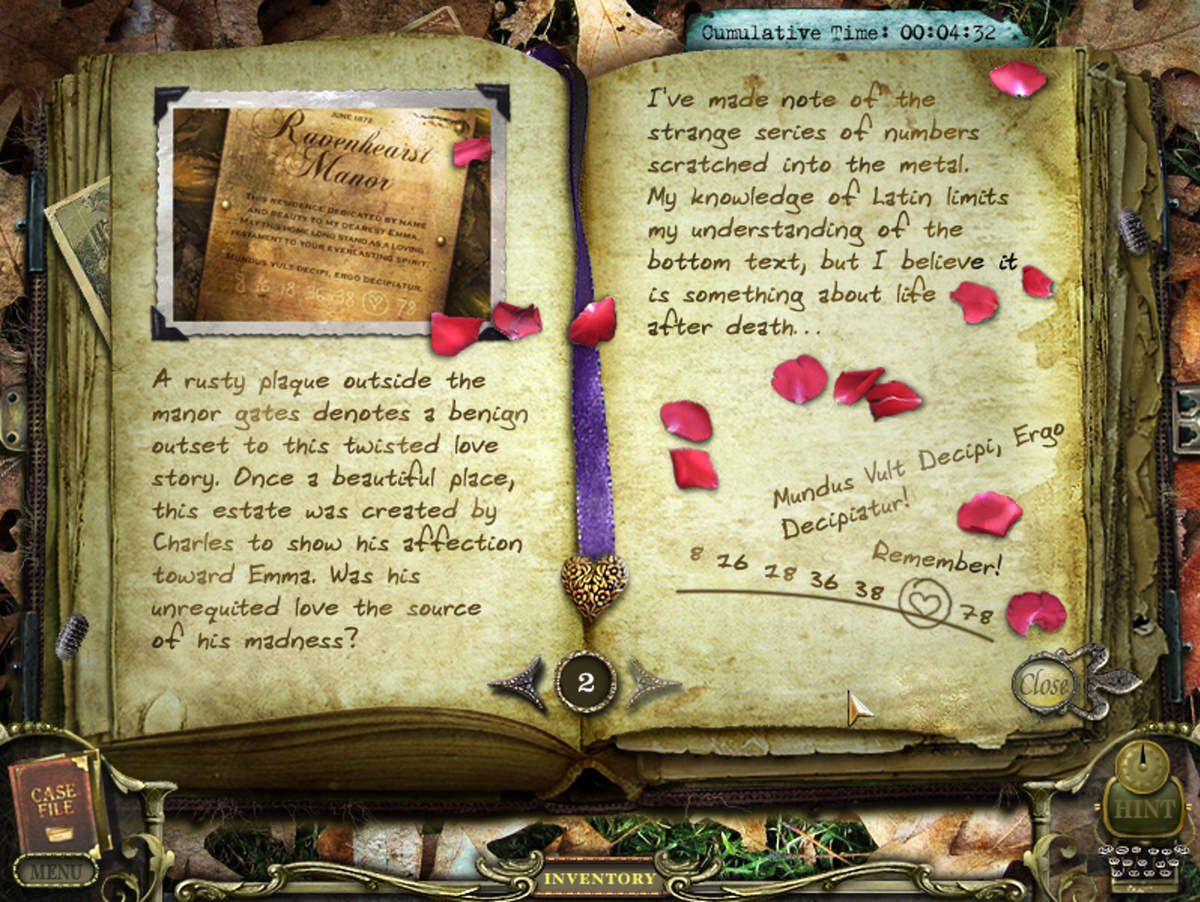
Although the journal is an essential narrative element in Return to Ravenhurst, reading it is not mandatory. New entries do not open automatically; the player must choose to read them. The journal does not reveal anything that could not be inferred through play, but it brings everything together in prose form and reinforces the sense of a defined protagonist through first-person narration.
Classical beauty
Visually, Return to Ravenhurst made a strong impression on me. The locations looked magnificent. Given the game’s age, the resolution is naturally limited, but the overall aesthetic remains striking. The environments evoke a near-authentic Victorian England. My only real complaint concerns the darkness of the hidden object scenes. I repeatedly had to raise my screen brightness to maximum in order to distinguish all items.

At the time of release, the use of animated, speaking apparitions was noteworthy, and they undoubtedly impressed players. Environments, too, feature animation. Some of it is admittedly superfluous: objects that can be nudged or examined purely for an animation or a comment, without any gameplay function. This nevertheless reflects the developers’ attention to detail.
The sound design is similarly elevated. The music consists of high-quality classical-style orchestral and piano pieces — mostly calm, but occasionally intensifying. The tranquillity suits the hidden object scenes, while the more intense passages support moments of narrative tension. Locations have distinct ambient soundscapes, which I found particularly effective. At times, Rose and her daughters can be heard pleading for help in the background. Sound effects never felt overemphasised, suggesting a well-balanced overall audio design.
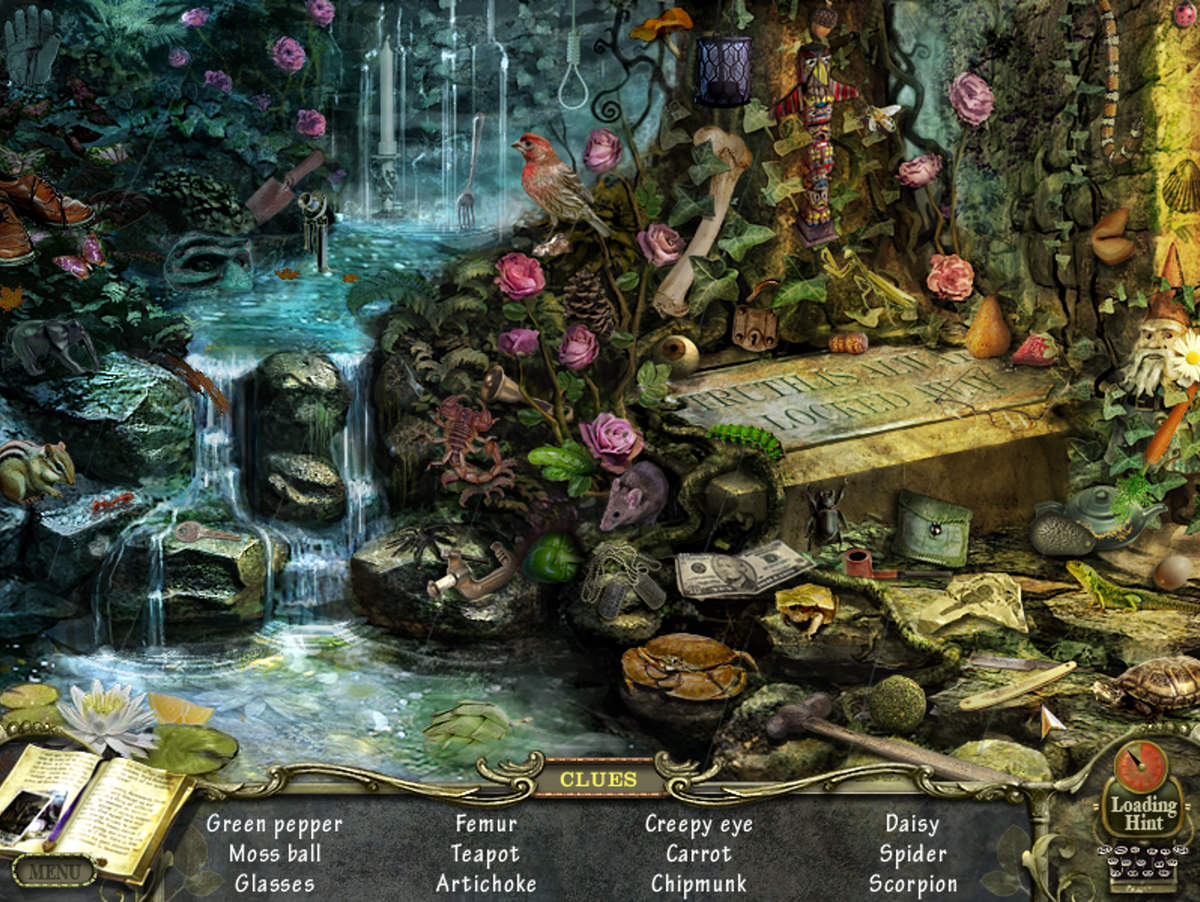
Audiovisually, Return to Ravenhurst clearly boasts high production values. But how does it fare mechanically? How successful is it as an adventure game that incorporates hidden object scenes and mini-games?
Hunting search scenes and inventory lotteries
In Return to Ravenhurst, hidden object scenes are embedded within location views as limited areas of a room or outdoor setting. Their presence is hinted at by animated sparkles. The player can roam the manor freely, but at any given time only a few search scenes are available. Each location contains only one such scene, and each scene is visited twice.
Search scenes appear seemingly at random. As a player, I could not know where a new scene had appeared, and sometimes I had to wander the manor for quite some time to find it. I tried to discern some logical link between the game’s state and the appearance of a scene, but found none.
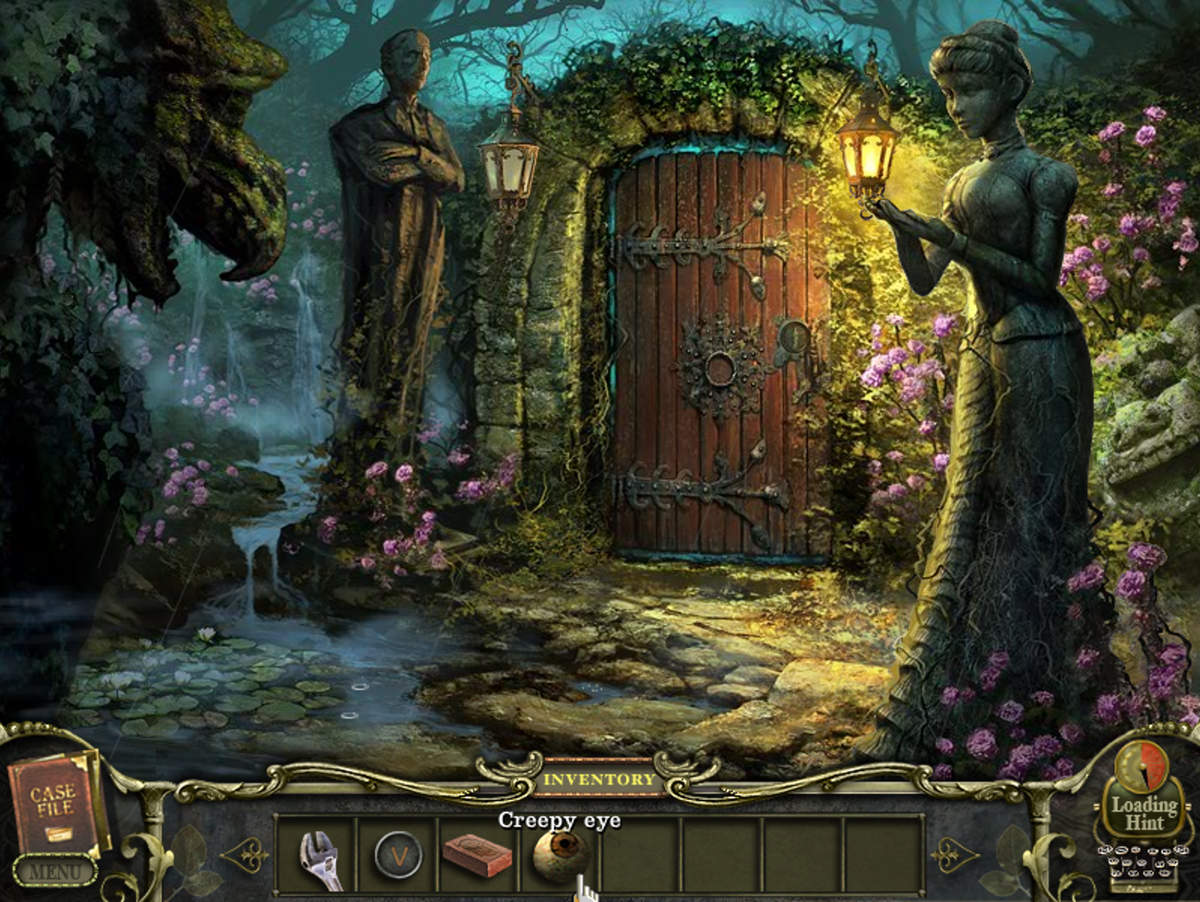
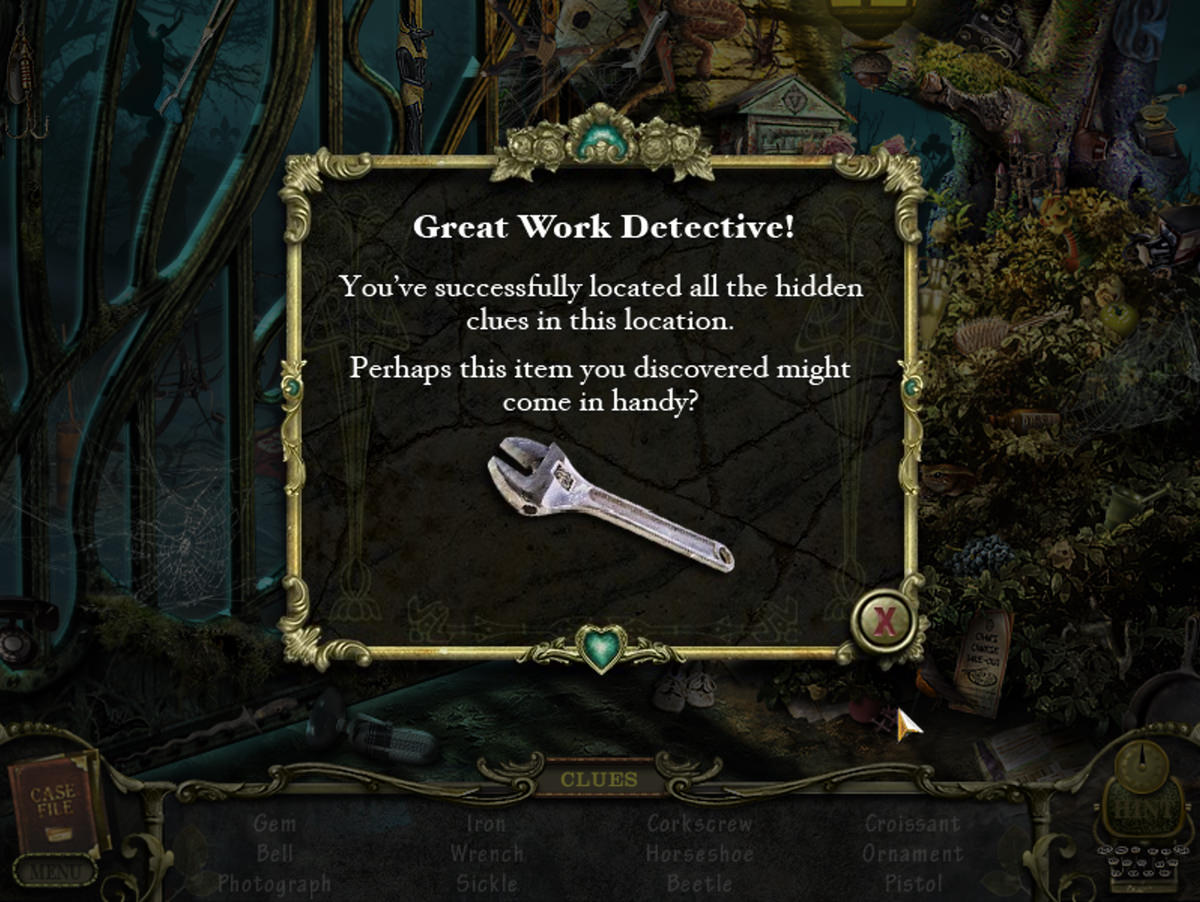
Hidden object scenes are completed by finding items listed in word lists. Each list contains one specific item that will be transferred to the inventory once all listed objects have been found. Simply locating the needed item is not enough; the player must also find a large number of irrelevant objects. This design approach was carried over wholesale into later hidden object games.
Using hidden object scenes to populate the inventory is a new feature for the series and, in principle, an interesting way to merge search gameplay with adventure mechanics. The inventory in Return to Ravenhurst is also supplemented by standalone items found outside search scenes, hidden directly in broader location views — another convention that later became standard in the genre.
Why search scenes serve the adventure so poorly
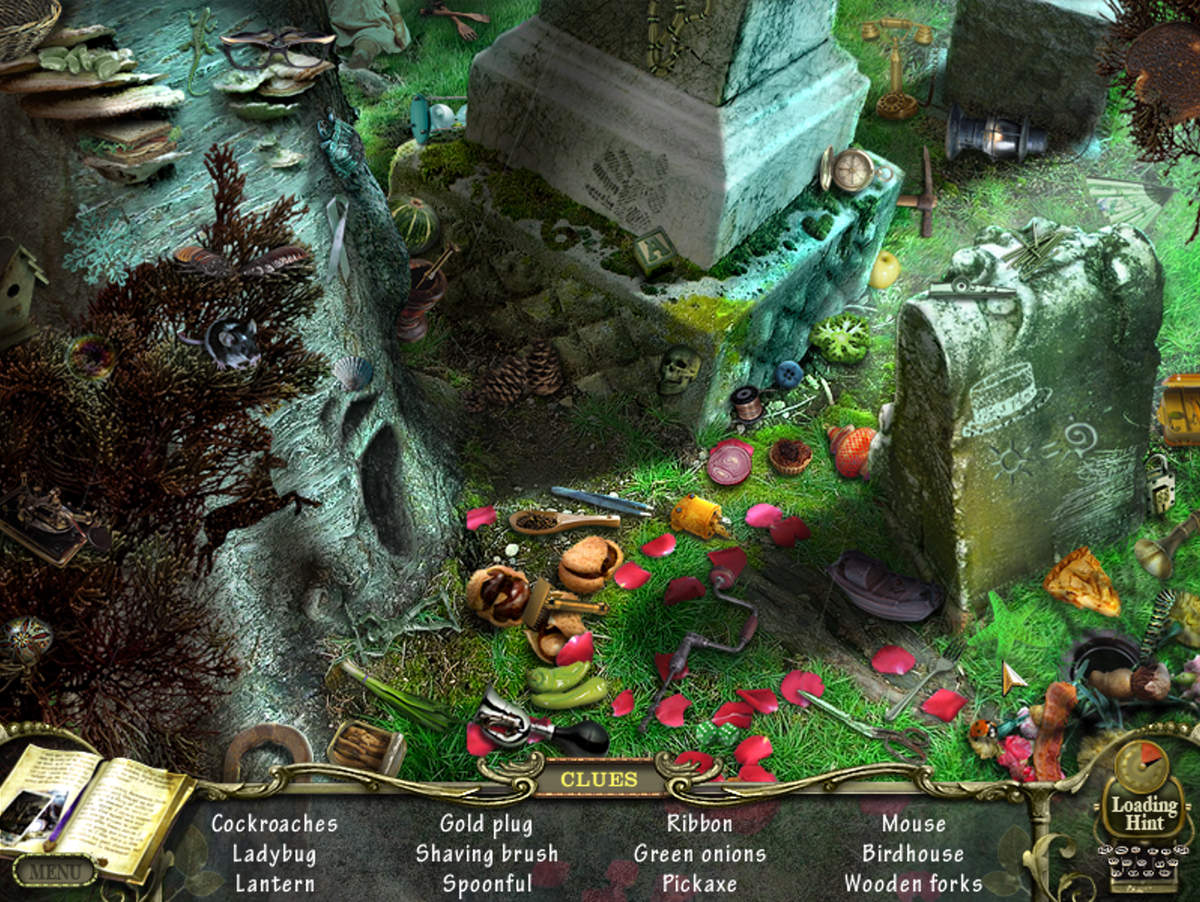
I find the use of hidden object scenes for inventory acquisition problematic. One issue is the unjustified requirement to collect large numbers of superfluous items, which highlights how poorly the hidden object and adventure formats integrate. Such scenes typically contain random objects unrelated to the story and often ill-suited to the environment. As an adventure-game player, I instinctively resist this kind of contrived scavenging.
Another problem is the seemingly arbitrary appearance of search scenes. Their contents are not visible in the environment beforehand, and there are no practical hints as to what they contain. Even if the player knows they need a hammer, there is no way to infer where it might be found. Either it was obtained earlier without context, or the player must backtrack through previously visited locations in the hope that a new scene containing the hammer has appeared — something that happened to me frequently in Return to Ravenhurst.
It is worth remembering that even pure adventure games often encourage players to pick up items simply because they are available, without knowing whether they will be useful. Attempts at more “realistic” restrictions have generally irritated players. Perhaps fans of hidden object games more readily accept the genre’s inherent artificiality. I do enjoy hidden object scenes in themselves, and do not reject their use outright. Ultimately, the problem lies elsewhere.
The soullessness of assembly-line design
The description “an adventure game with hidden object scenes and mini-games” captures precisely the form that hidden object games have repeated, largely unchanged, for over a decade. Did Return to Ravenhurst establish this formula as so effective that the older puzzle-search hybrid could be discarded entirely? It certainly feels that way.
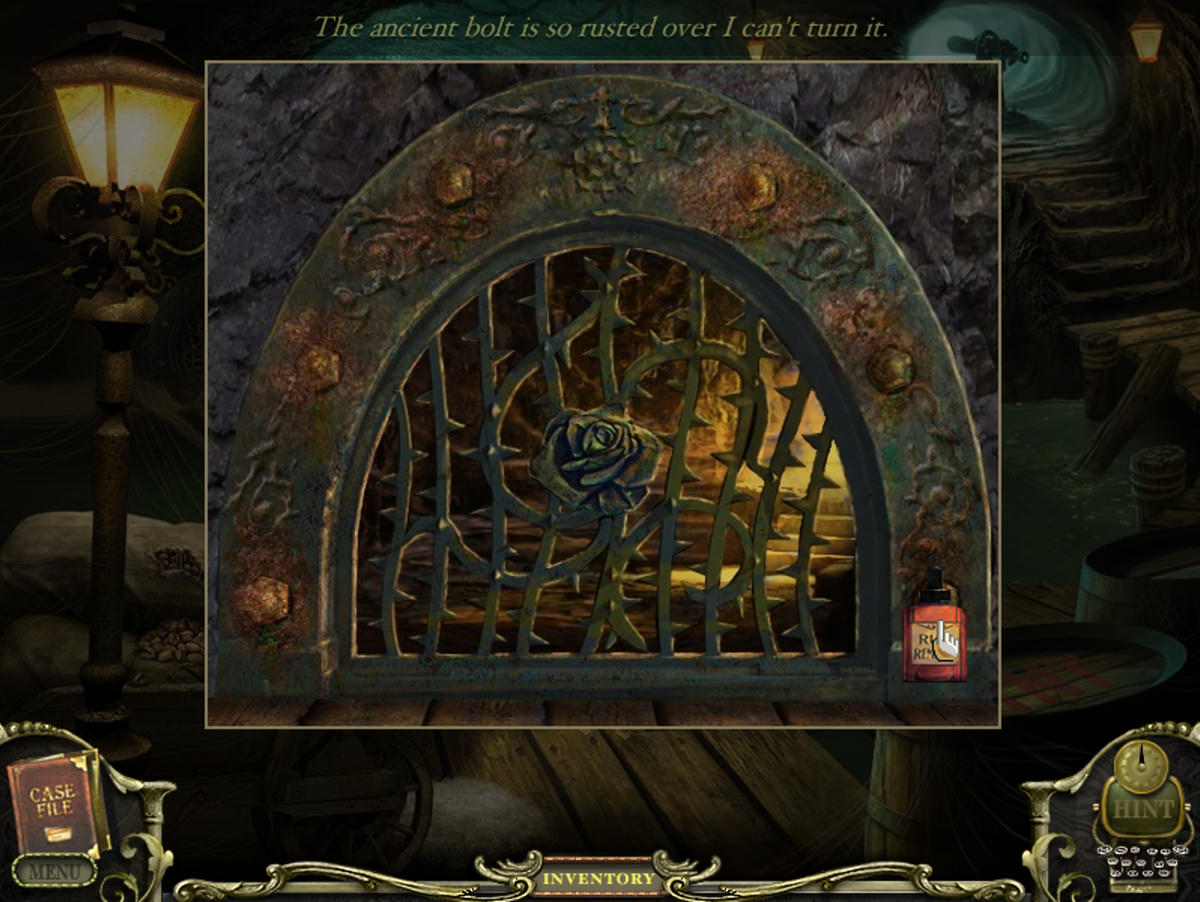
Assembly-line production implies economic optimisation: producing as many games as possible with minimal investment. There is no need for a calling to make this particular game — only the application of a proven template. Mini-games repeat with new graphics; the same inventory items perform similar functions; progression is blocked by lock mechanisms because they are convenient and economical to design.
This sense of derivativeness extends to narrative design. Too often, hidden object games feel as though familiar elements have been thrown together without internal coherence. They lack soul and substance, offering only a glossy surface. Playing them can feel like eating an ornate cream cake that leaves one unsatisfied.
A compelling story or meaningful inventory use is not guaranteed even in indie adventure games. Both require vision. Inventory puzzles should be genuinely puzzle-like, integrated into the game’s world, and capable of surprising the player. If wrenches, screwdrivers, crowbars, hammers, axes, and keys recur endlessly and function exactly as expected, successful design is hard to claim. I would even argue that one can judge an adventure game’s interest simply by glancing at its inventory.
The missing map
I missed having a map in Return to Ravenhurst. Its absence felt strange, given its importance in earlier entries. A dynamically updated map could easily have been integrated into the journal, justified as sketches drawn by the protagonist while exploring new layers of the manor.
In more modern hidden object games, a map with hints is standard. It shows where actions are available and often indicates collectibles or morphing objects. Above all, it provides fast travel, sparing the player tedious backtracking.
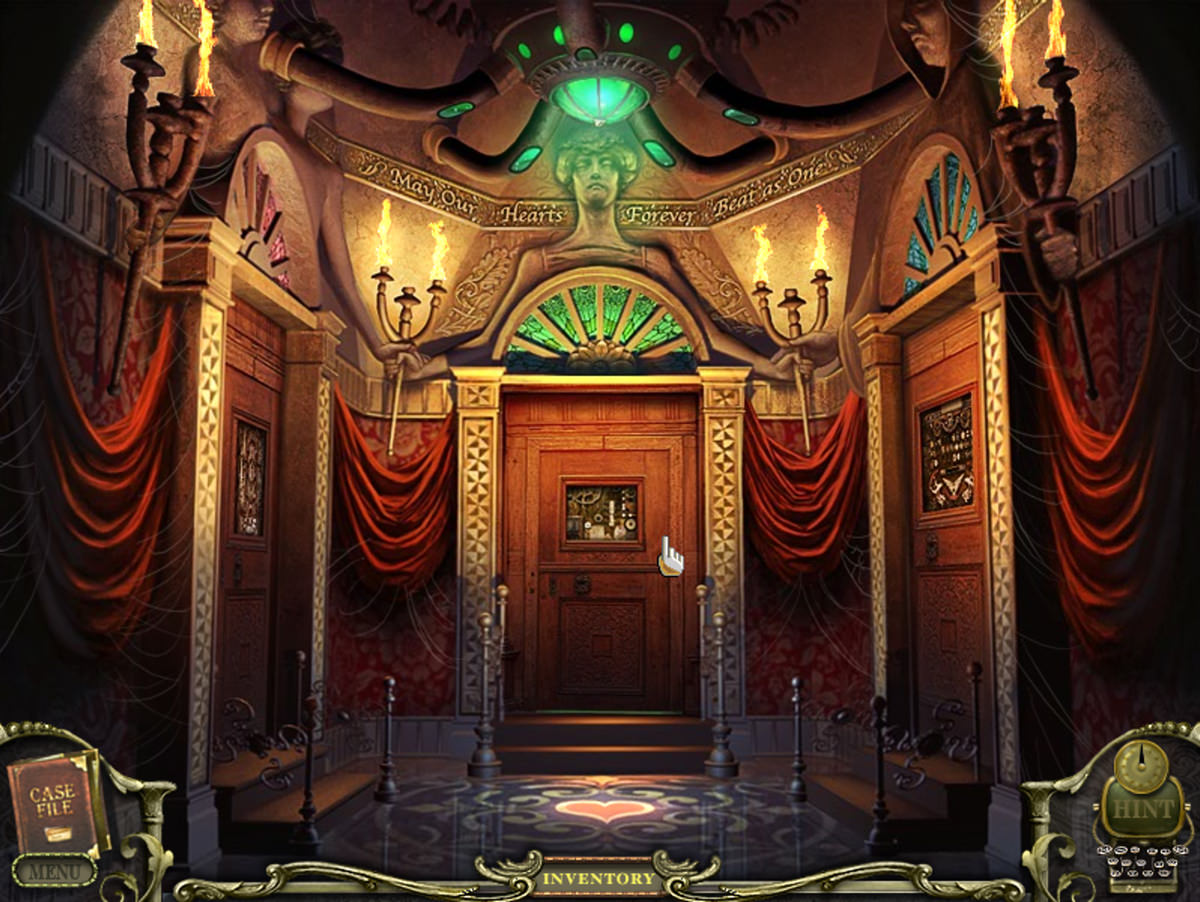
The Ravenhurst grounds are fairly extensive. Without a map or shortcuts, and with search scenes appearing unpredictably, I explored them thoroughly — sometimes too thoroughly, getting lost along the way. I consider myself a poor navigator in games, though this is less pronounced in 2D titles like Return to Ravenhurst.
Mini-games abound, but the crime computer is sidelined
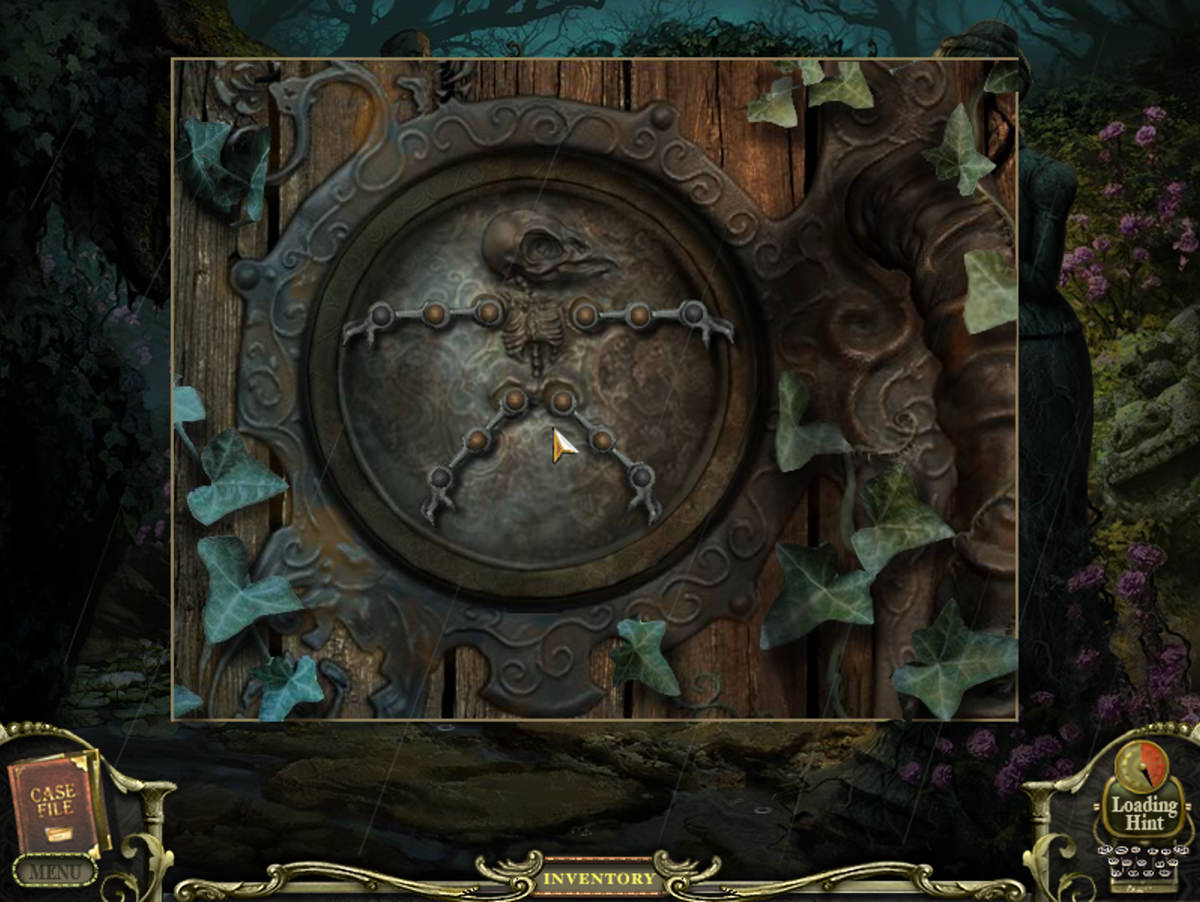
Return to Ravenhurst includes mini-games in earnest — a first for the series. The mechanical door puzzles familiar from Ravenhurst remain, but in simplified form. These doors likely served as models for later hidden object games; in Ravenhurst they were still too idiosyncratic to be widely copied, which I personally regret.
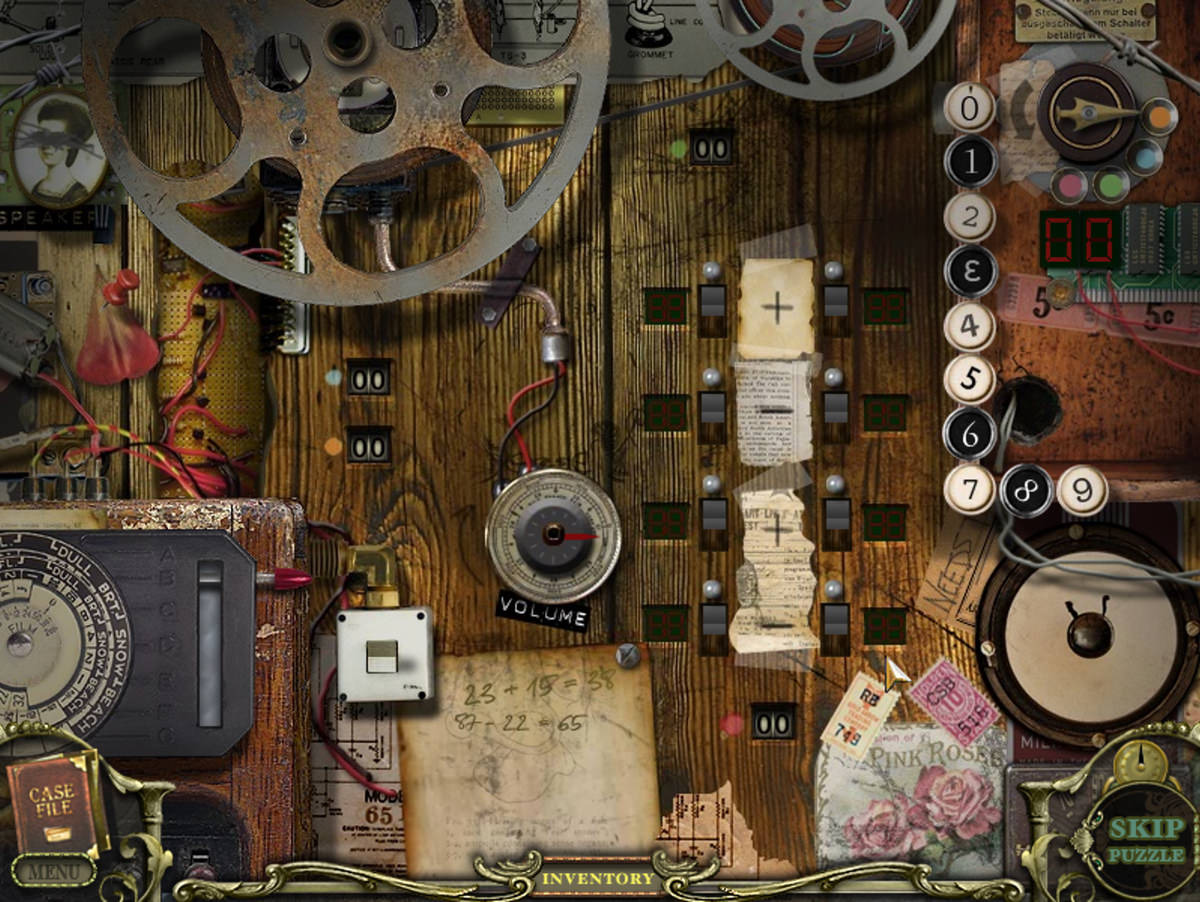
Standalone mini-games are also embedded directly into locations. Some felt refreshing, though not necessarily easy. Reaction-based challenges stood out. Initially they seemed nearly impossible, but with practice my coordination improved. Timed mini-games provided a sharp contrast to the soothing rhythm of search scenes.
I skipped puzzles fairly often out of fatigue. Skipping adds 30 minutes to the recorded playtime, though this felt largely inconsequential. The total time is displayed in the journal and contributes to a top-10 list in the main menu. I skipped enough that I did not reach the top ten, implying a playtime of over ten hours. With focus, I believe the game can be completed without skipping in around five to six hours.
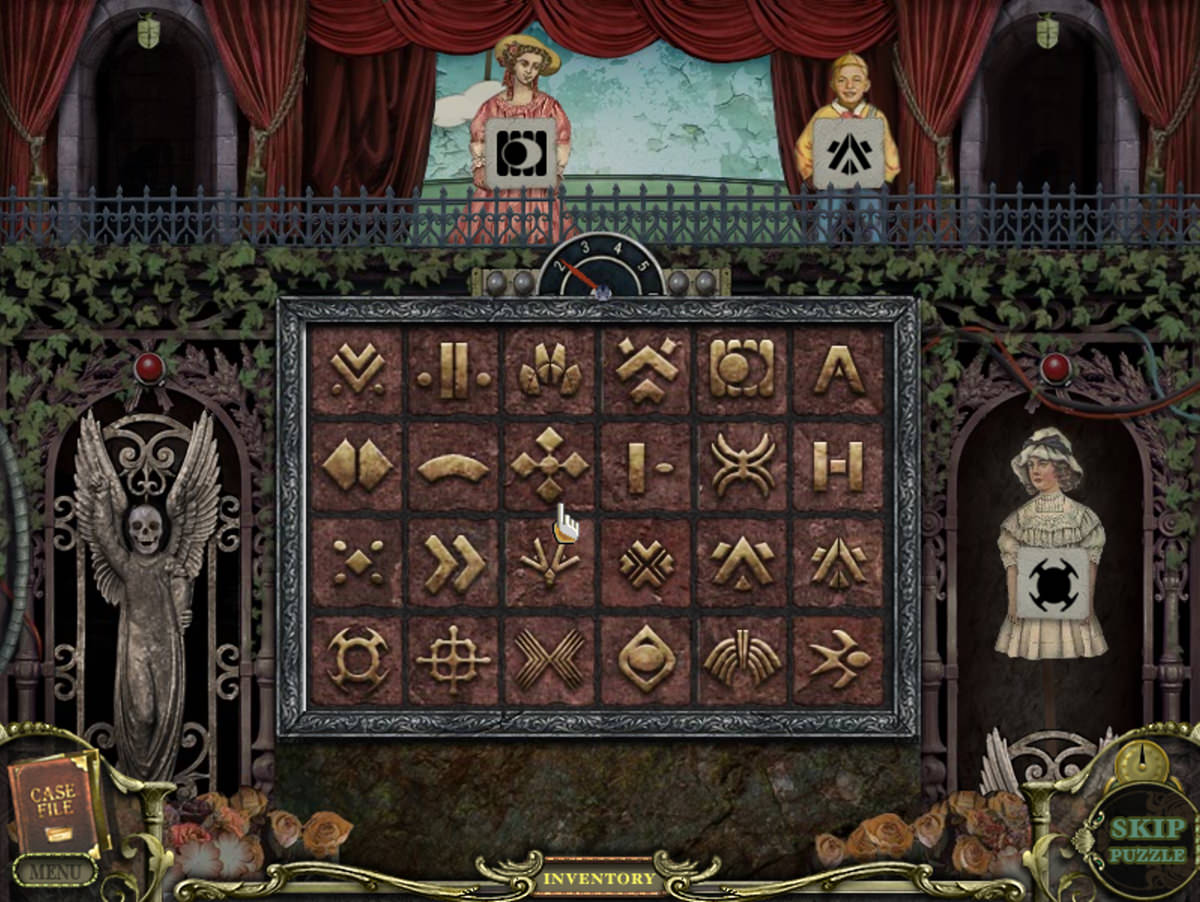
Return to Ravenhurst is a calm, unhurried game that benefits from being played at a relaxed pace. All puzzles seem solvable without external help, given enough thought. The game offers little guidance, however, and a separate strategy guide is sold.
The crime computer no longer contains puzzle challenges as it did in earlier entries. I found it diminished and stripped of character. In search scenes, clicking it highlights the area containing a remaining listed item. It can also indicate where an inventory item can be used, but I found this redundant given the straightforward nature of the items.
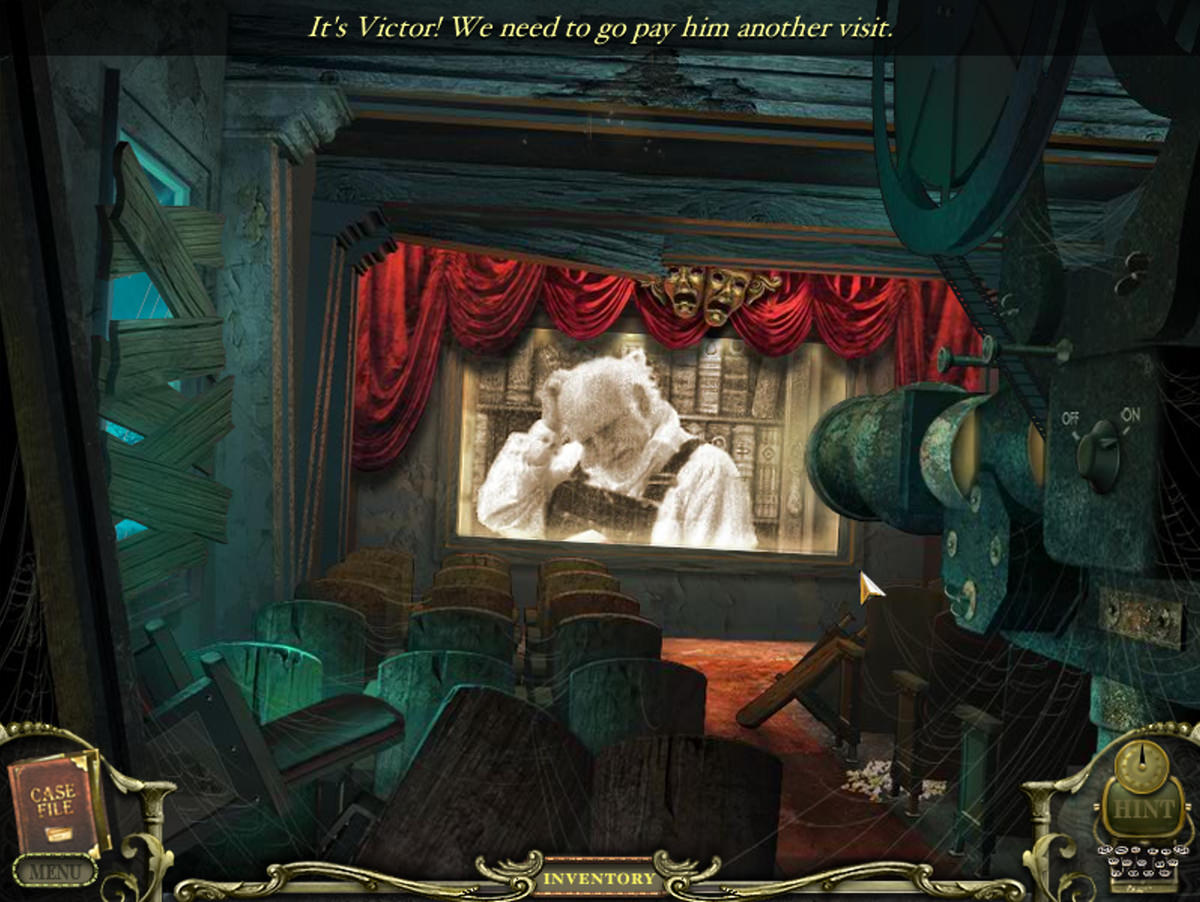
Modern hidden object games typically include a hint system that points the player to the next location. This is absent in Return to Ravenhurst, increasing aimless wandering. Such a system could have been integrated into the crime computer instead of its inventory-use function.
Hints are also limited in availability. The crime computer’s charge is depleted by a single hint and takes time to recharge, either through elapsed playtime or by finding items in search scenes.
Verdict
Return to Ravenhurst looks and sounds good. With its abundance of hidden object scenes, it offers reliable enjoyment for fans of the genre. The mini-games are varied, though less idiosyncratic than those in earlier entries. The sheer volume of detail gives the impression of a substantial experience. As an adventure game, however, it is uneven, and its inventory design is far from inspired.
Although I am inclined to point an accusing finger at Return to Ravenhurst as the starting point of assembly-line production, I believe it was still made in good faith. It genuinely attempts to be distinctive, and its storytelling has not yet dissolved into empty filler. Even so, it is not narratively strong, leaning heavily towards exaggeration and melodrama.
I give my overall experience a score of 65 out of 100.
Availability
Return to Ravenhearst is available for Windows, macOS, and iOS.