
Batman (1986)
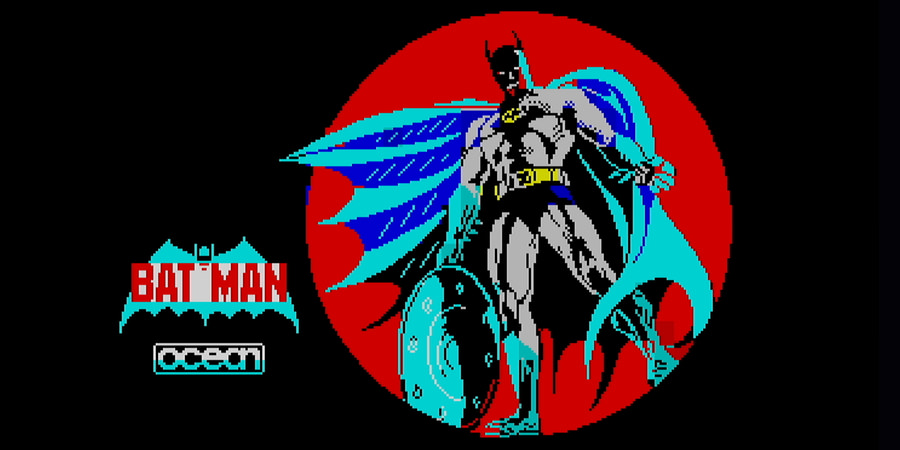
I recently bought Retro Games' The Spectrum console. I had previously played Spectrum games using a Windows emulator and become fascinated by their unintentional artistry. By artistry, I mean the colour clash and the distinctive style that emerges from simplicity. There is something childlike and charming about this aesthetic, and the game I am presenting this time, Ocean Software's Batman from 1986, is a perfect example of it. It is an isometric action-adventure featuring a vast world spanning 150 screens, a wide variety of enemies, and puzzle mechanics based on stacking and moving "boxes". The Batcave also extends across multiple vertical levels, creating a platforming challenge that demands precise timing and pixel-perfect control. For modern players, it can be a real test of patience. Batman is a true Spectrum classic, packed with pioneering ideas.TEST1
The Forest Quartet (2022)
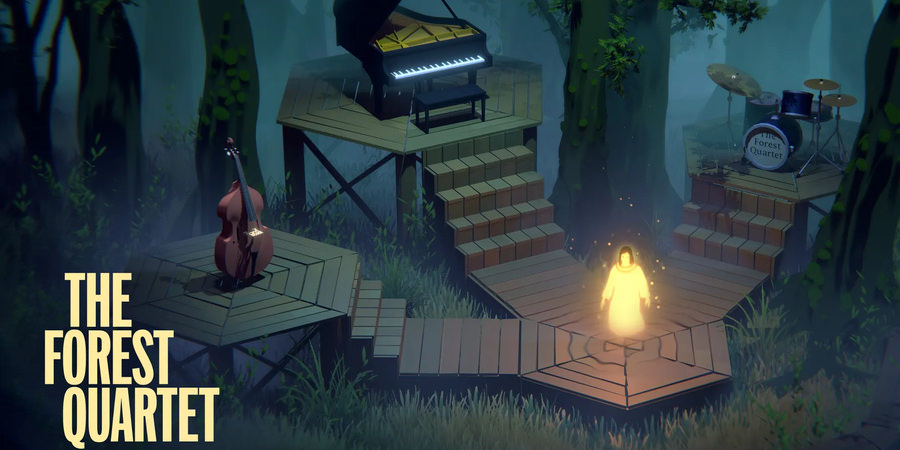
In the spirit of All Saints’ Day, I played the Danish indie title The Forest Quartet. The player controls the ghost of Nina, a deceased singer and saxophonist. After her death, her former bandmates struggle with mental health issues and a lack of creative drive. Nina must bring strength, light, and cooling to their lives so the memorial concert can take place. She appears as an ethereal human figure who can also transform into a swarm of butterflies. The Forest Quartet received the Independent Games Festival award for Excellence in Audio in 2023. It is a short and seemingly modest game, yet one that has been appreciated. I found it had potential and hope that its creator, Mads Vadsholt, continues creating puzzle-adventure games in the future.
Mystery Case Files: Rewind Collector's Edition (2018)
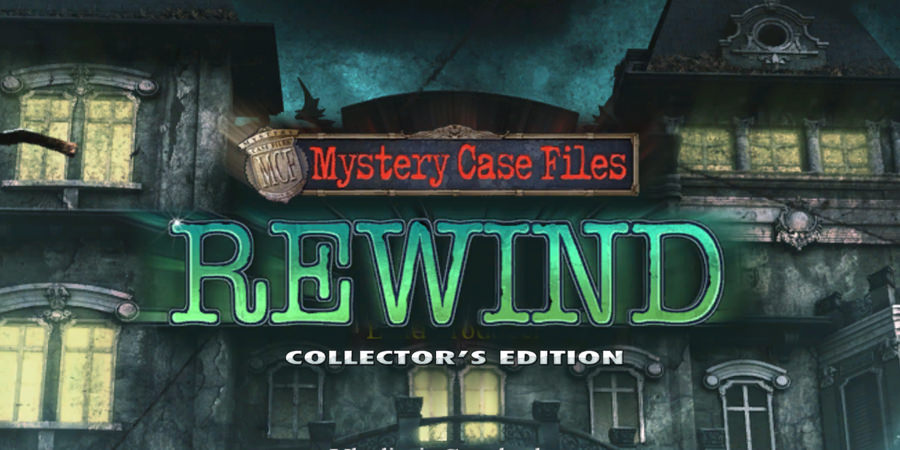
I do not know why it took me this long to discover Rewind, the seventeenth entry in the Mystery Case Files series. I have not played the series in order, but rather followed a vague sense of attraction. Perhaps the game’s visual image did not appeal to me, and the Big Fish Games description does little to explain what the game is really about. The title and the players, however, do tell the truth: this is a journey into memories. Rewind rewinds backwards in more than one sense. Mechanically, it combines elements from the first four entries in the series, from the era of pure hidden object games before adventure elements began to intrude. It also brings together characters from earlier games, with the old adversary Charles Dalimar once again looming in the background – although the central figure this time is his son Victor. Victor has meddled with the settings of a time machine and scrambled the timelines. The player’s task is to return characters torn from their own timelines back where they belong. Silly as it sounds, I enjoyed it.
Antiquarium (2023)
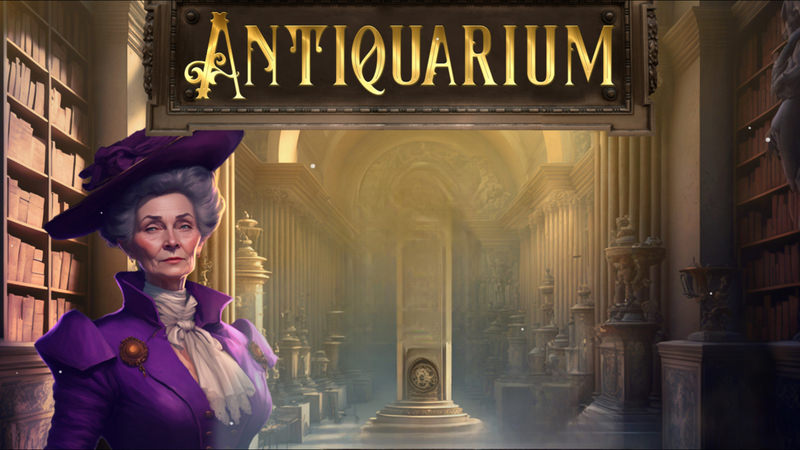
Released in mid-September 2023, the hidden object game Antiquarium combines an old-school game structure with AI-assisted visuals in an intriguing way. The player takes a job in an antique shop, where the work consists not only of serving customers but also of searching for lost — or rather scattered — decorative objects, accompanied by assorted words of wisdom attached to them. There are six different task types, which always repeat in the same fixed sequence. The visuals also repeat themselves quite heavily — or perhaps it would be more accurate to say they vary versions of the same motifs — but in a curiously compelling way. The vagueness produced by AI felt to me fantastical and suitably challenging.
The Sexy Brutale (2017)
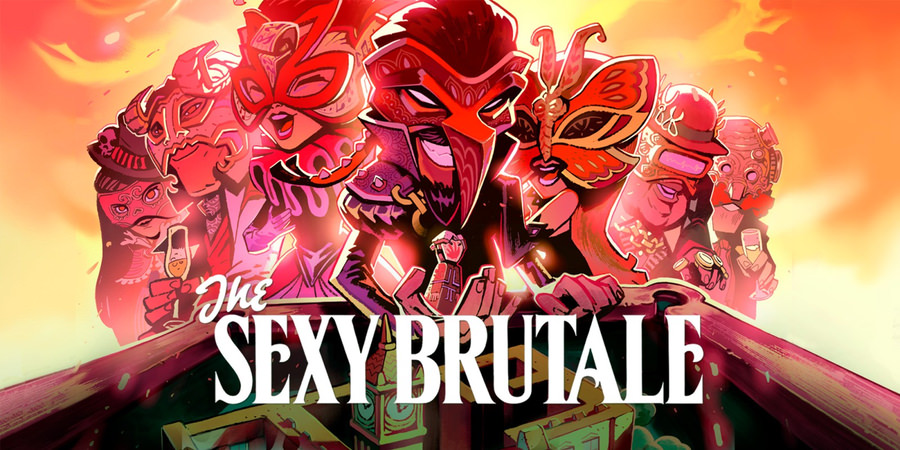
The Sexy Brutale stands out through its bold visual style and memorable soundtrack. This murder mystery set in a fantastical 1920s mansion swept me along, although not without some stumbling. The player character, priest Lafcadio, wakes into the same nightmare over and over again, always to the same Saturday when the Marquis has gathered his friends. It is up to him to discover what is really going on in the mansion and how the time loop could be broken. Although timing your actions precisely is essential, thoroughly exploring the mansion and spying on its guests and staff takes time. The game’s endearing visuals make the horror and dark occultism feel harmless, and its swinging soundtrack keeps the mood brisk.
Chinatown Detective Agency (2022)

Released in April this year, Chinatown Detective Agency is a puzzle adventure set in near-future Singapore. You zip around the city by metro and occasionally fly abroad. The player character, the young Amira Dharma, is a former Interpol officer turned private detective. Her work consists largely of research and various puzzles that extend beyond the game into the internet. Even though Amira’s reality and the cases she solves, ranging from murders to corruption, tell a bleak story, the game is still warm-hearted, as Amira finds her own support group. Chinatown Detective Agency has its weaknesses and imperfections, but my play experience was smooth, and I liked the core idea a great deal.
Labyrinth City: Pierre the Maze Detective (2021)
I picked up Humble Bundle’s Visual Delight game pack some time ago without knowing what to expect. From the selection, the 2021 hidden-object puzzle walking simulator Labyrinth City: Pierre the Maze Detective felt like the most approachable. The learning curve proved suitably gentle. The game is based on a popular international activity book for children aged 8–12, first known in English as Pierre the Maze Detective. The adaptation to game form is unusually successful, and it genuinely lifted my spirits. Despite the constant bustle and chaos of the game world, the hunt for a stolen maze stone felt like balm for the nerves — focused, refreshing and calming all at once.
Mystery Case Files: Return to Ravenhurst (2008)
I continued my playthrough of the Mystery Case Files series with its fifth instalment, Mystery Case Files: Return to Ravenhurst, released in 2008. The game is a direct narrative continuation of the series’ third entry, Ravenhurst. This time, the series makes a decisive leap into adventure-game territory. Free exploration of the manor grounds and the use of an inventory are now woven into a single, continuous story arc. At the same time, the player character moves to the centre of the experience as its primary subject. Whereas in Ravenhurst the task was to recover missing pages of a lost woman’s diary, here those pages are written dynamically into the player character’s own journal. The series’ earlier humour is replaced entirely by horror, and stereotypical characters give way to overtly psychopathological figures. Haunting no longer relies on looping sound effects alone: ghosts appear as animated characters who speak directly to the player. The series thus takes a major step forward — but is its new direction a sound one?
Mystery Case Files: Madame Fate (2007)
Released in November 2007, the fourth entry in the Mystery Case Files series, Madame Fate, was among the first hidden object games I ever played. That was over a decade ago. I featured the game on Samooja three years ago, but rereading my old review now left me dissatisfied. The introduction was overly brief, and there were too few screenshots. As I have since set myself the task of revisiting the first nine Mystery Case Files games in a more analytical spirit, I am returning to Madame Fate to do better justice to its variety. This search-and-puzzle game, set in a carnival run by a medium, is a low-fi audiovisual feast.
Mystery Case Files: Ravenhurst (2006)
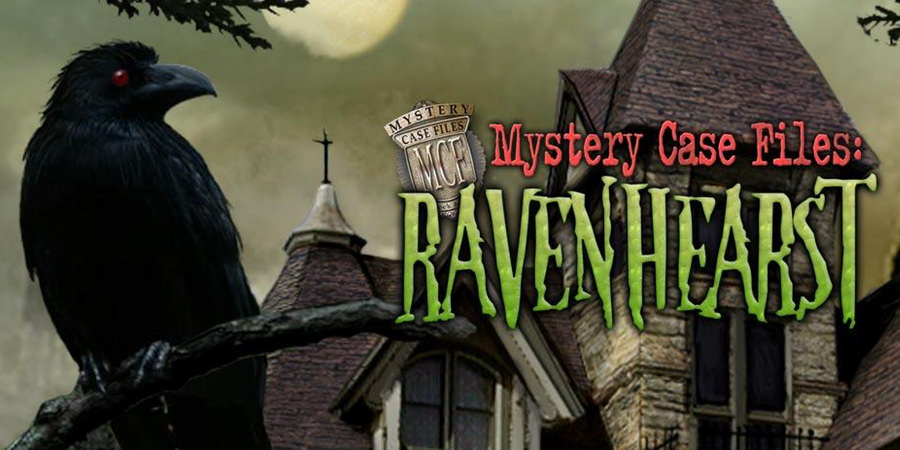
I continued my exploration of the Mystery Case Files hidden object series with its third entry, released in December 2006: Ravenhurst. Within the series, Ravenhurst forms its own five-part mini-series, indicating that its setting proved fertile ground both narratively and commercially. Among fans of Mystery Case Files, Ravenhurst holds a particular status. It won me over as well, and the fatigue I experienced while playing Prime Suspects was entirely absent. What distinguishes Ravenhurst from the series’ first two games is its strong narrative cohesion. The story binds the mechanical elements together and gives the experience a clearer sense of purpose. This is where one can observe hidden object games edging closer to adventure games. I also suspect that Ravenhurst, unintentionally, marked the beginning of the genre’s later obsession with locks.