
The Three Stooges (1987)
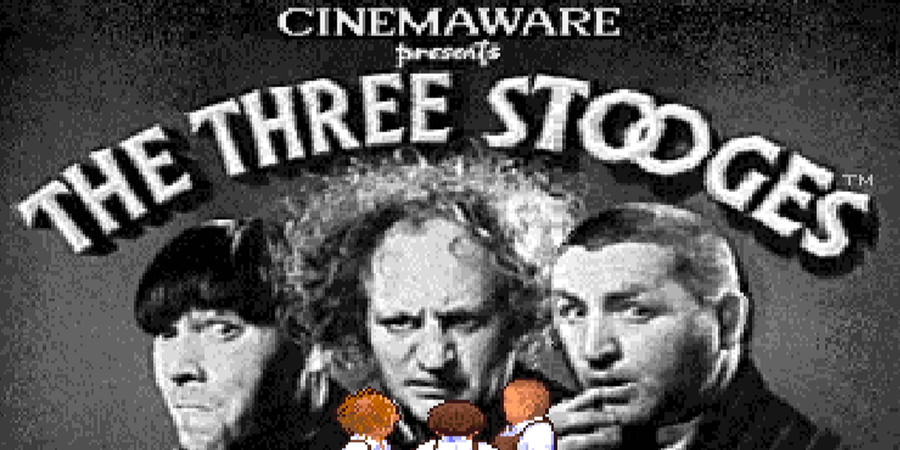
Cinemaware's fifth Amiga release, The Three Stooges, arrived in 1987 and was based on the antics of the American comedy trio. The short film series of the same name ran from 1922 to 1970. The game features the central characters of the films – Moe, Larry and Curly – with Moe mercilessly bossing around the other two bunglers. There are board game-like elements here, combined with arcade action and a touch of simple strategy. In practice, the game is built around five different minigames. The Three Stooges captures the spirit of the films remarkably well, but it is also repetitive and highly mechanical. I knew the game from my Amiga years in the 1990s, and it was interesting to return to it some thirty years later.
Fahrenheit: Indigo Prophecy Remastered (2015)
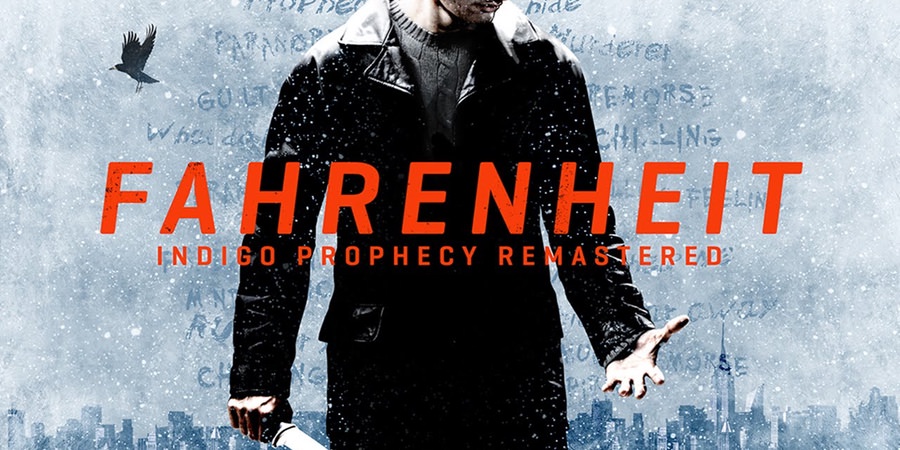
The cinematic action-adventure Fahrenheit by Quantic Dream first appeared in 2005, and a revised edition titled Fahrenheit: Indigo Prophecy Remastered followed in 2015. I played the PC version with a keyboard-and-mouse setup, though controller support exists, as do console releases. This cult-labelled, bleak murder mystery managed to shake and move me even as I wrestled with its controls in frustration. The pull of the story was strong — no surprise that it is often counted among writer-director David Cage’s key works.
Urban Pirate (2016)
Released in 2016, the retro- and underground-styled role-playing game Urban Pirate lets the player engage in social resistance — breaking taboos, if one chooses to see it that way. You steal and rummage through dumpsters in search of food, spray-paint trains, occupy buildings by your own self-declared principles, and smoke weed. The goal is to survive in an urban environment without any real job. It was entertaining up to a point, but the daily routines soon began to wear thin: stealing no longer felt like anything, and the parties were always the same.
This War of Mine (2014)
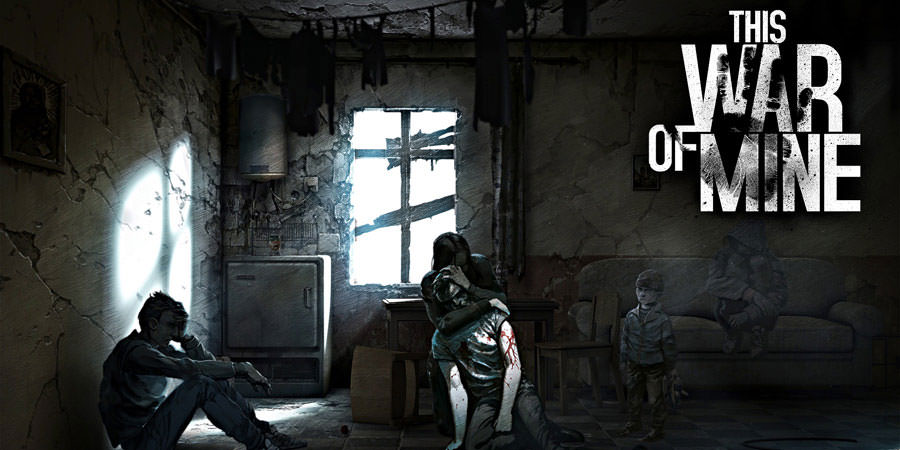
This game hardly needs an introduction or a recommendation from me, but in the name of certain honesty I still want to highlight it here. I’ve spent almost 40 hours with it, twelve of which just recently. Released in 2014, This War of Mine has been praised and awarded generously, and I can only confirm that it is both highly addictive and deeply moving. In the summer of 2016 the expansion The Little Ones arrived. The idea of children in the middle of war already broke my heart in advance, and I almost avoided installing it.
DreamBreak (2016)
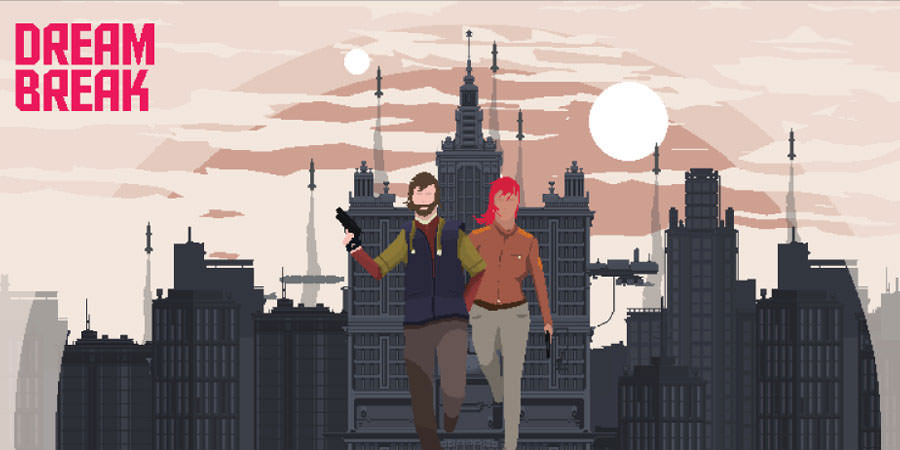
Released in late July 2016, DreamBreak is a dystopian vision of a future Soviet Union — an alternative history. It was made by a Russian game studio, and I could not help feeling tempted to read it as a reflection of the present day. The cinematic platformer Flashback, released in the early 1990s, is an obvious source of inspiration. DreamBreak has received rather mixed reviews. As a game, it feels somewhat unfinished, but bugs aside, my own experience was not bad at all.
Valiant Hearts: The Great War (2014)
Set on the Western Front of the First World War, Valiant Hearts: The Great War approaches the conflict through the eyes of four different characters — and a dog. It is not a war game, but a game about war. Between puzzle-solving and stealth sections, and action sequences that focus more on evasion than attack, the story follows how war tears families apart while also revealing the strength of human bonds.
Neuromancer (1988)
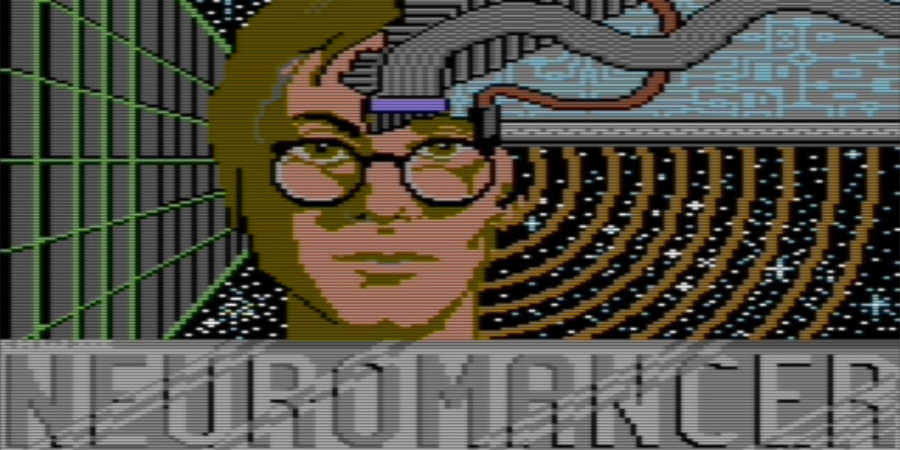
Neuromancer is an adventure game with strategic and action elements, released in 1988 and based on William Gibson’s cyberpunk novel of the same name. It is a remarkably sophisticated and multilayered work, and not merely as a product of its time. I played the Commodore 64 version through the VICE emulator.