
Batman (1986)
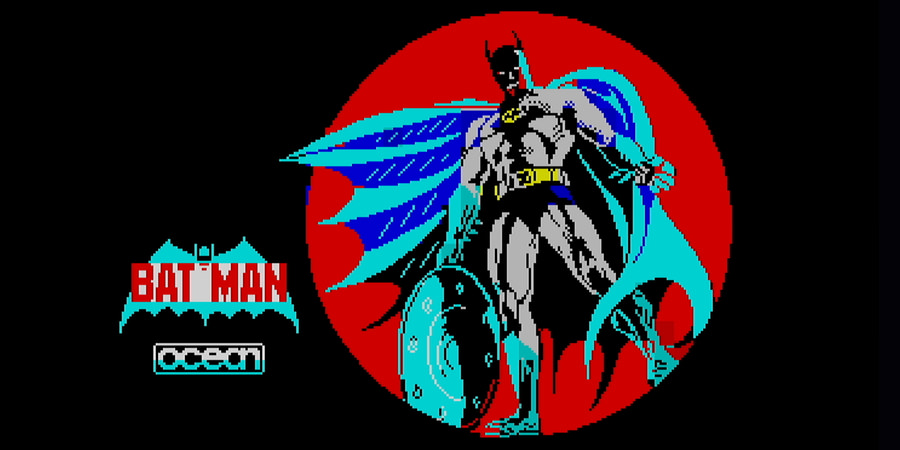
I recently bought Retro Games' The Spectrum console. I had previously played Spectrum games using a Windows emulator and become fascinated by their unintentional artistry. By artistry, I mean the colour clash and the distinctive style that emerges from simplicity. There is something childlike and charming about this aesthetic, and the game I am presenting this time, Ocean Software's Batman from 1986, is a perfect example of it. It is an isometric action-adventure featuring a vast world spanning 150 screens, a wide variety of enemies, and puzzle mechanics based on stacking and moving "boxes". The Batcave also extends across multiple vertical levels, creating a platforming challenge that demands precise timing and pixel-perfect control. For modern players, it can be a real test of patience. Batman is a true Spectrum classic, packed with pioneering ideas.TEST1
Dark City: Vienna (2019)

I continued with the Dark City hidden-object game series by playing its third instalment, Dark City: Vienna, released in 2019. The Vienna Opera House has gained a ghost of its own, one that leaves threatening messages and its fiery emblem wherever it goes. The ghost clearly seems to have a serious grudge. Our detective is called in to investigate the case, which ultimately leads to the dark secrets of a toxic workplace. The premise is intriguing, but the story has its gaps. In terms of both audiovisual presentation and gameplay, the third entry is very similar to the first two games in the series.
Dark City: Munich (2018)
I played the second instalment of the Dark City series immediately after finishing the first one. The Munich-set sequel was released at the end of 2018 and centres on the hunt for a werewolf during Oktoberfest. The similarities to the first game are obvious. However, the case itself is new and distinct, and it actually takes an unexpected turn when our otherwise realistic detective witnesses something unbelievable. Compared to the more grounded drama of the first game, this pushes the series much further towards fantasy. The storytelling is also more experimental, and the villain is more convincing. In terms of gameplay, the foundations remain the same, the graphics feel cut from the same cloth, and the soundtrack is so similar that I even wondered whether parts of it had been recycled. Nevertheless, the differences were enough to make the sequel well worth playing.
Dark City: London (2017)
I returned to hidden object adventures with the Dark City series, which visits famous cities while drawing on local history and legends. Dark City: London, released in 2017, is the first instalment in the series. It is a promising beginning visually, atmospherically and mechanically, but its detective story painfully leaves some important questions unanswered. The game represents an early form of modern HOPA design (Hidden Object Puzzle Adventure), combining an adventure-game style narrative and inventory-based progression with hidden object scenes and mini-games. Compared to newer entries, it is fairly straightforward and contains less content.
Darkmere: The Nightmare's Begun (1994)
Darkmere is an interesting Amiga game that somehow feels both ahead of its time and already outdated. Although it was released in 1994, it resembles the experimental hybrid games of the late 1980s more than the direction PC gaming was moving towards in the mid-1990s. It combines adventure, action and dungeon-crawling role-playing elements inside a large isometric world, and its ambitions are obvious throughout. At the same time, 3D action adventures on PC were already beginning to leave games like this behind. In that sense, Darkmere almost feels as though it arrived too late. The game was entirely new to me, as I never encountered it during my own Amiga years in the 1990s. Playing it today was both fascinating and impressive, though also undeniably clumsy at times.
Roguecraft DX (2026)
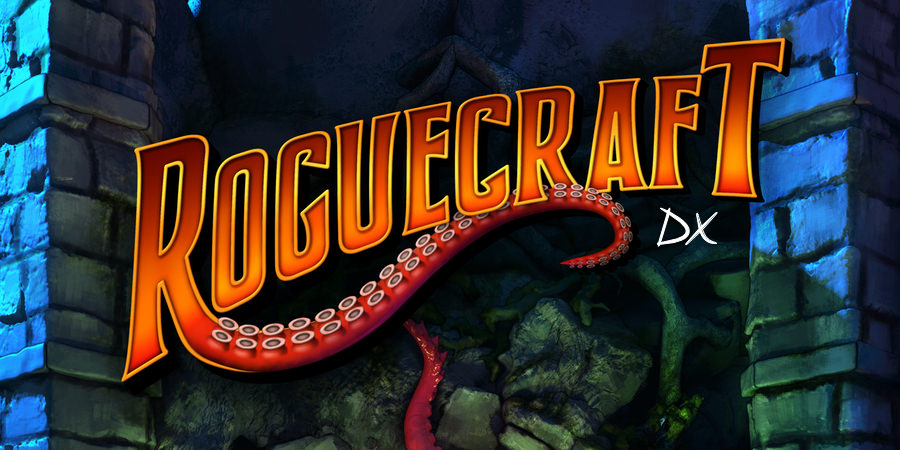
In early February 2026, a deluxe version of the Amiga game Roguecraft was released, roughly a year and a half after the original. Roguecraft is a retro-inspired, accessible and smooth dungeon role-playing game focused on fighting monsters and collecting gold. The game’s graphics and soundscape made a strong impression on me — even more so in the DX version than in the original release. I am pleased to have new commercial-quality software to play on my A500 Mini. In this blog post I discuss both versions, as they are largely similar, while the improvements introduced in DX will naturally become clear.
Sam & Max Hit the Road (1993)
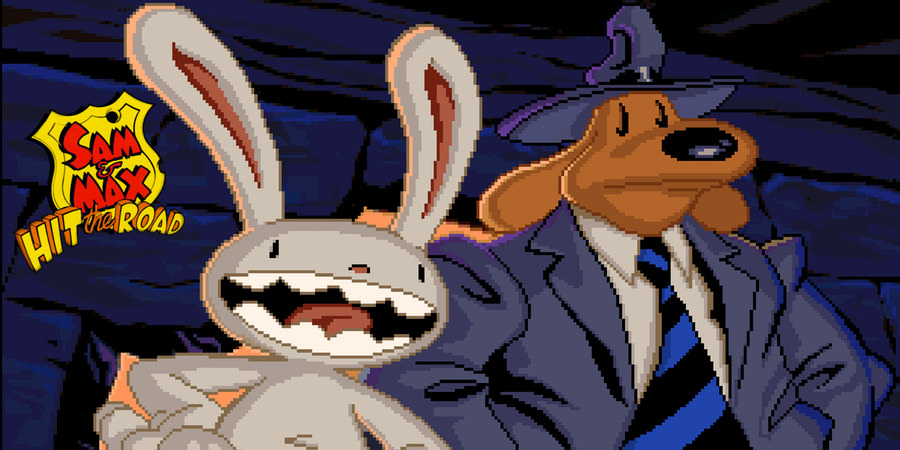
Following Leisure Suit Larry, I was reminded of another classic — the adventure game Sam & Max Hit the Road, based on Steve Purcell’s comic. Released in 1993, it belongs to the golden era of LucasArts, standing alongside The Secret of Monkey Island and Indiana Jones and the Fate of Atlantis. The anthropomorphic dog and rabbit duo, Sam and Max, work as freelance police, solving bizarre cases. The game overflows with witty dialogue, eccentric characters and absurd twists. Like Leisure Suit Larry, it requires a solid grasp of American pop culture for all its jokes to land. It also references earlier LucasArts titles. Even if not every pun hits home, the humour still works — Max’s inappropriate remarks are easy enough to grasp, and the puzzles are wildly imaginative. The game offers gorgeous pixel art, superb voice acting and animation that clearly received great care.
Mystery Case Files: Rewind Collector's Edition (2018)
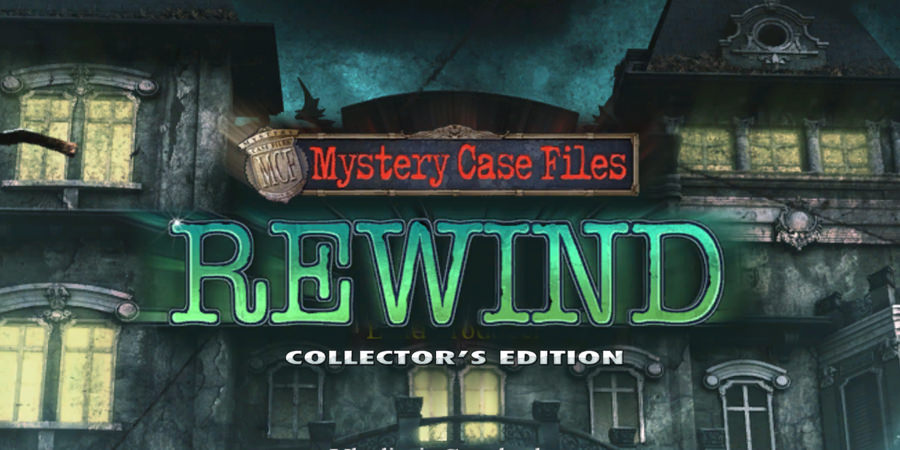
I do not know why it took me this long to discover Rewind, the seventeenth entry in the Mystery Case Files series. I have not played the series in order, but rather followed a vague sense of attraction. Perhaps the game’s visual image did not appeal to me, and the Big Fish Games description does little to explain what the game is really about. The title and the players, however, do tell the truth: this is a journey into memories. Rewind rewinds backwards in more than one sense. Mechanically, it combines elements from the first four entries in the series, from the era of pure hidden object games before adventure elements began to intrude. It also brings together characters from earlier games, with the old adversary Charles Dalimar once again looming in the background – although the central figure this time is his son Victor. Victor has meddled with the settings of a time machine and scrambled the timelines. The player’s task is to return characters torn from their own timelines back where they belong. Silly as it sounds, I enjoyed it.
Adam Wolfe Complete Edition (2016)
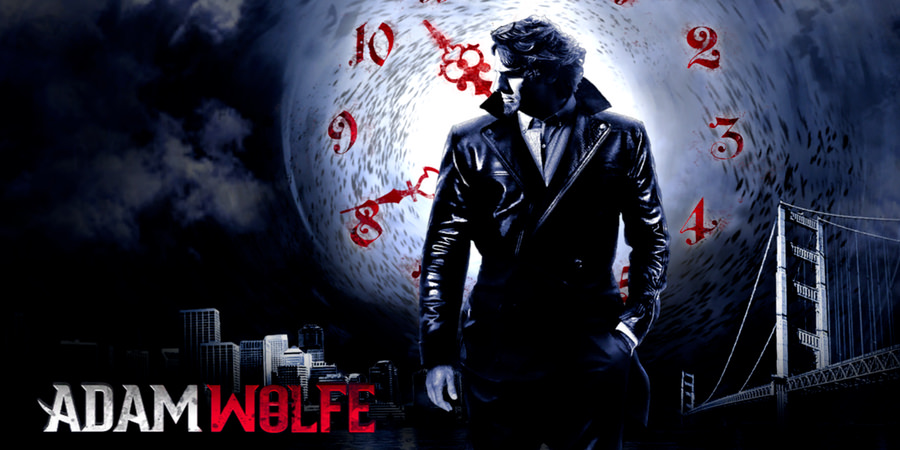
The 2016 hidden-object adventure Adam Wolfe separates itself from the mainstream of the genre in a convincing way. The title character, Adam Wolfe, is a private detective clad in a black leather jacket, specialising in paranormal cases. His attitude, however, is grounded and level-headed — not exactly sceptical, as he considers demons real enough to shoot. Adam is a striking, conflicted character, and his four-episode story is fairly complex — and far from happy. The game succeeds in welding hidden-object tasks into the storyline exceptionally well. It is both radical and mature.
The Secret of Monkey Island (1991)
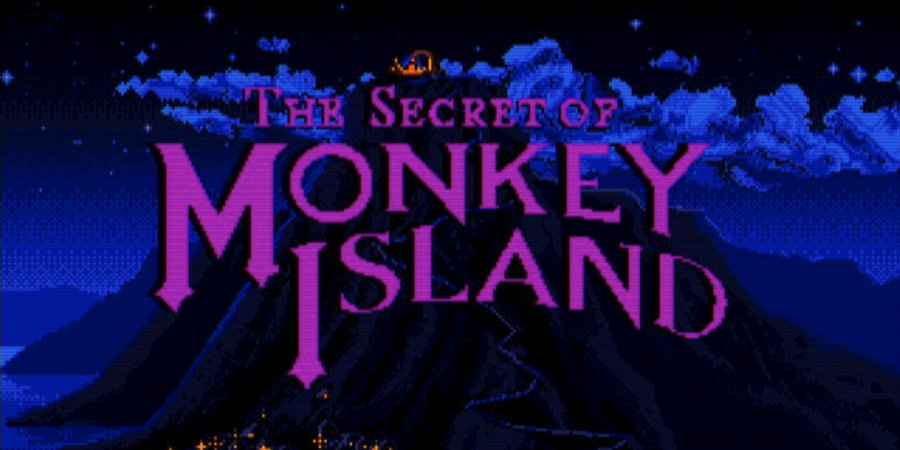
After the rather sombre The Longing, I needed something to lift my spirits and reached for the light-hearted adventure game classic The Secret of Monkey Island, which I originally played on the Amiga. First I played the 2009 remake, The Secret of Monkey Island: Special Edition, and then the original 1991 Amiga version to experience it again from a modern perspective. The very first version of the game, however, was for DOS PCs, and this archaic experience is included in the 2009 Special Edition, where you can switch to it on the fly. In this article I focus primarily on the Amiga version and compare it to the Special Edition. The game is a classic for a reason: as an adventure game, it still holds up very well today. I have nothing against the audiovisually updated version, but to my surprise I found the old version better in terms of playability. In this post I also answer, from my own point of view, the question of how to play Amiga games.