
Dark City: London (2017)

I returned to hidden object adventures with the Dark City series, which visits famous cities while drawing on local history and legends. Dark City: London, released in 2017, is the first instalment in the series. It is a promising beginning visually, atmospherically and mechanically, but its detective story painfully leaves some important questions unanswered. The game represents an early form of modern HOPA design (Hidden Object Puzzle Adventure), combining an adventure-game style narrative and inventory-based progression with hidden object scenes and mini-games. Compared to newer entries, it is fairly straightforward and contains less content.
The Dark City series was created by the Ukrainian game studio 4Friends Games, which later changed its name to Friendly Fox Studio. Founded in 2012, the studio has already produced several high-quality hidden object series for distribution through Big Fish Games, including Immortal Love, Edge of Reality, Bridge to Another World and Living Legends.
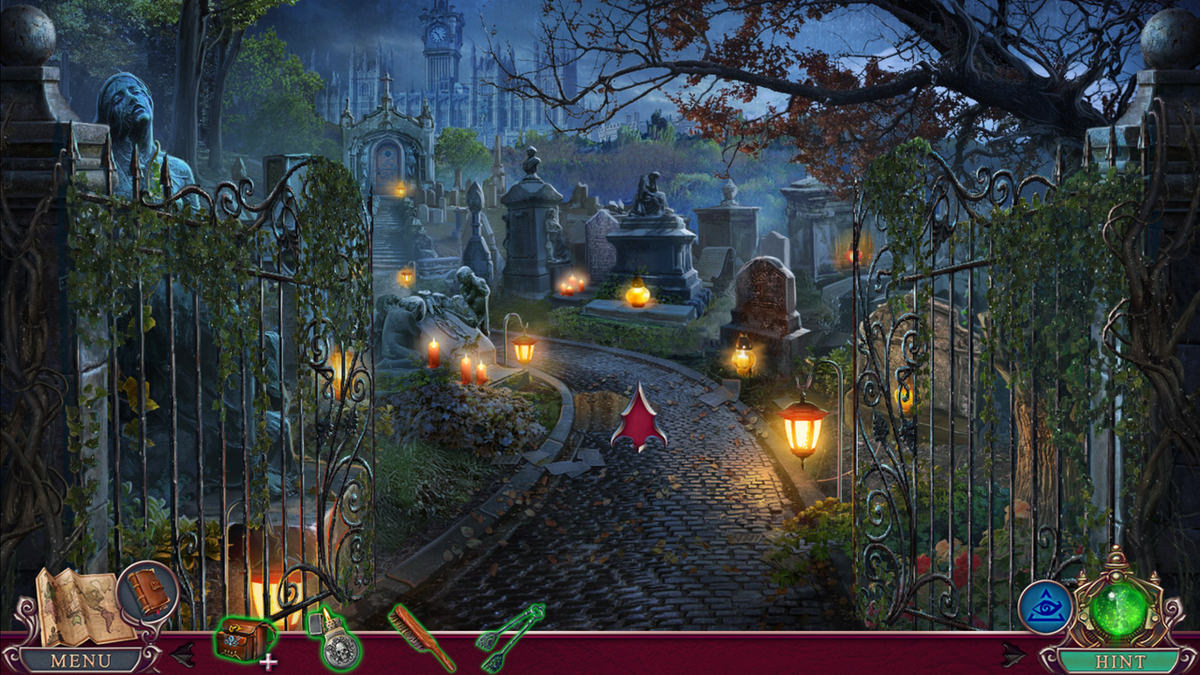
Tracking the Headless Man
Dark City: London opens in a dark and mysterious fashion reminiscent of a horror game. In reality, however, it is a mystery detective story set in an alternate history. London's famous clock tower has been completed and the setting is sometime after the middle of the nineteenth century. The private detective controlled by the player arrives beneath the tower to accept an assignment.
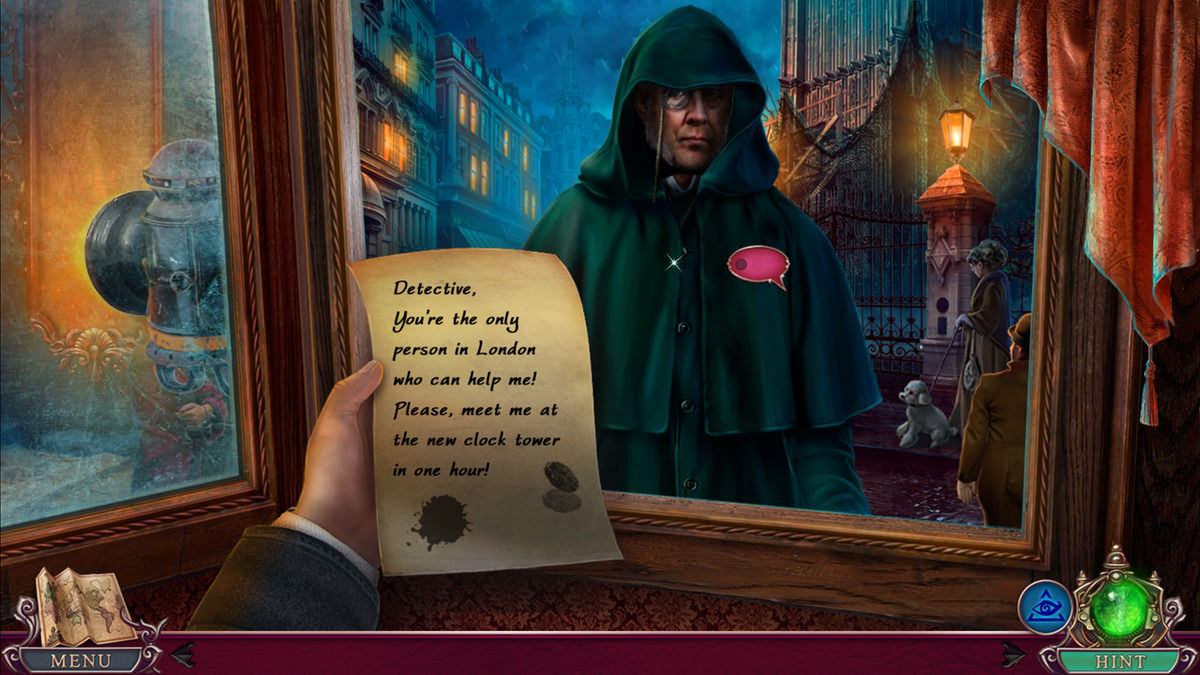
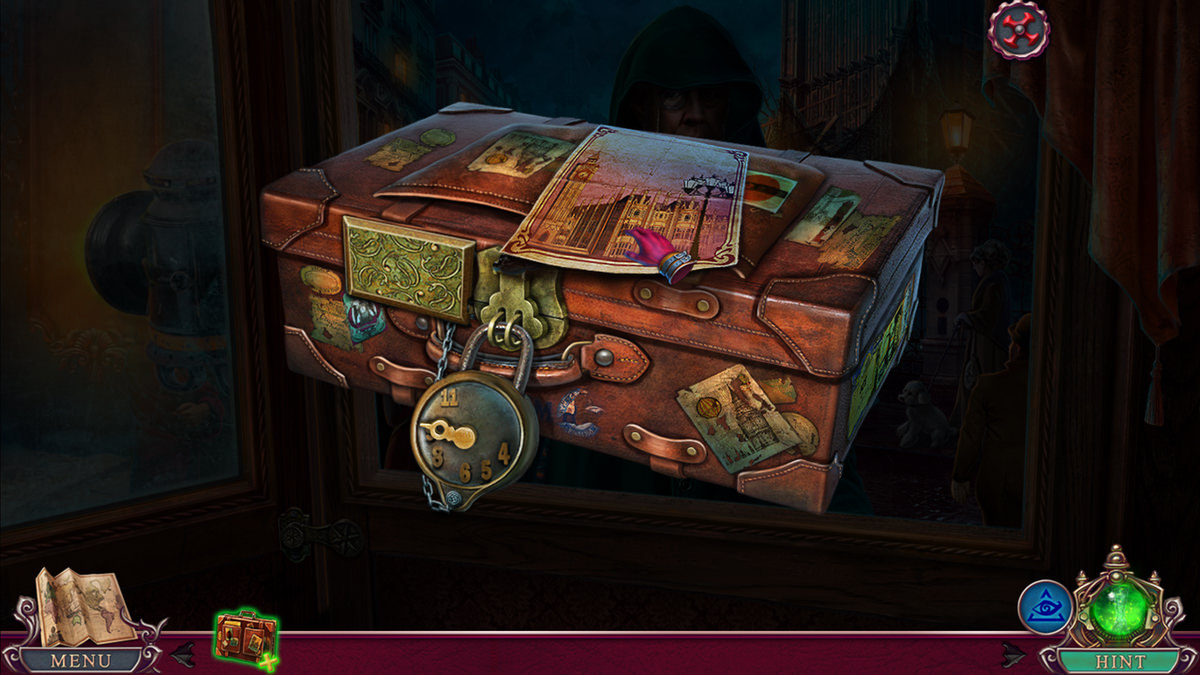
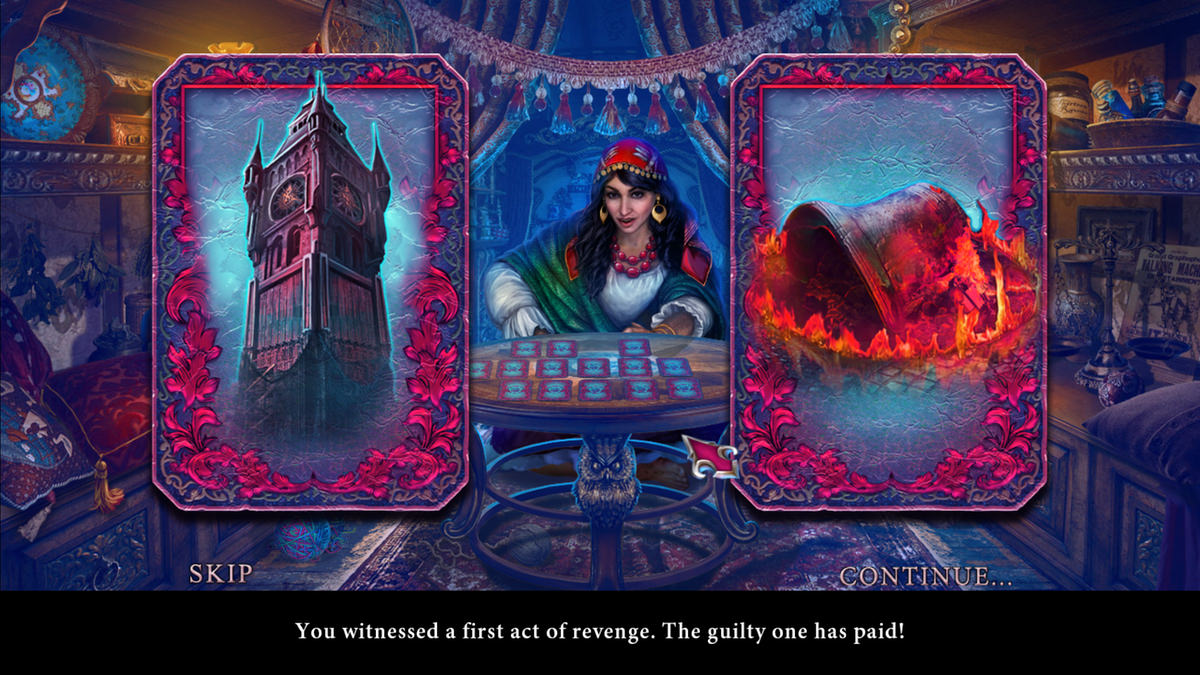
The inauguration of the clock tower is in danger. Rumours are spreading through London about a curse and a headless man determined to prevent the clock from being started. The client does not believe in ghosts, but after handing the detective a secret briefcase, the Headless Man appears once again. The client is crushed by a falling clock and killed. To make matters worse, the secret briefcase is stolen from the detective. The Headless Man seems like an all-seeing manipulator.
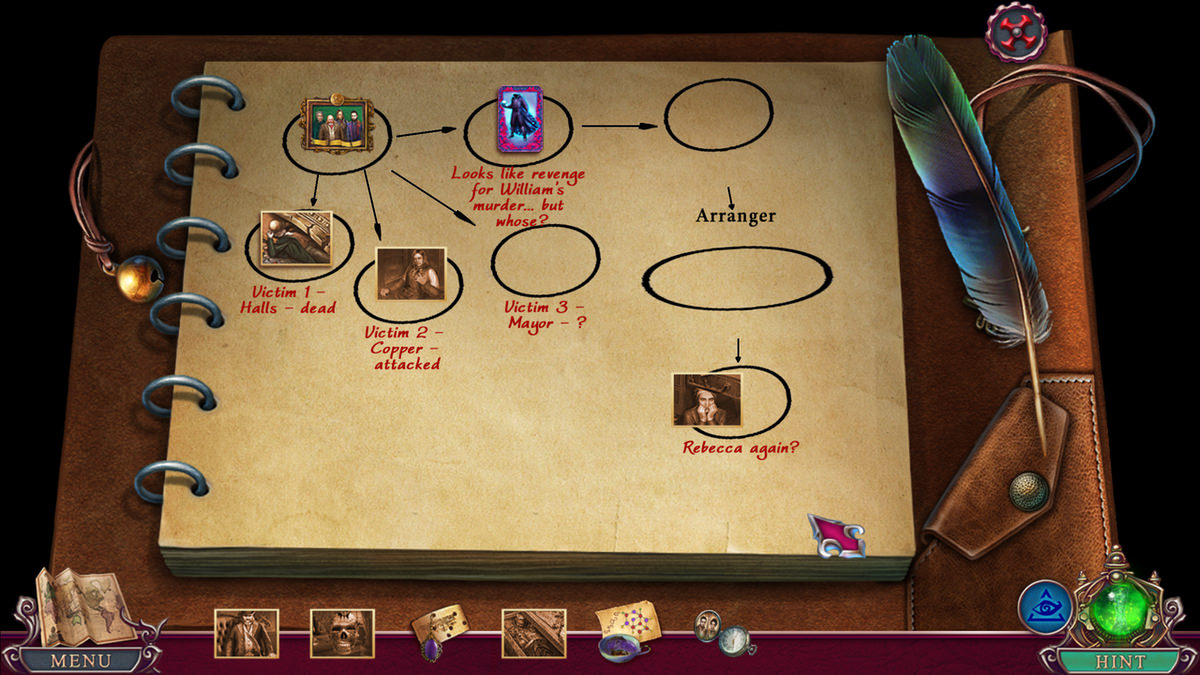
The detective, who strongly resembles Sherlock Holmes, represents a realistic and logical approach. He carries a casebook resembling a mind map, where the player gathers evidence and categorises it in order to draw conclusions. The evidence consists more of circumstantial clues than concrete proof, and it is scattered throughout the city.
In practice, the detective is hunting the Headless Man while encountering his helpers and victims along the way. Several lives appear to be in danger, including that of the detective himself. He solves the case by digging into backgrounds and searching private premises at his own pace, despite the impression that several lives may be at stake, eventually leading to a confrontation with the Headless Man.
One distinctive feature of Dark City: London is that the player can decide whether to expose the culprit or let them go. This encourages consideration of the culprit's motives and methods, hinting at a deeper detective story. Unfortunately, the script never quite delivers on that promise. It falls short precisely in terms of motives and actions, either failing to explain them or presenting explanations that do not really stand up to scrutiny. The game is clearly driven by atmosphere and staging first and foremost, and perhaps the player is not meant to think too deeply about whether any of it truly makes sense. Ironically, the "Headless Man" becomes associated with headless reasoning.
Simple and Formulaic, but Well Presented
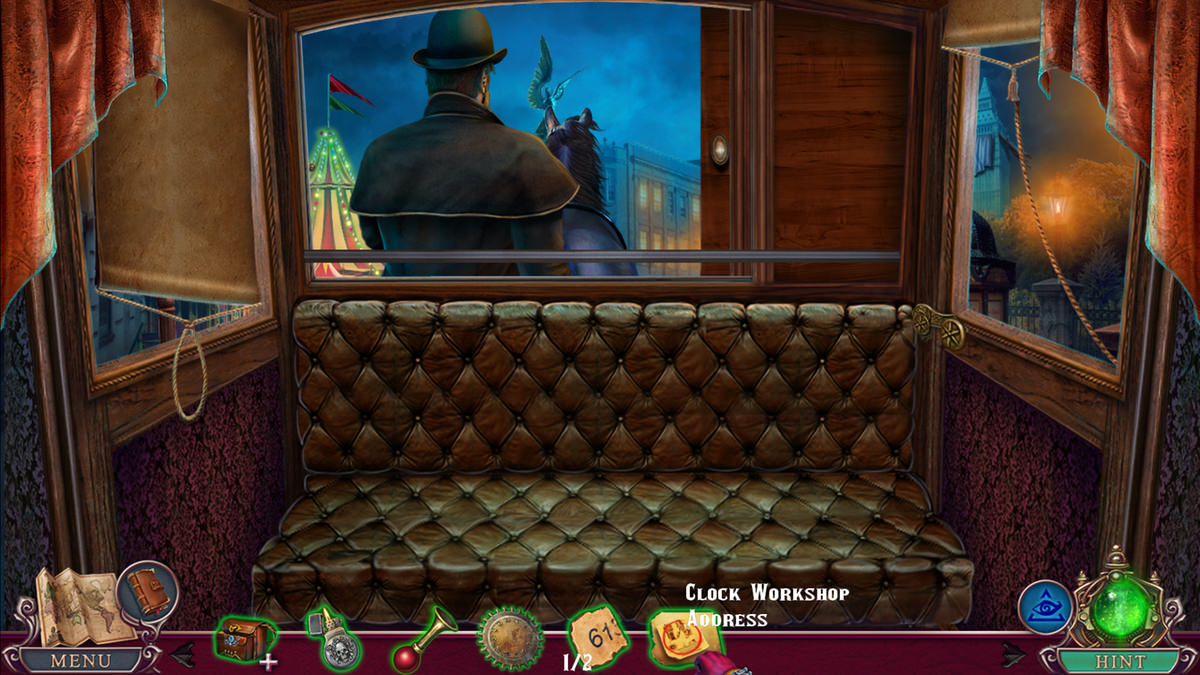
Dark City: London moves along at a pleasing pace. Some genuinely good design choices have been made. The detective travels around the city by horse-drawn carriage, and the next destination is discovered by finding an address — literally in the form of a note handed to the driver.
The player also has access to a map showing both their current location and places where tasks remain unfinished. The map doubles as a shortcut system. Progression is so straightforward, however, that multiple "open" locations are rarely available at once, and previously visited places are not revisited often. As a result, I never found the map necessary.
The tasks are varied and, in my view, well integrated into the story. The activities themselves are, of course, typical hidden object game fare. Their quality does not come from inventing something new but from applying an established formula effectively. This has been the state of hidden object games for a long time. If one wishes to evaluate them, it must be done by assessing the quality of their presentation and implementation. That is where the developers' creativity is revealed.
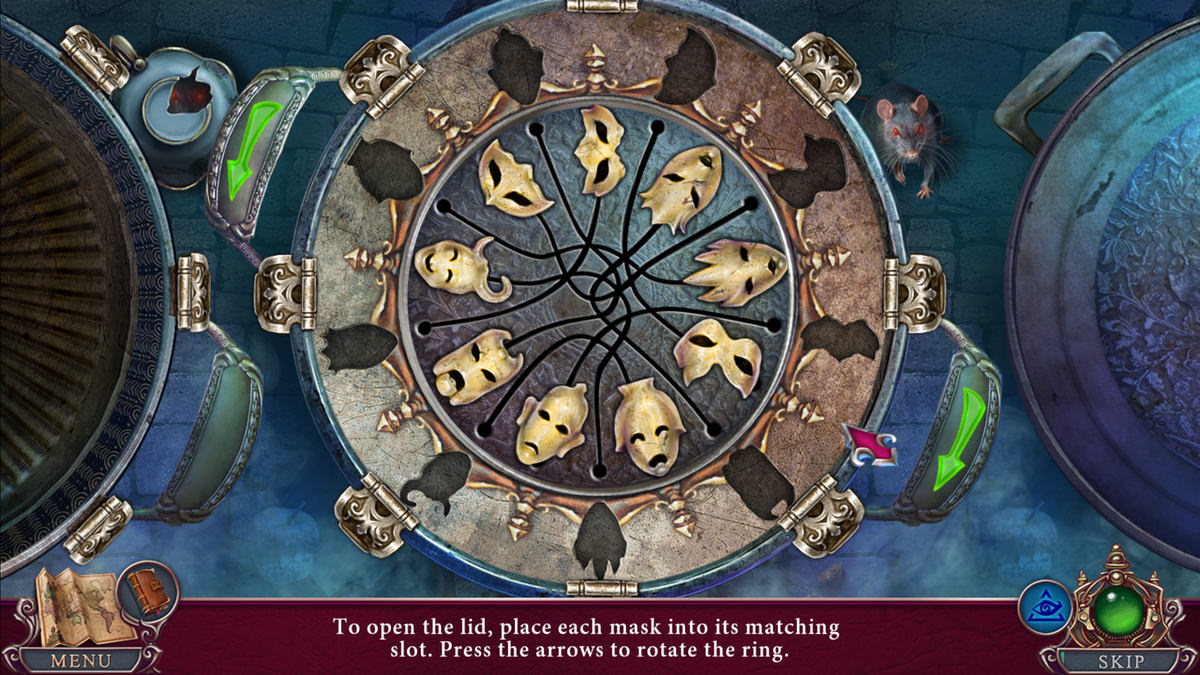
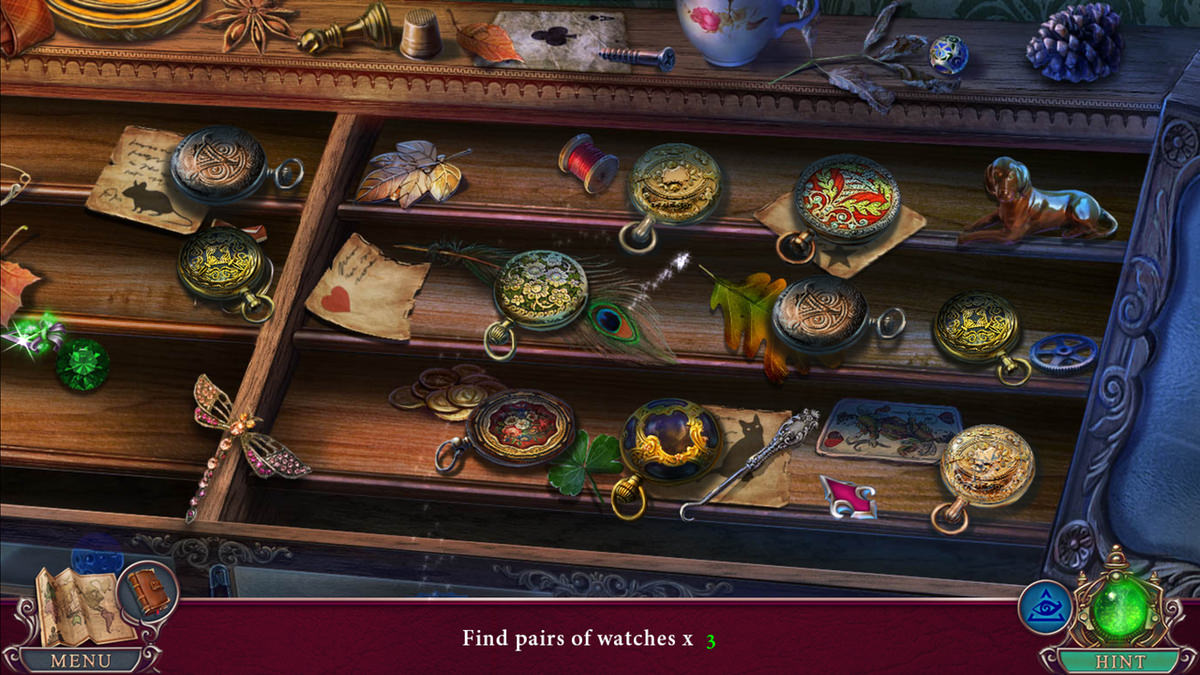
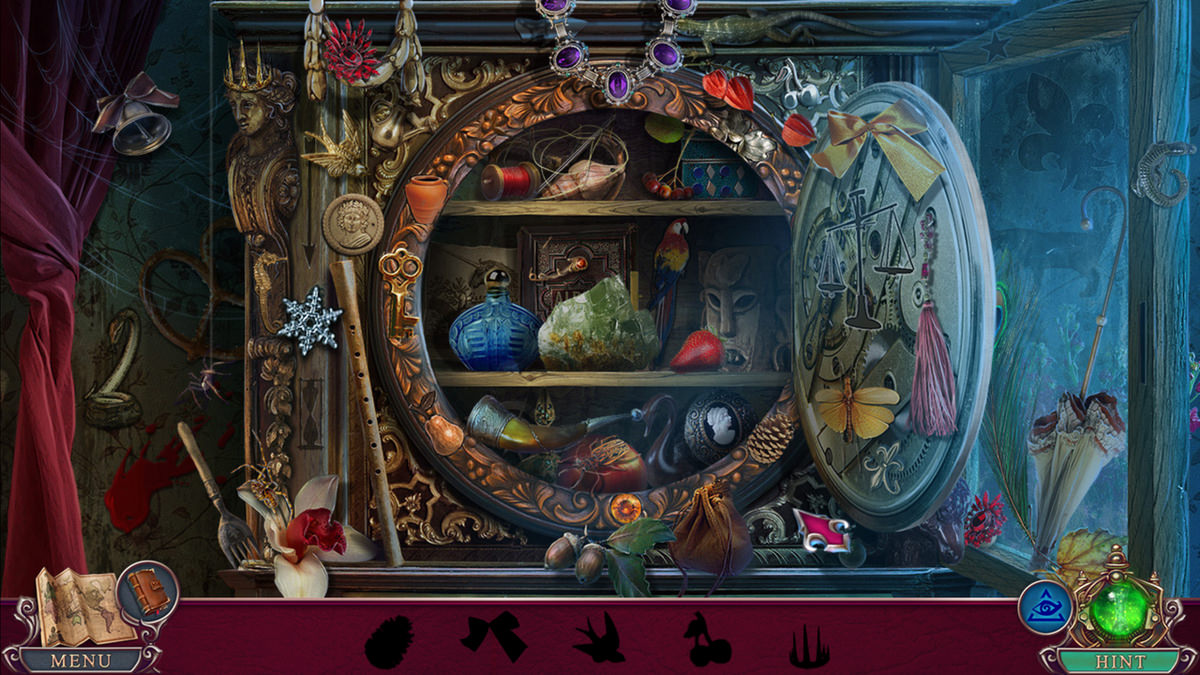
The hidden object scenes include traditional word lists, matching and category-based searches, as well as silhouette puzzles. They are generally quite easy. At the beginning of the game, the player selects a difficulty level from three predefined options or a custom setting. I played on the easiest difficulty and rarely relied on the hint button, particularly not during hidden object scenes. There is a good variety of mini-games, and I found them enjoyable, although they are easy and largely based on familiar puzzle mechanics. My playthrough lasted around three and a half hours, so this is not an especially long game.
As for inventory-based challenges, I still consider them the Achilles' heel of hidden object games. Dark City: London is no exception, revolving around increasingly artificial locks and missing keys in countless forms. The inventory is never particularly inspiring, yet it serves its purpose in a practical and highly predictable manner. My own view of hidden object games has matured over the years. I no longer expect great originality or ingenious inventory design from them. Perhaps this is simply becoming accustomed to formulaic design and accepting a degree of production-line repetition, but in the modern hidden object game, attention is best directed towards the story, visuals, atmosphere and the way tasks are woven into the setting. In these respects, Dark City: London performs reasonably well.
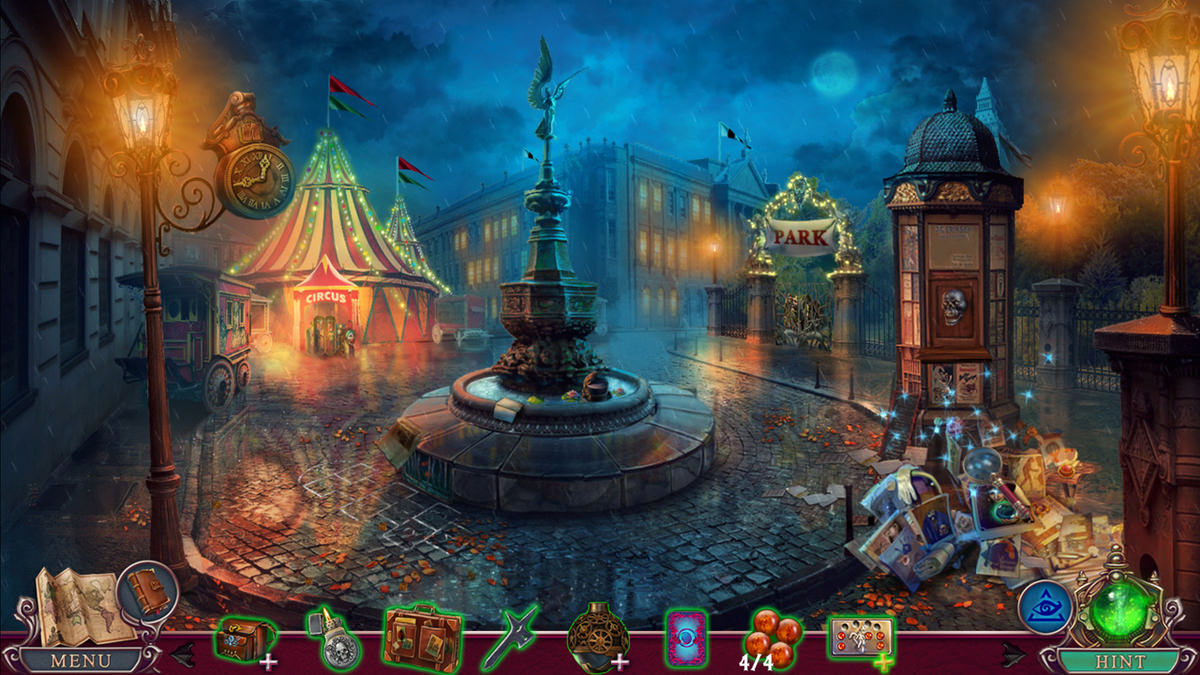
A Colourful Night-Time Adventure
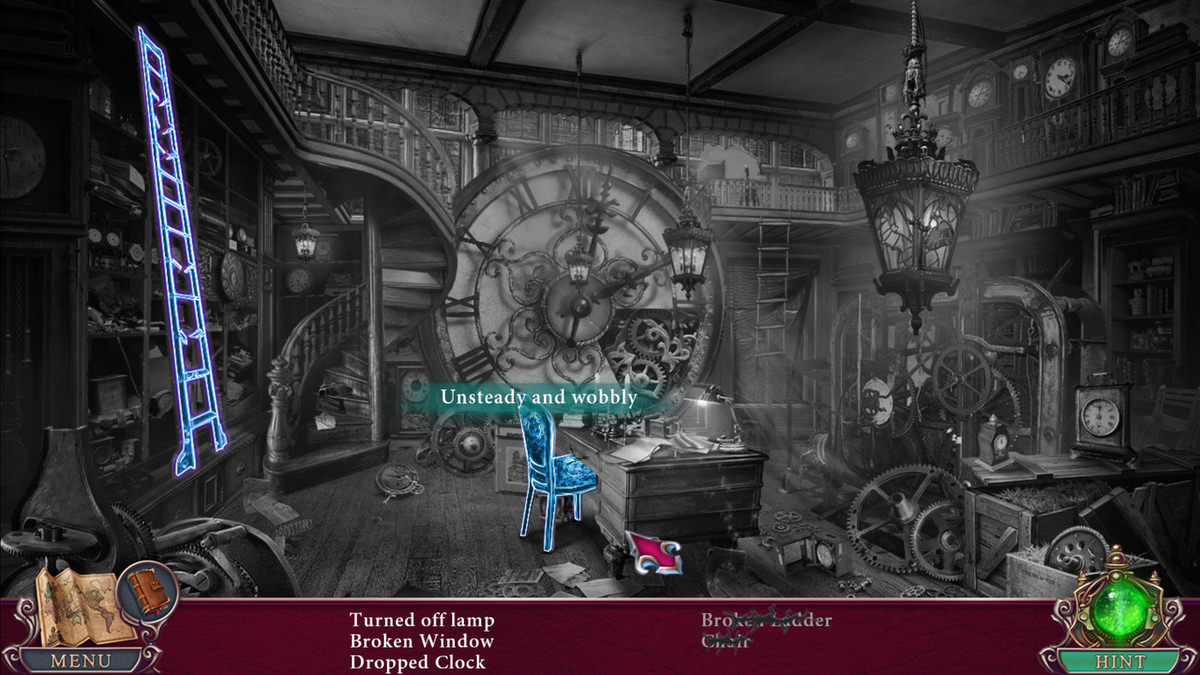
The graphics of Dark City: London blend historical realism and fantasy in a visually pleasing way. Although the story appears to take place largely during the evening and night, there is no shortage of colour and the contrast remains sharp. When the detective reconstructs past events in his mind, the game shifts to a different visual style featuring monochrome, X-ray-like imagery and animated sequences rendered in sepia-toned illustrations.
The music is orchestral and dominated by strings, which suits the depicted period well. Over the course of a little more than three hours, it became familiar without ever becoming irritating. Sound effects play a comparatively minor role. Dark City: London is fully voice acted. The detective's voice sounded like that of an older, seasoned man, and it naturally shaped the way I imagined and interpreted the character.
Verdict
The Dark City hidden object series offers journeys to great cities of (alternative) history. The first trip takes players to Victorian London. A rational, Holmes-like detective investigates what appears to be a supernatural case involving a headless man and ends up uncovering a family tragedy. Travelling around London by horse-drawn carriage leads to new clues and an ever-growing list of destinations to visit.
Dark City: London provides easy hidden object scenes and puzzle challenges that are well integrated into the setting. The graphics are excellent and the game maintains a steady pace throughout. I enjoyed the experience overall, even if the story ultimately proved somewhat leaky, with certain elements feeling insufficiently thought through.
I give Dark City: London an overall score of 66 out of 100.
Availability
Dark City: London is available for Windows PCs and Android devices. Big Fish Games also offers a free trial. A Collector's Edition with additional content is available as well.