
Chinatown Detective Agency (2022)
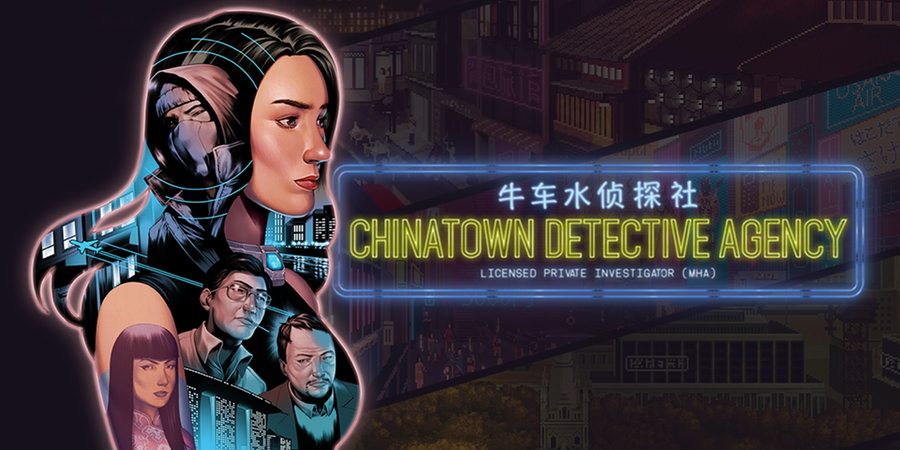
Released in April this year, Chinatown Detective Agency is a puzzle adventure set in near-future Singapore. You zip around the city by metro and occasionally fly abroad. The player character, the young Amira Dharma, is a former Interpol officer turned private detective. Her work consists largely of research and various puzzles that extend beyond the game into the internet. Even though Amira’s reality and the cases she solves, ranging from murders to corruption, tell a bleak story, the game is still warm-hearted, as Amira finds her own support group. Chinatown Detective Agency has its weaknesses and imperfections, but my play experience was smooth, and I liked the core idea a great deal.
DreamBreak (2016)

Released in late July 2016, DreamBreak is a dystopian vision of a future Soviet Union — an alternative history. It was made by a Russian game studio, and I could not help feeling tempted to read it as a reflection of the present day. The cinematic platformer Flashback, released in the early 1990s, is an obvious source of inspiration. DreamBreak has received rather mixed reviews. As a game, it feels somewhat unfinished, but bugs aside, my own experience was not bad at all.
Shadowrun: Hong Kong (2015)
The third standalone entry in the Shadowrun Returns role-playing series arrived in late August 2015. It continues the legacy of the previous instalments with confidence. The story, setting and characters are all new, and there are new elements in character progression, yet the broader game structure and strategic depth remain recognisable. Shadowrun Hong Kong is a top-tier indie title — if one can still call it that; it is polished, mature and extensive.
Technobabylon (2015)
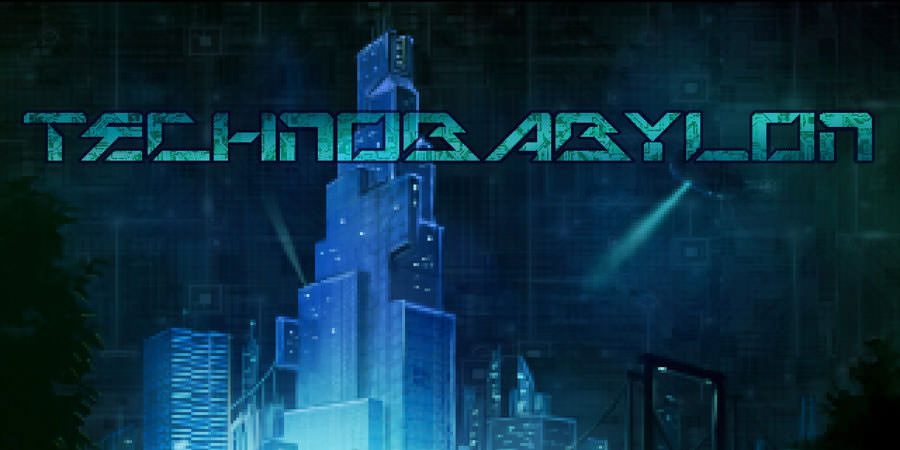
Technobabylon, a recent collaboration between Wadjet Eye Games and Technocrat Games, is a modern cyberpunk thriller built in the spirit of classic point-and-click adventures. It offers a winding plot and a sequence of clever puzzles. Characters and their relationships drive the experience, yet the world of the game — more an alternative than a plausible future — constantly tests their credibility and relatability.
Neuromancer (1988)
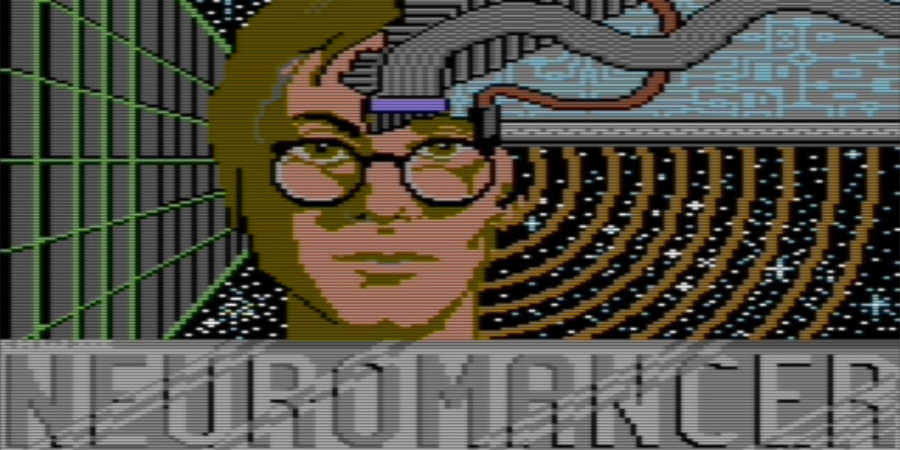
Neuromancer is an adventure game with strategic and action elements, released in 1988 and based on William Gibson’s cyberpunk novel of the same name. It is a remarkably sophisticated and multilayered work, and not merely as a product of its time. I played the Commodore 64 version through the VICE emulator.