
Finding Paradise (2017)

Released in December 2017, Finding Paradise follows the memories of a dying patient with the aim of fulfilling their final wish. It acts as a connective link between two earlier adventure games by the same creator, To the Moon and A Bird Story. Designer Kan Gao has found his own way of telling stories. His games combine a simple but mechanically distinctive adventure framework with cinematic storytelling. They are small in scale and modest in appearance, yet a sensitive heart beats within them. They are like revealed secrets, or stories that usually remain hidden beneath the noise and bustle of the world. You have to stop and listen.
Finding Paradise was made by the tiny Canadian studio Freebird Games, founded by Kan Gao. Gao is responsible for the game’s script and design, much of its music, and part of its graphics. It is fair to say that Finding Paradise, like its predecessors, is very much his personal vision.
Manipulators of memories
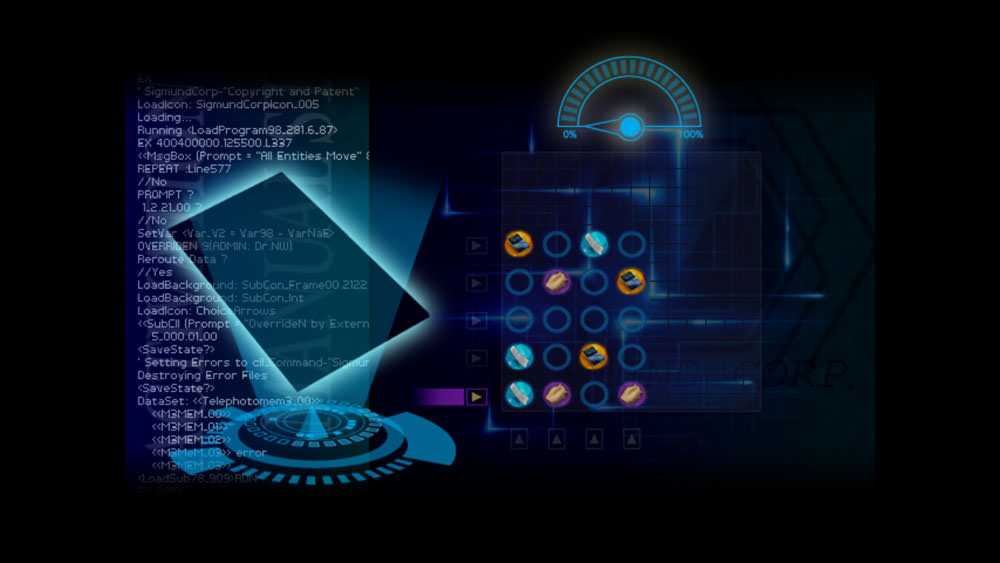
Doctors Eva Rosalene and Neil Watts work for a technology company called Sigmund Corp, which specialises in fulfilling the final wishes of the dying. Using specialised equipment, they connect to a patient’s mind in their final moments. By examining the patient’s memories, they determine what needs to be altered in order for the wish to be fulfilled. This can require a great deal, almost the erasure of an entire life, as in To the Moon. In Finding Paradise, however, things do not proceed along familiar lines. For one thing, the order form containing the patient’s wish has gone missing. Like a proper scientist, Neil has also hacked the equipment, with unpredictable consequences.
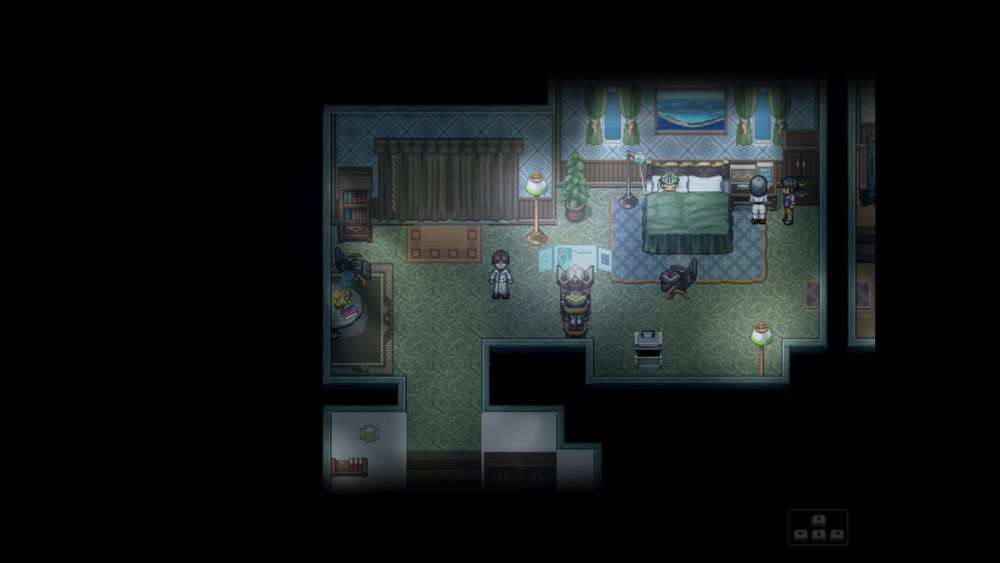
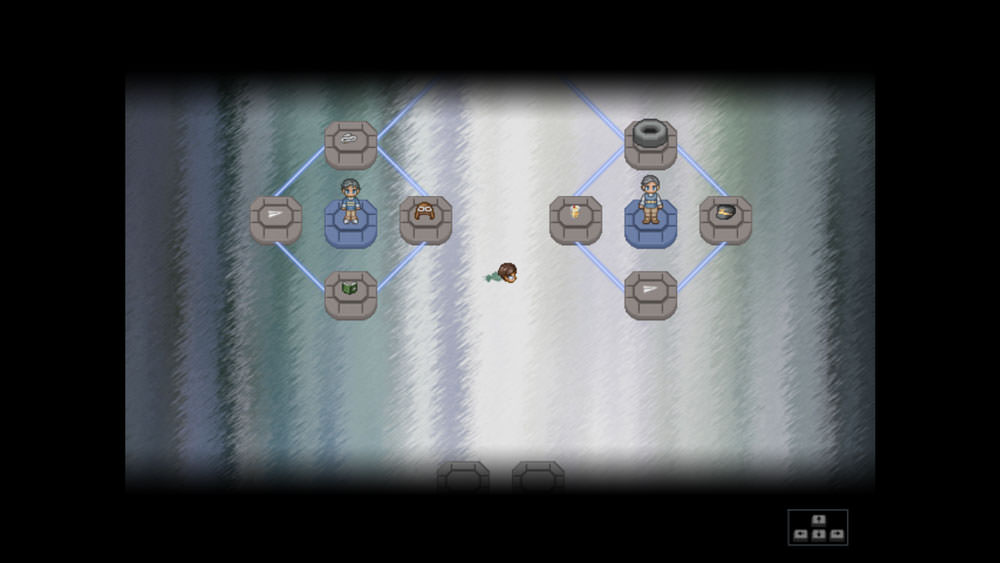
The player alternates between controlling Eva and Neil, though mostly they are handled together. The game world is divided into the waking real world and the patient’s inner mental world, a mixture of memories and fantasy. The player’s task is to explore the patient’s memories and collect special mementos that act as links between different times, or rather between different stages of the patient’s life. There is no traditional inventory system. By exploring the environment, notes can be added to a notebook, but these have no gameplay function.
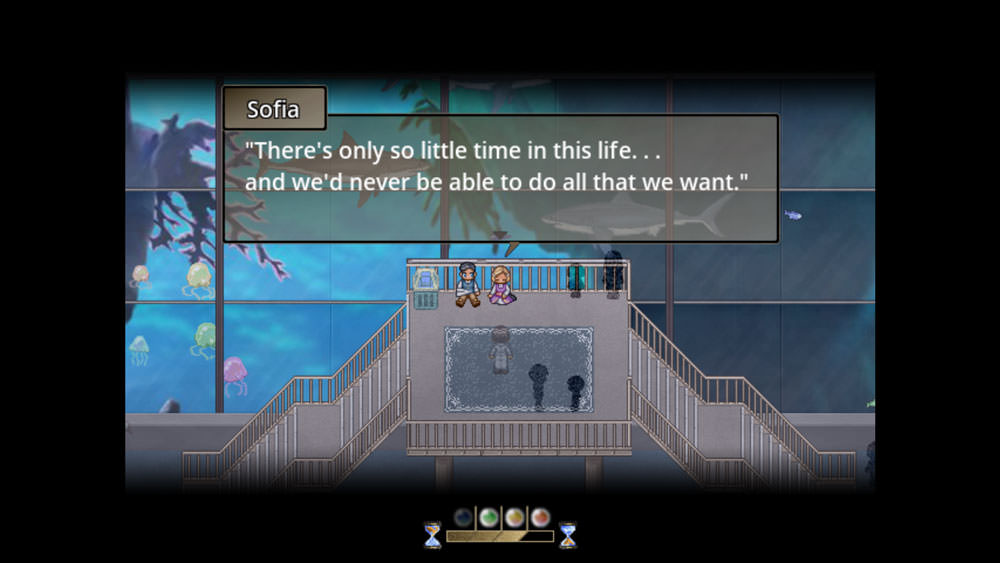
Finding Paradise includes a few action-oriented mini-games. Their controls were not particularly good, but on the other hand they did not demand serious performance either. Overall, the difficulty level is very low. The focus is on story and atmosphere. My playthrough lasted just over five hours.
A serious fairy tale, melancholy with humour
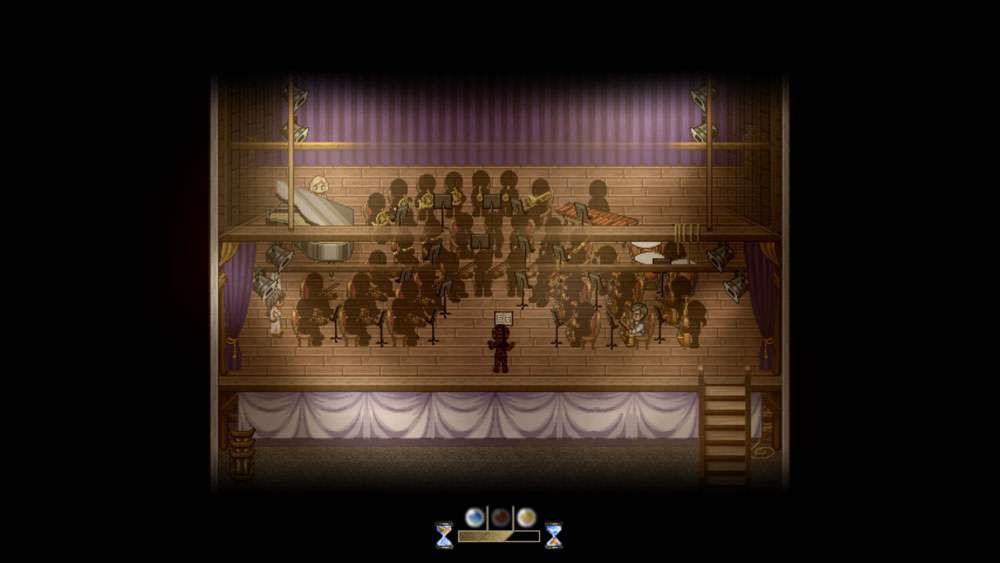
The slightly childish, miniature-like graphics give Finding Paradise the feel of a fairy tale. The horror elements, which I do not recall being present in To the Moon or A Bird Story, felt rather silly. The underlying tone of the game, however, is very serious, dealing with adult themes such as marriage, career, and family life.
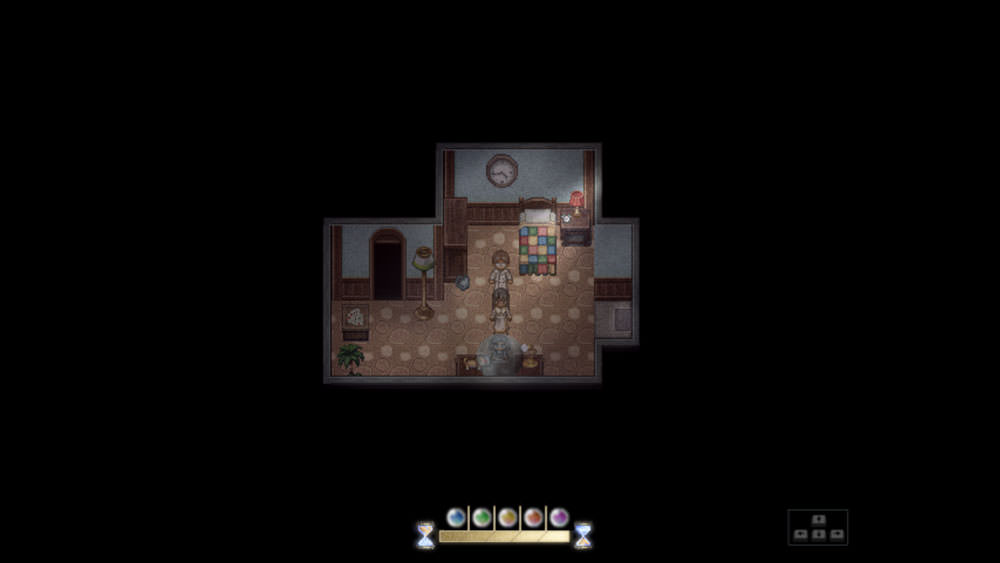
Because the game revolves around memories, it has a strongly nostalgic spirit. There is also a touch of romance. The collegial banter between Eva and Neil provides humour. Neil’s personality, with its silly kung fu–style gestures and nerdy enthusiasm, helps prevent the tone from becoming overly sombre.
The music treats the listener very gently. Even in action scenes it never felt aggressive or ominous. The music is part of the story, in places even quite literally. It fits the whole extremely well and feels tailor-made for this game.
Verdict
Finding Paradise maintains a balance between the tragic, the gentle, and the absurd. It is above all a story. Over time it takes an interesting direction, and the ending is surprising.
I appreciate the use of memories and mementos as a storytelling mechanic, but as a player I found myself missing puzzle-based or strategic challenges. The patient’s memories and the mementos collected by Eva and Neil felt very mundane.
As cruel as it may sound, I found the patient’s life story too ordinary and insignificant. I am not sure I was left with anything other than a vague sadness on the patient’s behalf. It does not feel as though the storytelling managed to make something small into something large.
Because I am already familiar with the games that preceded Finding Paradise, as well as a couple of mini-episodes set in the same world, I see Finding Paradise as part of a larger whole and give it some credit on that basis. The player in me, however, was yawning. I rate my gameplay experience at 61 out of 100.
Availability
Finding Paradise is available for Windows, macOS, and Linux.