
The Excavation of Hob's Barrow (2022)
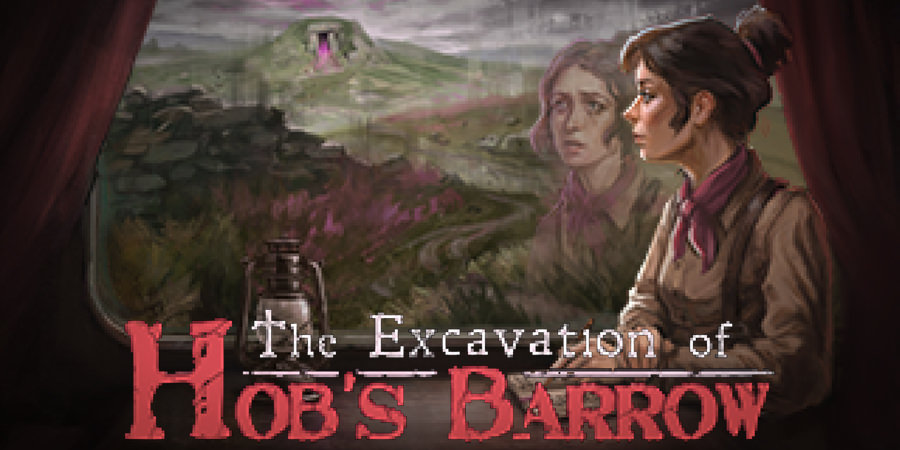
Released in late September, The Excavation of Hob’s Barrow returned me to the comfort of old-school point-and-click adventures. It is the seventh adventure by the small studio Cloak and Dagger Games, and it is published by a true genre icon, Wadjet Eye Games. That partnership ensures excellent voice acting, and the characters left a favourable impression more broadly. Built on ancient belief and folklore, the story is a horror piece set in 19th-century northern England. A young archaeologist arrives in a small remote village to investigate an ancient barrow and is met with conflicting attitudes. Who is who, and who can be trusted? The Excavation of Hob’s Barrow does not settle for a happy ending; instead, it leaves the player wounded, alone with their troubled thoughts.
Cloak and Dagger Games is a three-person studio they describe as an international team from the UK. The lead designer of the game is Shaun Aitcheson, originally from New Zealand. I had not played their earlier work, yet the company’s strange little logo felt oddly familiar. It is childlike in a charming way, and I rather like it. The studio does not make games full-time, but this latest creation suggests a high level of professional craftsmanship regardless.
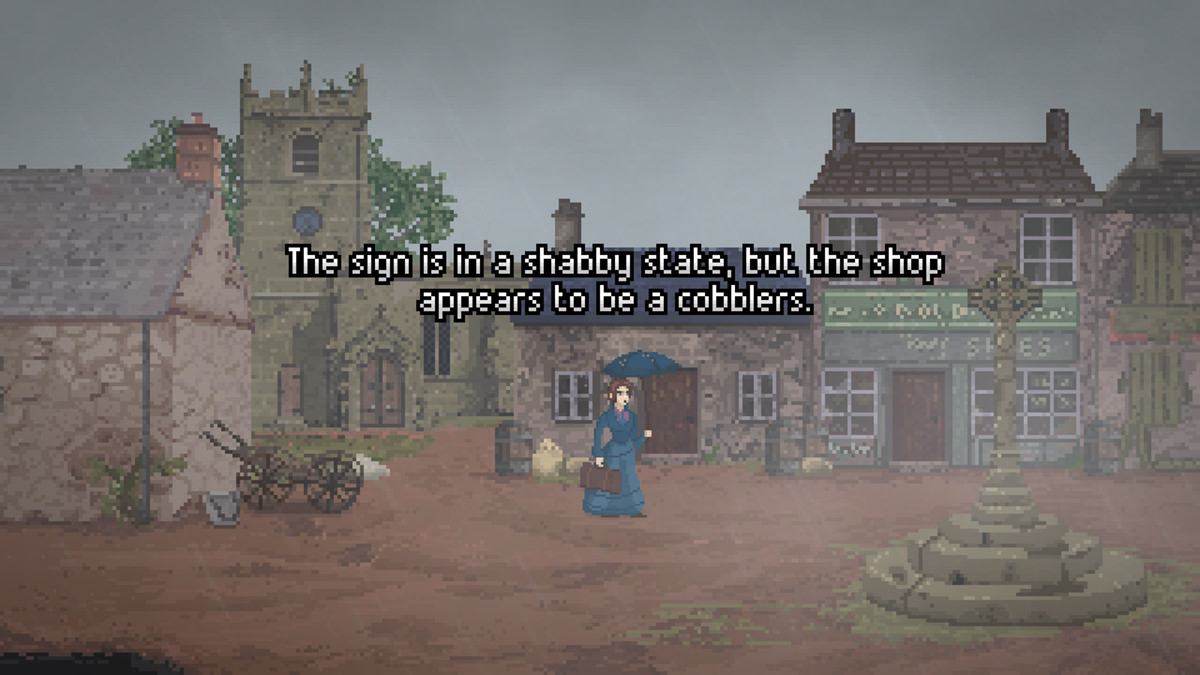
The Excavation of Hob’s Barrow is made with Adventure Game Studio, a tool that carries forward the legacy of early-1990s graphical adventures. In that respect, this is a traditional, pure point-and-click game with inventory puzzles and a long-form narrative. Wadjet Eye Games, which has been publishing adventures since the 2000s, stands behind it. The company releases both its own internal productions and collaborations, and its founder Dave Gilbert is a familiar name among adventure-game players. I count myself among Wadjet Eye’s fans.
Something dark and terrible dwells on the moor
The protagonist, Thomasina Bateman, is a 25-year-old archaeologist. Her father’s story is deeply tragic, and it gradually becomes clear that this remote excavation site intertwines with his fate. Thomasina intends to uncover the truth. The story begins grounded, realistic even, but ultimately turns supernatural. It deals with faith, including trust. Early on, I did not understand why the dialogue system allowed suspicious or guarded responses, yet by the end it made perfect thematic sense.
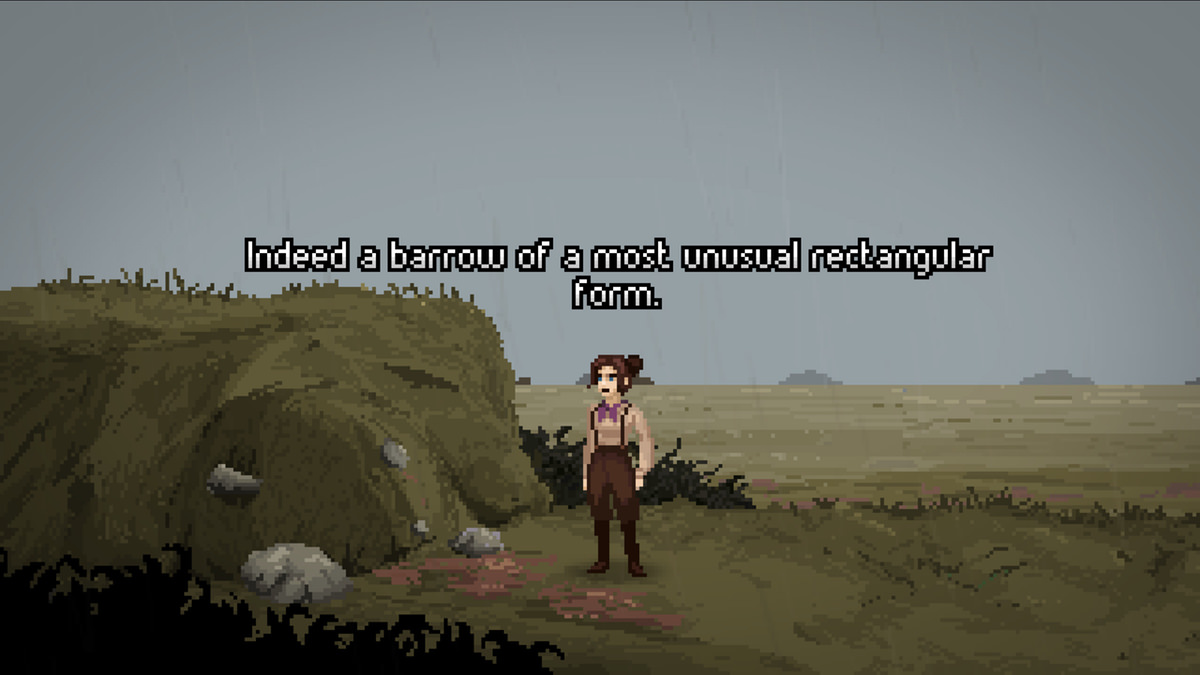
I would not call the characters deep, but they are distinctive and often amusing. They paint a lively picture of rural attitudes and reactions, and, like much else in the game, not everything is what it first appears to be. Something sinister festers out here “in the middle of nowhere”, a place that only recently gained a railway connection.
The game draws from the ancient and cross-cultural Abraxas deity myth, linking it to local English folklore. It is difficult to discuss without spoilers, but the game echoes a Catholic view of Abraxas as devilish. Creatures like roosters and serpents belong to the mythology, but goats are, as far as I know, a later embellishment added by persecutors to emphasise heresy. Still, the narrative encouraged reflection on symbolism and the roles each character plays. A sense of mystery survives even beyond the ending.
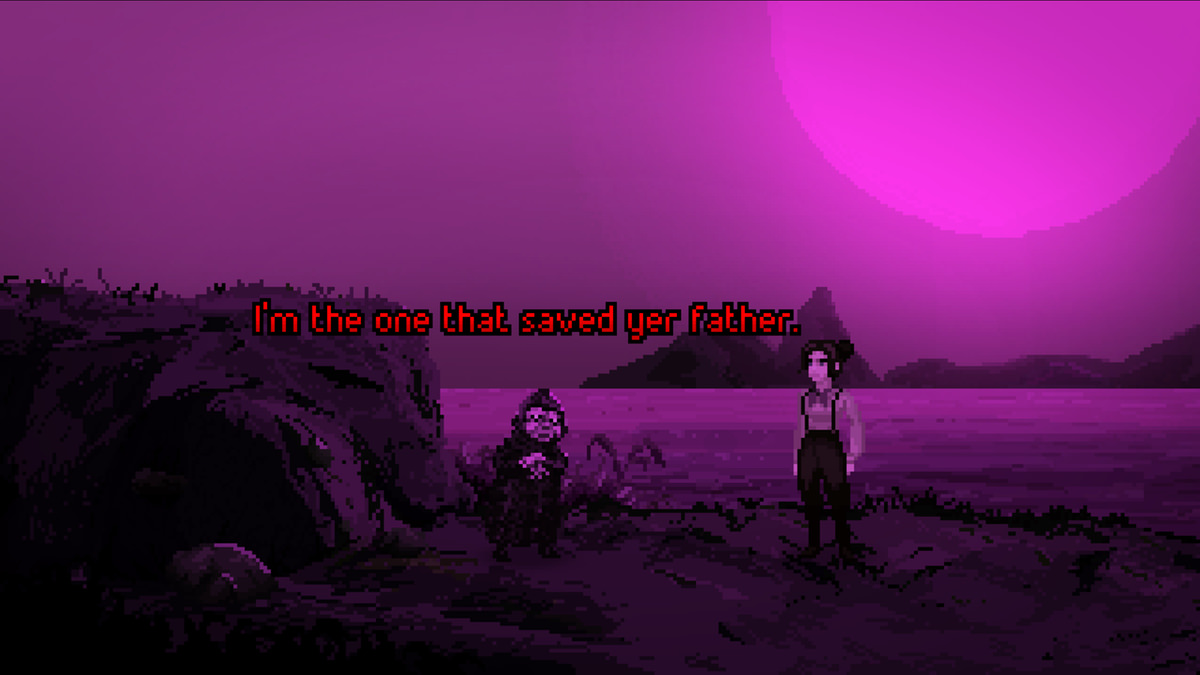
The path to the grave is winding
Most of the playtime is spent trying to begin the actual excavation. The village resists, and obstacles abound. Events in the village occur in the present, but flashbacks provide simple sequences that move the story forward with minimal interactivity.
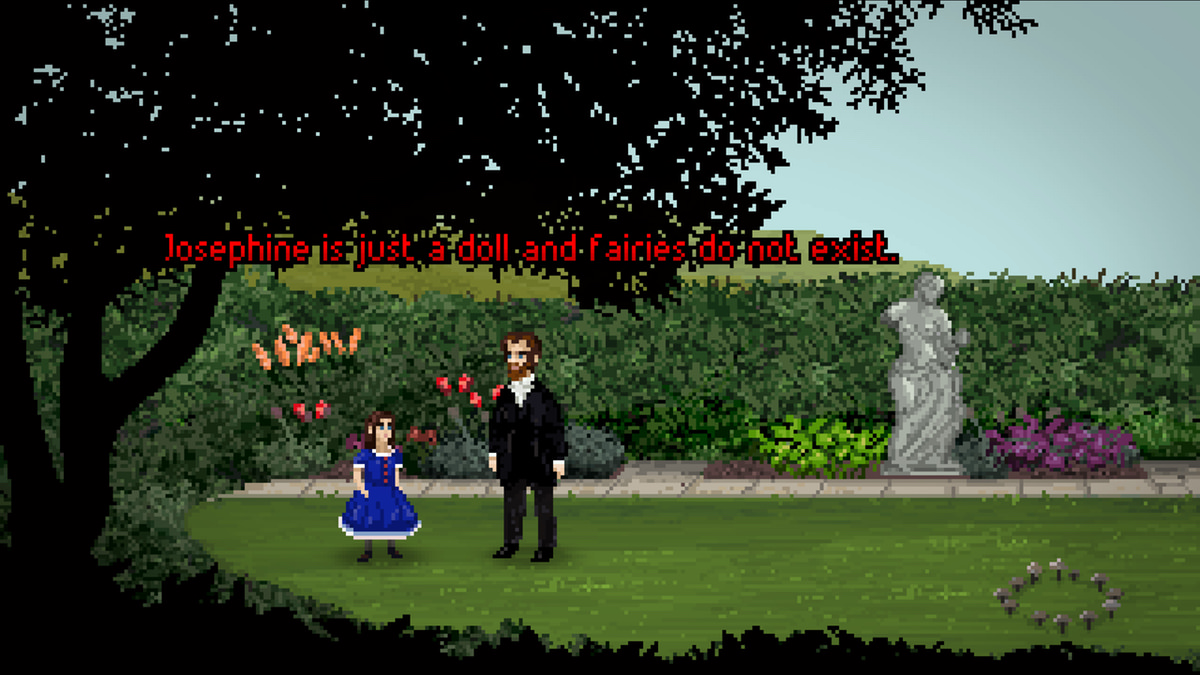
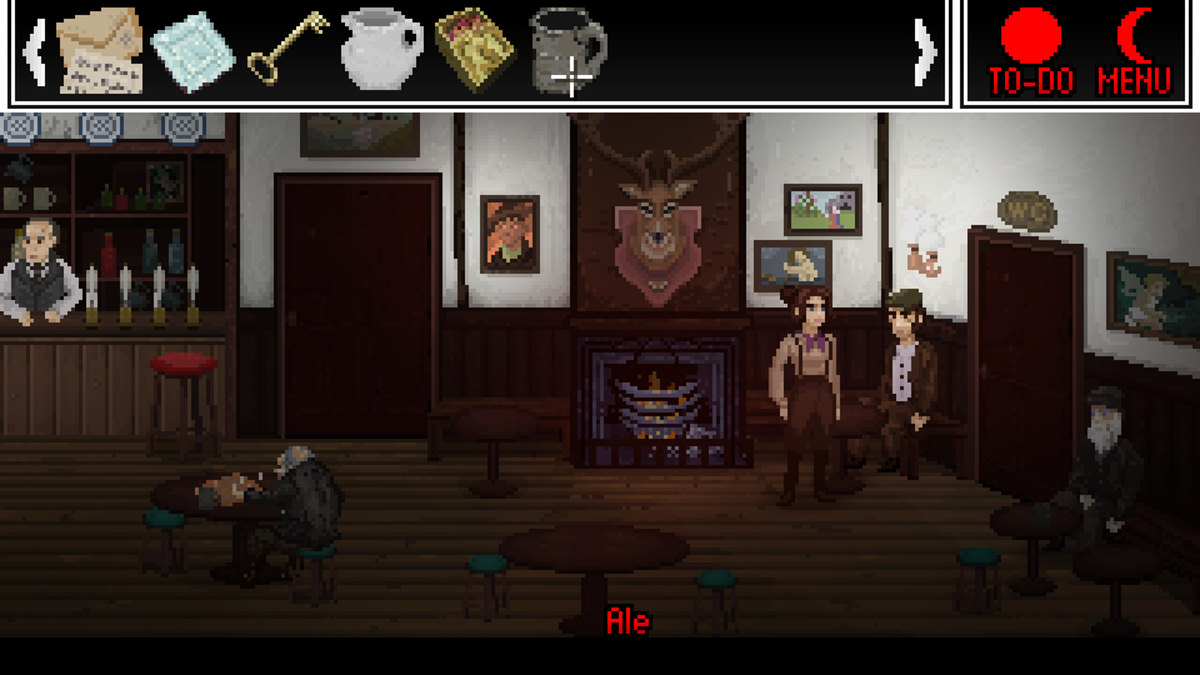
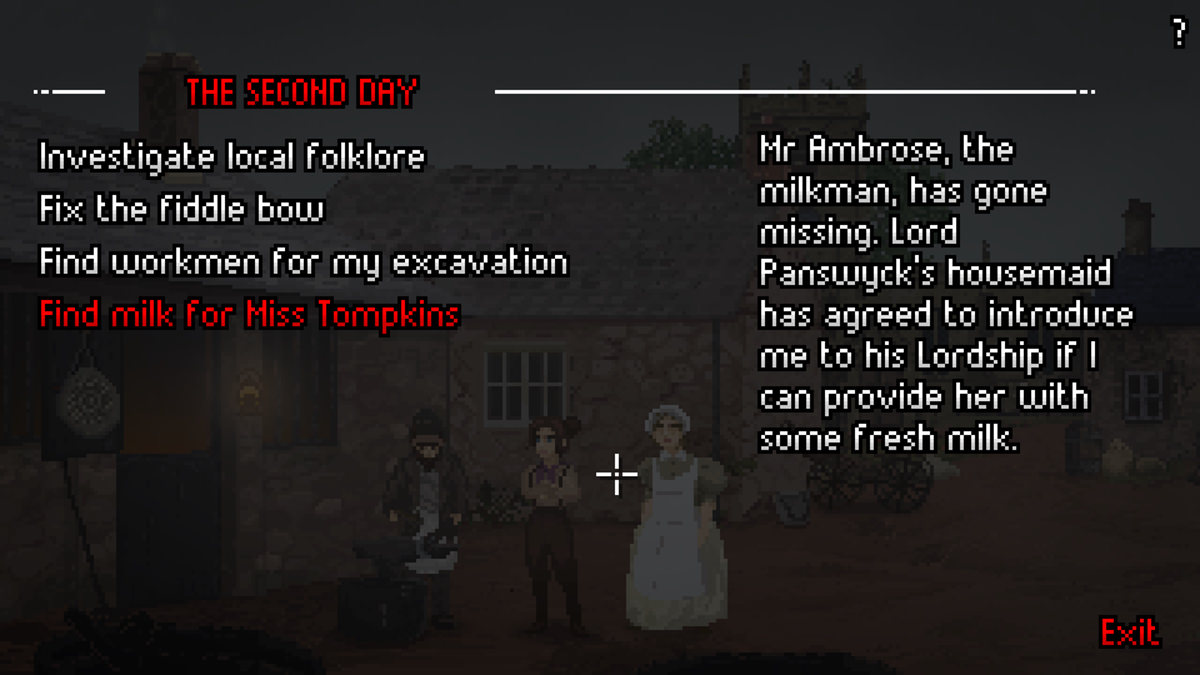
Inventory puzzles drive the game, even in more abstract, multi-step tasks. I found them logical and reasonably clever, and the most sophisticated ones appear near the end. Items are easy to spot, especially with the spacebar highlighting all interactable objects. Careful attention to hints and environmental changes is required.
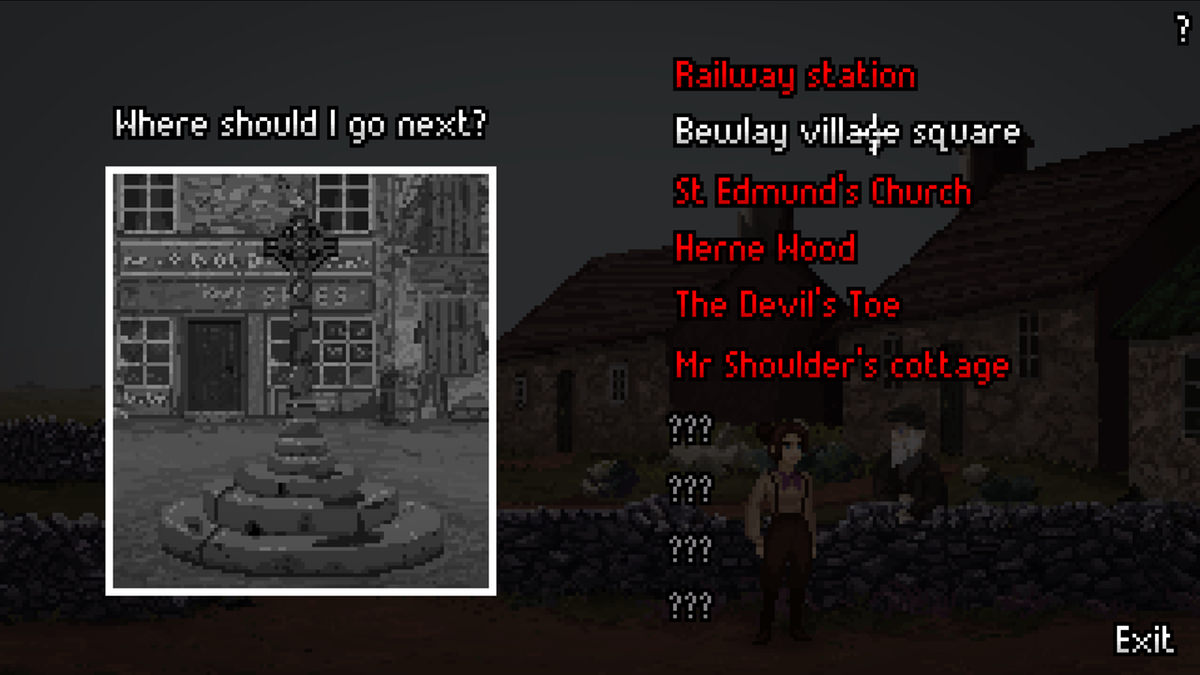
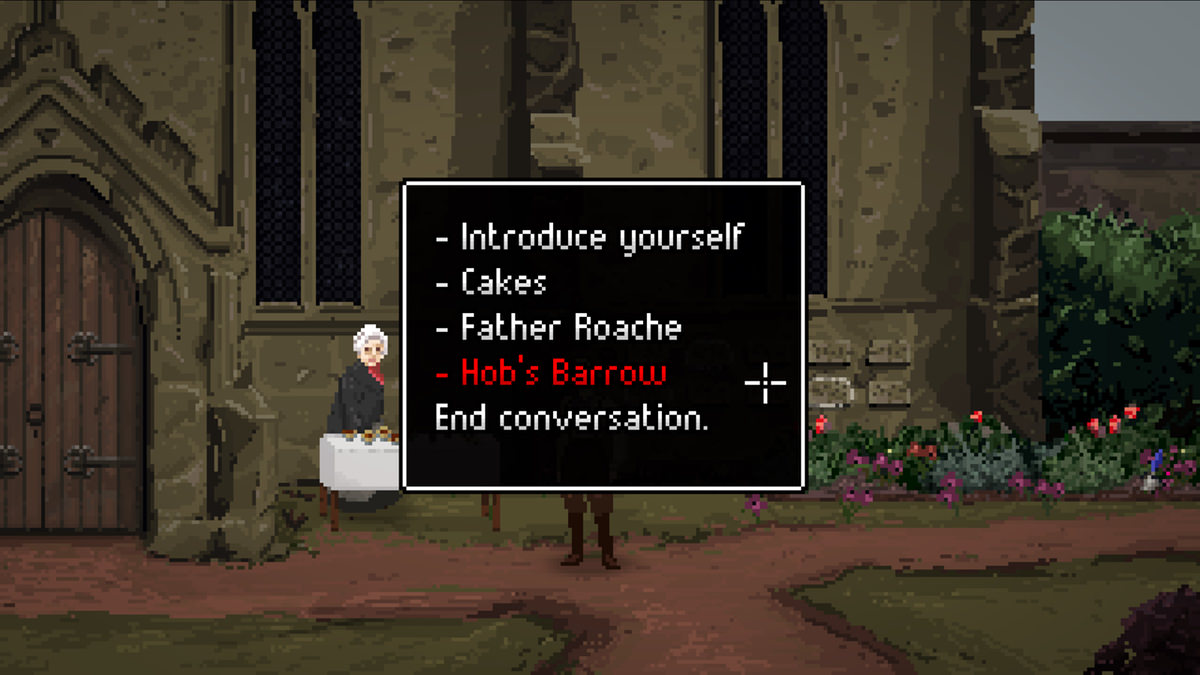
Dialogue, with a modest set of response choices, plays a central role even when not directly tied to puzzle-solving. One of Thomasina’s main goals is to learn the local lore, and more generally to understand the villagers.
The Excavation of Hob’s Barrow made me consider why classic keys and tools in the inventory did not bother me the way they do in hidden-object games. The fundamental difference, I suspect, is that in a true adventure like this one, the story genuinely dictates the world and the tasks within it. Hidden-object titles may contain decent stories, but their puzzles are artificial by design, ends in themselves. Their mechanisms are so calculated that they collapse under scrutiny, even within fantasy. They may look beautiful yet feel disposable, like a lavish box containing nothing special. An adventure game should be singular: someone’s vision, created out of compulsion or joy. In the end, one simply feels the difference, even if a hidden-object game can sometimes convince.
Excellent voice work and low-resolution graphics
Voice acting is where The Excavation of Hob’s Barrow shines. Every character has a personal tone without theatrical excess. I enjoyed the northern English accent, which is light enough to follow easily. Words like “lass” and “ta-ra” stick in the ear. Thomasina, a Londoner, has her own exclamations such as “hogwash” and “capital”.
There are environmental soundscapes and effects, presumably from free sound libraries, yet they fit the world well. Music is sparse, limited mostly to opening and ending tracks, along with a pub performance and perhaps a folk-like violin riff. Given the 19th-century setting, these pieces are stylistically anachronistic.
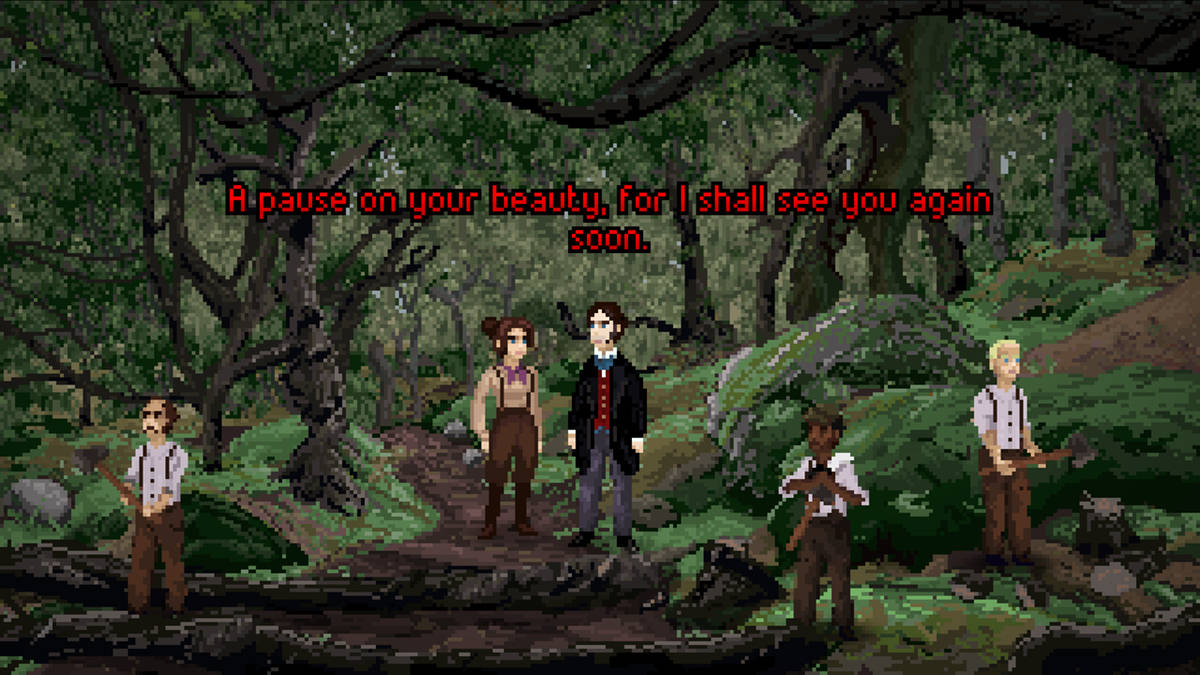
The graphics are modest but sometimes lovely, especially the character art. Fog and rain frame the moorland atmosphere. Pixel art is coarse; large pixels blur detail, and I found the inventory icons a bit muddy. I played on a 27-inch 2560×1440 display, which likely amplified the effect.
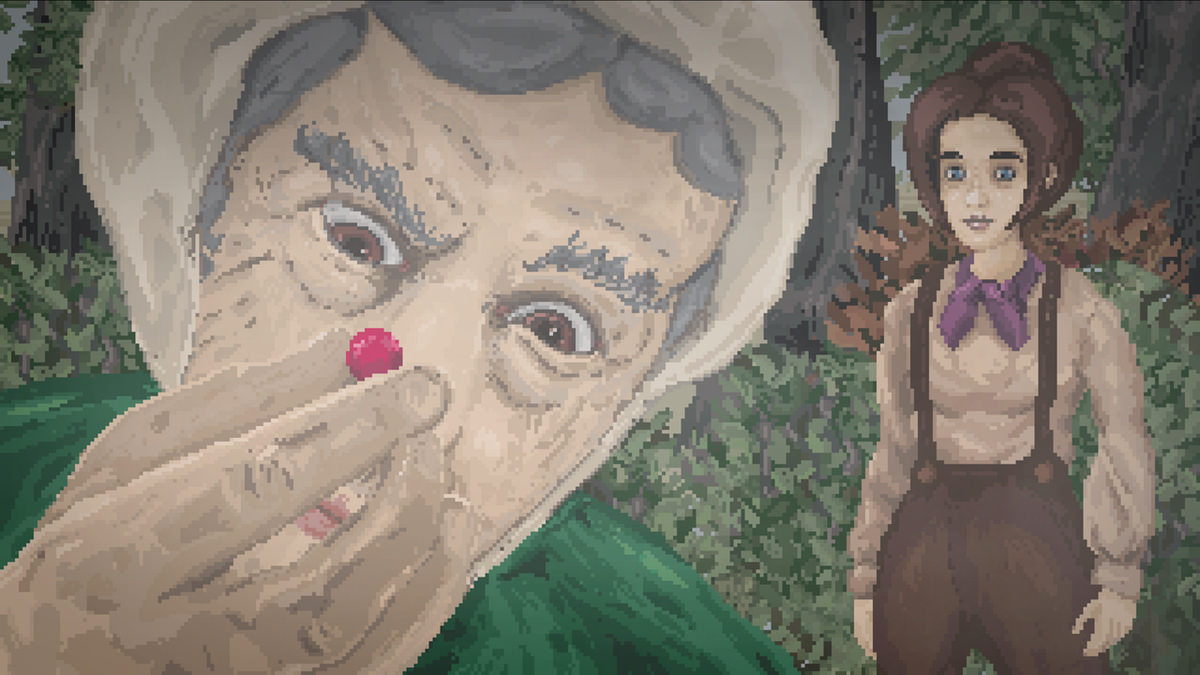
Animation is minimal. Longer sequences sometimes fade to black as Thomasina narrates events retrospectively. This technique works surprisingly well. Her hindsight casts foreshadowing, cracks forming beneath a seemingly cosy beginning, and this builds tension effectively.
Verdict
The Excavation of Hob’s Barrow was a pleasant experience, almost like meeting an old friend: I knew how to play and how to read it. Under the gentle surface lies a sad and even brutal story with religious and psychological tension. The game invites warmly and makes you feel at home, then leaves you outside in the cold. That sense of betrayal is what makes it a memorable horror story. My overall score: 71 out of 100.
Availability
The Excavation of Hob’s Barrow is available on Windows, macOS and Linux. I played across Windows and Mac using GOG Galaxy cloud saves. At one point, however, my manual saves unexpectedly corrupted and became unreadable on both systems. A word of caution: the autosave proved reliable, but manual files may not be. Perhaps a future patch will address this.