
Rusty Lake Hotel (2015)
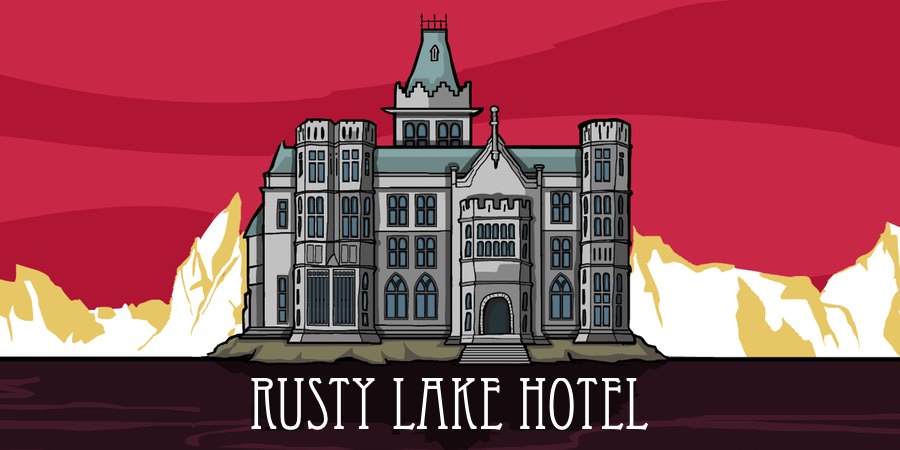
Released in 2015, Rusty Lake Hotel is a mildly surreal puzzle adventure. A rabbit, a wild boar, a pigeon, a pheasant, and a deer arrive at a hotel located on an island, staffed by similarly animal-like personnel. The player’s task is to gather the ingredients for the dinner served at the hotel each day. Every evening, the game closes in escape-room fashion inside the room of a single hotel guest, where mechanistic puzzles are solved. These puzzles form a chain of events whose macabre climax is the acquisition of meat. Mysterious, off-kilter, and at the same time clever, Rusty Lake Hotel tickled my brain pleasantly for a couple of hours, even if completing the game fully almost turned into a painful obsession.
The Dutch studio Rusty Lake has built its entire current output within a fictional world called Rusty Lake. It draws inspiration from the television series Twin Peaks and other works by David Lynch, which shows in a certain kind of surrealism and, for example, in the characters’ names. Before Rusty Lake Hotel, the studio released several Flash games under the Cube Escape prefix, and an updated compilation of those titles is due to be released around now. Rusty Lake Hotel was my first visit to the Rusty Lake universe. Still waiting in my backlog are Rusty Lake Roots, Rusty Lake Paradise, The White Door, and Samsara Room, the last of which can be played for free.
The studio has made a very conscious effort to build a following and a player community around its fictional world. They have also released short films and other media. I am not sure whether this first visit managed to draw me fully into their world. It may be too nonsensical to truly appeal to me, but since the games are fairly short, they can easily be picked up as occasional puzzle snacks. In that sense, they represent a kind of indie spirit that I appreciate.
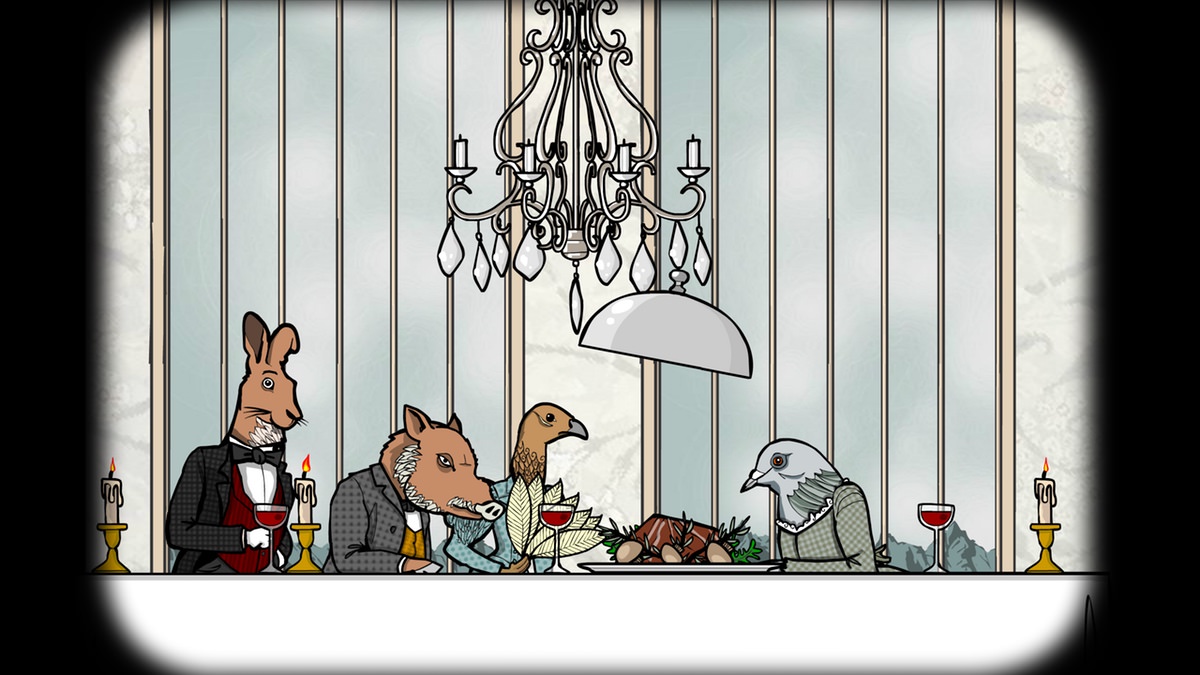
A hotel you arrive at but never leave
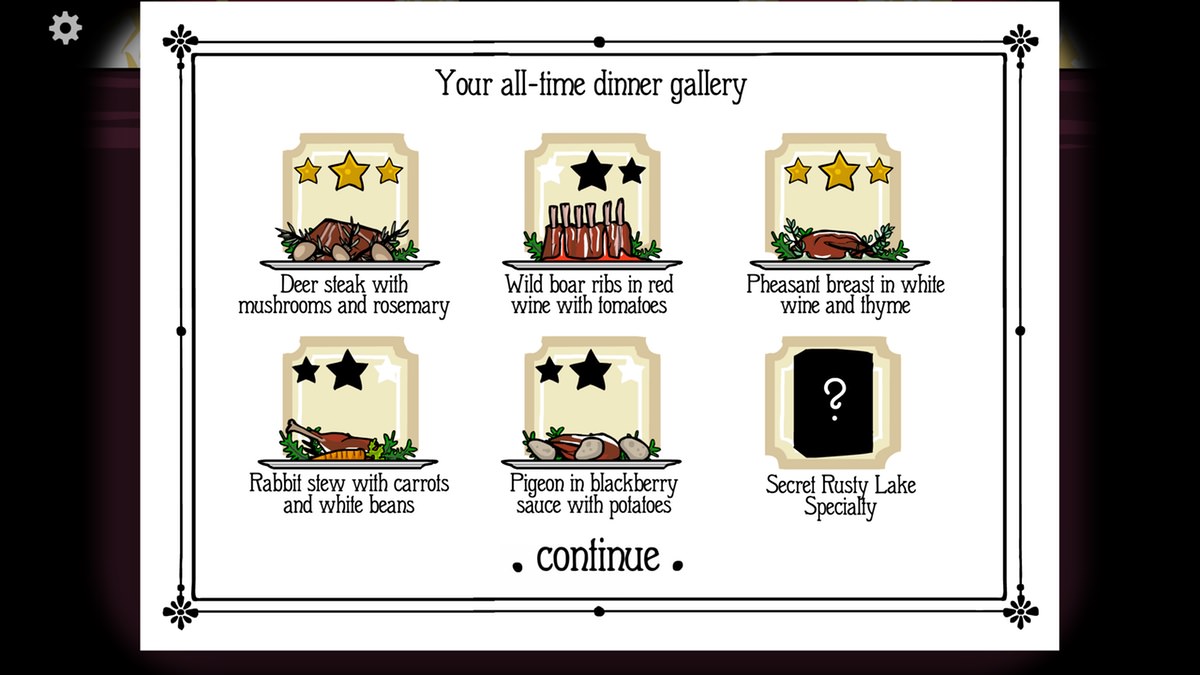
The structure of Rusty Lake Hotel and the task given to the player are very clear. The content is divided into five days, each containing its own set of puzzle challenges. The format is always the same: visit one guest’s room, collect the meal ingredients, and deliver them to the hotel chef. Each meal consists of three ingredients, one mandatory and two optional. Acquiring the optional ingredients was no trivial matter. They are hidden, and finding them is not required to complete the day.
Rusty Lake Hotel functions as an escape-room game in the sense that the player is locked into a guest’s room until the meat has been obtained. Each room is divided into several views, like different walls of the same space. The player rotates the room slightly, almost like a carousel.
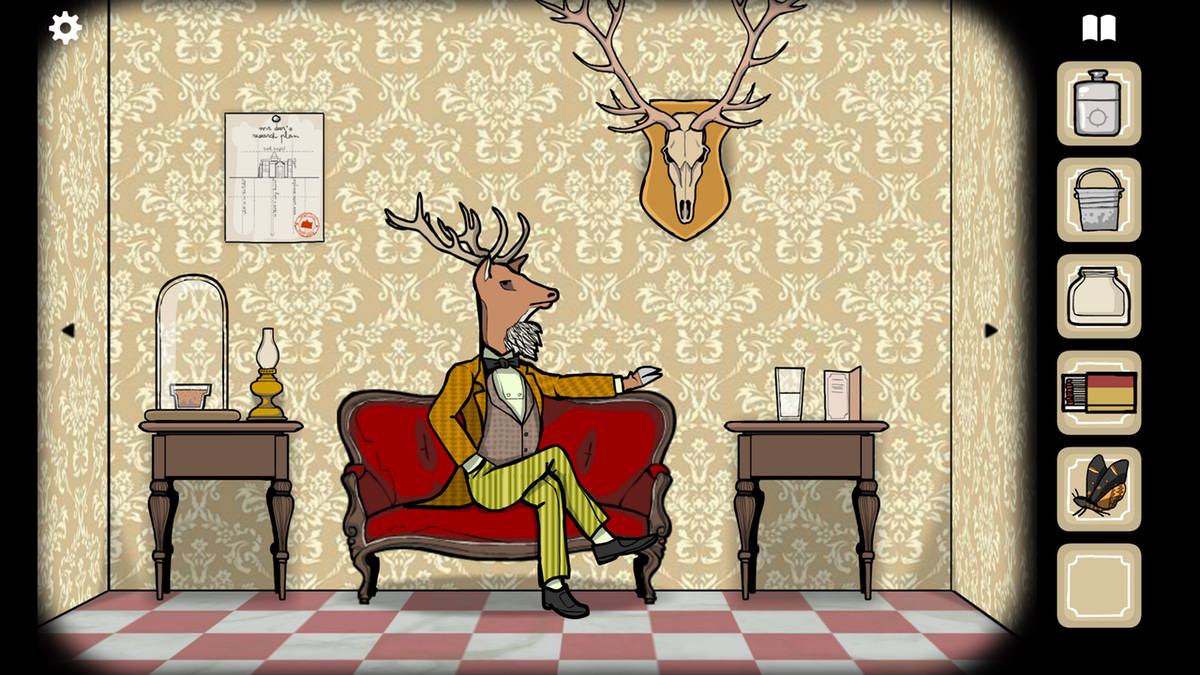
The puzzles contained in the rooms are logical, but they are built from surprising elements. The game manages to make something horrible feel amusing, because the setup is so unreal. Horror fits the animal fable well. But what do the events at the hotel actually mean? Do the guests arrive knowing what they will eat? Is this some kind of assisted suicide service? Who is Mr. Owl, and is there a human behind him?
Verdict
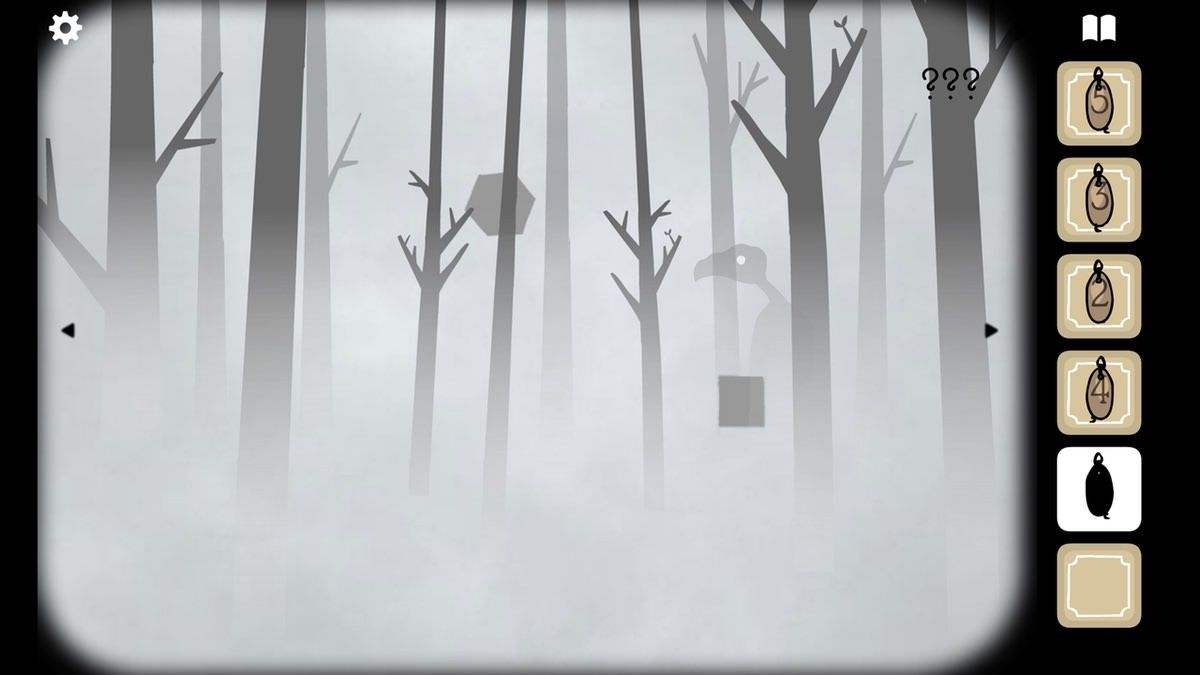
The puzzles in Rusty Lake Hotel were of a suitable difficulty for me, and at their best I slipped into a pleasant flow state as one puzzle followed another. The graphics and sound design are adequate. The game is “set” in the late nineteenth century, but visually it uses a cartoonish, modern clip-art style. From the settings, visual effects can be enabled, which adds a slight sense of spatial depth to the graphics. The background music felt somewhat muted, and I had the impression that it did not fully come into its own as a mood-builder. Overall, the implementation is simple and the general impression light, which likely reflects a fast production schedule.
I give my first immersion in the Rusty Lake universe an overall rating of 60 out of 100.
Availability
Rusty Lake Hotel is available for Windows, macOS, Android, and iOS.