
Black Mirror II: Reigning Evil (2009)
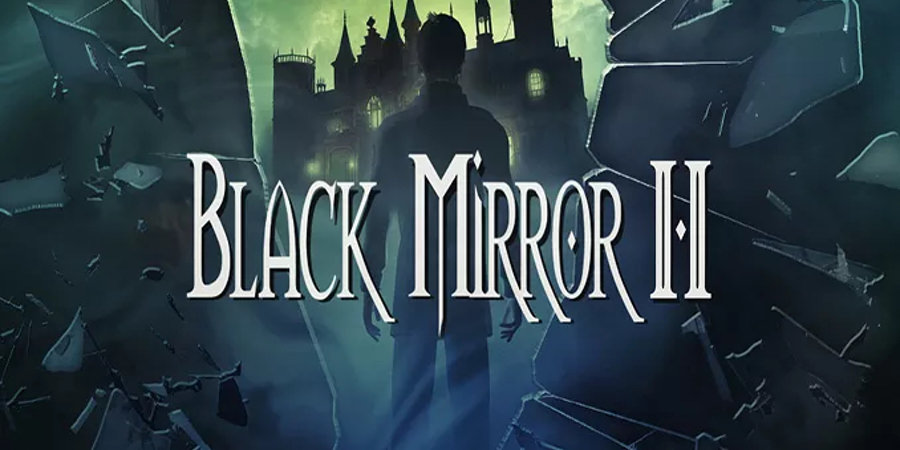
Time really does fly by. I wrote about the adventure game series The Black Mirror on Samooja seven years ago. I have not forgotten it, because at some point I set aside parts two and three with the serious intention of playing them. When I first started Black Mirror II: Reigning Evil, however, it somehow failed to draw me in and was left unfinished. Now, many years later, I returned to it and pushed myself to see the story through to the end — emphasis on the word “story”. Just like in the first game, the narrative is the strongest and most memorable element. Black Mirror II improves on its predecessor audiovisually, mechanically, and in terms of usability, while still preserving a clear sense of continuity.
Somewhat to my surprise, I noticed that I had given Black Mirror a score of 70 out of 100, which means I really liked it. The blog post nevertheless finds plenty to criticise, which at first feels contradictory. Apparently I found the game sympathetic and its story impactful. Black Mirror was developed by a small Czech studio of five people, whereas Black Mirror II and III were made by the larger German studio Cranberry Production, which has since either shut down or merged. In any case, the increased resources are clearly visible. Even by current standards, the game does not look bad at all, despite having been released in 2009.
The series later received a fourth entry in 2017, developed by a third studio. It does not directly continue the story but functions more as a spin-off. It still revolves around the Gordon family and takes place in Scotland in the year 1926.
Pure drama and half a horror game
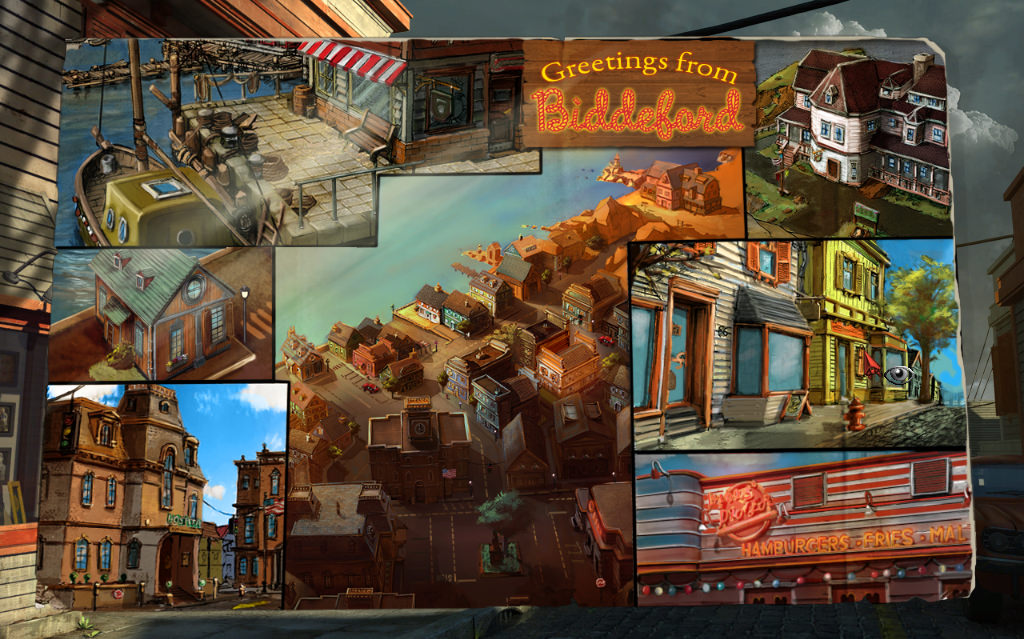
Black Mirror II is set twelve years after the first game, in 1993. Twelve years is a recurring number in the series, as the Gordon family curse appears to resurface every twelve years. This time the player is taken to the United States, to the state of Maine, and given the role of a young physics student named Darren Michaels. The gloomy English castle and medieval surroundings are gone. Biddeford is a picturesque seaside town that attracts tourists with its natural beauty. This change of setting and protagonist apparently dampened my enthusiasm the first time around, and even now I had to spend a long time simply hoping that the story would return across the Atlantic and “get to the point”. Darren is completely unaware of anything occult, and the early stages of the game do not feel like a horror game at all.
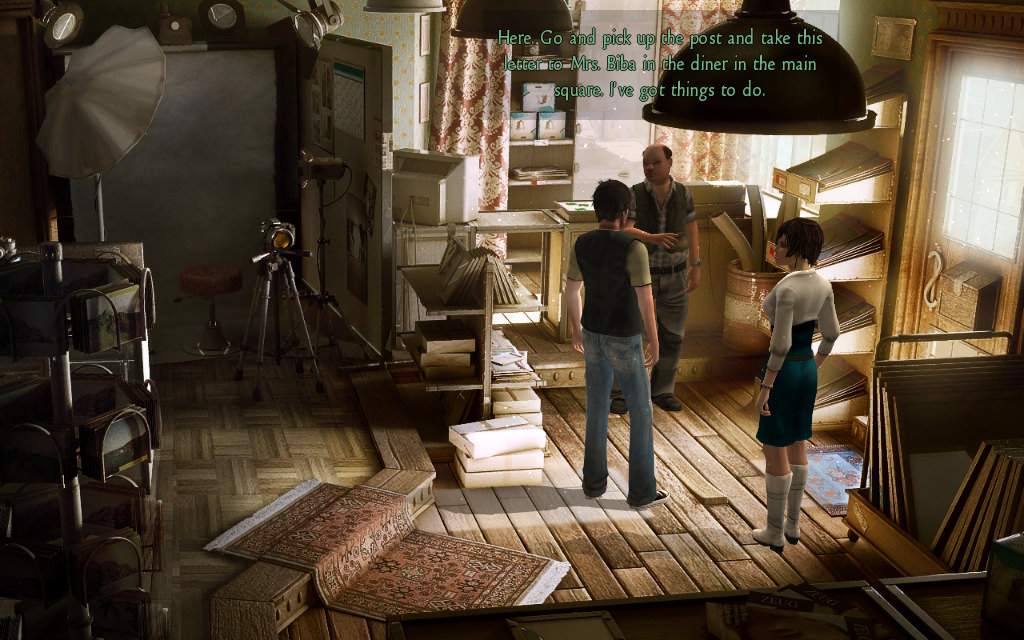
Roughly half of the game is spent in America, where Darren works as a gofer. He has a summer job at a photo shop run by a man who can only be described as an unpleasant pig. Darren himself is no angel either. His thinking is critical, and he starts mocking one character after another. The other characters respond in kind, which somewhat levels the field, but Darren’s sarcasm combined with his voice initially put me off. In his own way, Darren parallels Samuel Gordon from Black Mirror, whom I once described as puppet-like and difficult to identify with. In the end, however, Darren won me over, as I began to hope for the best and fear the worst on his behalf.
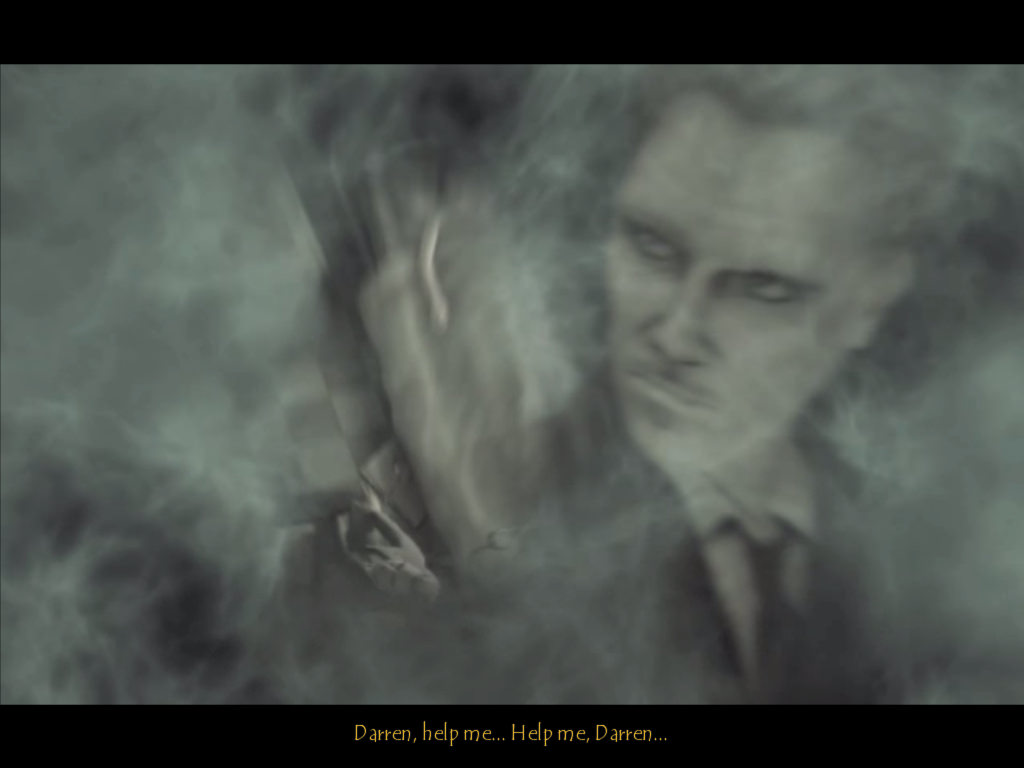
Darren is a rational and realistic physics student who is convinced that curses do not exist and that the nightmarish visions he has begun to experience are the result of exhaustion or, at worst, mental health problems. He maintains this view all the way to the end of the game, even though the player can clearly see that suggestion and belief alone cannot explain everything that happens.
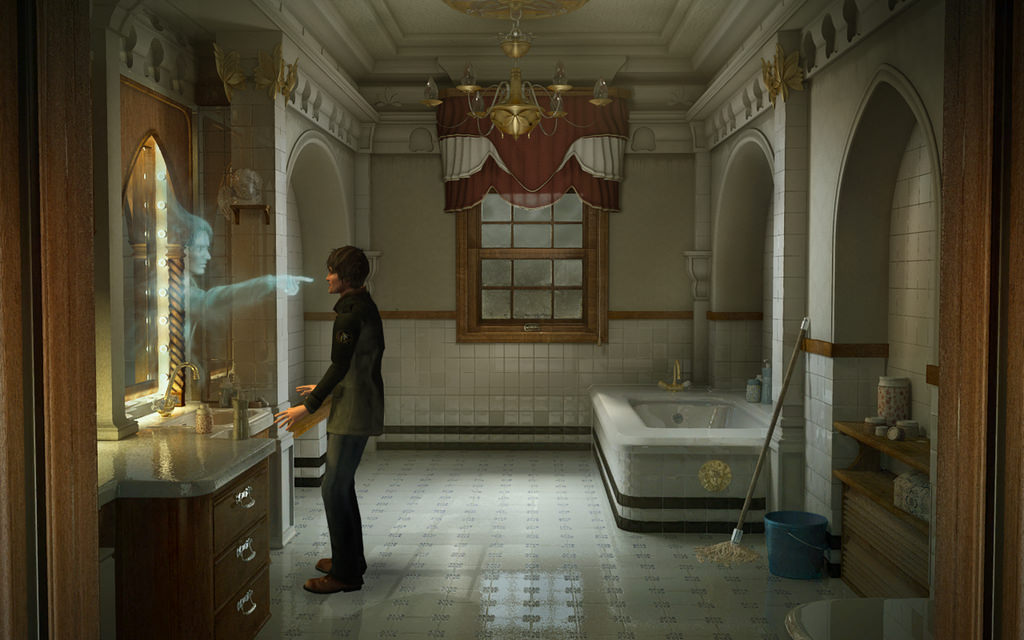
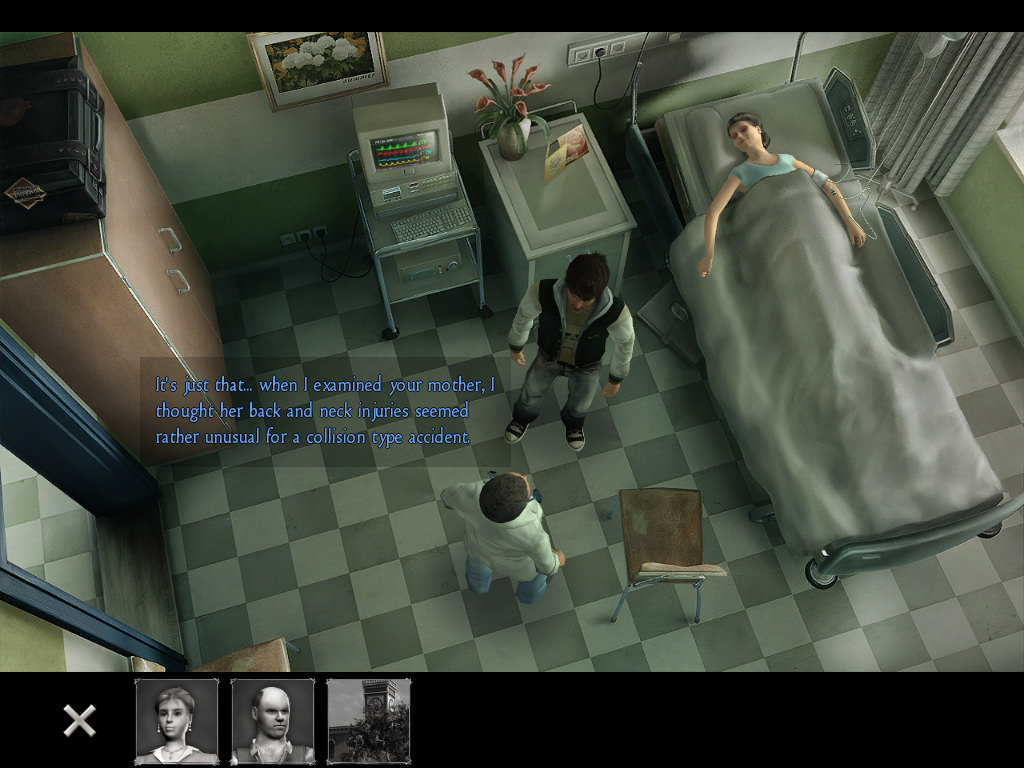
Black Mirror II is a twist-heavy thriller that puts Darren through emotional and physical turmoil. At the beginning he knows nothing, but little by little his single mother’s secrets come to light, only to reveal even more, and Darren’s life is turned upside down. As a player, I was encouraged to believe and speculate, and then genuinely surprised by the turns the story takes. Even now, I can still feel the chills caused by the game’s climax. Darren faces a tremendous challenge in the sequel, Black Mirror III.
Plenty to explore and plenty to do
Black Mirror II ends on a cliffhanger, yet still feels complete in itself. My playtime exceeded sixteen hours. The game could probably be finished more quickly, but I did not rush. Instead, I read and listened to almost everything available. As in Black Mirror, there is a lot to look at. Objects in the environment often have two, sometimes even three separate descriptions, and there is extensive dialogue with other characters. Black Mirror II is divided into six chapters.
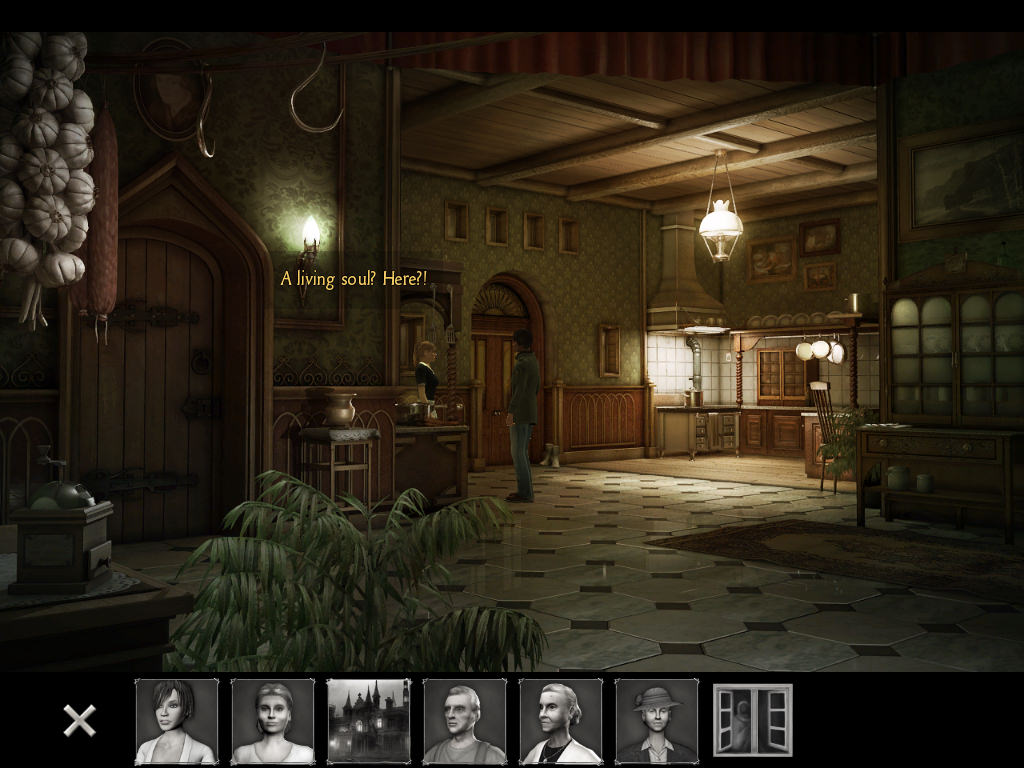
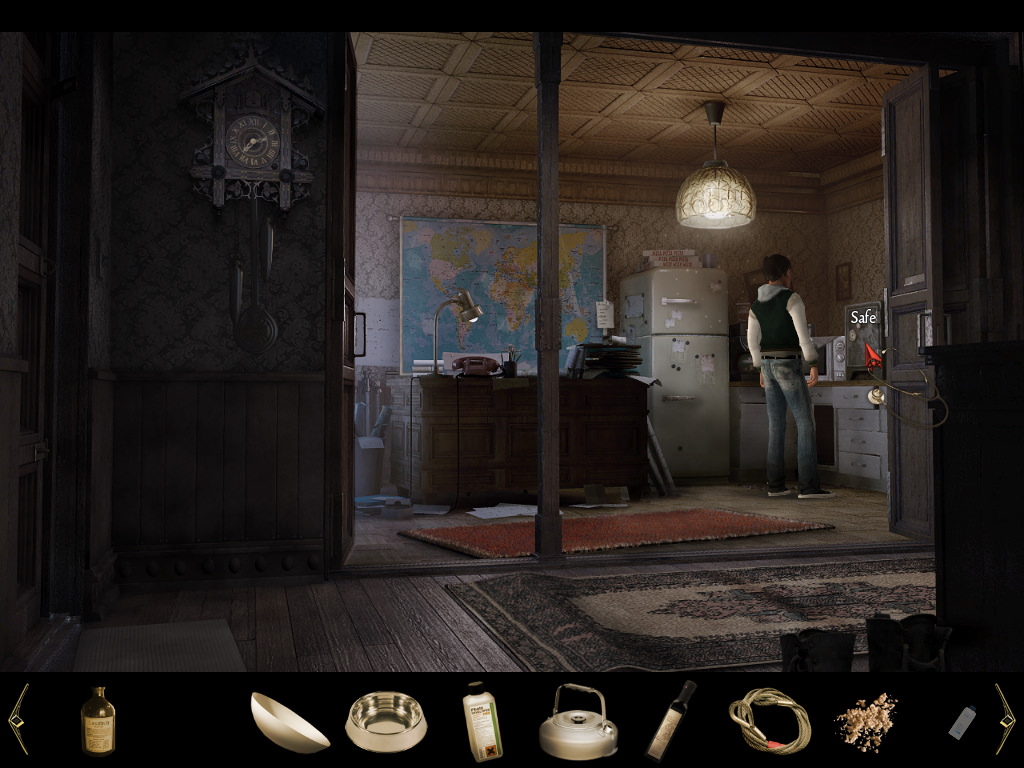
Picking up items or operating mechanisms comes with its own quirks. Darren often has to look at an object first, sometimes twice, before he can pick it up or use it. Generally, though not always, items can be collected before either Darren or the player knows they will be needed. This is common practice in adventure games and can lead to considerable hoarding. In Black Mirror II, the inventory occasionally grew rather large, and it could take a long time before collected items could be used. Pressing the space bar highlights all interactable objects in the current location, which is very useful, and I relied on it constantly.
I do not usually think about this while playing adventure games, but in Black Mirror II I felt like a petty thief. This feeling was reinforced by the fact that Darren repeatedly has to divert characters’ attention in order to take something or access certain areas. He breaks rules, deceives people, and conducts his own investigation outside the police. The role of the police remains underdeveloped in the story and bothered me somewhat.
The inventory includes maps of both Biddeford and Willow Creek, disguised as a postcard and a tourist map. Clicking a location on the map acts as a shortcut. The map is useful in Biddeford, but of limited value in Willow Creek, where most locations are usually locked. The sections set in England and Wales are more linear, and Darren does not have several parallel tasks there.
Darren keeps a notebook that records both diary-like thoughts and objectives. I found the notebook very messy. Perhaps its sketch-like, minimalist appearance is realistic, but the pages look too similar, creating the impression that information gets lost, and there are no page numbers. There are shortcuts to the most recent entry and task, but I often wanted to browse it more freely. Perhaps I have been spoiled by the visually polished journals and strategy guides of hidden object games, where essential information — both current and past — is easy to find and completed tasks do not blend into new ones. The same cannot be said of Black Mirror II’s notebook.
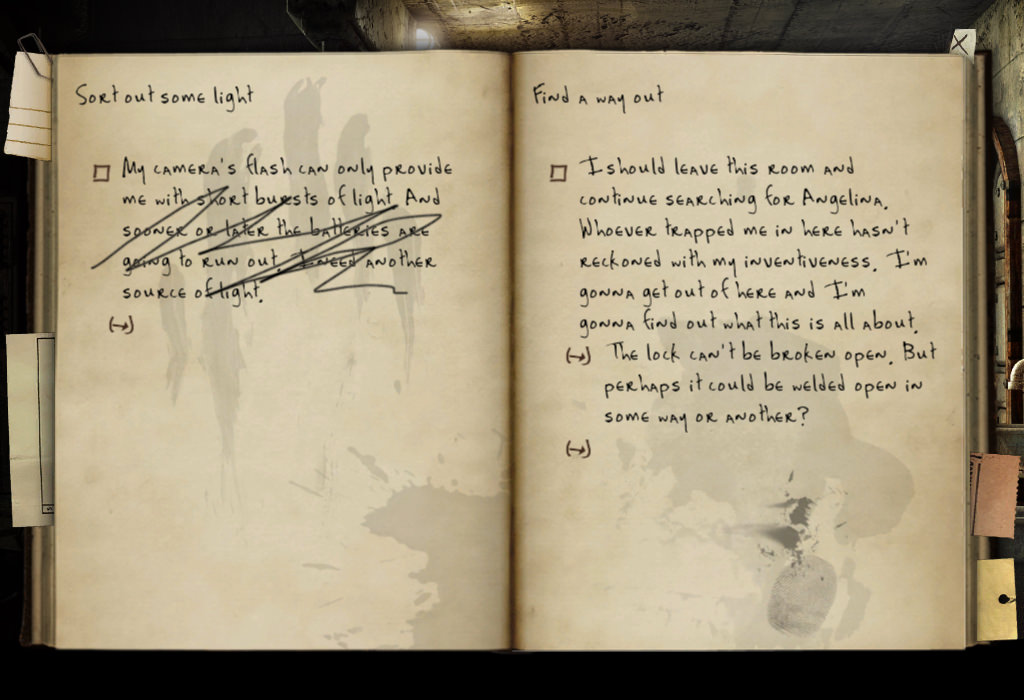
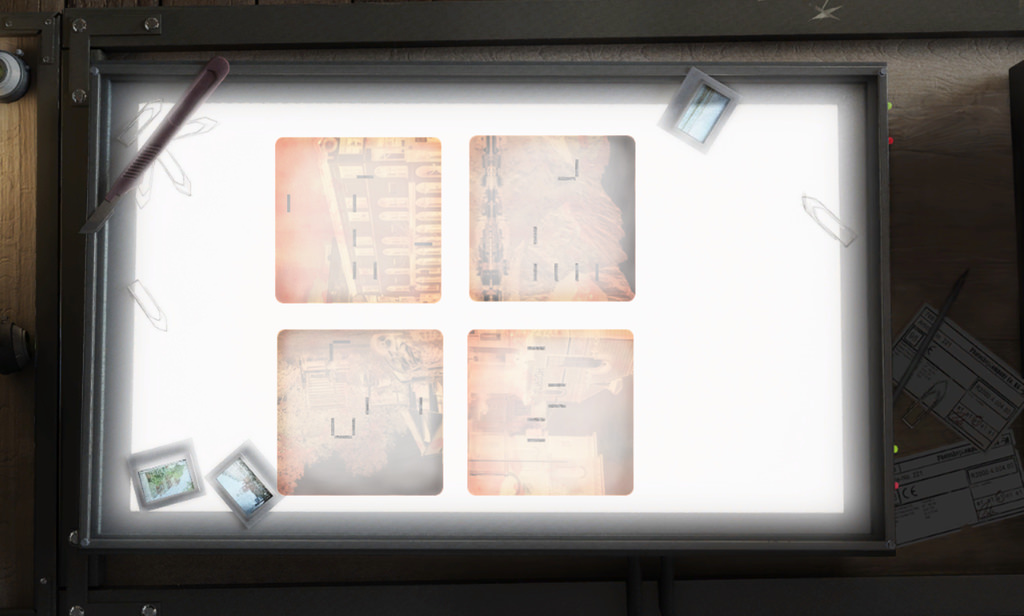
At the start of the game, the player can choose between easy and normal difficulty. Easy mode means the notebook contains additional hints for completing tasks and that mini-puzzles can be skipped. These hints are not full walkthrough instructions and can be hidden if desired. There is a fair number of mini-puzzles. They are quite plain in appearance and mostly revolve around various lock mechanisms. I am not particularly fond of mini-puzzles and made use of the option to skip them more than once. This reflects not only player laziness but also usability issues and insufficient instructions.
It is possible to die in Black Mirror II, but just before death the game creates an automatic save, allowing you to try again without worrying about manual saves. The game also performs autosaves at certain key moments.
I needed external notes in a couple of places.
Fine backgrounds, stiff characters, and an overly rich soundscape
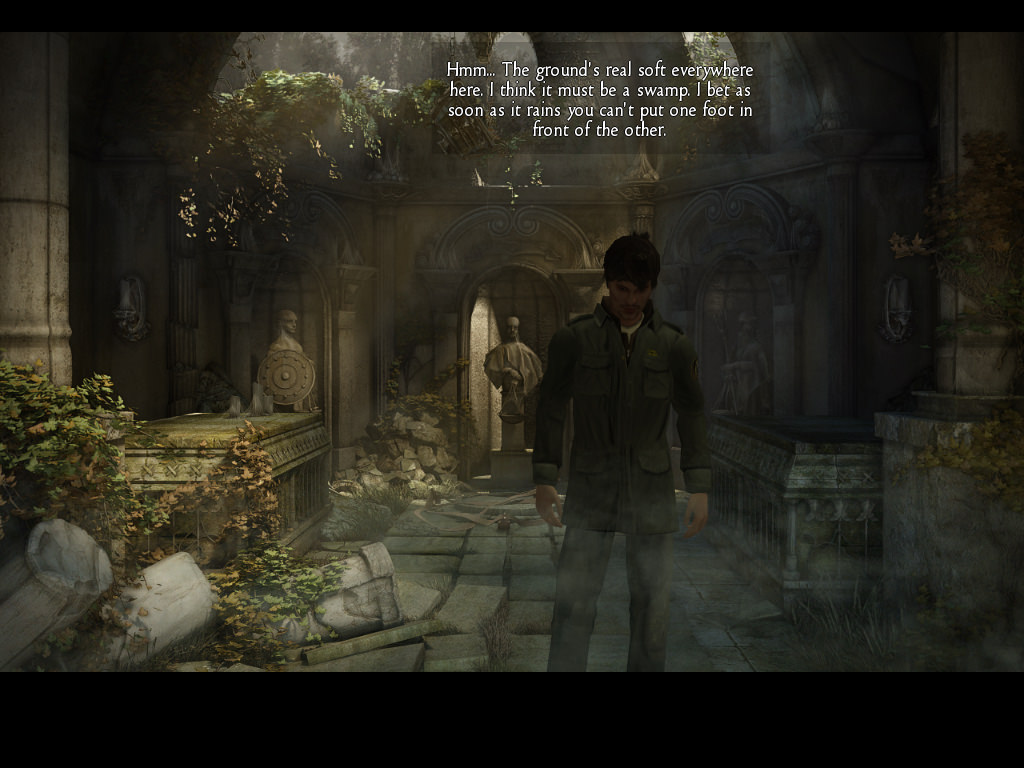
Although I was initially disappointed by the setting, I still found it visually pleasing, and Black Mirror II’s environmental graphics are hard to fault. The style is stylised realism: soft, almost confectionery-like visuals, though not overly sweet. Lighting conditions vary, and changing weather is simulated nicely. When Darren travels to England, I experience a strong sense of déjà vu, as if I have already played these locations before, which must be due to revisiting places from Black Mirror. There is a wide range of locations, and the level of detail strikes a good balance. The viewpoint and camera distance vary, making the backgrounds feel dynamic despite not being fully 3D. The character models, on the other hand, are 3D but rather stiff, and Darren’s rigid movement in particular bothered me.
I found the background music ill-suited. It consists of classical-style piano and string music infused with more modern horror and mystery elements. I liked it in itself, but it did not suit Darren at all, nor did it feel particularly appropriate for Maine. On the other hand, if the music were tailored to Darren, it would probably be some form of alternative rock, and I am not sure I would want to listen to that for long.
The environmental sound effects are emphasised. I generally enjoy ambient sound design, but in Black Mirror II I struggled to balance the different audio elements. By default, music and ambient sounds were far too loud and drowned out dialogue. Even after lowering their levels and keeping speech at 100%, the voices still felt too subdued.
One thing that stood out was how often Darren thinks out loud. Because there is a lot to think about — I examined everything — this results in a great deal of spoken lines. Darren speaks with a Boston-area accent. I would not call it unpleasant or unclear, but his tone is not particularly agreeable. Still, it may suit him and the game, as the protagonist of Black Mirror, Samuel Gordon, also divided opinion among players.
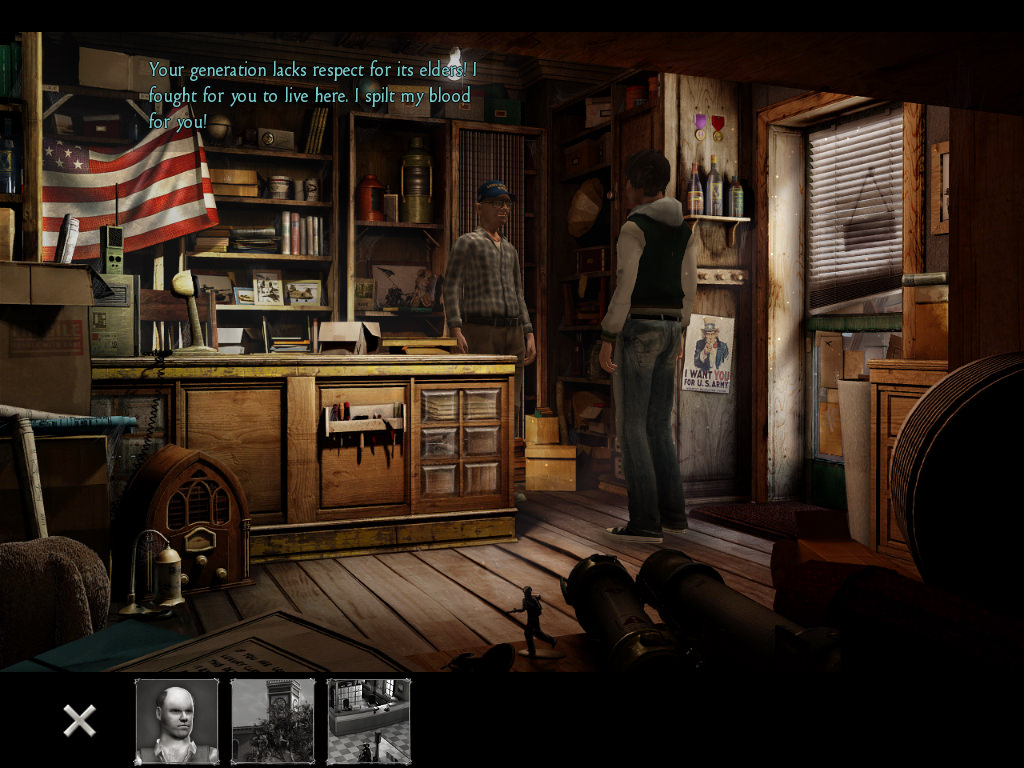
The game’s large cast of characters deserves mention. Both in the United States and in Britain, there is no shortage of personalities and drama, which adds to the story’s complexity. No one is an angel or easy to like. The game features a person with an intellectual disability in a central role, which is rare and deserves recognition. There is also a gently naïve schizophrenic character. When speaking with them, Darren is not sarcastic. All characters are individually voiced.
Verdict
Cranberry Production treats Black Mirror with respect and delivers a fitting sequel. I do not know whether sequels were ever part of the original studio Future Games’ plans, but Black Mirror II continues the story convincingly. Its narrative and visuals are intertwined with the first game in many ways, and the interface and gameplay also show clear continuity, albeit improved. Black Mirror II is a solid point-and-click adventure. The early errand-running did not excite me and Darren as a character took some getting used to, but the latter half of the game was worth the persistence. I give my overall gameplay experience a score of 68 out of 100.
Availability
Black Mirror II: Reigning Evil is available for Windows via GOG.com and Steam.