
Dracula: Love Kills Collector's Edition (2011)
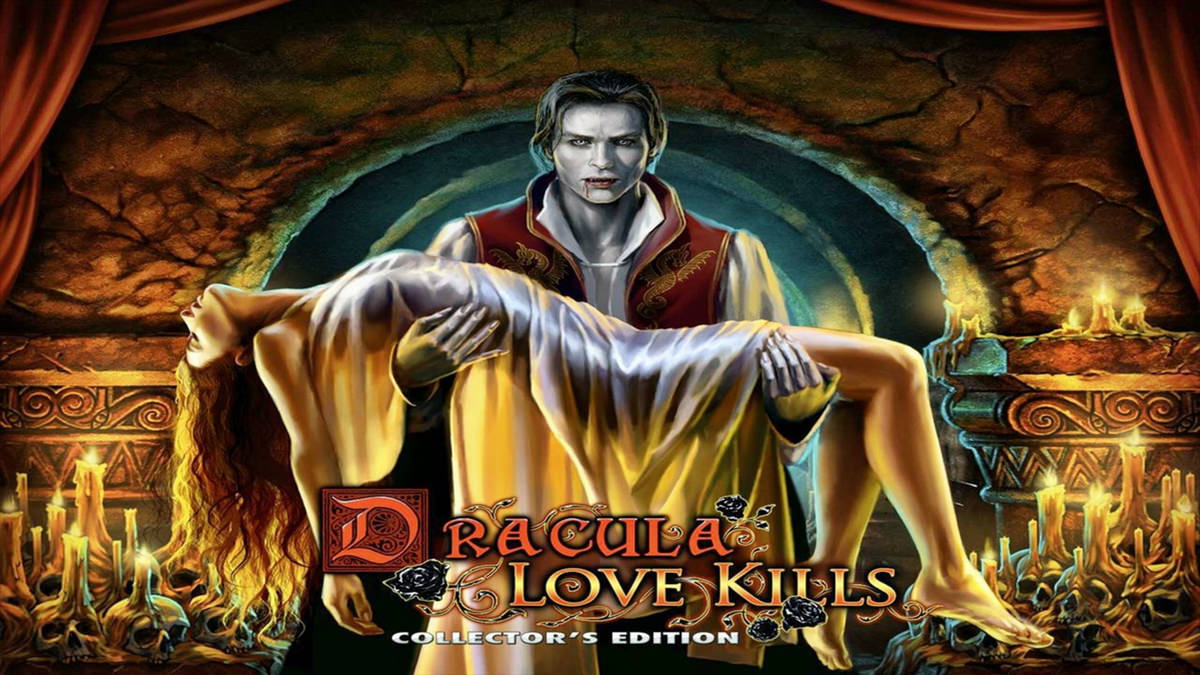
Released in 2011, the hidden object puzzle adventure Dracula: Love Kills is a sequel to Dracula: Origin from 2008. For me, it turned out to be an unexpected and enjoyable discovery. Perhaps carried along by Halloween, my attention shifted toward the horror games collecting dust in my library, and in a rather lazy frame of mind I assumed a hidden object game would offer some light entertainment. I expected it to be just another mass-produced title, played through without leaving much of an impression or provoking any deeper thought. At most, I imagined I would simply be annoyed by yet another reminder of how formulaic and clichéd hidden object adventures often are. I was wrong. Dracula: Love Kills is genuinely charming in all its formulaic predictability.
Dracula: Love Kills was developed by the Ukrainian studio Frogwares, best known for its Sherlock Holmes series. I have played some of the older entries, while the more recent ones clearly enjoy greater visibility in the market. There has undoubtedly been a shift in the studio’s output — Frogwares has moved away from hidden object games toward action-adventure design — but my own hardware is already ten years old and struggles with heavier 3D animation. Soon, a new entry in the Sherlock Holmes series is about to be released: Sherlock Holmes Chapter One.
The lost identity of hidden object games
My relationship with hidden object games could be described as a love–hate affair. I am not criticising them to appear somehow more credible as a player. I am openly timid. I do not play first-person shooters at all, and I shy away from human opponents. According to Wikipedia, hidden object games are especially popular among women and players over the age of 55. I do not mind belonging to that group.
I criticise hidden object games because they are not entirely comfortable being what they are. It is frustrating to see how they attempt to be adventure games while sinking into the dullest kind of formula. A single game can contain an astonishing number of locked doors, locked boxes, locked chests, locked drawers, locked cabinets, and mechanisms locked in the most implausible ways imaginable. Inventory use focuses heavily on collecting fragments and parts — again, merely to open yet another lock — while the use of independent items rarely offers insight, let alone meaningful puzzles. And the stories, well, let us say that genuine gems are hard to find. I am referring in particular to the extensive catalogues of publishers such as Big Fish Games and Artifex Mundi, whose titles I have played by the dozen. Yes, a guilty pleasure, and not one I am particularly proud of.
I have previously highlighted one hidden object game I genuinely enjoy on Samooja: Mystery Case Files: Madame Fate from 2007. It does not attempt to be an adventure game. It is purely a puzzle and hidden object game, and still manages to tell a story. Since then, I have also grown fond of an even purer example of the genre, Hidden Folks from 2017. There, you truly do nothing but search images for objects. It clears the mind wonderfully. I am not saying that combining genres is inherently wrong. I simply suffer from the diminished state the adventure genre is reduced to when it is handled without understanding or respect, with imagination checked at the door.
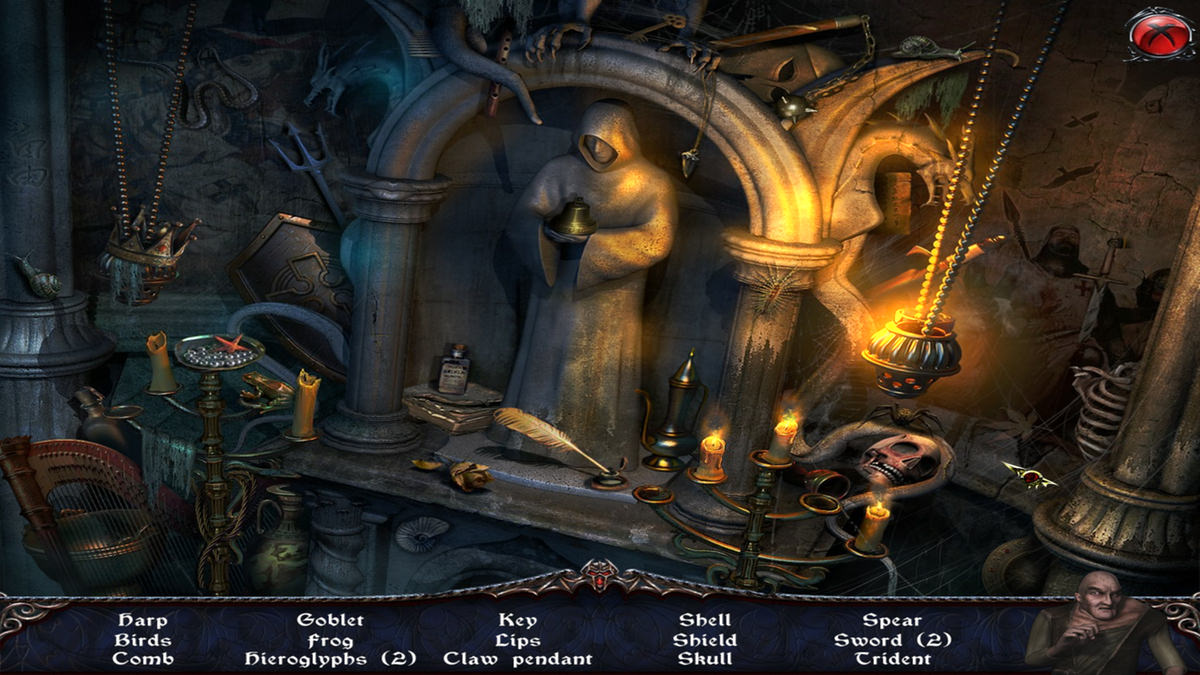
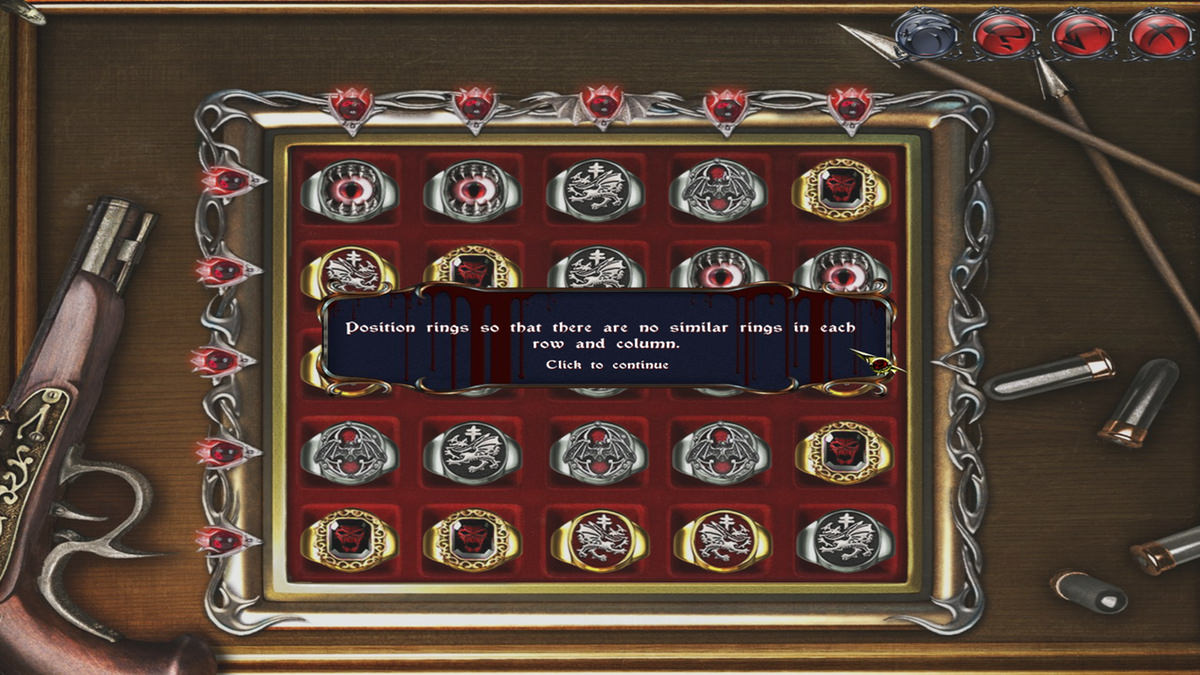
Seen in this light, it is actually strange that I enjoyed Dracula: Love Kills. As a game from 2011, it represents an early form of the modern adventure–hidden object hybrid. Yes, it resembles an adventure game, and yes, it relies heavily on lock-based mechanics. Still, I experienced it as primitive in a positive sense. There are plenty of hidden object scenes, and the mini-games are reasonably easy. Everything felt clearer than in many recent productions.
I also liked the visuals of Dracula: Love Kills. They are not modern HD, but neither are they blurry. The game combines 2D and 3D graphics with manipulated photographs. Historical settings always appeal to me, and the game moves between Transylvania, London, Paris, Venice, New Orleans, and Panama, offering welcome variety. While based on Bram Stoker’s Dracula, the story is its own.
The intoxication of power and the force of blood
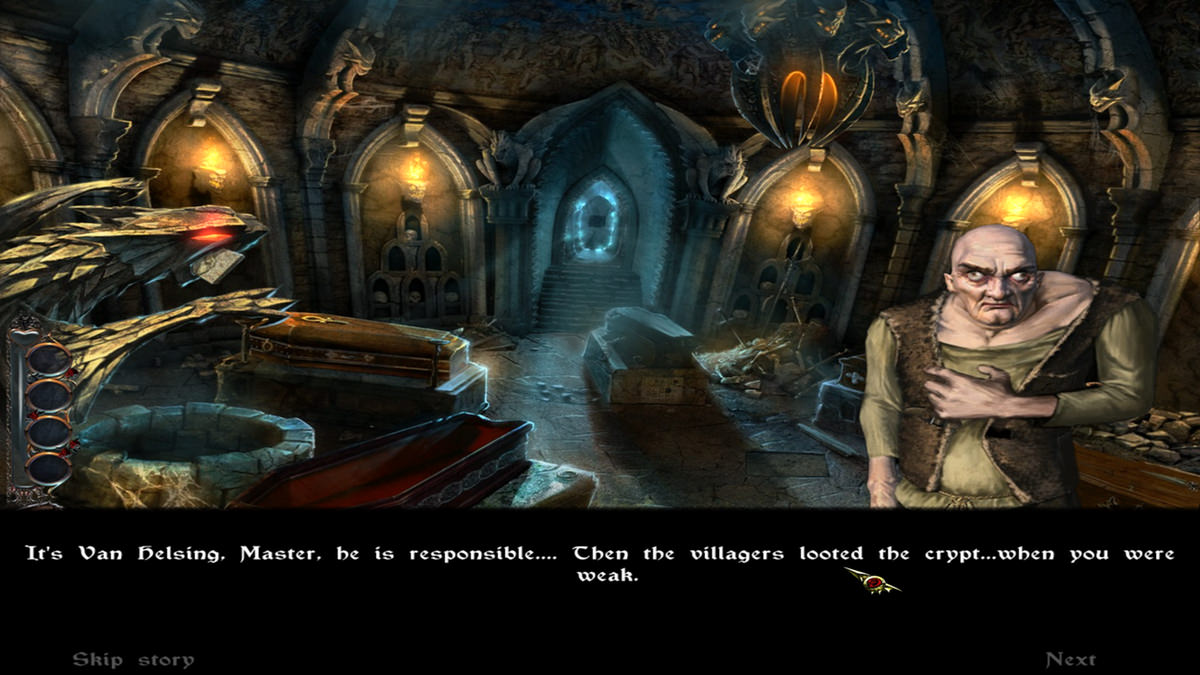
In Dracula: Origin, the player controls Doctor Van Helsing. Here, the perspective shifts to Count Dracula himself. He is a strongly self-aware character. His loyal servant Igor — hunched and grotesque — follows him everywhere and also acts as a source of hints. Igor is coarse not only in appearance but also in temperament. He harbours particular hatred toward Van Helsing, whose neck he would happily snap if the Count allowed it. In Dracula: Love Kills, however, the Count and the Doctor are forced into cooperation, at least in their own view.
A Vampire Queen is on the verge of conquering the human world, which suits neither Van Helsing nor the Count. Naturally, Dracula wishes to be that ruler himself. To defeat the Queen, he must locate the scattered remains of his ancestors and make use of a magical dagger capable even of killing himself. Alongside this, the search continues for Mina, the Count’s beloved, who has disappeared. The need to find Mina is one of the few motivations shared by both men.
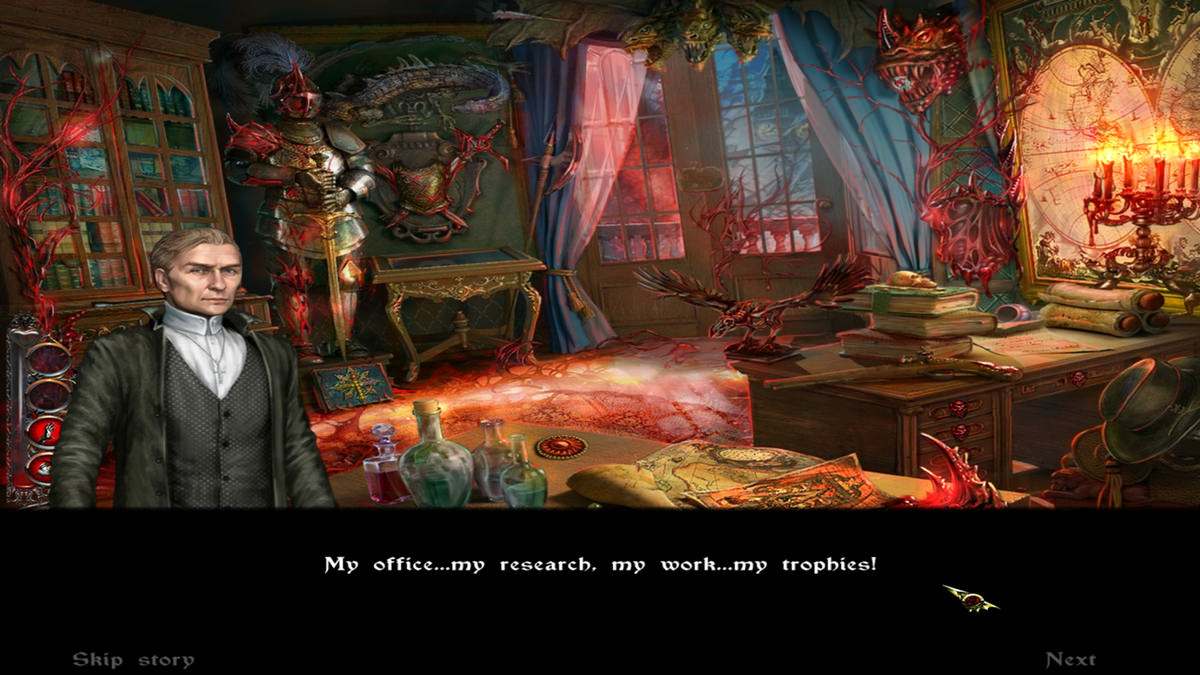
The characters are exaggerated, and the interpersonal dynamics are strongly emphasised. The voice acting, accents included, deserves special mention. Thanks largely to its characters, Dracula: Love Kills has clear cult potential. The soundtrack leans toward classical styles and suits the historical fantasy setting, shifting between calm restraint and grandiosity.
I could not avoid the interpretation of male enemies joining forces to overthrow a threatening female power, embodied by the Vampire Queen and her female attendants. There was something perversely unsettling about drinking the blood of these attendants, especially as the Queen had not yet turned them into vampires.
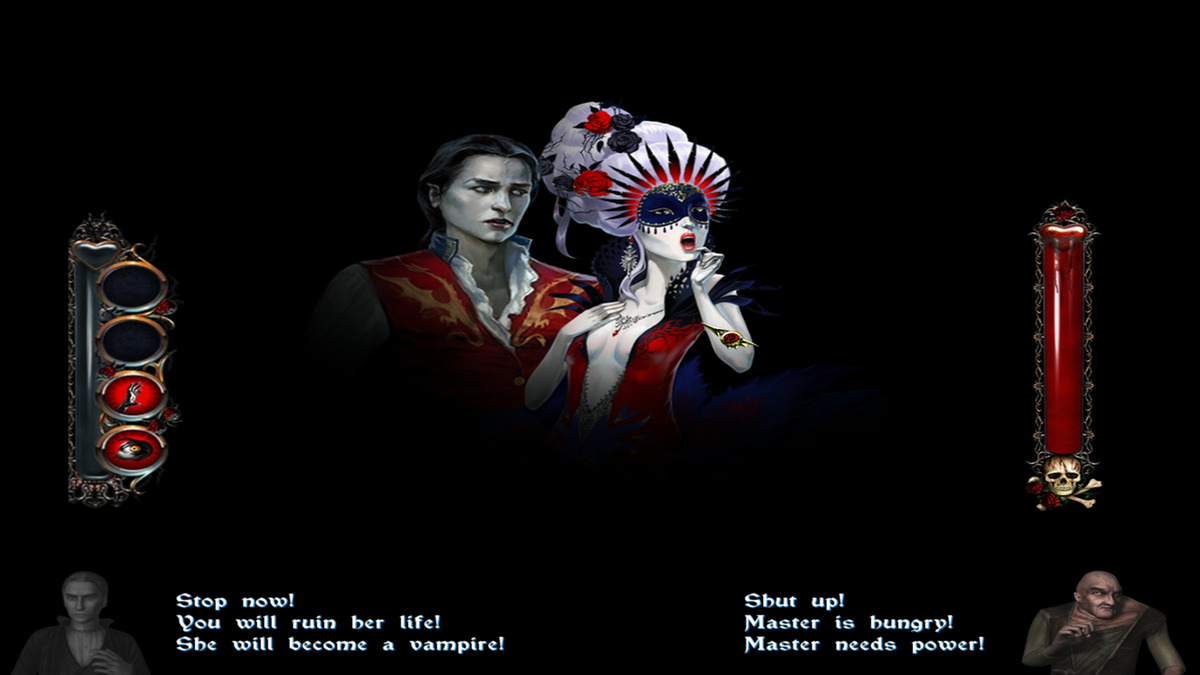
I have always found vampire themes potentially profound. This game made me reflect on power and on why some crave it. Power here appears as an end in itself, something that requires no justification beyond its own existence. Neither the Count’s power nor the Queen’s is inherently better. Both are driven by insatiable ambition, almost like an addiction. This is reinforced mechanically, as Dracula constantly needs more blood to operate at full capacity. Van Helsing’s moral objections feel like little more than a mosquito’s buzz. I bit every human without hesitation. In the bonus episode included in the Collector’s Edition, Mina herself emerges as power-hungry, though safely under the Count’s control.
Verdict
Dracula: Love Kills Collector's Edition offers both historical eye candy and oddly satisfying audio indulgence. The characters and their exaggerated voice acting amused me greatly, but never to the point of ridicule. They felt exuberant and appropriate to the tone of the story.
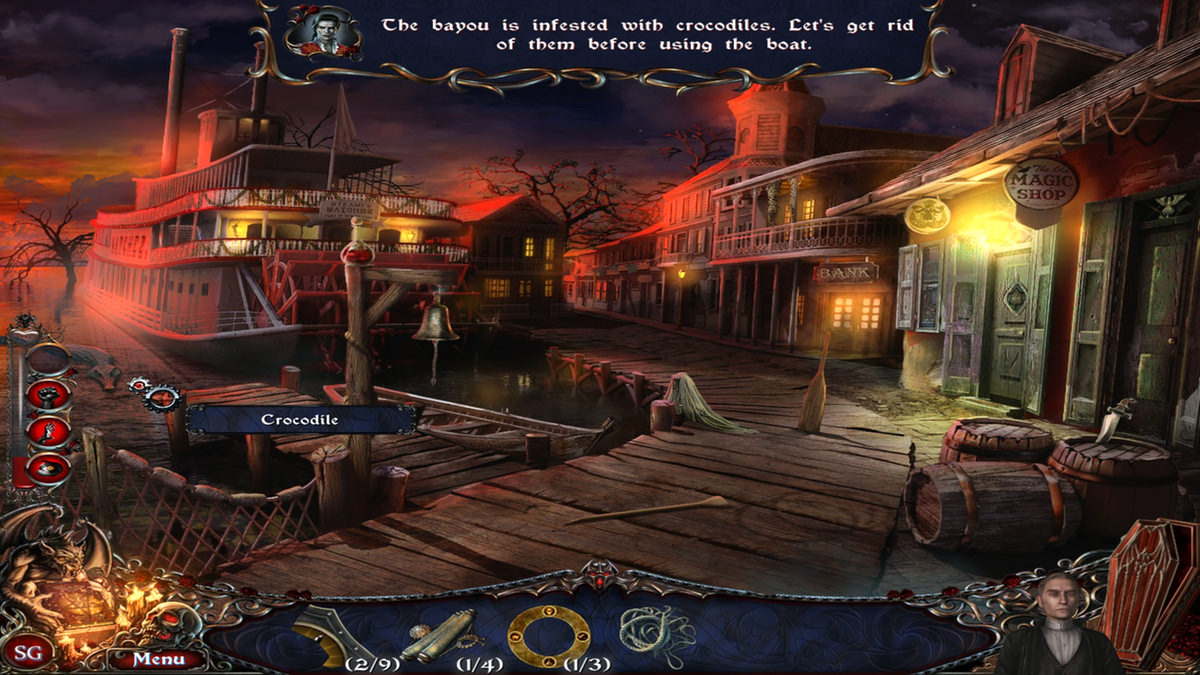
From a gameplay perspective, Dracula: Love Kills offers plenty to search for, both in dedicated hidden object scenes and within the environments more broadly. There are also a fair number of mini-puzzles, varied and approachable. Having played more recent hidden object games, these mini-games felt familiar in their early form. I spent roughly seven hours on the main game and just under an hour on the bonus episode. The game offers both easy and hard difficulty modes and includes vampire-themed achievements. The Collector’s Edition contains a strategy guide with step-by-step instructions. The Steam version appears to be the Collector’s Edition, even if the name no longer reflects this.
I appreciated the clarity and straightforwardness of Dracula: Love Kills. It does not strive for complexity, but instead relies on solid fundamentals. Identifying with Count Dracula offered a direct experience of lust for power, and, interpretatively, the story is troublingly gendered. I rate my gameplay experience at 69/100.
Availability
Dracula: Love Kills Collector's Edition is available for Windows.